

 Ver en contexto
 Enviar
 Compartir
 Detalles

 Descargar
 Similares
 Radiografía
 Presentación de diapositivas
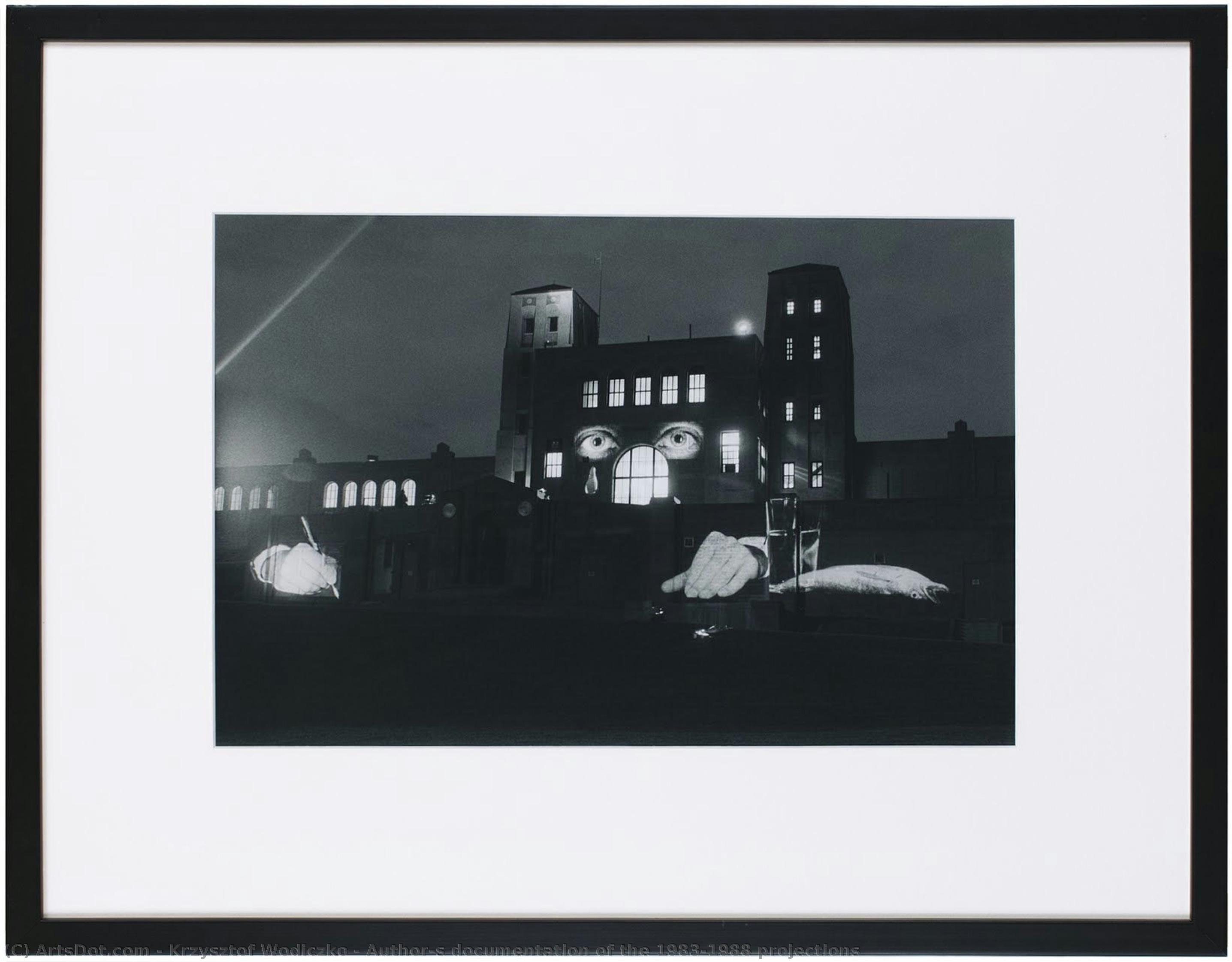
Author’s documentation of the 1983–1988 projections
 68.0 x 53.0 cm
 Centro de Arte Contemporáneo Znaki Czasu
 Ver más
Reproducción al óleo hecha a mano
Óleo sobre lienzo pintado a mano en el tamaño y marco de su elección, realizado por encargo por nuestros artistas. ( Comprar impresión Comprar imagen)




































Elija entre nuestros tamaños predefinidos que respetan las proporciones originales de la obra.

Puede ingresar sus propias dimensiones para adaptarse a un marco o espacio específico. Si el tamaño seleccionado no coincide con las proporciones de la imagen original, recortaremos la obra o extenderemos la pintura con elementos adicionales pintados a mano. Se le enviará una maqueta digital para su aprobación antes de comenzar la producción.
Tenga en cuenta que la vista previa en pantalla no refleja el recorte o la extensión reales. Solo la maqueta mostrará con precisión la composición final.
Si bien existen tamaños personalizados, recomendamos seleccionar una dimensión de la lista predefinida para preservar las proporciones originales.
Tras realizar el pedido, el equipo de ArtsDot.com enviará un correo electrónico al cliente para solicitar instrucciones y proporcionarle una vista previa del boceto.
Envío a todo el mundo () en 3-4 semanas en lugar de las 5 semanas estándar. (26 agosto). Sin comprometer la calidad.

Envío exprés gratuito a todo el mundo

Lienzo de lino de alta calidad

Seguro de envío total

Garantía de reembolso de impuestos aduaneros

Garantía de fidelidad cromática exacta

Política de devolución de 60 días (solo por defectos)

Garantía de devolución del 100% del dinero

Descuento por cantidad
 La opción de vidrio solo está disponible en tamaños inferiores a 110 cm.

Author’s documentation of the 1983–1988 projections
Técnica de reproducción
Dimensiones de la reproducción
-


Precio total final
$ 263
Descripción de la obra
Obras relacionadas




Biografía del artista
Krzysztof Wodiczko: Architect of Public Memory
Krzysztof Wodiczko is a Polish artist whose singular approach to artmaking—large-scale slide and video projections onto architectural facades—has cemented his place as one of the most distinctive voices in contemporary public art. Born in Warsaw in 1943, amidst the harrowing realities of World War II and the subsequent Soviet occupation, Wodiczko’s formative experiences instilled a profound sensitivity to social injustice and a conviction that artistic expression could serve as a catalyst for dialogue and change. This ethos continues to permeate his oeuvre, characterized by an unwavering commitment to amplifying marginalized voices and confronting uncomfortable truths about history and society.Early Life & Artistic Formation
Growing up in Poland under communist rule profoundly shaped Wodiczko’s worldview. His father, Bohdan Wodiczko, was a renowned orchestra conductor who instilled in him a deep appreciation for musical expression and its ability to convey emotion. Simultaneously, his Jewish mother fostered an understanding of cultural heritage and the importance of remembering past traumas. These influences fueled his initial explorations into industrial design at Warsaw Polytechnic Institute, where he honed skills in crafting functional objects while simultaneously cultivating an interest in experimental media. Crucially, it was during this period that he encountered Andrzej Dluzniewski and Wojciech Wybieralski, collaborators who would become instrumental in shaping his artistic vision. Together they conceived of a memorial to victims of Majdanek concentration camp—a project that underscored Wodiczko’s nascent fascination with confronting difficult narratives and utilizing visual media as tools for social commentary.The Emergence of Interrogative Design
Wodiczko's breakthrough came in the late 1980s, coinciding with Poland’s transition from communism to democracy. Recognizing the limitations of traditional art institutions in reaching underserved communities, he developed “Interrogative Design,” a methodology that merges artistic practice with critical design—a deliberate effort to engage audiences directly and challenge dominant perspectives. This approach involves deploying nomadic instruments and vehicles equipped with projectors onto urban spaces, inviting participation from individuals often excluded from mainstream cultural discourse. These projections aren’t merely visual spectacles; they are carefully crafted dialogues designed to provoke reflection on issues of memory, trauma, and social responsibility. He believed that art could serve as a tool for confronting societal ills and fostering empathy—a conviction that would guide his artistic endeavors throughout his career.Notable Projects & Artistic Achievements
Since 1985, Wodiczko has undertaken numerous ambitious public art installations across continents—Australia, Austria, Canada, England, Germany, Holland, Ireland, Israel, Italy, Japan, Mexico, Poland, Spain, Switzerland, and the United States. Among his most celebrated projects include “The Silent Voices” in Rome (2006), which projected images of refugees onto the Colosseum, prompting contemplation on migration and displacement; “The Memory Project” in Berlin (2013), addressing the legacy of the Holocaust through a projection onto the Brandenburg Gate; and “The Abolition of War” in New York City (2017), utilizing projections onto buildings throughout Manhattan to commemorate victims of conflict. His work has garnered international acclaim, earning him prestigious awards such as the Hiroshima Art Prize and MIT’s Skowhegan Medal for Sculpture. Furthermore, he served as Director of MIT's Interrogative Design Group and Professor at Harvard Graduate School of Design, establishing a legacy of fostering innovative artistic inquiry and promoting social engagement.Legacy & Influence
Krzysztof Wodiczko’s enduring contribution to contemporary art lies in his unwavering dedication to confronting uncomfortable truths and amplifying marginalized voices. He redefined the role of art within public space—transforming architectural monuments into platforms for dialogue and remembrance. His pioneering use of projection mapping as a medium continues to inspire artists globally, demonstrating that visual media can serve not only as aesthetic experiences but also as powerful instruments for fostering empathy and promoting social justice. Wodiczko’s work stands as a testament to the transformative potential of art—a reminder that creativity can illuminate hidden histories and catalyze meaningful conversations about our collective future.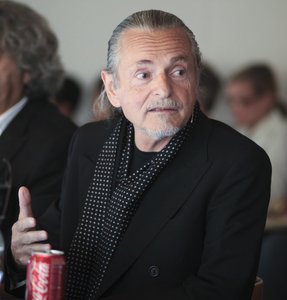
Krzysztof Wodiczko
1943 - , Polonia
Datos clave
- Artistic Movement Or Style: Interrogativo Diseño
- Artists Or Movements Influenced By This Artist: ['Tactical Media']
- Artists Who Influenced This Artist:
- Andrzej Dluzniewski
- Wojciech Wybieralski
- Date Of Birth: 1943
- Full Name: Krzysztof Wodiczko
- Nationality: Polaco
- Notable Artworks:
- Ciudad de Refugio
- La Abolición de la Guerra
- Place Of Birth: Warsaw, Poland

