

 Ver en contexto
 Enviar
 Compartir
 Detalles

 Descargar
 Similares
 Radiografía
 Presentación de diapositivas
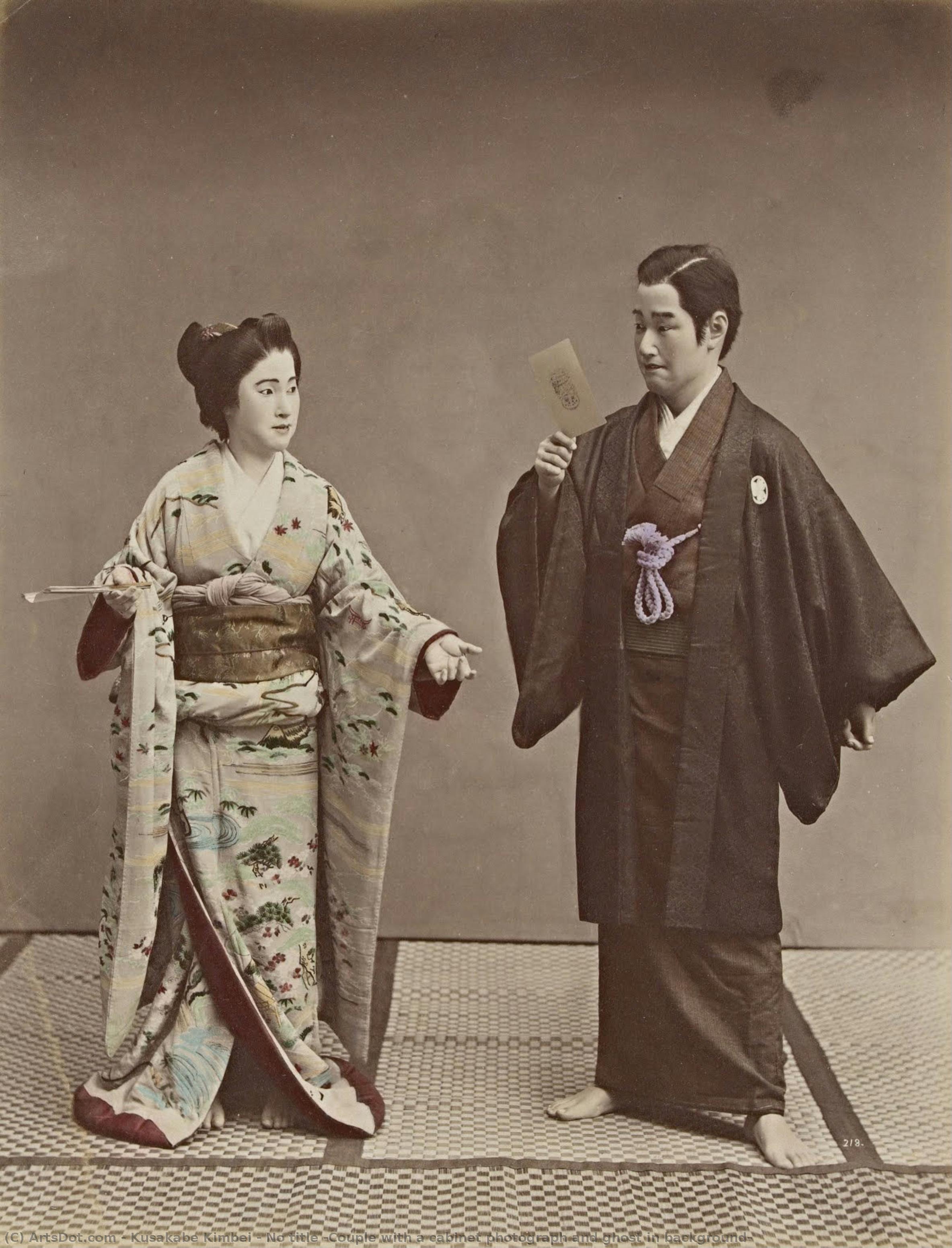
No title (Couple with a cabinet photograph and ghost in background)
 Acrylic On Canvas
- WallArt
- Ukiyo-e Inspired
 1880
1880 26.0 x 20.0 cm
 Galería Nacional de Victoria
 Ver más
Giclée / Impresión de arte
Impresiones giclée o en lienzo de calidad de museo con producción rápida y opciones de acabado flexibles. ( Comprar pintura hecha a mano Comprar imagen)




P118B $10

P118H $10

P118W $10

P438Z $10

P508JH $12

P508YH $12

P805H $10

P805Z $10

P919BZ $10

P919G $10

P919XJ $10

P959ZH $10

P968JZ $12

W106C $8

W218G $10

W218JH $8

W218Y $10

W307PJ $10

W316G $10

W316PJ $8

W316Y $10

W398PJ $8

W4111J $10

W500HY $15

W500JH $15

W692G $12

W849H $8

W940BG $15

W953PJ $8




Elija entre nuestros tamaños predefinidos que respetan las proporciones originales de la obra.

Puede introducir sus propias dimensiones para adaptarse a un marco o espacio específico. Si el tamaño seleccionado no coincide con las proporciones de la imagen original, recortaremos la obra de arte o extenderemos la imagen con un borde con efecto espejo o de color sólido. Se enviará una maqueta digital para su aprobación antes de que comience la producción.
Tenga en cuenta que la vista previa en pantalla no refleja el recorte o la extensión real. Solo la maqueta mostrará con precisión la composición final.
Aunque existen tamaños personalizados, recomendamos seleccionar una dimensión de la lista predefinida para preservar las proporciones originales.
Envío a todo el mundo () en 2 semanas en lugar de las 4/5 semanas estándar. (2 septiembre)

Envío exprés gratuito a todo el mundo

Lienzo de lino de alta calidad

Seguro de envío total

Garantía de reembolso de impuestos aduaneros

Garantía de fidelidad cromática exacta

Política de devolución de 60 días (solo por defectos)

Garantía de devolución del 100% del dinero

Descuento por cantidad
 La opción de vidrio solo está disponible en tamaños inferiores a 110 cm.

No title (Couple with a cabinet photograph and ghost in background)
Giclée / Impresión de arte
Dimensiones de la reproducción
-


Precio total final
$ 62
Kusakabe Kimbei’s “No Title” – A Ghostly Echo of Edo Japan
The photograph captures two Japanese individuals posed formally against a backdrop of a richly patterned rug and a subtle hint of architectural detail—likely a cabinet photograph. Taken by Kusakabe Kimbei in 1880, this image transcends mere documentation; it embodies the spirit of Shinrei shashin – “ghost photographs”—a genre that emerged during Japan’s late Edo period and reflects a fascinating intersection between artistic convention and burgeoning Western influence. Kimbei's masterful technique—albumen printing—produces a tonal richness that lends itself to capturing the nuances of light and texture, creating an atmosphere both serene and imbued with unspoken emotion.- Subject Matter: The portrait depicts a man and woman dressed in traditional kimono attire, symbolizing social status and adherence to established customs. Their gestures convey formality and poise, typical of depictions intended for discerning audiences during the era.
- Style & Technique: Kimbei’s approach aligns closely with the Bijinga tradition—Japanese art depicting beautiful women—drawing inspiration from the aesthetic principles prevalent in ukiyo-e prints. Albumen printing, a photographic process popularized by Europeans like Felice Beato and Baron Raimund von Stillfried, ensures exceptional detail and tonal gradation, preserving subtle nuances of color and texture.
- Historical Context: Japan’s opening to Western trade in 1854 dramatically altered its cultural landscape. Photographers like Kimbei capitalized on this newfound openness, documenting scenes of daily life—particularly those showcasing Japanese traditions—for the burgeoning tourist market. Notably, these images rarely portrayed the pervasive modernization sweeping across society at the time.
- Symbolism: The inclusion of a ghost – or “shinrei” – is significant. Shinrei shashin wasn’t merely about capturing an image; it was about attempting to capture something beyond the visible realm—a spiritual essence, a lingering presence. This stylistic choice speaks to anxieties surrounding Western encroachment and a desire to preserve Japanese identity amidst rapid change.
- Emotional Impact: The photograph evokes a sense of quiet dignity and contemplation. Its muted sepia tones contribute to an atmosphere of nostalgia for a bygone era, inviting viewers to consider the complexities of cultural exchange and the enduring power of visual storytelling.
Kimbei’s Influence & Artistic Legacy
Kusakabe Kimbei's collaboration with Felice Beato and Baron Raimund von Stillfried established him as a pivotal figure in Japanese photography, demonstrating his ability to adapt European techniques while retaining distinctly Japanese artistic sensibilities. His studio’s output remains invaluable for historians studying the visual culture of late Edo Japan and its subsequent transformation into modern Japan. The photograph's enduring appeal lies not only in its technical excellence but also in its capacity to transport us back to a moment frozen in time—a testament to Kimbei’s artistry and the captivating allure of Shinrei shashin.Dimensions & Reproduction Considerations
This original albumen print measures 26 x 20 cm (approximately 10 x 8 inches). High-quality reproductions offer a remarkable opportunity to appreciate the photograph's subtle tonal variations and textural richness, preserving its evocative atmosphere for contemporary audiences. Careful archival printing ensures longevity and maintains the integrity of Kimbei’s artistic vision.Obras relacionadas
Biografía del artista
early life and career
Kusakabe Kimbei (日下部金兵衛, Kusakabe Kimbei? 1841 – 1934) fue un fotógrafo japonés. Normalmente usaba su nombre Kimbei, que era más fácil de recordar y pronunciar que su apellido Kusakabe. Muchos de sus clientes eran extranjeros.
Kimbei trabajó en los estudios de Felice Beato y von Stillfried como colorista o iluminador de positivos fotográficos, coloreando las copias a mano. Fue asistente antes de abrir su propio taller en yokohama en 1881. También abrió una sucursal en el barrio Honmachi.
photographic style and notable works
Kimbei's photography style was characterized by its traditional bijinga approach, often featuring japanese women. He hired geisha to pose for his photographs, which were popular among tourists at the time. Many of his albums are mounted in un accordion fashion.
Some notable works by Kimbei can be found in the collection of the nacional gallery of victoria (melbourne, australia), including a photograph titled no title (couple with a cabinet photograph and ghost in background). This piece is a testament to kimbei's unique blend of traditional japanese aesthetics and early photographic techniques.
felice beato and kimbei kusakabe
Felice Beato y Kimbei Kusakabe, Photographers of 1800s Japan
The mid-to-late 1800s marked a shift in Japanese history: the Meiji Restoration. The old guard, the Tokugawa Shogunate, with their isolationist attitudes were overthrown, and Japan began a miraculous modernization movement. When you consider the shift, it is amazing. Japan went from being primarily agriculturally-based in 1853 when Commodore Matthew Perry of the US forced Japan to open to trade to the modernized military juggernaut of World War II just 86 years later.
legacy and influence
Kimbei acquired the negatives of Felice Beato y von Stillfried. He also obtained some of Ueno Hikoma's negatives of Nagasaki.
Kimbei’s retirement as a photographer in 1914 marked the end of an era in japanese photography.
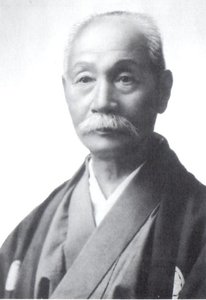
Kimbei Kusakabe
1841 - 1934 , Japón
Datos clave
- Artistic Movement Or Style: Bijinga photography; Accordion albums
- Artists Who Influenced This Artist:
- Felice Beato
- Baron Raimund von Stillfried
- Date Of Birth: November 24, 1841
- Date Of Death: April 19, 1934
- Full Name: Kusakabe Kimbei
- Nationality: Japanese
- Notable Artworks:
- No title (Couple with a cabinet photograph and ghost in background)
- Yumoto lake at Nikkō
- Place Of Birth: Kofu, Yamanashi Prefecture
Artículos relacionados

Katsushika Hokusai: Las 25 Obras Maestras del Ukiyo-e que Transformaron el Arte Japonés | ArtsDot
Descubre las 25 obras maestras de Katsushika Hokusai, el genio del ukiyo-e. Explora 'La Gran Ola', paisajes japoneses y su impacto en el arte moderno. Reproducciones de alta calidad para tu hogar en ArtsDot.com.

Floating World: The Captivating Art and Legacy of Japanese Ukiyo-e
Explore the profound beauty of Japanese Ukiyo-e. Discover the history, masters like Hokusai, and the enduring legacy of the 'Floating World' through an expert art-historical lens.
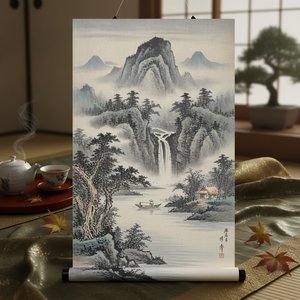
Serenity on Canvas: A Guide to the Timeless Beauty of Japanese Landscape Painting
Discover the serene beauty of Japanese landscape painting. From Hokusai's iconic woodblock prints to meditative sumi-e ink washes, explore a visual journey through the 'floating world' and learn how to bring this timeless Zen aesthetic into your modern home decor.

Ukiyo-e: Un Viaje al Corazón del Mundo Flotante Japonés y su Legado Artístico
Descubre el fascinante mundo del Ukiyo-e, el arte japonés del Período Edo. Explora las técnicas de grabado, los maestros Hokusai y Hiroshige, y su legado perdurable. ¡Un viaje cultural inolvidable!
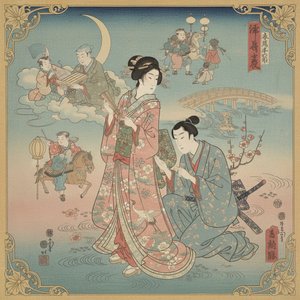
Suzuki Harunobu: Pioneering Ukiyo-e & the Refinement of Edo Period Printmaking
Discover the revolutionary world of Suzuki Harunobu, a pioneer of ukiyo-e printmaking. Explore his exquisite nishiki-e techniques, diverse subjects & lasting impact on Japanese art history. Learn more at ArtsDot.

