 Ver en contexto
 Enviar
 Compartir
 Detalles

 Descargar
 Similares
 Radiografía
 Presentación de diapositivas
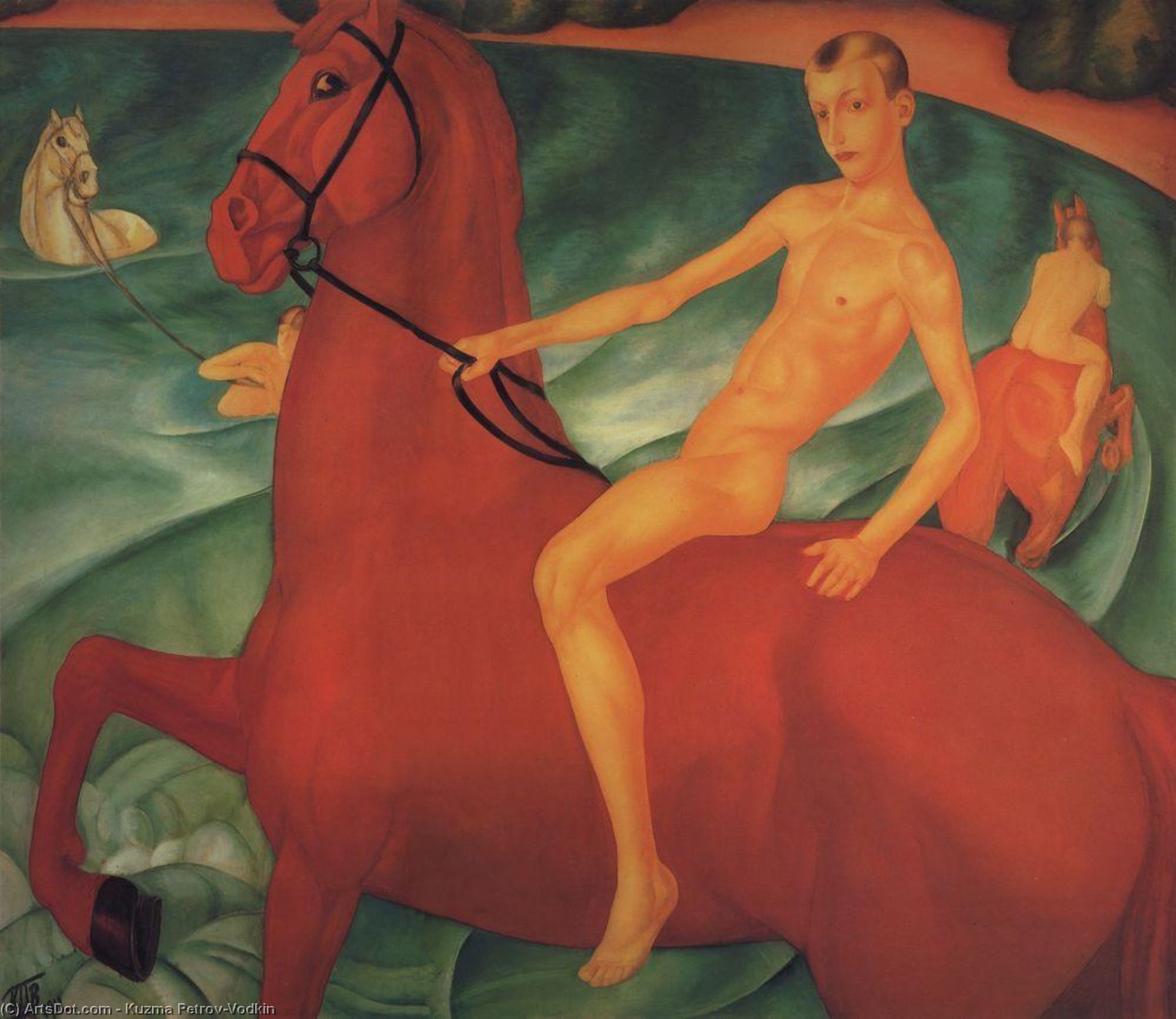
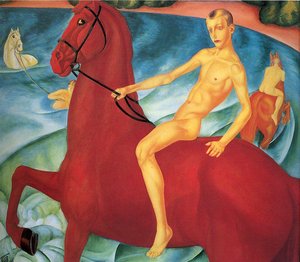
Bathing of a Red Horse
 Oil On Canvas
- WallArt
- Symbolism
 1912
1912- Modern
 160.0 x 186.0 cm
 Ver más
Giclée / Impresión de arte
Impresiones giclée o en lienzo de calidad de museo con producción rápida y opciones de acabado flexibles. ( Comprar pintura hecha a mano Comprar imagen)




P118B $10

P118H $10

P118W $10

P438Z $10

P508JH $12

P508YH $12

P805H $10

P805Z $10

P919BZ $10

P919G $10

P919XJ $10

P959ZH $10

P968JZ $12

W106C $8

W218G $10

W218JH $8

W218Y $10

W307PJ $10

W316G $10

W316PJ $8

W316Y $10

W398PJ $8

W4111J $10

W500HY $15

W500JH $15

W692G $12

W849H $8

W940BG $15

W953PJ $8




Elija entre nuestros tamaños predefinidos que respetan las proporciones originales de la obra.

Puede introducir sus propias dimensiones para adaptarse a un marco o espacio específico. Si el tamaño seleccionado no coincide con las proporciones de la imagen original, recortaremos la obra de arte o extenderemos la imagen con un borde con efecto espejo o de color sólido. Se enviará una maqueta digital para su aprobación antes de que comience la producción.
Tenga en cuenta que la vista previa en pantalla no refleja el recorte o la extensión real. Solo la maqueta mostrará con precisión la composición final.
Aunque existen tamaños personalizados, recomendamos seleccionar una dimensión de la lista predefinida para preservar las proporciones originales.
Envío a todo el mundo () en 2 semanas en lugar de las 4/5 semanas estándar. (6 septiembre)

Envío exprés gratuito a todo el mundo

Lienzo de lino de alta calidad

Seguro de envío total

Garantía de reembolso de impuestos aduaneros

Garantía de fidelidad cromática exacta

Política de devolución de 100 días (solo por defectos)

Garantía de devolución del 100% del dinero

Descuento por cantidad
 La opción de vidrio solo está disponible en tamaños inferiores a 110 cm.

Bathing of a Red Horse
Giclée / Impresión de arte
Dimensiones de la reproducción
-


Precio total final
$ 62
A Visionary Symphony of Color and Spirit
In the annals of early 20th-century Russian modernism, few images possess the arresting power and symbolic depth of Kuzma Petrov-Vodkin’s Bathing of a Red Horse. Created in 1912, this masterpiece serves as a profound intersection where the spiritual traditions of the East meet the experimental fervor of Western avant-garde movements. At first glance, the viewer is struck by an almost hypnotic color palette, dominated by a vibrant, saturated red that seems to pulse with its own internal life. This is not merely a painting of a horse; it is a cosmic event captured on canvas, a moment where the earthly and the divine appear to collide in a breathtaking display of tension and grace.
The composition is famously characterized by Petrov-Vodkin’s unique spherical perspective, a technique that defies traditional linear depth to create a sense of a curved, encompassing world. This method draws the eye into a swirling, rhythmic movement, making the viewer feel as though they are part of the very atmosphere surrounding the central figures. The man, rendered with a stark, almost ethereal whiteness, sits atop the powerful crimson beast, creating a striking contrast that commands immediate attention. Through this unconventional spatial arrangement, Petrov-Vodkin achieves a sense of monumental stability even amidst the swirling energy of the scene.
The Synthesis of Iconography and Modernism
To understand the profound impact of this work, one must look toward the artist's roots. Petrov-Vodkin was deeply influenced by the spiritual language of Russian icon painting, a heritage that manifests in his use of flat color planes, bold outlines, and a deliberate, symbolic approach to form. However, he brilliantly synthesized these ancient traditions with the emerging trends of Futurism and Post-Impressionism. The result is a work that feels both timeless and revolutionary. The tension present in the painting—the weight of the horse against the lightness of the rider—mirrors the turbulent social and political shifts occurring in Russia at the dawn of the new century.
Every element within the frame serves a narrative or symbolic purpose. The presence of secondary figures and the subtle inclusion of a dog in the background add layers of terrestrial reality to an otherwise dreamlike composition, grounding the cosmic symbolism in a recognizable, albeit heightened, world. For the discerning collector or interior designer, this painting offers more than just visual beauty; it provides a focal point of intellectual and emotional depth. A high-quality reproduction of this work brings into a space a sense of historical gravity and an invitation to contemplate the eternal dance between strength and serenity.
An Eternal Masterpiece for the Modern Interior
For those seeking to curate a collection that speaks to both sophistication and soul, Bathing of a Red Horse stands as an incomparable choice. Its bold use of primary colors makes it a versatile centerpiece capable of anchoring a room with its intense energy, while its complex layers of meaning ensure that the artwork remains a subject of fascination for years to come. Whether placed in a contemporary gallery setting or a classic study, the painting’s ability to evoke emotion—ranging from awe at its scale to introspection through its symbolism—makes it a truly transformative piece of art history.
Obras relacionadas
Biografía del artista
Primeros años y formación
Kuzma Sergeevich Petrov-Vodkin, un renombrado pintor y escritor ruso, nació el 5 de noviembre de 1878 en Khvalynsk, Óblast de Sarátov. Su temprana exposición al arte comenzó con lecciones de pintores de iconos locales y señaleros. Sin embargo, no fue hasta que asistió a la escuela Stieglitz en San Petersburgo (1895-1897) que su viaje artístico realmente comenzó.Evolución artística y obras notables
El estilo de Petrov-Vodkin, caracterizado por la perspectiva esférica, era una mezcla única de iconografía ortodoxa y colores más brillantes. Este enfoque distintivo es evidente en obras como *El Sueño* (1910) y el *Baño del Caballo Rojo* (1912), siendo este último un símbolo icónico del cambio social inminente.- *El Sueño* generó una discusión entre los artistas rusos, con Alexandre Benois defendiéndolo e Ilya Repin criticándolo.
- *El Baño del Caballo Rojo*, con su composición inusual y colores más brillantes, se convirtió en un clásico instantáneo.
- Las obras posteriores de Petrov-Vodkin, como *La Muerte de un Comisario* y *En la Línea de Fuego*, mostraron su uso de tonos más oscuros y composiciones más detalladas.
Carrera literaria y vida posterior
Tras contraer tuberculosis pulmonar en 1927, Petrov-Vodkin se dedicó a la literatura, produciendo tres volúmenes semiautobiográficos importantes: *Khvalynsk*, *El Espacio de Euclides* y *Samarcanda*. Sus escritos fueron republicados en la década de 1970 con gran aclamación.Significado museológico
La obra de Petrov-Vodkin se puede encontrar en varios museos, incluyendo el Museo de Bellas Artes Kramskoy (Voronezh, Rusia) y el Museo de Arte de Krasnoyarsk (Krasnoyarsk, Rusia), ambos mostrando una diversa gama del arte ruso.Legado e influencia
El legado de Petrov-Vodkin se extiende más allá de su propia obra, influyendo en generaciones posteriores de artistas. Su enfoque único del simbolismo y la perspectiva esférica ha dejado una huella indeleble en el arte ruso. El movimiento postimpresionista, una reacción cultural contra las tendencias impresionistas, también influyó en el estilo de Petrov-Vodkin. Este movimiento, caracterizado por la subjetividad y la representación de lo oculto, es evidente en sus obras. Petrov-Vodkin falleció el 15 de febrero de 1939 en Leningrado, dejando atrás un legado que continúa inspirando a artistas y entusiastas del arte por igual.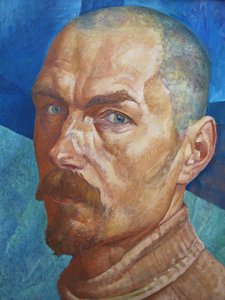
Kuzma Petrov-Vodkin
1878 - 1939 , Rusia
Datos clave
- Artistas Que Influyeron:
- Ilya Repin
- Alexandre Benois
- Fecha De Fallecimiento: 15 de febrero de 1939
- Fecha De Nacimiento: 5 de noviembre de 1878
- Influencia En Artistas: ['Generaciones de artistas rusos']
- Lugar De Nacimiento: Khvylinka, Rusia
- Movimiento Artístico: Post-Impresionismo
- Nacionalidad: Ruso
- Nombre Completo: Kuzma Petrov-Vodkin
- Obras Notables:
- El Sueño (1910)
- Baño del Caballo Rojo (1912)
Artículos relacionados

Crimson Threads of Narrative: Exploring Symbolism & Representation in Artworks Featuring the Red Dress
Explore the rich symbolism of the red dress in art history! From ancient power displays to iconic portraits like Cézanne’s 'Madame Cezanne', discover the cultural and artistic significance behind this captivating color. Expert analysis & insights.
Kandinsky: Las 25 Obras Maestras del Pionero de la Abstracción | ArtsDot
Descubre las 25 obras maestras de Wassily Kandinsky, pionero del arte abstracto. Explora su expresionismo, composiciones únicas y la historia detrás de cada cuadro. Reproducciones de alta calidad para decorar tu hogar con arte moderno en ArtsDot.com.
Ivan Bilibin: A Synthesis of Folklore, Modernism & National Identity in Russian Illustration
Explore the enchanting world of Ivan Bilibin, a master Russian illustrator who synthesized folklore, Art Nouveau & national identity. Discover his iconic fairy tale illustrations and legacy with ArtsDot.
Kuzma Petrov-Vodkin: A Pioneer of Russian Spiritual Symbolism & the Avant-Garde
Explore the captivating world of Kuzma Petrov-Vodkin, a pivotal figure in Russian avant-garde and spiritual symbolism. Discover his iconic works, unique style & lasting influence on 20th-century art.
Victor Vasnetsov: Myth, Nationalism & the Revival of Russian Fairy Tale Painting
Explore the captivating world of Victor Vasnetsov, a co-founder of Russian folklorist painting. Discover his iconic works, influence on national identity, and lasting legacy in this expert guide.