 Ver en contexto
 Enviar
 Compartir
 Detalles

 Descargar
 Similares
 Radiografía
 Presentación de diapositivas
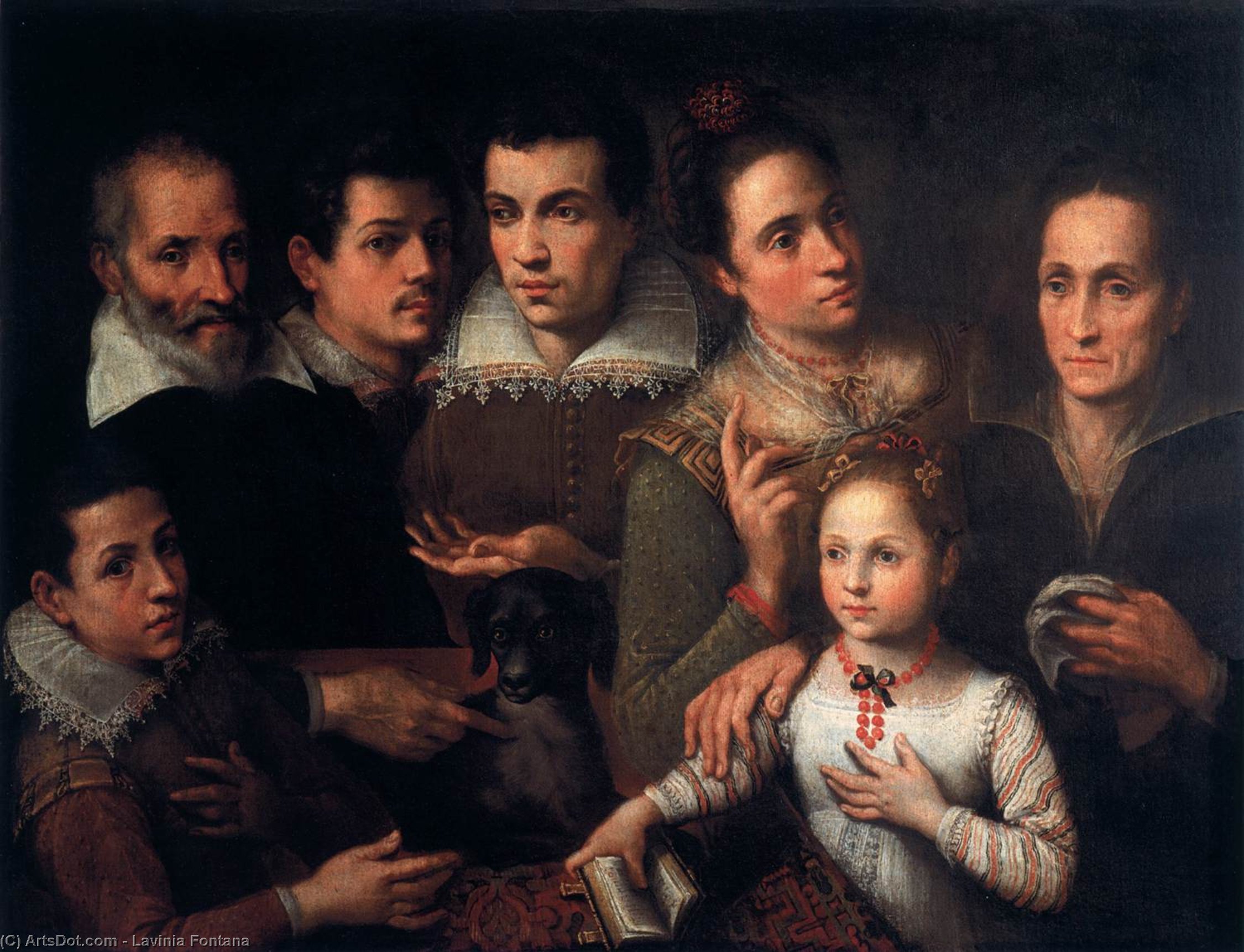
Family Portrait
 Oil On Canvas
- WallArt
- Baroque
 1598
1598- Renaissance
 85.0 x 105.0 cm
 Pinacoteca de Brera
 Ver más
Reproducción al óleo hecha a mano
Óleo sobre lienzo pintado a mano en el tamaño y marco de su elección, realizado por encargo por nuestros artistas. ( Comprar impresión Comprar imagen)




P118B $10

P118H $10

P118W $10

P438Z $10

P508JH $12

P508YH $12

P805H $10

P805Z $10

P919BZ $10

P919G $10

P919XJ $10

P959ZH $10

P968JZ $12

W106C $8

W218G $10

W218JH $8

W218Y $10

W307PJ $10

W316G $10

W316PJ $8

W316Y $10

W398PJ $8

W4111J $10

W500HY $15

W500JH $15

W692G $12

W849H $8

W940BG $15

W953PJ $8




Elija entre nuestros tamaños predefinidos que respetan las proporciones originales de la obra.

Puede ingresar sus propias dimensiones para adaptarse a un marco o espacio específico. Si el tamaño seleccionado no coincide con las proporciones de la imagen original, recortaremos la obra o extenderemos la pintura con elementos adicionales pintados a mano. Se le enviará una maqueta digital para su aprobación antes de comenzar la producción.
Tenga en cuenta que la vista previa en pantalla no refleja el recorte o la extensión reales. Solo la maqueta mostrará con precisión la composición final.
Si bien existen tamaños personalizados, recomendamos seleccionar una dimensión de la lista predefinida para preservar las proporciones originales.
Tras realizar el pedido, el equipo de ArtsDot.com enviará un correo electrónico al cliente para solicitar instrucciones y proporcionarle una vista previa del boceto.
Envío a todo el mundo () en 3-4 semanas en lugar de las 5 semanas estándar. (3 septiembre). Sin comprometer la calidad.

Envío exprés gratuito a todo el mundo

Lienzo de lino de alta calidad

Seguro de envío total

Garantía de reembolso de impuestos aduaneros

Garantía de fidelidad cromática exacta

Política de devolución de 60 días (solo por defectos)

Garantía de devolución del 100% del dinero

Descuento por cantidad
 La opción de vidrio solo está disponible en tamaños inferiores a 110 cm.

Family Portrait
Técnica de reproducción
Dimensiones de la reproducción
-


Precio total final
$ 263
A Legacy of Devotion: Unveiling Lavinia Fontana’s Family Portrait
In the quiet, luminous depths of Lavinia Fontana’s 1598 masterpiece, Family Portrait, one finds more than a mere gathering of faces; one encounters a profound meditation on lineage and human connection. Completed during the twilight of the Renaissance, this monumental canvas serves as a breathtaking window into a world where familial bonds were both a social anchor and a spiritual sanctuary. The painting presents a group of figures—men, women, and children—whose identities remain tantalizingly veiled by time, yet whose presence is felt with an almost palpable intimacy. As the eye wanders across the composition, it encounters a scene of serene togetherness, where the weight of history meets the tenderness of a shared moment, making it an ideal centerpiece for any collection seeking to evoke warmth and timelessness.
The technical brilliance of Fontana is on full display through her masterful command of the Mannerist style. She employs a sophisticated use of chiaroscuro, manipulating light and shadow to sculpt the figures from the darkness, imbuing each face with a soulful, three-dimensional vitality. The composition is anchored by a classic pyramidal structure, a technique that lends the group an air of stability and aristocratic grandeur. This architectural arrangement guides the viewer’s gaze upward toward the patriarch at the apex, creating a sense of hierarchical order that was central to the social fabric of the era. Every brushstroke reveals Fontana's meticulous attention to detail, from the heavy, luxurious folds of the period drapery to the delicate, expressive features that suggest a deep psychological complexity within each subject.
Symbolism and the Art of Domestic Tranquility
Beyond its formal elegance, the painting is rich with subtle symbols that speak to the values of the late 16th century. Positioned strategically within the scene are two dogs—one on the left and another toward the right—acting as silent sentinels of the domestic sphere. In the language of Renaissance art, these animals are not merely pets but potent emblems of loyalty, fidelity, and guardianship, reinforcing the theme of an unbreakable family unit. Near the center of the composition, a prominently placed book rests, serving as a quiet nod to the intellectual pursuits and the importance of education that defined the humanist ideals of the period. This small detail elevates the portrait from a simple record of likeness to a celebration of a cultured, enlightened household.
For the discerning collector or interior designer, this artwork offers a unique emotional resonance. The palette, though favoring earthy and muted tones, possesses an inner luminosity that breathes life into the room it inhabits. It is a work that does not shout for attention but rather commands it through grace and sophistication. Whether placed in a formal study to inspire contemplation or in a grand living space to anchor a room with historical weight, Family Portrait brings with it an aura of enduring beauty. It stands as a testament to the trailblazing spirit of Lavinia Fontana—a woman who navigated a male-dominated era to create a legacy of light, shadow, and everlasting devotion.
Obras relacionadas
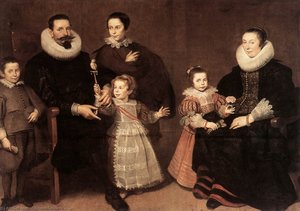
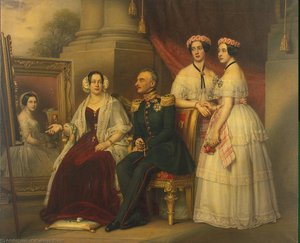
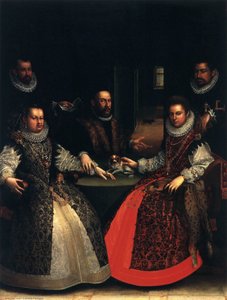
Biografía del artista
Vida Temprana y Formación
- Nacida: 24 de agosto de 1552, Bolonia, Italia
- Fallecida: 1614
- Lavinia Fontana nació en una familia de artistas. Su padre, Prospero Fontana, fue un pintor destacado de la Escuela de Bolonia.
- Recibió su formación de su padre y continuó el negocio familiar, lo cual era típico en aquella época.
- Su primera obra conocida, "Niño Mono", fue pintada en 1575 cuando tenía 23 años.
Estilo Artístico y Obras Notables
- Inicialmente, el estilo artístico de Lavinia Fontana se asemejaba al de su padre. Gradualmente adoptó el estilo carracciesco con un fuerte color casi veneciano.
- Era conocida por pintar a los residentes de clase alta de Bolonia, notablemente mujeres nobles. Sus relaciones con clientas femeninas fueron a menudo inusualmente cálidas.
- Obras Notables:
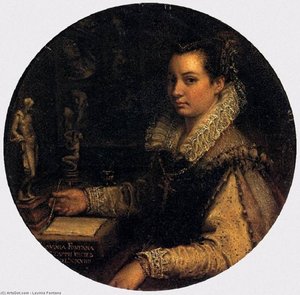
- Retrato Matrimonial Doble (también conocido como Autorretrato de Lavinia Fontana): Una obra maestra que muestra elegancia y sofisticación del arte del siglo XVI, ubicada en el Museo de Zaragoza.
- Venus y Cupido (1592): Un retrato barroco con ricos detalles y belleza simbólica.
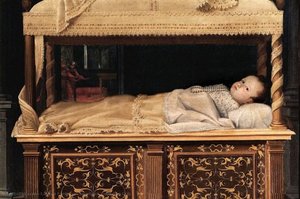
- Bebé Recién Nacido en una Cuna (1583): Un retrato manierista que muestra riqueza y ternura.
- Judit con la Cabeza de Holofernes (1600): Una obra maestra dramática del Renacimiento.
- Retrato de un Bebé Recién Nacido en una Cuna (1583): Una conmovedora pintura al óleo del Renacimiento nórdico.
Desarrollo e Influencias
- Influencias: Denis Calvaert, un artista neerlandés que dirigió una influyente escuela de pintura en Bolonia, también influyó en su formación.
- El estilo artístico de su padre inicialmente moldeó su trabajo, pero evolucionó hacia el estilo carracciesco.
- El patrocinio del Papa Gregorio XIII y su familia impactaron significativamente su carrera, lo que llevó a encargos para retratos de individuos prominentes.
Logros Mayores y Significado Histórico
- Primera Artista Profesional Femenina: Lavinia Fontana es considerada la primera artista femenina en trabajar dentro del mismo ámbito que sus colegas masculinos fuera de una corte o convento.
- Pintora Retratista Pionera: Se convirtió en una de las retratistas más importantes en Bolonia durante finales del siglo XVI.
- Primera Artista Femenina en Pintar Nudos Femeninos: Fontana fue una de las primeras artistas femeninas en pintar nudos femeninos, aunque esto sigue siendo un tema de debate entre los historiadores del arte.
- Reconocimiento y Honores: Fue elegida en la Accademia di San Luca en Roma y recibió numerosos honores, incluyendo una medalla de bronce conmemorativa fundida en 1611.
Legado
- El legado de Lavinia Fontana continúa inspirando a artistas y amantes del arte por igual.
- Su obra se puede encontrar en varios museos y colecciones de todo el mundo, incluyendo el Museo de Zaragoza y la Accademia di San Luca en Roma.
- Equilibró una exitosa carrera artística con la crianza de once hijos, demostrando una resiliencia y dedicación notables.
- La capacidad de Fontana para asegurar encargos y apoyo de patrocinadores prominentes allanó el camino para las futuras generaciones de artistas femeninas.
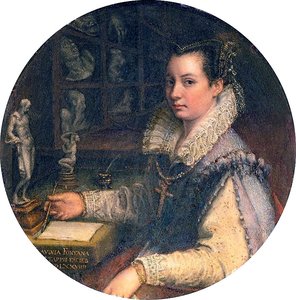
Lavinia Fontana
1552 - 1614 , Italia
Datos clave
- Artistas Que Influyeron:
- Prospero Fontana
- Denis Calvaert
- Fecha De Fallecimiento: 1614
- Fecha De Nacimiento: 24 de agosto de 1552
- Lugar De Nacimiento: Bolonia, Italia
- Movimiento Artístico: Manierismo
- Nacionalidad: Italiana
- Nombre Completo: Lavinia Fontana
- Obras Notables:
- Retrato nupcial doble
- Venus y Cupido
- Bebé recién nacido en cuna
- Judit con la cabeza de Holofernes
- Retrato de un bebé en cuna
Artículos relacionados
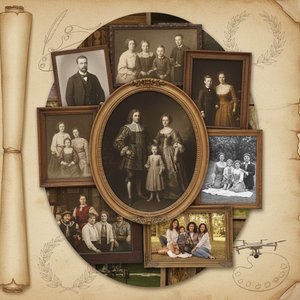
The Enduring Legacy of Family Portraiture: A Historical & Artistic Exploration
Explore the rich history of family portraiture with ArtsDot. Discover artistic styles, symbolism & collecting insights. Commission a custom oil painting or appraise your existing artwork today!
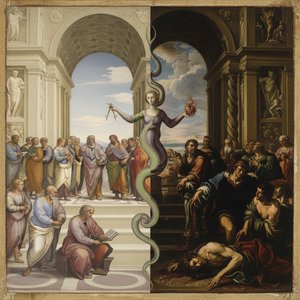
El Crepúsculo del Clasicismo Renacentista: Un Estudio del Estilo y la Afectación en el Manierismo
Descubre el Manierismo: un análisis profundo de este fascinante estilo artístico del Renacimiento tardío. Explora sus características, artistas clave y legado con ArtsDot.
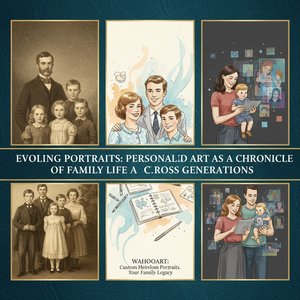
Evolución de los Retratos: El Arte Personalizado como Crónica de la Vida Familiar a Través de las Generaciones
Descubre la evolución del retrato familiar y cómo convertir tus recuerdos en obras de arte atemporales. Pinturas al óleo personalizadas por artistas expertos. ¡Preserva tu legado con ArtsDot!
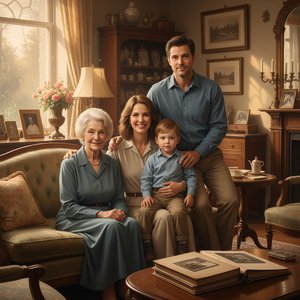
Ecos de la Ancestralidad: Retratos Familiares a Través de la Historia
Descubra la historia y el simbolismo del retrato familiar a través de los siglos. En , revive tu legado con reproducciones y comisiones personalizadas.
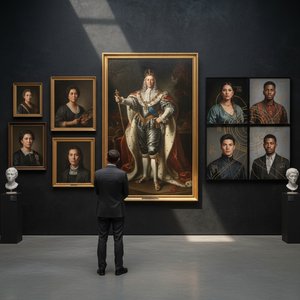
The Enduring Legacy of Formal Portraiture: Power, Identity & Artistic Exploration
Explore the rich history of formal portraiture & its enduring power to capture identity and shape perception. Discover investment-worthy artworks, expert appraisals, and custom reproduction services at ArtsDot.