

 Ver en contexto
 Enviar
 Compartir
 Detalles

 Descargar
 Similares
 Radiografía
 Presentación de diapositivas
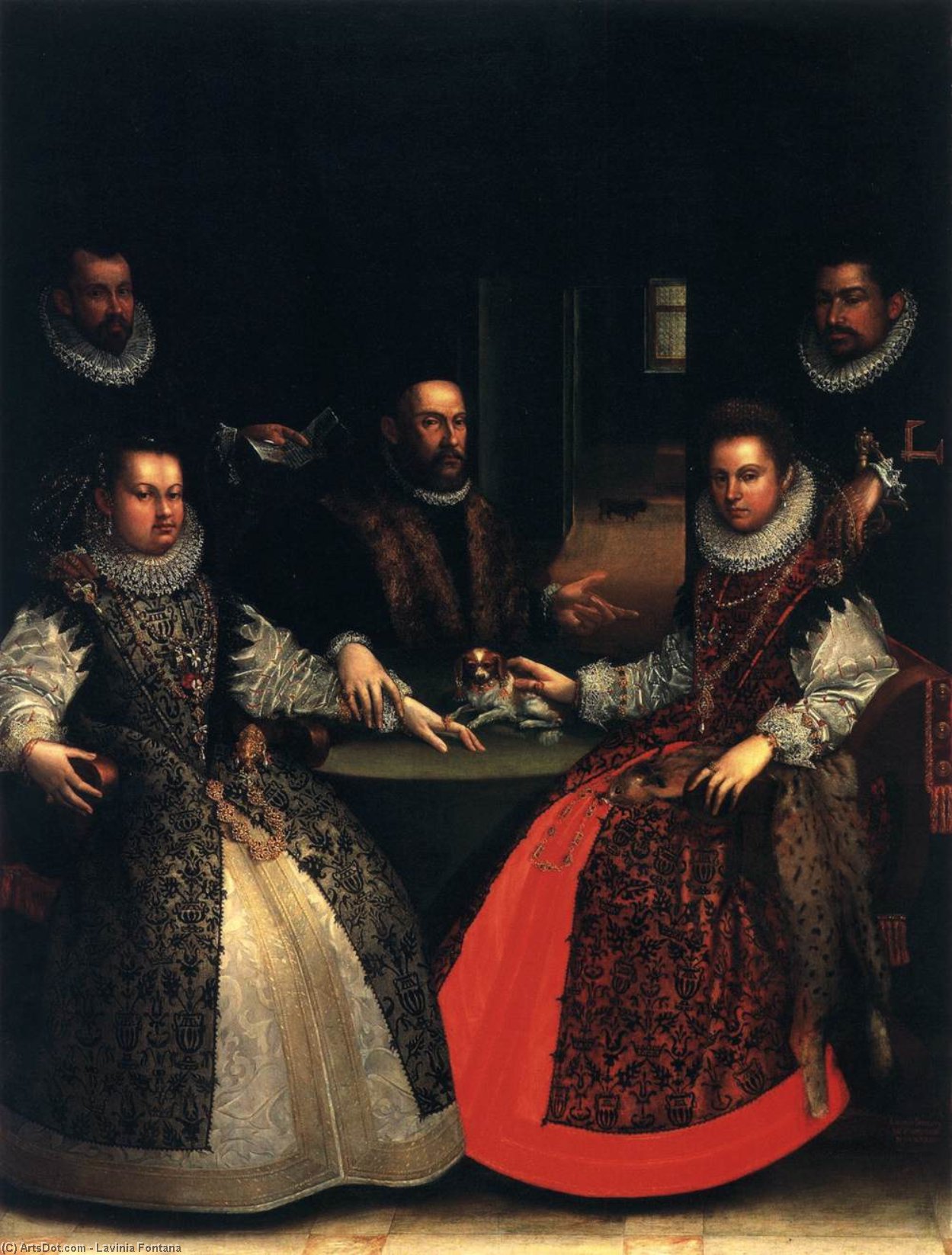
Portrait of the Gozzadini Family
 Oil On Canvas
- WallArt
- Mannerist Portraiture
 1584
1584 253.0 x 191.0 cm
 Pinacoteca Nacional
 Ver más
Adquiera una imagen digital de alta resolución y optimizada, muy superior a la vista previa en línea.
Cada archivo es preparado meticulosamente por nuestros especialistas internos mediante el uso de herramientas avanzadas y un experto retoque manual. Nos aseguramos de que cada imagen posea una claridad excepcional, una precisión cromática impecable y un detalle minucioso.
El archivo final se entrega por correo electrónico en un plazo de 72 horas, optimizado para su uso inmediato en entornos profesionales, editoriales y de impresión. Esta es la misma calidad en la que confían los estudios de diseño, las editoriales y las galerías de primer nivel.
Imagen Digital
Descarga un archivo de alta resolución para exhibición personal, impresión y proyectos creativos. ( Comprar impresión Comprar pintura hecha a mano)
Incluido en cada pedido de imágenes digitales
Entrega digital experta, garantizada.
Al elegir ArtsDot.com, no solo está adquiriendo una imagen; está recibiendo una obra de arte digital mejorada profesionalmente, elaborada con precisión y respaldada por una garantía de satisfacción. Esto es todo lo que incluye su pedido, automáticamente:

Entrega rápida por email
Recibirá su archivo de imagen digital en alta resolución por correo electrónico en un plazo de 72 horas tras realizar su pedido, listo para su uso inmediato.

Archivo digital optimizado por IA
Su obra de arte se optimiza profesionalmente mediante herramientas avanzadas de IA y edición manual, garantizando el máximo detalle, claridad y precisión cromática.

Reenvío gratuito de por vida
¿Has borrado o perdido tu archivo por error? No te preocupes: te lo volveremos a enviar en cualquier momento, sin coste adicional.

Sin gastos de importación, siempre
Disfrute de su obra de arte al instante sin aduanas, aranceles ni gastos de envío; las descargas digitales siempre están libres de impuestos.

Garantía de fidelidad de color
Garantizamos que su imagen digital refleje los colores originales con la mayor fidelidad posible, mediante el uso de herramientas profesionales y gestión del color.

Garantía de satisfacción de 60 días
Si no está satisfecho con su imagen digital, la revisaremos o le reembolsaremos el 100% en un plazo de 60 días, sin preguntas.

100% Garantía de devolución de dinero
¿No está satisfecho? Obtenga un reembolso completo dentro de los 60 días posteriores a la recepción de su archivo digital, sin necesidad de explicaciones.

Descuentos por pedidos grandes
Compra 3 imágenes, ahorra 10% - Compra 5, ahorra 15% - Compra 10+, ahorra 20%. Ideal para proyectos creativos, galerías y agencias.
A Glimpse into Noble Life: The Gozzadini Family Portrait
Lavinia Fontana’s 1584 “Portrait of the Gozzadini Family” is more than just a depiction of six individuals seated around a table; it's a meticulously crafted window into the social dynamics, familial tensions, and aspirations of a prominent Bolognese family during the High Renaissance. Hanging within the Pinacoteca Nazionale in Bologna, this oil painting on canvas immediately commands attention with its rich palette, dramatic lighting, and the subtly complex relationships depicted within its frame. It’s a work that speaks volumes about wealth, status, and the intricate web of obligations and desires that defined aristocratic life.
The scene unfolds within a dimly lit interior, dominated by a dark wooden table – a focal point that anchors the composition. Senator Ulisse Gozzadini, the patriarch, sits centrally, radiating authority despite his deceased status; his ghostly presence is subtly evoked through the placement of his hand resting on his daughter’s arm. Flanking him are his daughters, Laudomia and Ginevra, dressed in opulent wedding attire – a visual testament to their recent unions and the family's continued prosperity. Their husbands, Camillo and Annibale, stand respectfully behind them, completing the tableau of familial unity. Yet, beneath this veneer of harmony lies an undercurrent of rivalry and unspoken anxieties, carefully conveyed through subtle gestures and compositional choices.
The Language of Mannerism: Style and Technique
Fontana’s masterful command of Renaissance techniques is evident in every brushstroke. The painting exemplifies the stylistic nuances of Mannerism, a movement that favored elongated figures, complex compositions, and an emphasis on emotional expression over strict realism. Notice how the figures are rendered with a deliberate sense of formality – their poses are stiff and controlled, reflecting the rigid social conventions of the era. The artist’s use of *sfumato*, a technique pioneered by Leonardo da Vinci, creates soft transitions between light and shadow, lending an ethereal quality to the scene. The meticulous detail in rendering fabrics—the intricate folds of the ruffs, the shimmering textures of the gowns—demonstrates Fontana's exceptional skill and patience.
The color palette is dominated by deep browns, reds, creams, and golds – a luxurious combination that speaks to the family’s wealth and status. The vibrant red of Laudomia’s gown immediately draws the eye, while the muted tones of the other figures create a sense of balance and harmony. Fontana skillfully employs light to sculpt the forms of her subjects, highlighting their faces and creating a dramatic interplay between light and shadow. This masterful use of chiaroscuro not only adds depth and volume but also subtly conveys the emotional weight of the scene.
Symbolism and Hidden Meanings
Beyond its surface appearance, the “Portrait of the Gozzadini Family” is laden with symbolism. The presence of two dogs – one black and one small – serves as a poignant reminder of the deceased patriarch’s legacy and the family's commitment to upholding his memory. The placement of Laudomia’s hand on her father’s arm, coupled with the fact that he was already dead at the time of painting, suggests a complex relationship built on duty, obligation, and perhaps even unspoken resentment. The paper in Annibale’s hand is interpreted as a reference to his control over the family's finances, hinting at potential conflicts and power struggles.
Furthermore, the choice of clothing—the elaborate wedding attire—symbolizes not just marital status but also the family’s social standing and its desire to perpetuate its lineage. The painting can be read as a carefully constructed statement about the Gozzadini family's wealth, influence, and aspirations – a visual declaration of their place within Bolognese society. Lavinia Fontana cleverly used this portrait to convey more than just a simple depiction of a family; she created a narrative rich in social commentary and psychological insight.
A Legacy Preserved: Historical Context and Enduring Appeal
Lavinia Fontana’s “Portrait of the Gozzadini Family” is not merely a beautiful work of art; it's a significant historical document. As one of the few female artists to achieve recognition during the Renaissance, Fontana challenged societal norms and paved the way for future generations of women in the arts. The painting offers a rare glimpse into the lives of wealthy Italian families during the 16th century – their social customs, familial dynamics, and aspirations. Today, this masterpiece continues to captivate viewers with its exquisite detail, evocative symbolism, and profound insights into human nature. Reproductions of this iconic portrait remain highly sought after by collectors and interior designers alike, offering a timeless reminder of the beauty and complexity of Renaissance art.
Obras relacionadas

Biografía del artista
Vida Temprana y Formación
- Nacida: 24 de agosto de 1552, Bolonia, Italia
- Fallecida: 1614
- Lavinia Fontana nació en una familia de artistas. Su padre, Prospero Fontana, fue un pintor destacado de la Escuela de Bolonia.
- Recibió su formación de su padre y continuó el negocio familiar, lo cual era típico en aquella época.
- Su primera obra conocida, "Niño Mono", fue pintada en 1575 cuando tenía 23 años.
Estilo Artístico y Obras Notables
- Inicialmente, el estilo artístico de Lavinia Fontana se asemejaba al de su padre. Gradualmente adoptó el estilo carracciesco con un fuerte color casi veneciano.
- Era conocida por pintar a los residentes de clase alta de Bolonia, notablemente mujeres nobles. Sus relaciones con clientas femeninas fueron a menudo inusualmente cálidas.
- Obras Notables:
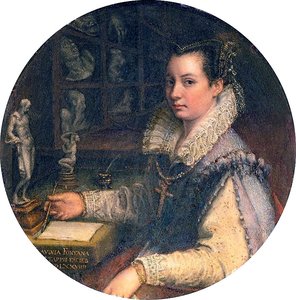
- Retrato Matrimonial Doble (también conocido como Autorretrato de Lavinia Fontana): Una obra maestra que muestra elegancia y sofisticación del arte del siglo XVI, ubicada en el Museo de Zaragoza.
- Venus y Cupido (1592): Un retrato barroco con ricos detalles y belleza simbólica.
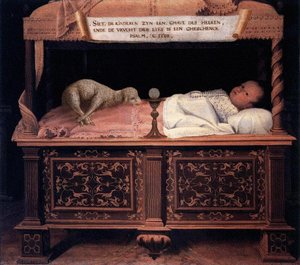
- Bebé Recién Nacido en una Cuna (1583): Un retrato manierista que muestra riqueza y ternura.
- Judit con la Cabeza de Holofernes (1600): Una obra maestra dramática del Renacimiento.
- Retrato de un Bebé Recién Nacido en una Cuna (1583): Una conmovedora pintura al óleo del Renacimiento nórdico.
Desarrollo e Influencias
- Influencias: Denis Calvaert, un artista neerlandés que dirigió una influyente escuela de pintura en Bolonia, también influyó en su formación.
- El estilo artístico de su padre inicialmente moldeó su trabajo, pero evolucionó hacia el estilo carracciesco.
- El patrocinio del Papa Gregorio XIII y su familia impactaron significativamente su carrera, lo que llevó a encargos para retratos de individuos prominentes.
Logros Mayores y Significado Histórico
- Primera Artista Profesional Femenina: Lavinia Fontana es considerada la primera artista femenina en trabajar dentro del mismo ámbito que sus colegas masculinos fuera de una corte o convento.
- Pintora Retratista Pionera: Se convirtió en una de las retratistas más importantes en Bolonia durante finales del siglo XVI.
- Primera Artista Femenina en Pintar Nudos Femeninos: Fontana fue una de las primeras artistas femeninas en pintar nudos femeninos, aunque esto sigue siendo un tema de debate entre los historiadores del arte.
- Reconocimiento y Honores: Fue elegida en la Accademia di San Luca en Roma y recibió numerosos honores, incluyendo una medalla de bronce conmemorativa fundida en 1611.
Legado
- El legado de Lavinia Fontana continúa inspirando a artistas y amantes del arte por igual.
- Su obra se puede encontrar en varios museos y colecciones de todo el mundo, incluyendo el Museo de Zaragoza y la Accademia di San Luca en Roma.
- Equilibró una exitosa carrera artística con la crianza de once hijos, demostrando una resiliencia y dedicación notables.
- La capacidad de Fontana para asegurar encargos y apoyo de patrocinadores prominentes allanó el camino para las futuras generaciones de artistas femeninas.
Lavinia Fontana
1552 - 1614 , Italia
Breves datos
- Artistas Que Influyeron:
- Prospero Fontana
- Denis Calvaert
- Fecha De Fallecimiento: 1614
- Fecha De Nacimiento: 24 de agosto de 1552
- Lugar De Nacimiento: Bolonia, Italia
- Movimiento Artístico: Manierismo
- Nacionalidad: Italiana
- Nombre Completo: Lavinia Fontana
- Obras Notables:
- Retrato nupcial doble
- Venus y Cupido
- Bebé recién nacido en cuna
- Judit con la cabeza de Holofernes
- Retrato de un bebé en cuna

