

 Ver en contexto
 Enviar
 Compartir
 Detalles

 Descargar
 Similares
 Radiografía
 Presentación de diapositivas
 Estadísticas
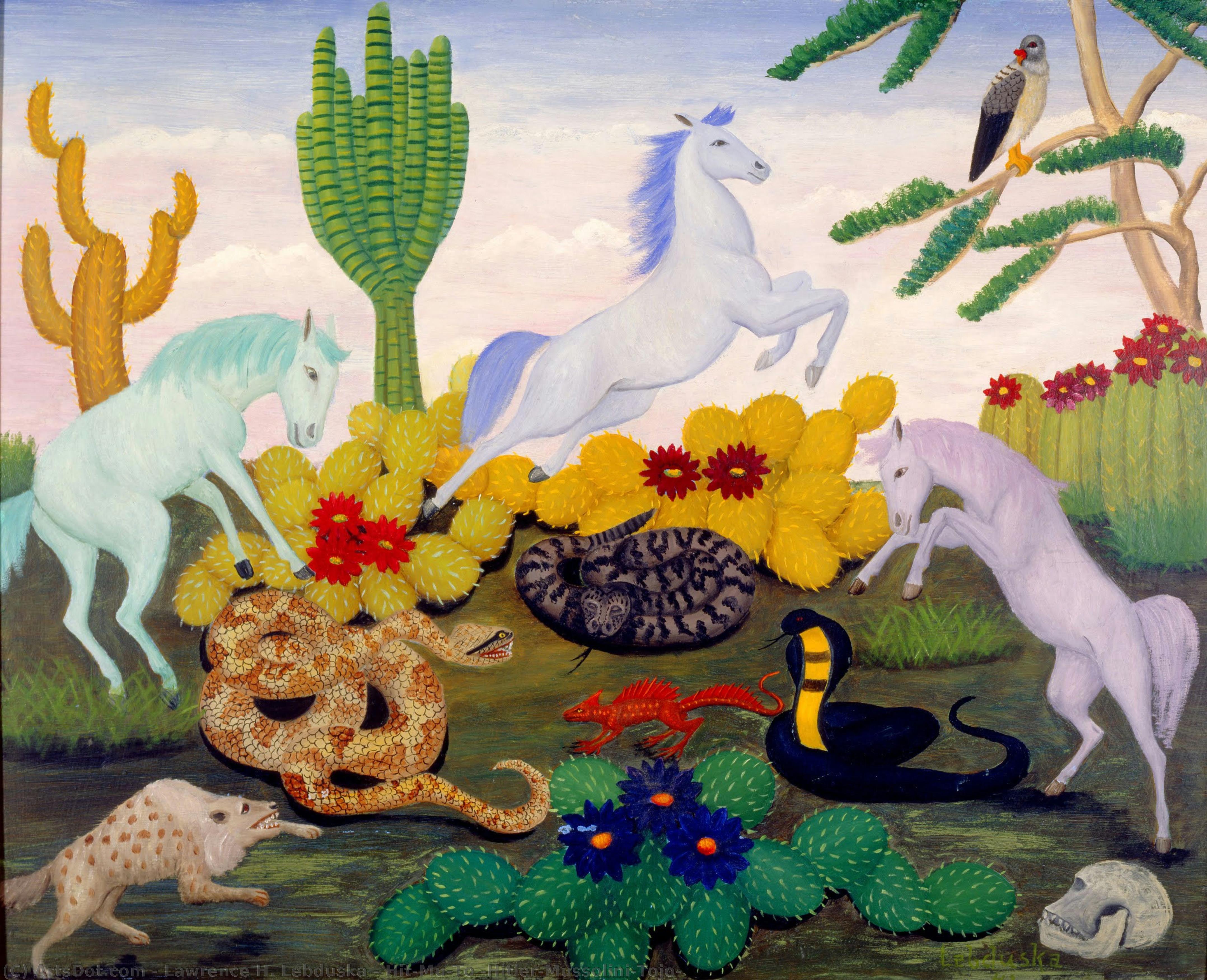
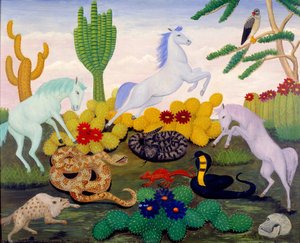
Hit-Mu-To (Hitler-Mussolini-Tojo)
 1942
1942 80.0 x 95.0 cm
 Ver más
Adquiera una imagen digital de alta resolución y optimizada, muy superior a la vista previa en línea.
Cada archivo es preparado meticulosamente por nuestros especialistas internos mediante el uso de herramientas avanzadas y un experto retoque manual. Nos aseguramos de que cada imagen posea una claridad excepcional, una precisión cromática impecable y un detalle minucioso.
El archivo final se entrega por correo electrónico en un plazo de 72 horas, optimizado para su uso inmediato en entornos profesionales, editoriales y de impresión. Esta es la misma calidad en la que confían los estudios de diseño, las editoriales y las galerías de primer nivel.
Imagen Digital
Descarga un archivo de alta resolución para exhibición personal, impresión y proyectos creativos. ( Cambiar a Impresión Comprar pintura hecha a mano)
Incluido en cada pedido de imágenes digitales
Entrega digital experta, garantizada.
Al elegir ArtsDot.com, no solo está adquiriendo una imagen; está recibiendo una obra de arte digital mejorada profesionalmente, elaborada con precisión y respaldada por una garantía de satisfacción. Esto es todo lo que incluye su pedido, automáticamente:

Entrega rápida por email
Recibirá su archivo de imagen digital en alta resolución por correo electrónico en un plazo de 72 horas tras realizar su pedido, listo para su uso inmediato.

Archivo digital optimizado por IA
Su obra de arte se optimiza profesionalmente mediante herramientas avanzadas de IA y edición manual, garantizando el máximo detalle, claridad y precisión cromática.

Reenvío gratuito de por vida
¿Has borrado o perdido tu archivo por error? No te preocupes: te lo volveremos a enviar en cualquier momento, sin coste adicional.

Sin gastos de importación, siempre
Disfrute de su obra de arte al instante sin aduanas, aranceles ni gastos de envío; las descargas digitales siempre están libres de impuestos.

Garantía de fidelidad de color
Garantizamos que su imagen digital refleje los colores originales con la mayor fidelidad posible, mediante el uso de herramientas profesionales y gestión del color.

Garantía de satisfacción de 100 días
Si no está satisfecho con su imagen digital, la revisaremos o le reembolsaremos el 100% en un plazo de 100 días, sin preguntas.

100% Garantía de devolución de dinero
¿No está satisfecho? Obtenga un reembolso completo dentro de los 100 días posteriores a la recepción de su archivo digital, sin preguntas.

Descuentos por pedidos grandes
Compra 3 imágenes, ahorra 10% - Compra 5, ahorra 15% - Compra 10+, ahorra 20%. Ideal para proyectos creativos, galerías y agencias.
Obras relacionadas







Biografía del artista
The Vibrant Soul of Primitive Muralism
Lawrence Lebduska, a name that resonates with the raw, unadorned beauty of American folk art, was an artist whose life journey mirrored the eclectic textures of his canvases. Born on September 1, 1894, in Baltimore, Maryland, his early years were shaped by a unique cultural duality. The son of a German craftsman working for the prestigious stained-glass firm Flieder & Schneider, Lebduska’s childhood was steeped in the meticulous traditions of glasswork. When his family relocated to Leipzig, Germany, at the age of five, he began formal training in stained glass production under the guidance of Josef Svoboda. This foundational period, characterized by an intimate understanding of light, color, and structural composition, would later serve as the silent architect behind his bold, flattened planes of pigment.
Returning to the United States in 1912, Lebduska eventually found his way to the bustling artistic epicenter of New York City. It was here that his technical training met a burgeoning modern sensibility. During the Great Depression, he emerged as a significant figure within the Works Progress Administration (WPA) programs. This era of monumental public art allowed him to translate his decorative instincts into large-scale narratives, earning him commissions for murals that captured the social and human spirit of the age. His work during this period was not merely decorative; it was an exploration of existence through a lens that rejected the suffocating constraints of academic realism.
A Rejection of Realism in Favor of Emotion
Lebduska’s artistic evolution was marked by a deliberate departure from illusionistic depth. Influenced by the revolutionary aesthetics of Picasso and Matisse, he embraced what he termed a "primitive" technique. This approach sought to strip away the unnecessary, focusing instead on the emotional resonance of form and color. His canvases often feature stylized figures and animals set against dramatic, simplified landscapes, creating a sense of timelessness that feels both ancient and modern. By utilizing flattened planes and vibrant, pulsating hues, he achieved a rhythmic energy that draws the viewer into a dreamlike state.
His mastery of composition is perhaps most evident in his celebrated works involving the natural world. In pieces such as "Horse and Tiger" and "The Prospector," one can observe how he uses bold outlines and stark color contrasts to evoke movement and tension. The latter, painted in 1960, showcases a man on horseback navigating a snowy mountain landscape, demonstrating his ability to use light and shadow to create atmosphere without relying on traditional perspective. This stylistic choice—prioritizing the visceral impact of an image over its literal accuracy—cemented his reputation as a pioneer of a new, expressive visual language.
Legacy and Historical Significance
Though his work was sometimes underappreciated during his lifetime, Lebduska’s influence on the American art landscape is undeniable. His first one-man show in 1936 was a landmark event, famously noted for inspiring Abby Aldrich Rockefeller to begin her monumental collection of folk art. This connection highlights his role as a bridge between traditional craftsmanship and the modern art movement.
Today, the historical significance of Lawrence Lebduska is preserved within the permanent collections of some of the world's most prestigious institutions, including:
- The Smithsonian American Art Museum
- The Museum of Modern Art (MoMA)
- The Hirshhorn Museum and Sculpture Garden
- The Wadsworth Atheneum
His legacy remains a testament to the power of simplicity. Through his unique blend of muralist scale and folk-art intimacy, Lebduska proved that art does not need to mimic life to capture its essence; rather, it can distill life into its most potent, colorful, and unforgettable forms.
Breves datos
- Artistic Movement Or Style: Primitive Style
- Artists Or Movements Influenced By This Artist: ['WPA Murals']
- Artists Who Influenced This Artist: ['Stained Glass Artists']
- Date Of Death: 1966
- Full Name: Lawrence H. Lebduska
- Nationality: American
- Notable Artworks: ['Horse and Tiger']
- Place Of Birth: Baltimore, Maryland