

 Ver en contexto
 Enviar
 Compartir
 Detalles

 Descargar
 Similares
 Radiografía
 Presentación de diapositivas
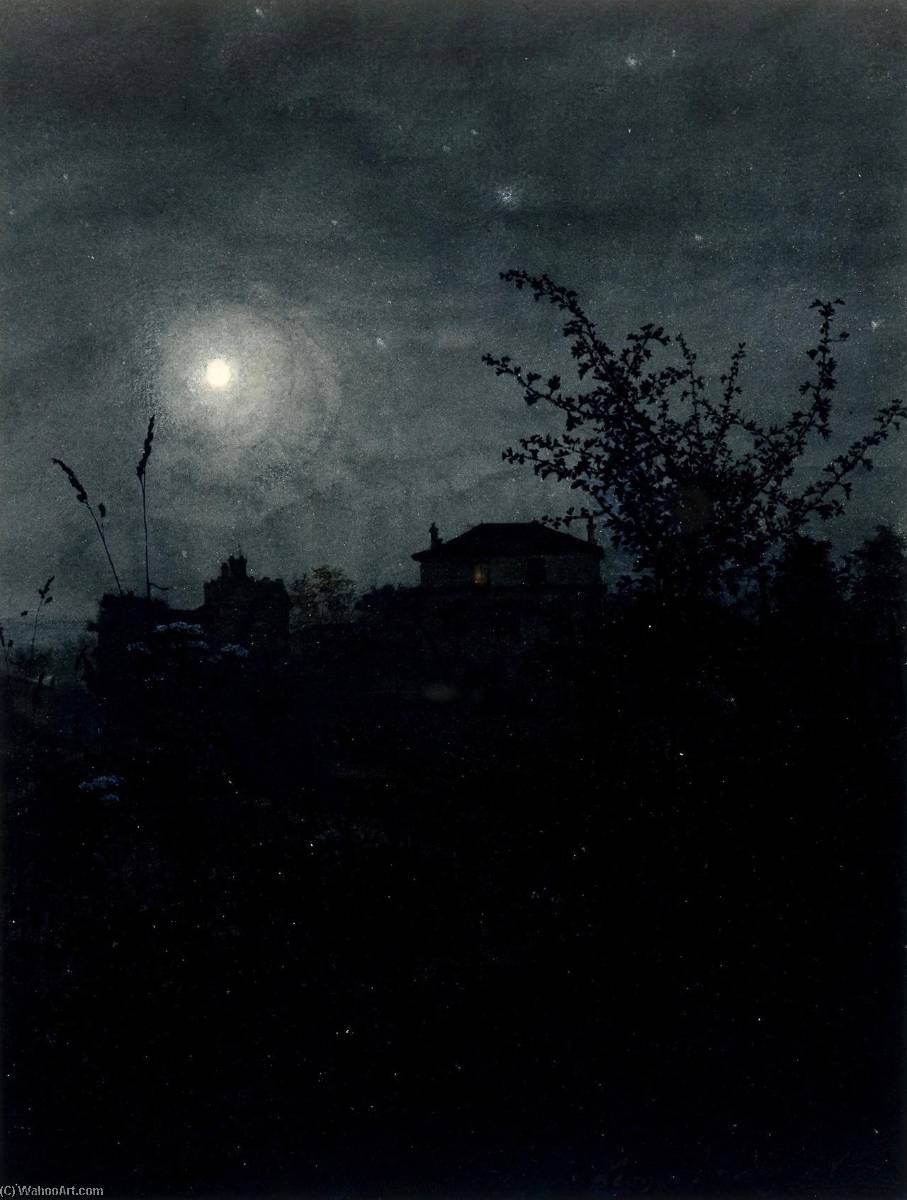
Moonlight Scene, Houses in the Background


 Ver más
Adquiera una imagen digital de alta resolución y optimizada, muy superior a la vista previa en línea.
Cada archivo es preparado meticulosamente por nuestros especialistas internos mediante el uso de herramientas avanzadas y un experto retoque manual. Nos aseguramos de que cada imagen posea una claridad excepcional, una precisión cromática impecable y un detalle minucioso.
El archivo final se entrega por correo electrónico en un plazo de 72 horas, optimizado para su uso inmediato en entornos profesionales, editoriales y de impresión. Esta es la misma calidad en la que confían los estudios de diseño, las editoriales y las galerías de primer nivel.
Imagen Digital
Descarga un archivo de alta resolución para exhibición personal, impresión y proyectos creativos. ( Comprar impresión Comprar pintura hecha a mano)
Incluido en cada pedido de imágenes digitales
Entrega digital experta, garantizada.
Al elegir ArtsDot.com, no solo está adquiriendo una imagen; está recibiendo una obra de arte digital mejorada profesionalmente, elaborada con precisión y respaldada por una garantía de satisfacción. Esto es todo lo que incluye su pedido, automáticamente:

Entrega rápida por email
Recibirá su archivo de imagen digital en alta resolución por correo electrónico en un plazo de 72 horas tras realizar su pedido, listo para su uso inmediato.

Archivo digital optimizado por IA
Su obra de arte se optimiza profesionalmente mediante herramientas avanzadas de IA y edición manual, garantizando el máximo detalle, claridad y precisión cromática.

Reenvío gratuito de por vida
¿Has borrado o perdido tu archivo por error? No te preocupes: te lo volveremos a enviar en cualquier momento, sin coste adicional.

Sin gastos de importación, siempre
Disfrute de su obra de arte al instante sin aduanas, aranceles ni gastos de envío; las descargas digitales siempre están libres de impuestos.

Garantía de fidelidad de color
Garantizamos que su imagen digital refleje los colores originales con la mayor fidelidad posible, mediante el uso de herramientas profesionales y gestión del color.

Garantía de satisfacción de 60 días
Si no está satisfecho con su imagen digital, la revisaremos o le reembolsaremos el 100% en un plazo de 60 días, sin preguntas.

100% Garantía de devolución de dinero
¿No está satisfecho? Obtenga un reembolso completo dentro de los 60 días posteriores a la recepción de su archivo digital, sin necesidad de explicaciones.

Descuentos por pedidos grandes
Compra 3 imágenes, ahorra 10% - Compra 5, ahorra 15% - Compra 10+, ahorra 20%. Ideal para proyectos creativos, galerías y agencias.
Obras relacionadas


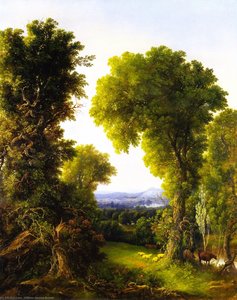
Biografía del artista
Léon Bonvin: A Tragic Master of Melancholy
Born in the humble outskirts of Paris in 1834, Léon Bonvin’s life was a poignant paradox—a soul deeply attuned to beauty and melancholy, yet tragically cut short before his artistic potential could fully blossom. His story is not merely that of an artist; it's one of quiet resilience, profound observation, and the heartbreaking struggle against poverty and despair. His legacy resides in a collection of delicate watercolors, imbued with a haunting stillness that continues to captivate viewers today.
Bonvin’s early life was marked by hardship. The son of a constable and a seamstress who operated a small guinguette (a popular outdoor tavern), he grew up amidst scarcity and the constant awareness of his family's limited resources. His older stepbrother, François Bonvin, recognizing Léon’s nascent talent, provided him with rudimentary art supplies—paints and encouragement—and instilled in him a deep appreciation for the works of the Dutch masters, particularly their meticulous attention to detail and atmospheric perspective. While he likely attended some classes at the École royale gratuite de dessin, his primary education came from self-study and an innate sensitivity to light and shadow. Adding another layer to his life was a passion for music; he learned to play the harmonium, finding solace in its melodies amidst the difficulties of his existence.
A World Rendered in Watercolor
Bonvin’s artistic style is immediately recognizable—a quiet realism characterized by an exquisite delicacy and a pervasive sense of melancholy. He primarily worked in watercolor, a medium he favored for its affordability and ability to capture fleeting atmospheric effects. His subjects were often humble: domestic scenes, still lifes of fruit and flowers, and solitary figures immersed in contemplation. He meticulously studied the works of Jean Siméon Chardin, replicating his ability to convey profound emotion through seemingly simple objects. His still lifes are not merely depictions of items; they’re imbued with a sense of quiet dignity and a poignant awareness of mortality.
Unlike many artists of his time who sought grand narratives or dramatic events, Bonvin focused on the everyday—the ordinary moments of life that often go unnoticed. He possessed an extraordinary eye for detail, rendering textures and light with remarkable precision. His landscapes are particularly noteworthy, capturing the subtle shifts in mood and atmosphere with a sensitivity rarely seen. He was known to work at dawn, dusk, or late into the night, seeking out those quiet moments when the world seemed most receptive to his artistic vision.
Struggles and Rejection
Despite his undeniable talent, Bonvin faced significant challenges throughout his career. He struggled financially, working as an innkeeper alongside his wife, a venture that ultimately proved unsuccessful. He approached numerous Parisian gallerists—particularly those on Rue Laffitte and Rue du Bac—hoping to gain recognition for his work, but was largely dismissed due to his lack of fame and the prevailing preference for more established artists. His watercolors, though admired by some, were deemed too dark and melancholic for the tastes of the commercial art market.
In January 1866, driven by desperation and rejection, Bonvin traveled to Paris one last time, seeking a dealer who might appreciate his work. When this attempt failed, he tragically took his own life in the forest outside the city on January 30th of that year, at the young age of 32. His death was a devastating loss for the artistic community and a stark reminder of the precariousness faced by many artists during that era.
A Lasting Legacy
Remarkably, Bonvin’s work gained recognition posthumously thanks to the efforts of his stepbrother, François. A special art sale was organized in 1866, featuring works by both brothers and including donations from prominent artists like Claude Monet, Henri Fantin-Latour, and Johan Barthold Jongkind—individuals who recognized the quality of Léon’s art or knew of his brother's artistic abilities. This event helped to establish a collection of Bonvin’s watercolors that continues to be studied and admired today.
Today, Bonvin’s paintings reside in prestigious collections around the world, including those at the Metropolitan Museum of Art, the Walters Art Museum, and the J. Paul Getty Museum. His work is celebrated for its quiet beauty, its poignant observation of human experience, and its enduring sense of melancholy. Léon Bonvin's story serves as a testament to the power of art to transcend hardship and a reminder that even in the darkest of times, beauty can still be found—and captured with exquisite sensitivity.
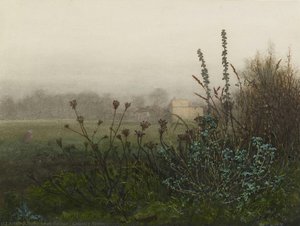
léon bonvin
1834 - 1866
Breves datos
- Artistic Movement Or Style: Watercolorist; Realism
- Artists Or Movements Influenced By This Artist: ['Dutch Golden Age']
- Artists Who Influenced This Artist: ['Jean Siméon Chardin']
- Date Of Birth: February 28, 1834
- Date Of Death: January 30, 1866
- Full Name: Léon Bonvin
- Nationality: French
- Notable Artworks:
- Goblet with Forget-me-nots
- Maisons au bord d'une route
- Moonlight Scene, Houses in the Background
- Place Of Birth: Vaugirard, France

