 Ver en contexto
 Enviar
 Compartir
 Detalles

 Descargar
 Similares
 Radiografía
 Presentación de diapositivas
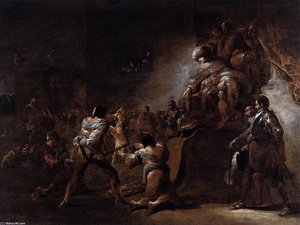
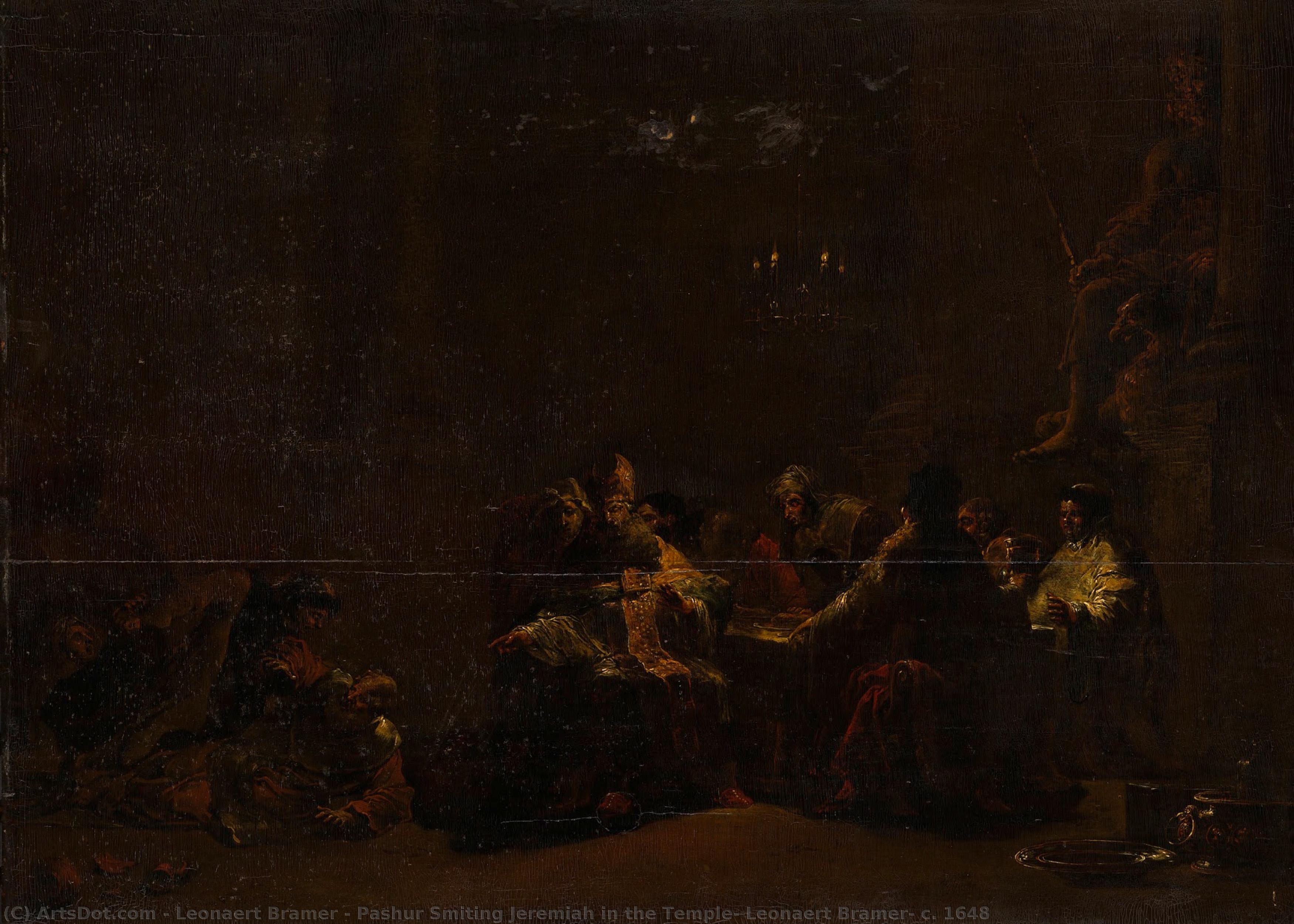
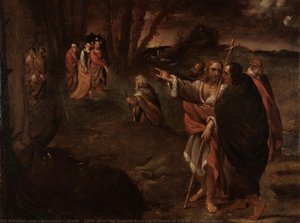
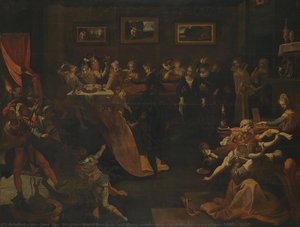
Pashur Smiting Jeremiah in the Temple, Leonaert Bramer, c. 1648
 1648
1648 47.0 x 63.0 cm
 Ver más
Reproducción al óleo hecha a mano
Óleo sobre lienzo pintado a mano en el tamaño y marco de su elección, realizado por encargo por nuestros artistas. ( Comprar impresión Comprar imagen)




































Elija entre nuestros tamaños predefinidos que respetan las proporciones originales de la obra.

Puede ingresar sus propias dimensiones para adaptarse a un marco o espacio específico. Si el tamaño seleccionado no coincide con las proporciones de la imagen original, recortaremos la obra o extenderemos la pintura con elementos adicionales pintados a mano. Se le enviará una maqueta digital para su aprobación antes de comenzar la producción.
Tenga en cuenta que la vista previa en pantalla no refleja el recorte o la extensión reales. Solo la maqueta mostrará con precisión la composición final.
Si bien existen tamaños personalizados, recomendamos seleccionar una dimensión de la lista predefinida para preservar las proporciones originales.
Tras realizar el pedido, el equipo de ArtsDot.com enviará un correo electrónico al cliente para solicitar instrucciones y proporcionarle una vista previa del boceto.
Envío a todo el mundo () en 3-4 semanas en lugar de las 5 semanas estándar. (23 agosto). Sin comprometer la calidad.

Envío exprés gratuito a todo el mundo

Lienzo de lino de alta calidad

Seguro de envío total

Garantía de reembolso de impuestos aduaneros

Garantía de fidelidad cromática exacta

Política de devolución de 60 días (solo por defectos)

Garantía de devolución del 100% del dinero

Descuento por cantidad
 La opción de vidrio solo está disponible en tamaños inferiores a 110 cm.

Pashur Smiting Jeremiah in the Temple, Leonaert Bramer, c. 1648
Técnica de reproducción
Dimensiones de la reproducción
-


Precio total final
$ 538
Descripción de la obra
Obras relacionadas
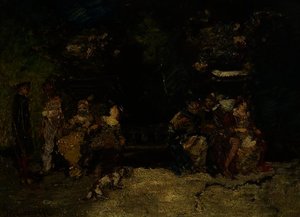
Biografía del artista
Leonaert Bramer: Una Vida en el Arte y la Intriga
- Nacido: Delft, Países Bajos (1596)
- Fallecido: 1674
Leonaert Bramer, también conocido como Leonard, fue un prolífico pintor holandés del siglo XVII. Es reconocido por sus escenas de género, obras religiosas y pinturas históricas, a menudo caracterizadas por sus escenarios nocturnos y detalles exóticos. Su vida estuvo marcada por extensos viajes, innovación artística e implicación en la vibrante escena cultural de Delft.
Primeros Años y Estancia Italiana
- Primeros Viajes: En 1614, a los 18 años, Bramer emprendió un viaje significativo que lo llevó por varias ciudades europeas, llegando finalmente a Roma en 1616.
- Bentvueghels y Vida Romana: Se convirtió en parte de los Bentvueghels, un grupo de artistas del norte que residían en Roma, ganándose el apodo de "Nestelghat" (Inquieto). Su tiempo en Italia no estuvo exento de incidentes, incluyendo una pelea con Claude Lorraine.
- Desarrollo Artístico en Italia: Bramer pasó un tiempo considerable en Roma, Mantua y Venecia, desarrollando sus habilidades y adquiriendo el sobrenombre de “Leonardo delle Notti” o "Leonardo de la Noche" debido a su afición por las escenas nocturnas. Dominó la pintura al fresco durante este período.
Regreso a Delft y Estilo Artístico
- Afiliación al Gremio: Regresando a Delft en 1628, Bramer se unió al Gremio de San Lucas en 1629.
- Patronazgo: Recibió el patrocinio de figuras prominentes como miembros de la Casa de Orange, así como funcionarios locales.
- Diversas Actividades Artísticas: Más allá de la pintura, Bramer diseñó para empresas de tapices y creó murales y techos, algunos empleando técnicas ilusionistas. Sus frescos, aunque ahora perdidos debido a las condiciones climáticas, fueron una característica notable de los edificios civiles de Delft.
- Estilo Único: El estilo de Bramer se caracteriza por su energía nerviosa y la hábil representación de la reflexión de la luz. A menudo favorecía temas italianos sobre los típicos sujetos holandeses como paisajes o bodegones.
Influencias y Relaciones Notables
- Influencias Artísticas: Bramer fue influenciado por Adam Elsheimer y el pintor de frescos Agostino Tassi.
- Relación con Johannes Vermeer: Jugó un papel significativo en la defensa de Johannes Vermeer cuando su futura suegra intentó impedir su matrimonio, sugiriendo una posible relación de mentoría entre los dos artistas. Se especula que Bramer pudo haber sido el maestro de Vermeer.
- El "Álbum Bramer": Esta colección de dibujos (1642-1654) proporciona información valiosa sobre las colecciones y prácticas artísticas de Delft en ese momento.
Legado y Significado Histórico
- Personalidad Intrincante: Bramer es considerado una figura intrigante en el arte holandés del siglo XVII debido a sus viajes, diversas actividades artísticas e implicación en varios círculos sociales.
- Visión Artística Única: Su preferencia por temas italianos y escenas nocturnas lo distinguieron de muchos de sus contemporáneos.
- Contribución a la Escena Artística de Delft: El trabajo de Bramer contribuyó significativamente a la vibrante escena artística de Delft, influyendo en generaciones posteriores de artistas.
- Reconocimiento Póstumo: A pesar de una venta de sus obras tras su muerte, el legado de Bramer ha sido reevaluado en tiempos recientes, consolidando su lugar como una figura importante en la historia del arte holandés.
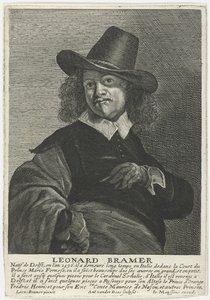
Leonaert Bramer
1596 - 1674 , Países Bajos
Datos clave
- Artistas Que Influyeron:
- Adam Elsheimer
- Agostino Tassi
- Fecha De Muerte: 1674
- Fecha De Nacimiento: 24 de diciembre de 1596
- Lugar De Nacimiento: Delft, Países Bajos
- Movimiento Artístico: Barroco, Pintura de género
- Nacionalidad: Holandés
- Nombre Completo: Leonaert Bramer
- Obras Notables:
- El dolor de Hécuba
- Abraham y los tres ángeles
- Vanitas (Viena)