 Ver en contexto
 Enviar
 Compartir
 Detalles

 Descargar
 Similares
 Radiografía
 Presentación de diapositivas
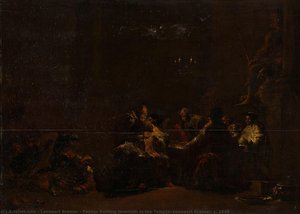
The Trials of Job
 Acrylic On Canvas
- WallArt
- 17th-Century Dutch Baroque
 1630
1630 400.0 x 310.0 cm
 Galería Courtauld
 Ver más
Reproducción al óleo hecha a mano
Óleo sobre lienzo pintado a mano en el tamaño y marco de su elección, realizado por encargo por nuestros artistas. ( Comprar impresión Comprar imagen)




P118B $10

P118H $10

P118W $10

P438Z $10

P508JH $12

P508YH $12

P805H $10

P805Z $10

P919BZ $10

P919G $10

P919XJ $10

P959ZH $10

P968JZ $12

W106C $8

W218G $10

W218JH $8

W218Y $10

W307PJ $10

W316G $10

W316PJ $8

W316Y $10

W398PJ $8

W4111J $10

W500HY $15

W500JH $15

W692G $12

W849H $8

W940BG $15

W953PJ $8




Elija entre nuestros tamaños predefinidos que respetan las proporciones originales de la obra.

Puede ingresar sus propias dimensiones para adaptarse a un marco o espacio específico. Si el tamaño seleccionado no coincide con las proporciones de la imagen original, recortaremos la obra o extenderemos la pintura con elementos adicionales pintados a mano. Se le enviará una maqueta digital para su aprobación antes de comenzar la producción.
Tenga en cuenta que la vista previa en pantalla no refleja el recorte o la extensión reales. Solo la maqueta mostrará con precisión la composición final.
Si bien existen tamaños personalizados, recomendamos seleccionar una dimensión de la lista predefinida para preservar las proporciones originales.
Tras realizar el pedido, el equipo de ArtsDot.com enviará un correo electrónico al cliente para solicitar instrucciones y proporcionarle una vista previa del boceto.
Envío a todo el mundo () en 3-4 semanas en lugar de las 5 semanas estándar. (22 agosto). Sin comprometer la calidad.

Envío exprés gratuito a todo el mundo

Lienzo de lino de alta calidad

Seguro de envío total

Garantía de reembolso de impuestos aduaneros

Garantía de fidelidad cromática exacta

Política de devolución de 60 días (solo por defectos)

Garantía de devolución del 100% del dinero

Descuento por cantidad
 La opción de vidrio solo está disponible en tamaños inferiores a 110 cm.

The Trials of Job
Técnica de reproducción
Dimensiones de la reproducción
-


Precio total final
$ 263
Descripción de la obra
A Testament to Faith: Unveiling Leonaert Bramer’s “The Trials of Job”
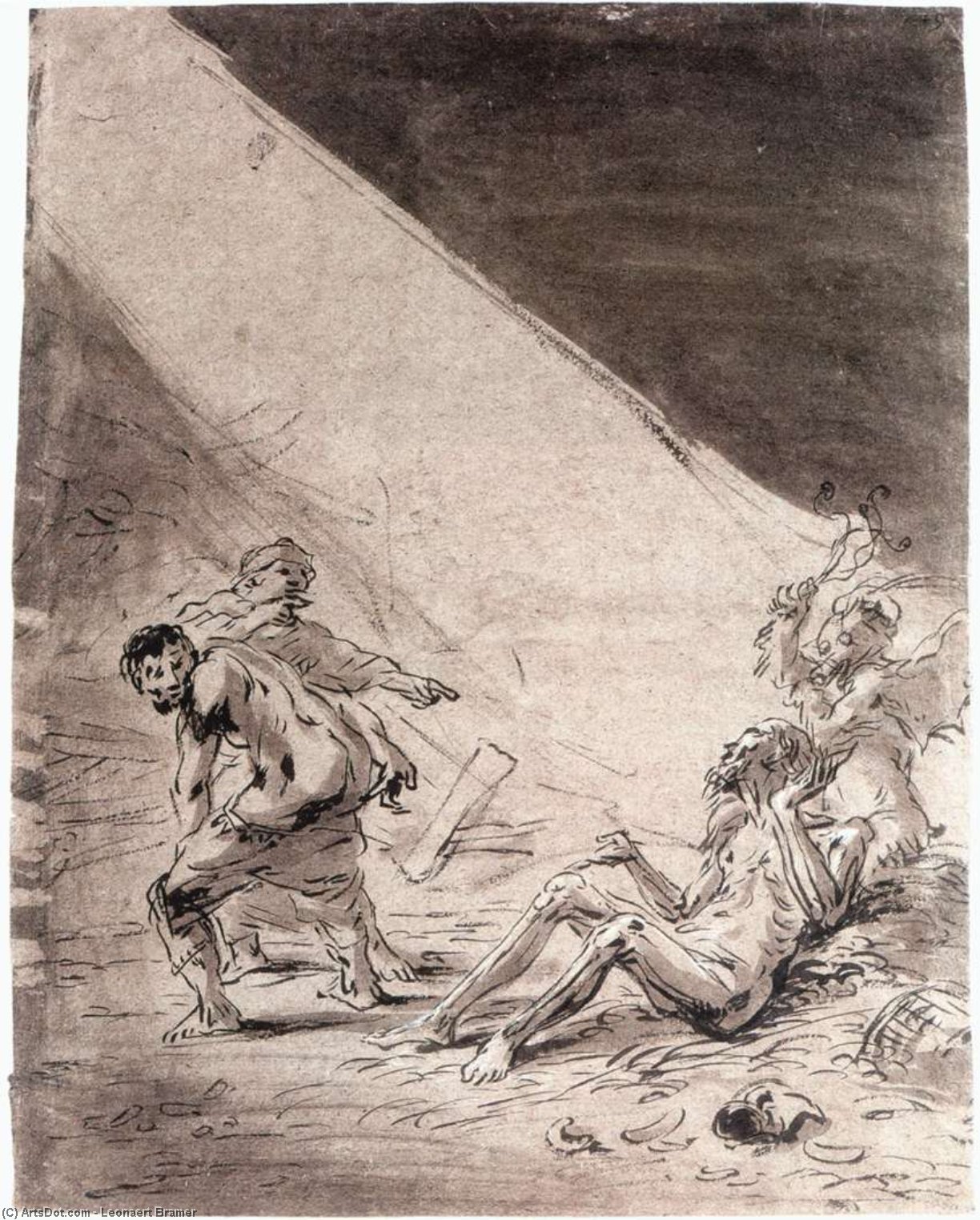
Leonaert Bramer's "The Trials of Job," painted in 1630, isn’t merely a depiction of the biblical narrative; it’s a profound meditation on suffering, faith, and the enigmatic nature of divine justice. This dramatic scene, rendered in the rich, dark palette characteristic of Bramer’s signature style – often dubbed “Leonardo della Notte” for his mastery of nocturnal illumination – immediately draws the viewer into a world steeped in atmosphere and psychological intensity. The painting captures a pivotal moment within the Book of Job, where the righteous man is subjected to unimaginable trials by God through Satan's machinations. It’s a scene brimming with unspoken anguish, yet also hinting at an underlying resilience.
At the heart of the composition stands Job himself, a figure of imposing stature and stark vulnerability. He kneels amidst a desolate landscape, his hands clasped in supplication as he holds aloft a massive stone – a symbol not just of physical burden but of the crushing weight of unanswered questions and profound despair. The two figures flanking him—a man on the left, seemingly offering silent support, and another further back on the right—suggest a community grappling with Job’s plight, yet unable to provide solace or understanding. Bramer masterfully uses chiaroscuro – the dramatic contrast between light and shadow – to heighten the emotional impact, focusing attention on Job's face, etched with sorrow and determination. The limited color palette, dominated by deep blues, browns, and blacks, contributes to a sense of foreboding and isolation, mirroring Job’s internal state.
The Masterstroke of the Night: Bramer’s Unique Artistic Vision
Bramer's artistic approach distinguished him significantly within the Dutch Golden Age. Unlike many of his contemporaries who favored bright daylight scenes or idealized portraits, he specialized in nocturnal landscapes and dramatic interiors, often infused with exotic details gleaned from his extensive travels throughout Italy and beyond. “The Trials of Job” exemplifies this distinctive style perfectly. The meticulously rendered textures – the rough stone, the worn clothing, the weathered landscape – speak to a deep understanding of material reality. Furthermore, Bramer’s use of perspective creates an illusionistic depth, drawing the viewer into the scene as if they are witnessing this agonizing moment firsthand. His technique involved layering thin glazes of oil paint, building up color and detail gradually, resulting in a luminous quality that is particularly evident in the depiction of light reflecting off the stone.
The painting’s historical context is crucial to understanding its significance. Created during the early 17th century, it reflects the intellectual currents of the time – a period marked by intense theological debate and a growing interest in human psychology. The Book of Job itself had been a subject of philosophical inquiry for centuries, prompting questions about the relationship between faith and reason, suffering and justice. Bramer’s interpretation aligns with this broader intellectual landscape, presenting Job not as a passive victim but as an active participant in his own ordeal, wrestling with his faith amidst unimaginable adversity.
Symbolism and Interpretation: Layers of Meaning
Beyond the literal depiction of the biblical story, “The Trials of Job” is rich in symbolic meaning. The stone represents not only Job’s physical burden but also the weight of unanswered questions and the challenge to reconcile faith with suffering. Job's posture—kneeling, hands raised—suggests a plea for understanding, a desperate attempt to connect with a seemingly silent God. The desolate landscape symbolizes the spiritual wasteland into which Job has been thrust, while the figures flanking him represent the limitations of human comfort and support in the face of such profound suffering.
The painting’s enduring power lies in its ability to evoke empathy and contemplation. It doesn't offer easy answers or simplistic resolutions; instead, it invites viewers to grapple with the complexities of faith, justice, and the human condition. Bramer’s masterful use of light, shadow, and composition creates a scene that is both visually arresting and emotionally resonant – a timeless testament to the enduring struggle between hope and despair.
A Timeless Masterpiece: Reproduction and Legacy
Reproductions of “The Trials of Job” offer a remarkable opportunity to experience Bramer’s artistic genius firsthand. Whether displayed in a grand salon or a smaller study, this painting commands attention with its dramatic intensity and profound emotional depth. Consider commissioning a hand-painted reproduction – a faithful recreation that captures the nuances of Bramer's original technique and palette. This ensures an authentic piece of art history, bringing the power and beauty of “The Trials of Job” into your home or office, serving as a constant reminder of the complexities of faith and the enduring strength of the human spirit.
Obras relacionadas
Biografía del artista
Leonaert Bramer: Una Vida en el Arte y la Intriga
- Nacido: Delft, Países Bajos (1596)
- Fallecido: 1674
Leonaert Bramer, también conocido como Leonard, fue un prolífico pintor holandés del siglo XVII. Es reconocido por sus escenas de género, obras religiosas y pinturas históricas, a menudo caracterizadas por sus escenarios nocturnos y detalles exóticos. Su vida estuvo marcada por extensos viajes, innovación artística e implicación en la vibrante escena cultural de Delft.
Primeros Años y Estancia Italiana
- Primeros Viajes: En 1614, a los 18 años, Bramer emprendió un viaje significativo que lo llevó por varias ciudades europeas, llegando finalmente a Roma en 1616.
- Bentvueghels y Vida Romana: Se convirtió en parte de los Bentvueghels, un grupo de artistas del norte que residían en Roma, ganándose el apodo de "Nestelghat" (Inquieto). Su tiempo en Italia no estuvo exento de incidentes, incluyendo una pelea con Claude Lorraine.
- Desarrollo Artístico en Italia: Bramer pasó un tiempo considerable en Roma, Mantua y Venecia, desarrollando sus habilidades y adquiriendo el sobrenombre de “Leonardo delle Notti” o "Leonardo de la Noche" debido a su afición por las escenas nocturnas. Dominó la pintura al fresco durante este período.
Regreso a Delft y Estilo Artístico
- Afiliación al Gremio: Regresando a Delft en 1628, Bramer se unió al Gremio de San Lucas en 1629.
- Patronazgo: Recibió el patrocinio de figuras prominentes como miembros de la Casa de Orange, así como funcionarios locales.
- Diversas Actividades Artísticas: Más allá de la pintura, Bramer diseñó para empresas de tapices y creó murales y techos, algunos empleando técnicas ilusionistas. Sus frescos, aunque ahora perdidos debido a las condiciones climáticas, fueron una característica notable de los edificios civiles de Delft.
- Estilo Único: El estilo de Bramer se caracteriza por su energía nerviosa y la hábil representación de la reflexión de la luz. A menudo favorecía temas italianos sobre los típicos sujetos holandeses como paisajes o bodegones.
Influencias y Relaciones Notables
- Influencias Artísticas: Bramer fue influenciado por Adam Elsheimer y el pintor de frescos Agostino Tassi.
- Relación con Johannes Vermeer: Jugó un papel significativo en la defensa de Johannes Vermeer cuando su futura suegra intentó impedir su matrimonio, sugiriendo una posible relación de mentoría entre los dos artistas. Se especula que Bramer pudo haber sido el maestro de Vermeer.
- El "Álbum Bramer": Esta colección de dibujos (1642-1654) proporciona información valiosa sobre las colecciones y prácticas artísticas de Delft en ese momento.
Legado y Significado Histórico
- Personalidad Intrincante: Bramer es considerado una figura intrigante en el arte holandés del siglo XVII debido a sus viajes, diversas actividades artísticas e implicación en varios círculos sociales.
- Visión Artística Única: Su preferencia por temas italianos y escenas nocturnas lo distinguieron de muchos de sus contemporáneos.
- Contribución a la Escena Artística de Delft: El trabajo de Bramer contribuyó significativamente a la vibrante escena artística de Delft, influyendo en generaciones posteriores de artistas.
- Reconocimiento Póstumo: A pesar de una venta de sus obras tras su muerte, el legado de Bramer ha sido reevaluado en tiempos recientes, consolidando su lugar como una figura importante en la historia del arte holandés.
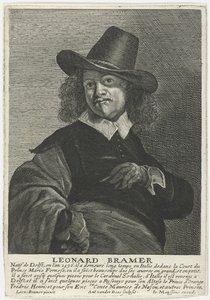
Leonaert Bramer
1596 - 1674 , Países Bajos
Datos clave
- Artistas Que Influyeron:
- Adam Elsheimer
- Agostino Tassi
- Fecha De Muerte: 1674
- Fecha De Nacimiento: 24 de diciembre de 1596
- Lugar De Nacimiento: Delft, Países Bajos
- Movimiento Artístico: Barroco, Pintura de género
- Nacionalidad: Holandés
- Nombre Completo: Leonaert Bramer
- Obras Notables:
- El dolor de Hécuba
- Abraham y los tres ángeles
- Vanitas (Viena)
Artículos relacionados

Reflejos de una Época Dorada: La Pintura Barroca Holandesa y la Innovación Cultural
Descubra la riqueza y el detalle de la pintura barroca holandesa del Siglo de Oro. Explore las obras maestras de Rembrandt, Vermeer y otros artistas clave. Análisis experto e historia cultural.

Los 10 Maestros del Barroco Holandés: Obras que Definen una Época | ArtsDot
Descubre los 10 imprescindibles del Barroco holandés: Rembrandt, Vermeer y más. Explora la historia, técnica y belleza de estas obras maestras. Reproducciones de arte en ArtsDot.com para decorar tu hogar con elegancia.

Los 10 Maestros del Siglo de Oro Holandés: Arte, Historia y Decoración Exclusiva
Descubre los 10 imprescindibles del Siglo de Oro Holandés: Rembrandt, Vermeer y más. Explora la historia, técnica y belleza de estos lienzos clásicos. Encuentra reproducciones de arte exclusivas para decorar tu hogar en .

La Luz y la República: Innovación Artística en el Siglo de Oro Neerlandés
Descubra la innovación artística del Siglo de Oro Neerlandés. Explore las obras maestras de Rembrandt y Vermeer, técnicas revolucionarias y el legado perdurable de este florecimiento cultural. ¡Sumérjase en la luz y la belleza!
Illuminating Realism: Exploring the Dutch Golden Age of Painting (1600-1700)
Explore the Dutch Golden Age of painting (1600-1700) with ArtsDot. Discover Rembrandt, Vermeer & other masters. Learn about techniques, history & find museum-quality reproductions.