Ver en contexto
 Enviar
 Compartir
 Detalles

 Descargar
 Similares
 Radiografía
 Presentación de diapositivas
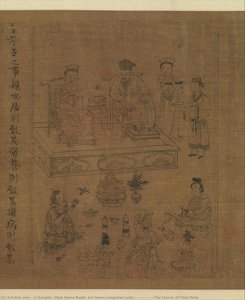
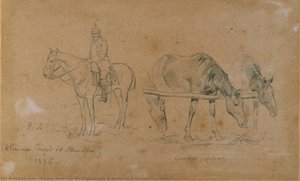
Five Horses

 Ver más
Reproducción al óleo hecha a mano
Óleo sobre lienzo pintado a mano en el tamaño y marco de su elección, realizado por encargo por nuestros artistas. ( Comprar impresión Comprar imagen)




































Elija entre nuestros tamaños predefinidos que respetan las proporciones originales de la obra.

Puede ingresar sus propias dimensiones para adaptarse a un marco o espacio específico. Si el tamaño seleccionado no coincide con las proporciones de la imagen original, recortaremos la obra o extenderemos la pintura con elementos adicionales pintados a mano. Se le enviará una maqueta digital para su aprobación antes de comenzar la producción.
Tenga en cuenta que la vista previa en pantalla no refleja el recorte o la extensión reales. Solo la maqueta mostrará con precisión la composición final.
Si bien existen tamaños personalizados, recomendamos seleccionar una dimensión de la lista predefinida para preservar las proporciones originales.
Tras realizar el pedido, el equipo de ArtsDot.com enviará un correo electrónico al cliente para solicitar instrucciones y proporcionarle una vista previa del boceto.
Envío a todo el mundo () en 3-4 semanas en lugar de las 5 semanas estándar. (26 agosto). Sin comprometer la calidad.

Envío exprés gratuito a todo el mundo

Lienzo de lino de alta calidad

Seguro de envío total

Garantía de reembolso de impuestos aduaneros

Garantía de fidelidad cromática exacta

Política de devolución de 60 días (solo por defectos)

Garantía de devolución del 100% del dinero

Descuento por cantidad
 La opción de vidrio solo está disponible en tamaños inferiores a 110 cm.

Five Horses
Técnica de reproducción
Dimensiones de la reproducción
-


Precio total final
$ 263
Descripción de la obra
Obras relacionadas






Biografía del artista
The Refined Brush of Li Gonglin: A Legacy of Song Dynasty Scholarship
Li Gonglin, formally known as Longmian Jushi (meaning “Old Man with the Dragon Face”), and bearing the style name Boshi, stands as a towering figure in the landscape of Chinese painting during the Northern Song dynasty. Born sometime around 1009 – the exact date remains elusive – his life coincided with a period of immense cultural flourishing, yet also one marked by political turmoil that profoundly shaped his artistic vision. Unlike many artists who enjoyed patronage from the imperial court or wealthy collectors, Li Gonglin’s path was one of scholarly independence and deliberate stylistic choices rooted in a deep reverence for earlier masters. He died in 1085, leaving behind a body of work characterized by meticulous detail, restrained elegance, and an unwavering commitment to representing nature with both accuracy and philosophical depth.Early Life and Scholarly Pursuits
Li Gonglin hailed from a family of modest means but possessed a keen intellect and an insatiable thirst for knowledge. He dedicated his life to the study of calligraphy, painting, poetry, and history, passing the imperial examinations at a relatively late age – a testament to his focused dedication rather than early brilliance. This delay, however, proved formative. It allowed him ample time to cultivate his artistic skills and develop a unique aesthetic sensibility. He was deeply influenced by the intellectual climate of the Song dynasty, which emphasized Neo-Confucianism and a return to classical values. His scholarly background wasn’t merely an accompaniment to his art; it *was* his art. He believed that painting should serve as a vehicle for expressing moral principles and reflecting upon the natural world with profound understanding. He never held high office, preferring instead to live a life of quiet contemplation and artistic creation, traveling extensively throughout China and observing nature firsthand.A Style Forged in Tradition: Embracing the Ancients
Li Gonglin’s painting style is often described as a deliberate revival of earlier traditions, particularly those of the Five Dynasties period (907-960). He consciously rejected the prevailing trends of his time – the opulent and decorative styles favored by many court painters. Instead, he turned to the works of artists like Zhan Ziqian, known for his precise depictions of horses, and Fan Kuan, celebrated for his monumental landscapes. He meticulously copied their paintings, not as an act of imitation but as a form of rigorous training and scholarly investigation. This dedication led him to develop a distinctive technique characterized by fine, controlled brushwork, subtle ink washes, and a remarkable attention to detail. His subjects were primarily landscapes, bamboo, plum blossoms, and horses – all imbued with symbolic meaning deeply rooted in Chinese culture. Horses, for example, represented strength, loyalty, and the spirit of freedom, while bamboo symbolized resilience, integrity, and scholarly virtue.Major Achievements and Artistic Characteristics
Li Gonglin’s most celebrated works demonstrate his mastery of ink painting techniques and his ability to convey both physical reality and philosophical depth. His landscapes are not simply representations of scenic views; they are carefully constructed compositions that evoke a sense of tranquility, harmony, and the interconnectedness of all things. He employed a technique known as “dabi” (large brush) combined with “xiaomo” (light ink), creating paintings with layered textures and subtle tonal variations. His bamboo paintings are equally remarkable for their delicate lines, expressive forms, and evocative atmosphere.- The Pine Tree in the Clouds: This painting exemplifies his ability to capture the essence of nature through minimalist brushwork.
- Horses Grazing in a Pasture: A testament to his meticulous observation and understanding of equine anatomy.
- Landscape after Fan Kuan: Demonstrates his reverence for earlier masters while showcasing his own unique style.
Historical Significance and Enduring Legacy
Li Gonglin’s influence on subsequent generations of Chinese painters is immeasurable. He established a new standard for scholarly painting, emphasizing the importance of intellectual rigor, technical mastery, and moral integrity. His deliberate rejection of prevailing trends paved the way for a revival of classical styles and inspired countless artists to pursue their own unique visions. He is considered one of the “Four Masters of the Song Dynasty,” alongside Guo Xi, Wang Meng, and Fan Kuan – a testament to his enduring legacy and profound impact on Chinese art history. His paintings continue to be admired today for their beauty, elegance, and philosophical depth, serving as a powerful reminder of the importance of tradition, scholarship, and artistic excellence. He didn’t just paint what he saw; he painted what he *understood*, imbuing his works with a timeless quality that resonates with viewers centuries later.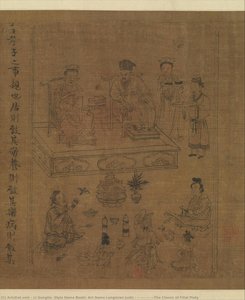
Datos clave
- Art Name: Longmian Jushi
- Artistic Movement Or Style: Song Dynasty painting
- Date Of Birth: (Unknown)
- Date Of Death: Living
- Full Name: Li Gonglin
- Notable Artworks:
- Pine and Crane in Snow
- Lofty Bamboo
- Nine Dragons Scroll
- Style Name: Boshi