

 Ver en contexto
 Enviar
 Compartir
 Detalles

 Descargar
 Similares
 Radiografía
 Presentación de diapositivas
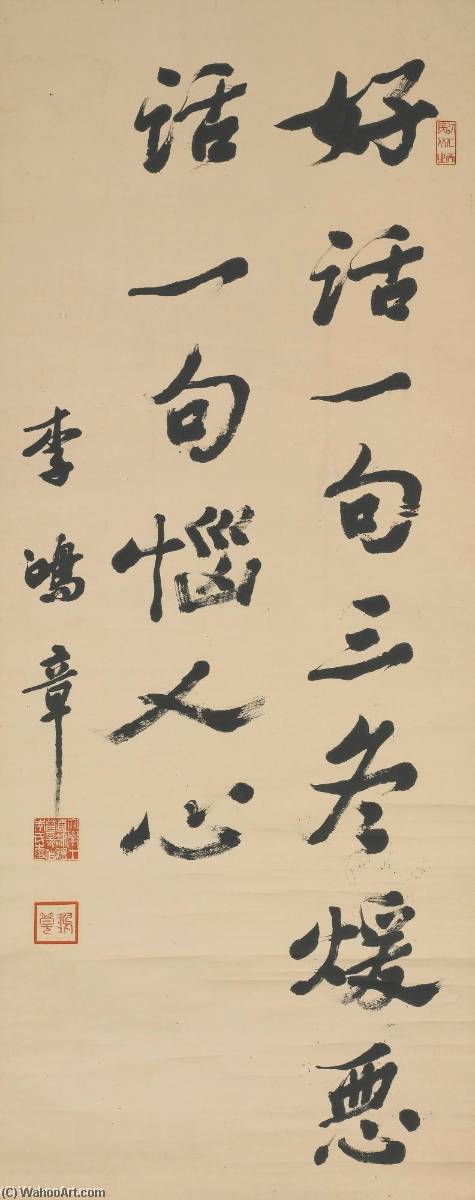
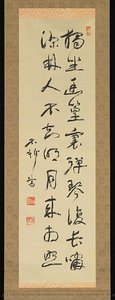
CALLIGRAPHY IN RUNNING SCRIPT
 134.0 x 31.0 cm
 Ver más
Giclée / Impresión de arte
Impresiones giclée o en lienzo de calidad de museo con producción rápida y opciones de acabado flexibles. ( Comprar pintura hecha a mano Comprar imagen)




































Elija entre nuestros tamaños predefinidos que respetan las proporciones originales de la obra.

Puede introducir sus propias dimensiones para adaptarse a un marco o espacio específico. Si el tamaño seleccionado no coincide con las proporciones de la imagen original, recortaremos la obra de arte o extenderemos la imagen con un borde con efecto espejo o de color sólido. Se enviará una maqueta digital para su aprobación antes de que comience la producción.
Tenga en cuenta que la vista previa en pantalla no refleja el recorte o la extensión real. Solo la maqueta mostrará con precisión la composición final.
Aunque existen tamaños personalizados, recomendamos seleccionar una dimensión de la lista predefinida para preservar las proporciones originales.
Envío a todo el mundo () en 2 semanas en lugar de las 4/5 semanas estándar. (26 agosto)

Envío exprés gratuito a todo el mundo

Lienzo de lino de alta calidad

Seguro de envío total

Garantía de reembolso de impuestos aduaneros

Garantía de fidelidad cromática exacta

Política de devolución de 60 días (solo por defectos)

Garantía de devolución del 100% del dinero

Descuento por cantidad
 La opción de vidrio solo está disponible en tamaños inferiores a 110 cm.

CALLIGRAPHY IN RUNNING SCRIPT
Giclée / Impresión de arte
Dimensiones de la reproducción
-


Precio total final
$ 62
Obras relacionadas




Biografía del artista
Li Hongzhang: A Pioneer of Modernization Amidst Imperial Decline
Li Hongzhang (1823-1901) stands as a singular figure in Qing Dynasty China—a diplomat, military strategist, and statesman who championed Western ideas while simultaneously grappling with the complexities of preserving Chinese traditions. His life’s trajectory embodies the turbulent era of reform and reaction that defined the final decades of imperial rule, leaving an indelible mark on both Chinese history and artistic expression. ### Early Life and Education: Seeds of Reform Born in Hefei, Anhui Province, Li Hongzhang descended from a family steeped in Confucian scholarship—a tradition that would profoundly shape his worldview. His father, Li Xianzuo, held the prestigious title of “advanced scholar,” demonstrating exceptional mastery of classical texts and ethics. This familial influence instilled in Li Hongzhang a deep respect for Confucian values while simultaneously fostering intellectual curiosity. Recognizing the need for Western knowledge to propel China forward, he pursued his education diligently at the Hanlin Academy in Beijing—the imperial institution responsible for training elite officials—where he excelled in languages and history. ### Military Service and Confrontation with Reformers Li Hongzhang’s military career began modestly but quickly ascended due to his strategic brilliance during the Taiping Rebellion (1850-1864). He distinguished himself as a commander, demonstrating courage and tactical acumen—qualities that earned him admiration from both contemporaries and future historians. However, Li Hongzhang's unwavering commitment to Westernization clashed with the conservative faction dominating the Qing court led by Zeng Guofan, who advocated for maintaining traditional Confucian principles. This ideological rift fueled tensions within the government and underscored the broader struggle between reformists and reactionaries that characterized the period. ### Viceroyal Reforms: Shaping Zhili Province Li Hongzhang’s appointment as Viceroy of Zhili (1862-1873) marked a pivotal moment in his career—and arguably, in Chinese history. Recognizing Zhili's vulnerability to internal unrest and external threats, Li Hongzhang embarked on ambitious reforms aimed at bolstering the province’s economy, strengthening its military defenses, and promoting education. He initiated groundbreaking initiatives in infrastructure development, establishing railways and factories—bold steps that challenged the prevailing stagnation of Qing governance. Furthermore, he championed the modernization of Zhili’s educational system, attracting Western teachers and fostering a new generation of intellectuals committed to embracing scientific advancements. ### Diplomatic Engagement and Sino-Japanese Relations: Navigating Turbulent Waters Li Hongzhang's diplomatic prowess shone during his tenure as Viceroy of Huguang (1873-1875) and Liangguang (1875-1901), where he skillfully navigated the escalating tensions between China and Japan. His unwavering stance against Japanese expansionism—particularly following the Sino-Japanese War of 1894–95—became a symbol of resistance to Western encroachment. Despite facing criticism from within China for prioritizing diplomatic considerations over military preparedness, Li Hongzhang’s efforts to forge alliances with Russia—a rival to Japan—represented an attempt to bolster China's security and safeguard its interests in the face of imperial decline. ### Artistic Legacy: Calligraphy as Expression of Thought Li Hongzhang’s artistic pursuits centered primarily on calligraphy—a practice deeply rooted in Confucian tradition that served as a medium for conveying philosophical ideas and aesthetic sensibilities. He mastered the running script (流書), a dynamic style characterized by its flowing brushstrokes and expressive rhythm—a technique favored by prominent poets like Su Shi (Shi Daoqi). His calligraphic compositions reflected his intellectual convictions, embodying principles of harmony, balance, and moral integrity. These works stand as testament to Li Hongzhang’s belief that art could serve as a catalyst for social reform and cultural renewal—a conviction that resonated throughout his life and continues to inspire admiration among scholars and connoisseurs today. ### Historical Significance: A Complex Figure in Modern China's Narrative Li Hongzhang remains a controversial figure in Chinese historiography—a champion of modernization viewed by some as visionary but criticized by others for prioritizing Western influence over traditional values. Nevertheless, he undeniably played a crucial role in shaping the trajectory of Qing Dynasty China and laying the groundwork for its eventual transformation into the modern nation-state it is today. His legacy endures not only in the annals of military history but also in the realm of artistic expression—a reminder that even amidst imperial decline, individuals could strive to elevate Chinese culture and safeguard its identity against the tide of Westernization.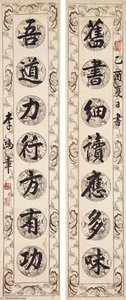
li hongzhang
1823 - 1901
Datos clave
- Artistic Movement Or Style: Late Qing Dynasty
- Artists Or Movements Influenced By This Artist: ['Westernization movement']
- Artists Who Influenced This Artist: ['Zeng Guofan']
- Date Of Birth: February 15, 1823
- Date Of Death: November 7, 1901
- Full Name: Li Hongzhang
- Nationality: Chinese
- Notable Artworks:
- Très grand portrait du vice-roi du Petcheli
- Su Shi's Poem in Running Script
- Place Of Birth: Hefei, Anhui Province

