

 Vista previa
 Compartir
 Compartir
 Ver detalles

 Descargar
 Ver similares
 Radiografía
 Presentación de diapositivas
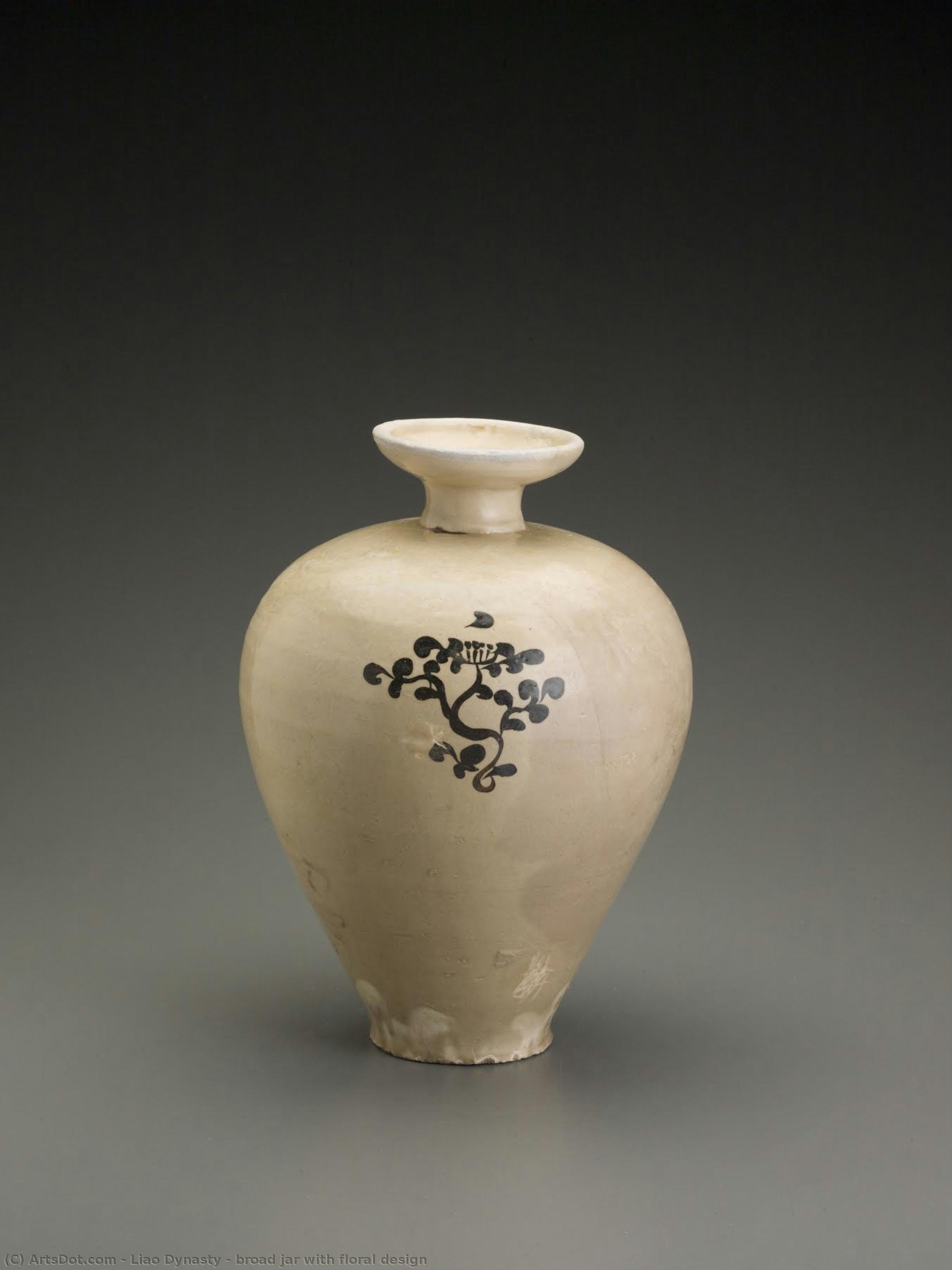
broad jar with floral design


 Leer más
Reproducción al óleo hecha a mano
Óleo sobre lienzo pintado a mano en el tamaño y marco de su elección, realizado por encargo por nuestros artistas. ( Pedir impresión Comprar descarga)




































Elija entre nuestros tamaños predefinidos que respetan las proporciones originales de la obra.

Puede ingresar sus propias dimensiones para adaptarse a un marco o espacio específico. Si el tamaño seleccionado no coincide con las proporciones de la imagen original, recortaremos la obra o extenderemos la pintura con elementos adicionales pintados a mano. Se le enviará una maqueta digital para su aprobación antes de comenzar la producción.
Tenga en cuenta que la vista previa en pantalla no refleja el recorte o la extensión reales. Solo la maqueta mostrará con precisión la composición final.
Si bien existen tamaños personalizados, recomendamos seleccionar una dimensión de la lista predefinida para preservar las proporciones originales.
Tras realizar el pedido, el equipo de ArtsDot.com enviará un correo electrónico al cliente para solicitar instrucciones y proporcionarle una vista previa del boceto.
Envío a todo el mundo () en 3-4 semanas en lugar de las 5 semanas estándar. (22 agosto). Sin comprometer la calidad.

Envío exprés gratuito a todo el mundo

Lienzo de lino de alta calidad

Seguro de envío completo

Garantía de reembolso de aranceles aduaneros

Garantía de fidelidad cromática exacta

Política de devolución de 60 días (solo por defectos)

Garantía de devolución del 100% del dinero

Oferta por volumen
 La opción de vidrio solo está disponible en tamaños inferiores a 110 cm.

broad jar with floral design
Técnica de reproducción
Tamaño de la reproducción
-


Precio total
$ 263
Obras relacionadas










Biografía del artista
Liao Dynasty: A Fusion of Cultures
The Liao dynasty (916–1125) stands as a pivotal moment in Chinese history, marking the ascendancy of nomadic Khitans who reshaped the political landscape and artistic traditions of Northern China. Unlike many dynasties that emerged from centralized imperial power, the Liao arose from a coalition of tribes united by ambition and driven by the legacy of earlier Turkic migrations—a testament to the dynamism of Eurasia during the tenth century. Its rulers skillfully blended Khitan customs with Chinese administrative practices, creating a unique cultural synthesis that profoundly impacted art, literature, and social life. This fusion is not merely superficial; it represents a fundamental reimagining of governance and artistic expression—a legacy that continues to resonate within Chinese art history today. Origins & Rise: Following the Tang dynasty’s collapse, Khitan clans coalesced around Yelü Chuočóng (907–946), establishing the Liao state with its capital at Shangjing (modern Inner Mongolia). Chuočóng's astute diplomacy secured alliances and expanded Liao territory, laying the groundwork for a period of unprecedented stability and prosperity. Recognizing that military strength alone could not guarantee success, he prioritized cultivating relationships with neighboring states—a shrewd strategy that ensured Liao’s survival amidst turbulent times. The Khitan leadership understood that legitimacy rested not solely on conquest but also on demonstrating cultural sophistication—a conviction that would shape Liao policy for decades to come. Cultural Synthesis: The Liao emperors embraced Chinese culture—adopting titles, commissioning monumental architecture modeled on Tang palaces, and fostering Confucian scholarship—demonstrating an understanding that true power resided in more than just military might. This deliberate emulation of Tang traditions served as a powerful symbol of imperial authority and signaled Liao’s commitment to upholding Confucian values—a cornerstone of Chinese social order. The resulting artistic output is breathtaking: monumental sculptures adorned with gilded dragons and phoenixes, elaborate temples reflecting the grandeur of Tang imperial complexes, and exquisitely crafted ceramics bearing motifs drawn from classical Chinese iconography. These endeavors underscore Liao’s ambition to elevate itself as a beacon of civilization alongside its more established counterpart. Artistic Achievements: Liao artists excelled in calligraphy, painting, sculpture, and ceramics—a remarkable testament to their technical prowess and creative vision. Landscape paintings—particularly those depicting misty mountains and serene lakes—became a hallmark of Liao artistic expression, reflecting the Khitans’ reverence for nature and their desire to portray idealized beauty. Artists meticulously rendered details with astonishing precision, capturing subtle nuances of light and shadow—skills honed through centuries of tradition. The use of vibrant colors—especially jade green and azure blue—further enhanced the paintings' expressive power, conveying profound spiritual contemplation. Moreover, Liao sculptors produced monumental statues depicting Buddhist deities and imperial rulers—works that embody Liao’s artistic ambition and its commitment to religious piety. Notable Works: Among the most celebrated Liao artworks are “Broad Jar with Floral Design” and “Fictitious Circular Head and Fictitious City Sky,” masterpieces that exemplify the dynasty’s artistic ideals. These pieces demonstrate a sophisticated understanding of perspective, color theory, and compositional balance—skills honed through centuries of tradition. The jar's floral motif speaks to Khitan appreciation for natural beauty, while the celestial imagery reflects Liao emperors' aspirations for divine legitimacy. These artworks stand as enduring symbols of Liao artistic achievement—testaments to the dynasty’s ability to synthesize disparate influences into a singular aesthetic vision. Decline & Legacy: Despite its cultural accomplishments and impressive artistic output, the Liao dynasty faced mounting challenges from rival Jin dynasties and Mongol incursions. By 1125, Jurchen forces decisively defeated Liao armies at Shangjing, marking the end of Khitan rule in China—a tragic conclusion to a remarkable chapter in Eurasian history. However, Liao art continued to inspire subsequent generations of artists, preserving a distinctive aesthetic that endured for centuries after its demise—a lasting testament to the Liao dynasty’s contribution to Chinese artistic heritage and demonstrating how cultural synthesis can shape artistic expression across eras.
Liao Dinastía
1125 , China
Datos clave
- Artistic Movement Or Style: Khitan Painting
- Artists Who Influenced This Artist:
- Jurchen
- Song Dynasty
- Date Of Death: 1125
- Full Name: Liao Dynasty
- Nationality: Chinese
- Notable Artworks:
- Broad Jar with Floral Design
- Fictitious Circular Head and Fictitious City Sky
- Place Of Birth: Northern China

