

 Ver en contexto
 Enviar
 Compartir
 Detalles

 Descargar
 Similares
 Radiografía
 Presentación de diapositivas
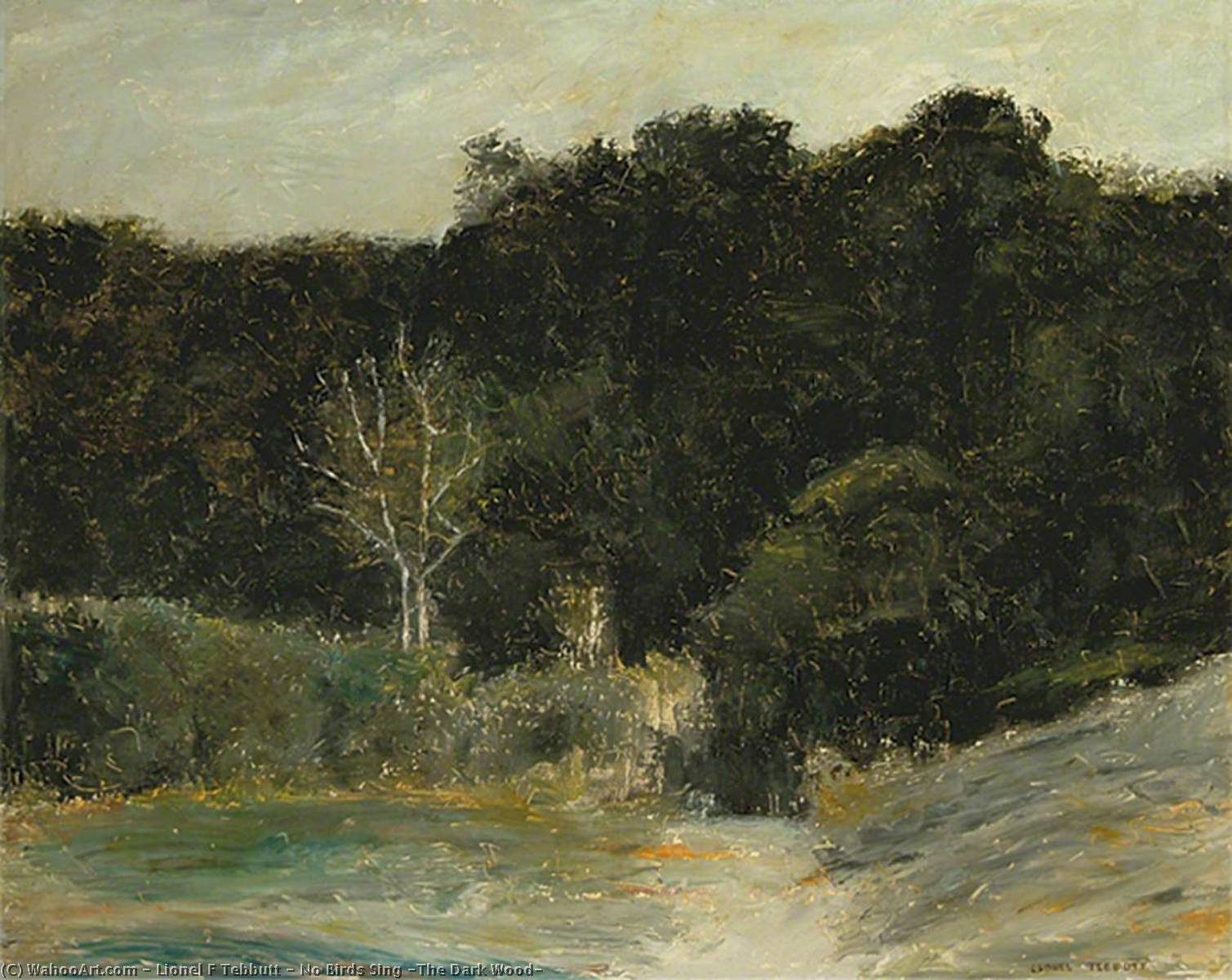
No Birds Sing (The Dark Wood)
 40.0 x 50.0 cm
 Galería de Arte Rye
 Ver más
Reproducción al óleo hecha a mano
Óleo sobre lienzo pintado a mano en el tamaño y marco de su elección, realizado por encargo por nuestros artistas. ( Comprar impresión Comprar imagen)




































Elija entre nuestros tamaños predefinidos que respetan las proporciones originales de la obra.

Puede ingresar sus propias dimensiones para adaptarse a un marco o espacio específico. Si el tamaño seleccionado no coincide con las proporciones de la imagen original, recortaremos la obra o extenderemos la pintura con elementos adicionales pintados a mano. Se le enviará una maqueta digital para su aprobación antes de comenzar la producción.
Tenga en cuenta que la vista previa en pantalla no refleja el recorte o la extensión reales. Solo la maqueta mostrará con precisión la composición final.
Si bien existen tamaños personalizados, recomendamos seleccionar una dimensión de la lista predefinida para preservar las proporciones originales.
Tras realizar el pedido, el equipo de ArtsDot.com enviará un correo electrónico al cliente para solicitar instrucciones y proporcionarle una vista previa del boceto.
Envío a todo el mundo () en 3-4 semanas en lugar de las 5 semanas estándar. (4 septiembre). Sin comprometer la calidad.

Envío exprés gratuito a todo el mundo

Lienzo de lino de alta calidad

Seguro de envío total

Garantía de reembolso de impuestos aduaneros

Garantía de fidelidad cromática exacta

Política de devolución de 60 días (solo por defectos)

Garantía de devolución del 100% del dinero

Descuento por cantidad
 La opción de vidrio solo está disponible en tamaños inferiores a 110 cm.

No Birds Sing (The Dark Wood)
Técnica de reproducción
Dimensiones de la reproducción
-


Precio total final
$ 263
Obras relacionadas









Biografía del artista
A Visionary of the Iron Road and Impressionist Light
Lionel F Tebbutt stands as a singular figure in British art history—a master of railway landscapes and a devoted advocate for the expressive potential of Impressionistic technique. Born in London in 1865, Tebbutt was shaped by an environment steeped in artistic tradition; his father, a sculptor, provided an early foundation in the nuances of form and composition. He later honed his skills at the prestigious Slade School of Fine Art, studying under the legendary Frederic Leighton. While the Beaux Arts aesthetic of his mentor offered him a rigorous academic grounding, Tebbutt’s true passion lay elsewhere. He found himself increasingly drawn to the burgeoning Impressionist movement, finding more truth in the fleeting dance of light and color than in the rigid formalism of the academy.
This pivotal decision to embrace an Impressionistic vocabulary would define his entire artistic trajectory. Rather than seeking the idealized, pastoral stillness often favored by his contemporaries, Tebbutt turned his gaze toward the transformative power of industrialization. He became a pioneer of what might be called Railway Impressionism, capturing the raw energy and rhythmic movement of the Edwardian era. His canvases do not merely document machines; they capture the very soul of progress. Through his eyes, we see locomotives steaming through misty mornings, the heavy atmosphere of stations bustling with life, and the dynamic interplay between man-made steel and the natural elements.
The Artistry of Motion and Atmosphere
Tebbutt’s technique was a sophisticated marriage of meticulous observation and spontaneous brushwork. He possessed a rare ability to blend the painstaking realism required to render the mechanical details of trains and tracks with the fluid, textured strokes characteristic of the Impressionists. This duality allowed him to convey both the physical weight of the industrial age and the ephemeral beauty of the atmosphere surrounding it. His work often explores themes of:
- The Dynamism of Industry: Capturing the power and momentum of steam engines and the expanding railway networks.
- Atmospheric Light: Utilizing soft, diffused light to create mood, whether in the heavy fog of a London morning or the bright clarity of a coastal vista.
- Global Landscapes: Extending his vision beyond Britain to capture evocative scenes from Hong Kong and China, such as the serene Deep Water Bay.
- Maritime Serenity: Finding quietude in harbor scenes and yacht races, where the movement of water meets the structure of the coast.
His palette was deeply sensitive to the changing qualities of light, often employing a range of tones that could shift from the somber, soot-stained grays of industrial hubs to the vibrant, luminous hues of distant, sun-drenched landscapes. This versatility allowed him to move seamlessly between the gritty reality of the railway and the tranquil beauty of the natural world.
Legacy and Historical Significance
Though much of his work remained largely unrecognized during his lifetime, the historical significance of Lionel F Tebbutt has grown as we look back upon the era he so vividly documented. He serves as a vital visual chronicler of a period when the world was being fundamentally reshaped by technology. His paintings are more than mere landscapes; they are emotional archives of a bygone age, preserving the sense of wonder and the frantic energy of the early twentieth century.
Today, Tebbutt is celebrated for his unique ability to find beauty in the industrial. He challenged the notion that art must only focus on the timeless and the pastoral, proving instead that the smoke, steam, and steel of the modern age possessed a profound aesthetic dignity. His legacy lives on in the way we perceive the intersection of human progress and the natural environment, reminding us that even in the midst of rapid change, there is a lasting, poetic grace to be found.
Datos clave
- Artistic Movement Or Style: Impressionism
- Date Of Death: Living
- Full Name: Lionel F Tebbutt
- Nationality: British
- Notable Artworks:
- Deep Water Bay, Hong Kong
- Yacht Race at Rye Harbour, East Sussex
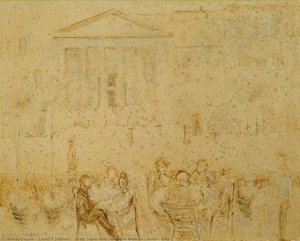
- Street Scene with Temple of Minerva, Assisi
- Place Of Birth: England

