

 Ver en contexto
 Enviar
 Compartir
 Detalles

 Descargar
 Similares
 Radiografía
 Presentación de diapositivas
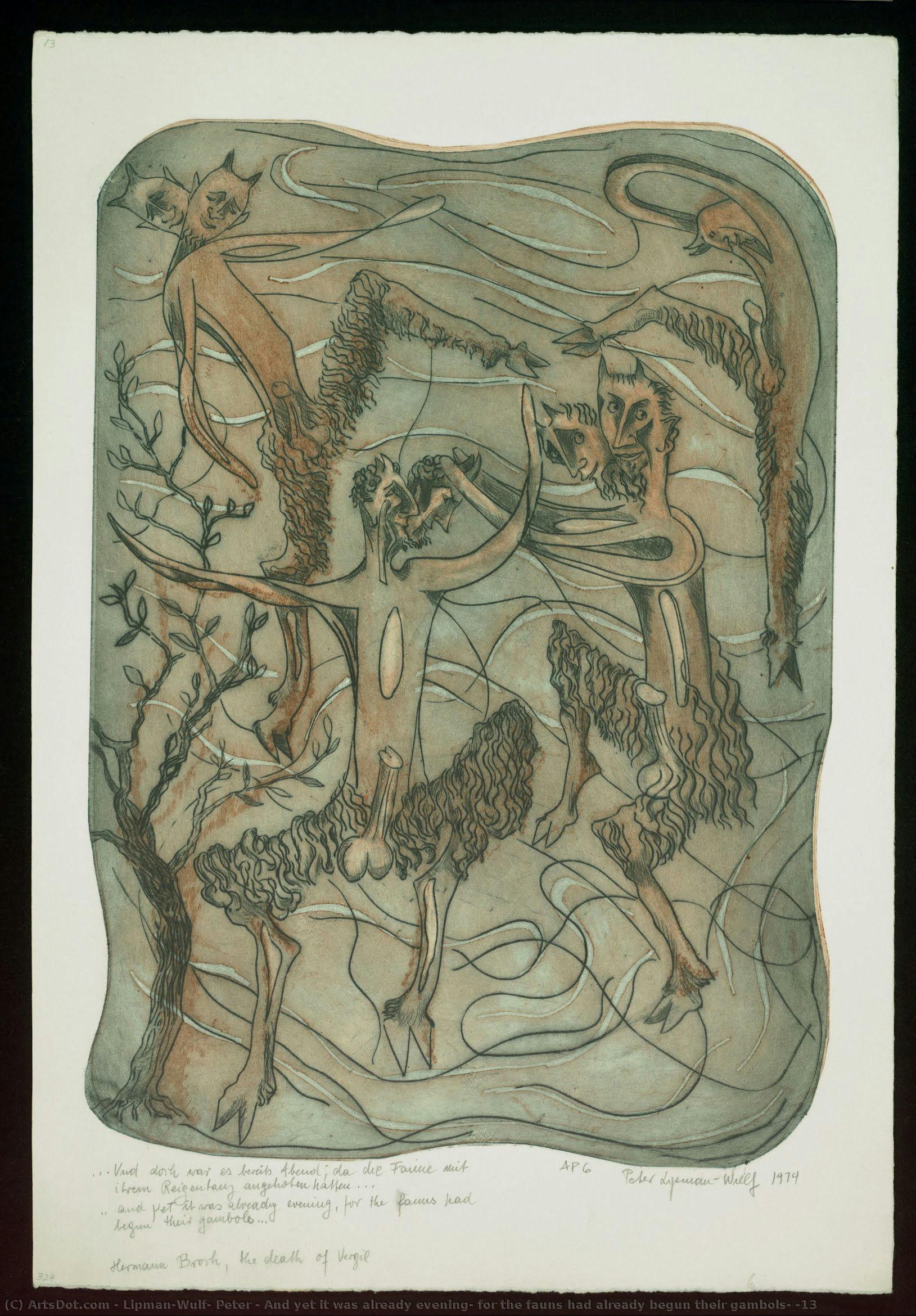
And yet it was already evening, for the fauns had already begun their gambols, #13
 German Expressionism
 1974
1974- Modern
 37.0 x 55.0 cm
 Instituto Leo Baeck
 Ver más
Giclée / Impresión de arte
Impresiones giclée o en lienzo de calidad de museo con producción rápida y opciones de acabado flexibles. ( Comprar pintura hecha a mano Comprar imagen)




P118B $10

P118H $10

P118W $10

P438Z $10

P508JH $12

P508YH $12

P805H $10

P805Z $10

P919BZ $10

P919G $10

P919XJ $10

P959ZH $10

P968JZ $12

W106C $8

W218G $10

W218JH $8

W218Y $10

W307PJ $10

W316G $10

W316PJ $8

W316Y $10

W398PJ $8

W4111J $10

W500HY $15

W500JH $15

W692G $12

W849H $8

W940BG $15

W953PJ $8




Elija entre nuestros tamaños predefinidos que respetan las proporciones originales de la obra.

Puede introducir sus propias dimensiones para adaptarse a un marco o espacio específico. Si el tamaño seleccionado no coincide con las proporciones de la imagen original, recortaremos la obra de arte o extenderemos la imagen con un borde con efecto espejo o de color sólido. Se enviará una maqueta digital para su aprobación antes de que comience la producción.
Tenga en cuenta que la vista previa en pantalla no refleja el recorte o la extensión real. Solo la maqueta mostrará con precisión la composición final.
Aunque existen tamaños personalizados, recomendamos seleccionar una dimensión de la lista predefinida para preservar las proporciones originales.
Envío a todo el mundo () en 2 semanas en lugar de las 4/5 semanas estándar. (24 agosto)

Envío exprés gratuito a todo el mundo

Lienzo de lino de alta calidad

Seguro de envío total

Garantía de reembolso de impuestos aduaneros

Garantía de fidelidad cromática exacta

Política de devolución de 60 días (solo por defectos)

Garantía de devolución del 100% del dinero

Descuento por cantidad
 La opción de vidrio solo está disponible en tamaños inferiores a 110 cm.

And yet it was already evening, for the fauns had already begun their gambols, #13
Giclée / Impresión de arte
Dimensiones de la reproducción
-


Precio total final
$ 62
Descripción de la pieza
A Twilight Dance of Myth and Motion
In the evocative piece And yet it was already evening, for the fauns had already begun their gambols, #13, Peter Lipman-Wulf invites us into a dreamscape where the boundaries between the human and the mythological dissolve under the soft light of dusk. Created in 1974, this work serves as a profound meditation on the transition from day to night, capturing that fleeting, magical moment when the mundane world yields to the whimsy of legend. The composition is alive with a rhythmic energy; horses and birds share the canvas with human figures, creating a dynamic tapestry of interaction. There is a palpable sense of movement—a "gambol" as the title suggests—that pulls the viewer into a scene where nature and spirit are inextricably linked.
The artist’s mastery lies in his ability to blend German Expressionist roots with a uniquely American sensibility, a duality shaped by his life's journey from Berlin to New York. In this work, we see the influence of bold lines and a structured approach to form, yet there is an underlying softness that suggests the encroaching shadows of evening. The way the figures are positioned—some central and commanding, others receding into the background—creates a deep, immersive space that feels both intimate and expansive. For the collector or interior designer, this painting offers more than just visual beauty; it provides a narrative depth that can serve as a sophisticated focal point in any curated space.
Symbolism and the Expressionist Soul
Beyond its surface beauty, the painting is rich with symbolic resonance. The presence of the fauns—mythological creatures of nature and fertility—signals a return to primal instincts and the untamed joy of existence. As evening falls, the "gambols" represent a release from the structured constraints of daylight productivity, moving instead into a realm of play and instinct. The interplay between the animals and the humans suggests a harmonious, perhaps even nostalgic, vision of a world where man is not separate from the wild, but a participant in its seasonal rhythms. This theme of coexistence is particularly poignant when considering Lipman-Wulf’s own history of migration and adaptation.
The emotional impact of the piece is one of gentle enchantment. It does not demand attention through jarring colors or aggressive strokes, but rather seduces the eye with its atmospheric nuance. The monochromatic essence captured in many reproductions of this work emphasizes the structural elegance of his technique, highlighting the interplay of light and shadow that defines the twilight hour. For those seeking to bring a sense of timelessness and intellectual curiosity into their homes, this reproduction offers a window into a world where every shadow holds a story and every movement is a dance of the soul.
Obras relacionadas
Biografía del artista
early life and education
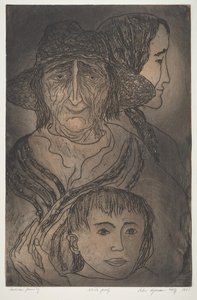
Peter Lipman-Wulf (1905-1993) fue un escultor y grabado alemán nacido en Berlín, Alemania. Su padre, abogado, y su madre, escultora y pintorretratoista, inculcaron en él desde temprana edad una apreciación por las artes. Lipman-Wulf estudió en la Academia de Berlín, estableciendo así los fundamentos para sus futuros esfuerzos artísticos.
artistic career and migration
En 1933, con el ascenso del régimen nazi, Lipman-Wulf abandonó Alemania, inmigrando a Estados Unidos. Este movimiento decisivo marcó un cambio significativo en su carrera, convirtiéndose en profesor en la Universidad Adelphi en Garden City, NY.
artistic style and influences
El trabajo de Lipman-Wulf, caracterizado por sus tonos expresionistas, refleja la época turbulenta en que vivió. Sus esculturas y grabados, frecuentemente con líneas audaces y colores vibrantes, demuestran una mezcla única entre el expresionismo alemán y las influencias estadounidenses.
notable works and collections
Las obras de Lipman-Wulf se encuentran en diversas colecciones, incluyendo la Colección Lippmann (Berlín, Alemania), que muestra una amplia gama de estilos y períodos artísticos. Sus grabados y aguafrescos, como los que aparecen en la Colección Lippmann, evidencian su dominio técnico. Similar a las obras de Ernst Ludwig Kirchner, como Variedad Danzaría, las piezas de Lipman-Wulf suelen capturar la esencia de la experiencia humana.
legacy and later life
Lipman-Wulf falleció el 25 de septiembre de 1993, en Hamburgo, Alemania. Sin embargo, su legado perdura a través de su arte, que sigue inspirando nuevas generaciones.
Peter Lipman-Wulf
1905 - 1993 , Alemania
Datos clave
- Artistic Movement Or Style: Expressionism
- Artists Or Movements Influenced By This Artist: ['German Expressionism']
- Artists Who Influenced This Artist: ['Ernst Ludwig Kirchner']
- Date Of Birth: April 27, 1905
- Date Of Death: September 25, 1993
- Full Name: Peter Lipman-Wulf
- Nationality: German
- Notable Artworks:
- Fire--The Descent, #3
- In its foliage, leaf by leaf, thickly gathered as dew-drops sat, #8
- The night circled in its immense space, the orb turned by Atlas, #4
- Place Of Birth: Berlin, Germany
Artículos relacionados
Animalia: Explorando la Presencia Duradera de los Animales en el Arte y el Diseño de Interiores
Descubre la fascinante historia de los animales en el arte y cómo inspirar tu hogar con su simbolismo. Expertos en reproducciones y asesoramiento artístico.
Expresionismo Alemán: 10 Obras Maestras que Transformaron el Arte | ArtsDot
Descubre las 10 obras maestras del Expresionismo Alemán: Kirchner, Munch y más. Explora la historia, técnica y emoción detrás de estos lienzos icónicos. Reproducciones de arte de museo en ArtsDot.com. ¡Inspira tu hogar con arte!
The Noble Steed on Canvas: A Historical & Artistic Exploration of Horse Painting Across Cultures
Explore the rich history of horse painting! Discover masterpieces from Stubbs to Munnings & learn about symbolism, techniques & artists. Find museum-quality reproductions at ArtsDot.
The Noble Steed: A Historical and Artistic Exploration of Horses in Fine Art
Explore the rich history of horses in fine art! From ancient depictions to Renaissance masterpieces & beyond, discover iconic artworks and artists. Learn about symbolism, techniques, and find museum-quality reproductions at ArtsDot.
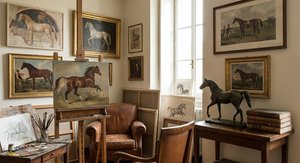
The Equine Muse: A Historical & Artistic Exploration of Horses in Painting
Explore the captivating history of horses in painting! Discover Renaissance masterpieces, Baroque grandeur & expert insights for collecting equestrian art. Learn about symbolism, techniques & lasting value with ArtsDot.

