 Vista previa
 Compartir
 Compartir
 Ver detalles

 Descargar
 Ver similares
 Radiografía
 Presentación de diapositivas
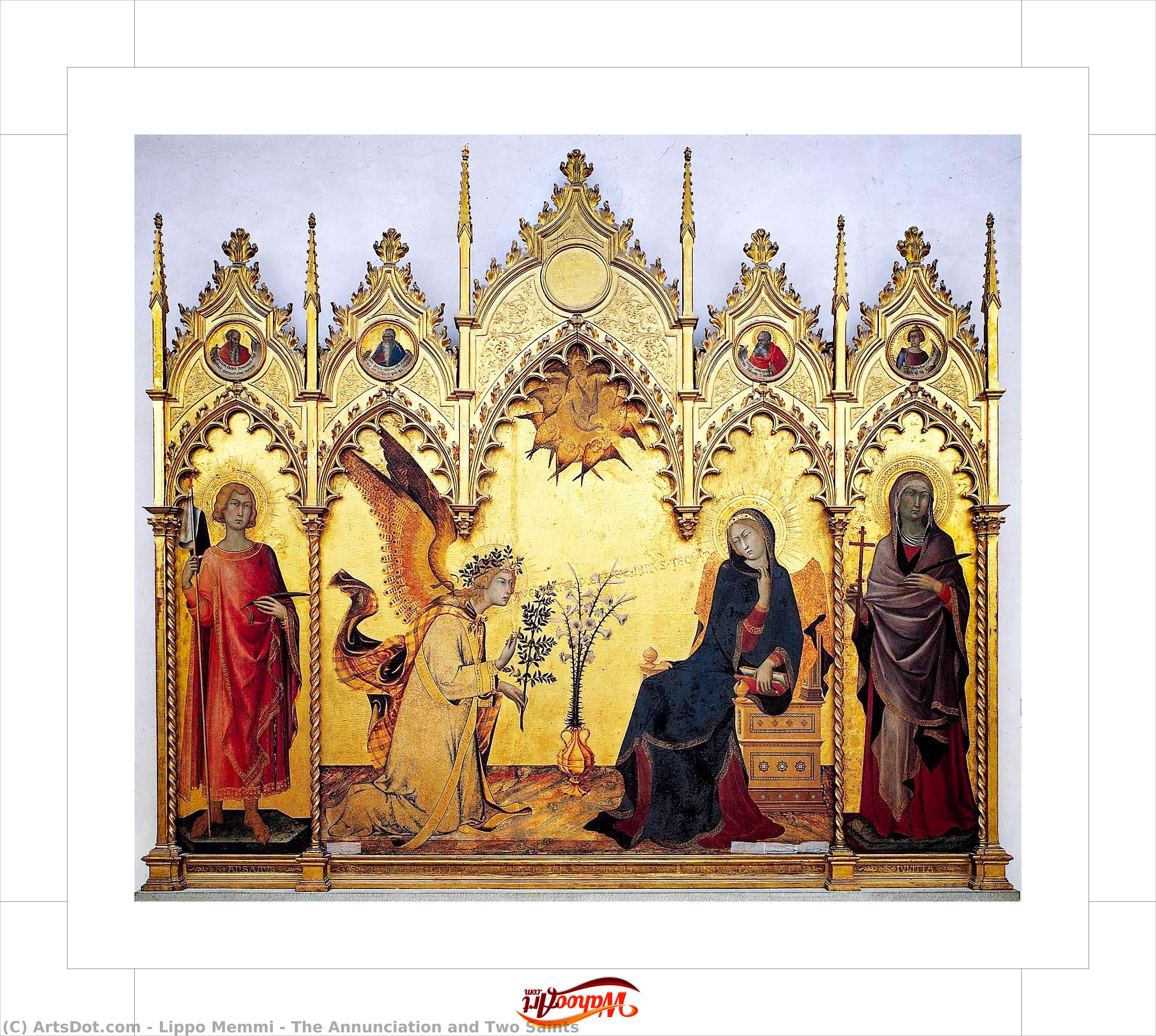
The Annunciation and Two Saints
 International Gothic
 1333
1333 184.0 x 210.0 cm
 Galería de los Uffizi
 Leer más
Reproducción al óleo hecha a mano
Óleo sobre lienzo pintado a mano en el tamaño y marco de su elección, realizado por encargo por nuestros artistas. ( Pedir impresión Comprar descarga)




P118B $10

P118H $10

P118W $10

P438Z $10

P508JH $12

P508YH $12

P805H $10

P805Z $10

P919BZ $10

P919G $10

P919XJ $10

P959ZH $10

P968JZ $12

W106C $8

W218G $10

W218JH $8

W218Y $10

W307PJ $10

W316G $10

W316PJ $8

W316Y $10

W398PJ $8

W4111J $10

W500HY $15

W500JH $15

W692G $12

W849H $8

W940BG $15

W953PJ $8




Elija entre nuestros tamaños predefinidos que respetan las proporciones originales de la obra.

Puede ingresar sus propias dimensiones para adaptarse a un marco o espacio específico. Si el tamaño seleccionado no coincide con las proporciones de la imagen original, recortaremos la obra o extenderemos la pintura con elementos adicionales pintados a mano. Se le enviará una maqueta digital para su aprobación antes de comenzar la producción.
Tenga en cuenta que la vista previa en pantalla no refleja el recorte o la extensión reales. Solo la maqueta mostrará con precisión la composición final.
Si bien existen tamaños personalizados, recomendamos seleccionar una dimensión de la lista predefinida para preservar las proporciones originales.
Tras realizar el pedido, el equipo de ArtsDot.com enviará un correo electrónico al cliente para solicitar instrucciones y proporcionarle una vista previa del boceto.
Envío a todo el mundo () en 3-4 semanas en lugar de las 5 semanas estándar. (20 agosto). Sin comprometer la calidad.

Envío exprés gratuito a todo el mundo

Lienzo de lino de alta calidad

Seguro de envío completo

Garantía de reembolso de aranceles aduaneros

Garantía de fidelidad cromática exacta

Política de devolución de 60 días (solo por defectos)

Garantía de devolución del 100% del dinero

Oferta por volumen
 La opción de vidrio solo está disponible en tamaños inferiores a 110 cm.

The Annunciation and Two Saints
Técnica de reproducción
Tamaño de la reproducción
-


Precio total
$ 263
Descripción de la obra
The Annunciation and Two Saints: A Gothic Masterpiece of Siena
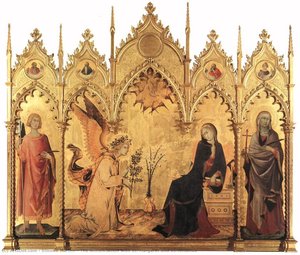
Within the hallowed halls of the Galleria degli Uffizi in Florence resides “The Annunciation and Two Saints,” a painting that transcends mere religious depiction, blossoming into a profound meditation on grace, divine communication, and the burgeoning beauty of the International Gothic style. Attributed primarily to Lippo Memmi, yet undeniably shaped by his brother-in-law Simone Martini’s influence, this tempera-on-wood artwork from 1333 offers a captivating glimpse into the artistic heart of Siena during a pivotal moment in European art history.
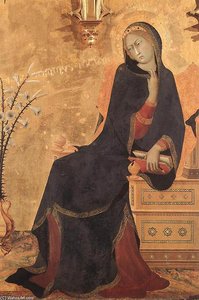
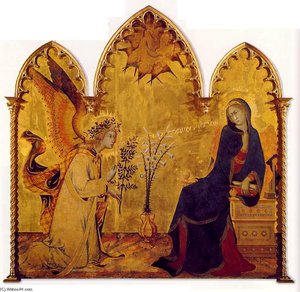
The scene unfolds with an almost startling immediacy. The Archangel Gabriel, rendered with exquisite detail and a subtle dynamism, appears before the Virgin Mary, his gesture conveying both urgency and reverence. His wings are spread wide, capturing a fleeting moment of celestial arrival, while his face reflects a solemnity tempered by compassion. Mary’s reaction is equally compelling – a mixture of surprise, apprehension, and acceptance, subtly conveyed through her posture and the delicate curve of her hand.
Beyond the central figures, the painting is rich with symbolic detail. The two flanking saints, Saint Margaret and Saint Ansanus, are presented in circular medallions, their presence adding layers of devotional significance to the composition. The use of lapis lazuli – a notoriously expensive pigment imported from distant lands – within these medallions speaks volumes about the commission’s prestige and the collective wealth invested in this sacred artwork. The meticulous application of gold leaf, lavishly adorning the throne, the drapery, and the halos, further emphasizes the painting's opulence and its connection to divine splendor.
A Symphony of Line and Color: Artistic Technique
Lippo Memmi’s mastery is evident in the painting’s remarkably refined linear quality. The artist skillfully employs a technique reminiscent of illuminated manuscripts from the French court, characterized by elongated figures, intricate detailing, and a sense of ethereal beauty. This “northern European” style, as art historians often describe it, stands apart from the more robust and voluminous forms prevalent in Florentine painting at the time. The meticulous rendering of textures – the velvet folds of Mary’s robe, the polished marble floor, the delicate feathers of the angel’s wings – demonstrates Memmi's exceptional technical skill.
The color palette is equally sophisticated, dominated by rich blues and golds that evoke a sense of sacred light. The use of lapis lazuli, alongside other precious pigments, creates an atmosphere of otherworldly radiance. Notice how the artist subtly employs chiaroscuro – the interplay of light and shadow – to sculpt the figures and create depth within the composition. This masterful manipulation of color and light not only enhances the painting’s visual appeal but also contributes to its emotional impact.
Historical Context: Siena's Artistic Renaissance
“The Annunciation and Two Saints” is deeply rooted in the artistic and religious landscape of Siena during the 14th century. It was created as part of a larger cycle of altarpieces commissioned to honor the city’s patron saints, reflecting Siena’s civic pride and its commitment to religious devotion. This commission coincided with a period of remarkable artistic flourishing in Siena, marked by the emergence of talented artists like Memmi and Martini.
The painting's style—a harmonious blend of Byzantine influences, French manuscript illumination, and emerging Gothic trends—reflects the cosmopolitan nature of Sienese art at the time. It’s a testament to the city’s role as a major center for artistic production and exchange. The work was intended to be displayed in the chapel of Saint Ansanus within Siena Cathedral, serving as a focal point for worship and a symbol of the city's faith.
Symbolism and Emotional Resonance
Beyond its technical brilliance and historical significance, “The Annunciation and Two Saints” resonates with profound symbolic meaning. The scene itself—the announcement of Jesus’ birth—is one of the most iconic narratives in Christian art. However, Memmi elevates this familiar story through his masterful depiction of human emotion and spiritual grace.
Mary's reaction – a mixture of surprise, humility, and acceptance – speaks to the profound mystery of faith. The angel’s gesture embodies divine communication and the promise of salvation. The painting invites viewers to contemplate not only the miraculous event depicted but also the deeper themes of hope, love, and redemption. It is a work that continues to inspire awe and reverence centuries after its creation.
ArtsDot offers meticulously crafted, hand-painted oil reproduction reproductions of this extraordinary masterpiece, allowing art enthusiasts to bring the beauty and spiritual depth of “The Annunciation and Two Saints” into their homes or studios. Experience the artistry firsthand – a timeless testament to the genius of Lippo Memmi and Simone Martini.
Obras relacionadas
Biografía del artista
Vida Temprana y Orígenes
- Nacimiento: c. 1291 en Siena, Italia
- Fallecimiento: 1356 en Siena, Italia
- Familia: Hijo de Memmo di Filippuccio, un pintor. Esto sugiere una temprana exposición al ambiente artístico y probablemente un aprendizaje dentro del taller familiar.
- Formación: Inicialmente formado en el taller de su padre, más tarde se asoció estrechamente con Simone Martini, quien era su cuñado. Esta relación demostró ser crucial para su desarrollo como artista.
Estilo Artístico e Influencias
- Estilo Gótico Internacional: Memmi es conocido principalmente por sus contribuciones al estilo Gótico Internacional prevalente en Siena durante el siglo XIV. Este estilo enfatizaba la elegancia, los detalles refinados y un enfoque decorativo de la pintura.
- Influencia de Simone Martini: Su estrecha relación con Simone Martini influyó fuertemente en su desarrollo artístico. Adoptó las líneas gráciles, las composiciones elegantes y la atención al detalle de Martini. Juntos colaboraron en obras significativas.
- Tradición Bizantina: Si bien abrazaba el estilo Gótico Internacional, las figuras de Memmi a menudo conservan características de la tradición bizantina, evidentes en sus poses estáticas y vistas frontales. Esto refleja una continuidad con convenciones artísticas anteriores.
- Características Distintivas: Memmi es reconocido por su uso de halos de estaño estampado con patrones de rayos en pan de oro, así como por su meticuloso renderizado de patrones de tejido. Su trabajo en miniatura, utilizando técnicas de sgraffito, demuestra aún más habilidad y atención al detalle.
Obras Principales y Comisiones
- Anunciación con Santa Margarita y Santa Ansanus (1333): Pintada en colaboración con Simone Martini para la Galería Uffizi, esta es considerada una de las obras maestras de Memmi y un ejemplo primordial del arte Gótico Internacional.
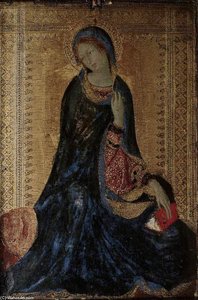
- Virgen de la Misericordia ("Madonna dei Raccomandati"): Encargada para la Catedral de Orvieto, esta obra muestra su capacidad para crear imágenes devocionales que resonaban con el público.
- La Madonna della Febbre: Esta venerada imagen fue concedida una coronación canónica por un Papa en 1631 y está consagrada en la Basílica de San Pedro, Roma, destacando su importancia como ícono milagroso.
- Frescos en la Iglesia Colegiata de San Gimignano: Atribuidos a Memmi (anteriormente atribuidos a Barna), estos frescos representan un cuerpo significativo de trabajo que demuestra sus habilidades narrativas y visión artística.
Desarrollo y Carrera Posterior
- Corte Papal en Aviñón: Siguiendo a Simone Martini, Memmi trabajó en la corte papal en Aviñón a mediados del siglo XIV, exponiéndose a nuevas influencias y patronos.
- Retorno a Siena: Después de regresar a Siena, continuó su práctica artística hasta su muerte en 1356.
- Evolución del Estilo: Si bien inicialmente estuvo estrechamente alineado con el estilo de Simone Martini, Memmi desarrolló un enfoque distintivo caracterizado por cualidades más suaves y un espíritu tranquilo en comparación con los maestros Duecento anteriores.
Significado Histórico y Legado
- Principal Seguidor de Simone Martini: Memmi es reconocido como el principal seguidor de Simone Martini, desempeñando un papel crucial en la configuración del arte sienés durante el siglo XIV.
- Contribución al Gótico Internacional: Sus obras ejemplifican la elegancia y el refinamiento del estilo Gótico Internacional, contribuyendo significativamente a su desarrollo y difusión.
- Influencia en Artistas Posteriores: La investigación sugiere que la influencia de Memmi se extendió a los artistas de la generación posterior a la Peste Negra, demostrando su impacto duradero en las tradiciones artísticas sienesas.
- Redescubrimiento y Reevaluación: La erudición reciente ha llevado a una reevaluación del papel de Memmi como artista independiente, superando simplemente ser visto como el seguidor de Martini. Sus contribuciones únicas se reconocen y celebran cada vez más.

Lippo Memmi
1291 - 1356 , Italia
Datos clave
- Artistas Que Influyeron:
- Simone Martini
- Guido da Siena
- Fecha De Fallecimiento: 1356
- Fecha De Nacimiento: c. 1291
- Lugar De Nacimiento: Siena, Italia
- Movimiento Artístico: Gótico Internacional
- Nacionalidad: Italiana
- Nombre Completo: Lippo Memmi
- Obras Notables:
- Anunciación con Santos
- Virgen de la Misericordia
- La Madonna della Febbre
Artículos relacionados
Simone Martini: Innovation, Spirituality & Courtly Refinement in Sienese Painting
Explore the captivating world of Simone Martini, a pivotal figure in Sienese painting & the International Gothic style. Discover his innovative techniques, spiritual depth, and lasting influence on early Renaissance art.
Más Allá de las Fronteras: Innovaciones Espirituales y Estilísticas del Arte Gótico Internacional
Descubra las innovaciones espirituales y estilísticas del Arte Gótico Internacional. Análisis profundo de sus orígenes, características clave, influencia en España y legado artístico. Expertos en historia del arte.
El Crepúsculo Radiante de la Visión Medieval: Fe, Forma y Emotividad en el Arte Gótico Tardío (c. 1300-1500)
Explore el esplendor del arte gótico tardío (c. 1300-1500). Descubra la síntesis de fe, forma y emoción en la pintura internacional, los retablos medievales y la influencia de Giotto. Análisis experto.
La Sombra de la Fe: Explorando la Intensidad Espiritual y la Innovación Arquitectónica del Arte Gótico
Descubre la profunda espiritualidad y la innovadora arquitectura del arte gótico. Explora la Basílica de Saint-Denis, su simbolismo cristiano y el legado duradero de este fascinante estilo. Análisis experto en ArtsDot.
Illuminating the Fourteenth Century: Art, Innovation & Enduring Legacies (1300-1400)
Explore the transformative art of the 14th century! Discover Gothic masterpieces, International Style innovations, and the precursors to the Renaissance. Expert insights & historical context at ArtsDot.