

 Ver en contexto
 Enviar
 Compartir
 Detalles

 Descargar
 Similares
 Radiografía
 Presentación de diapositivas
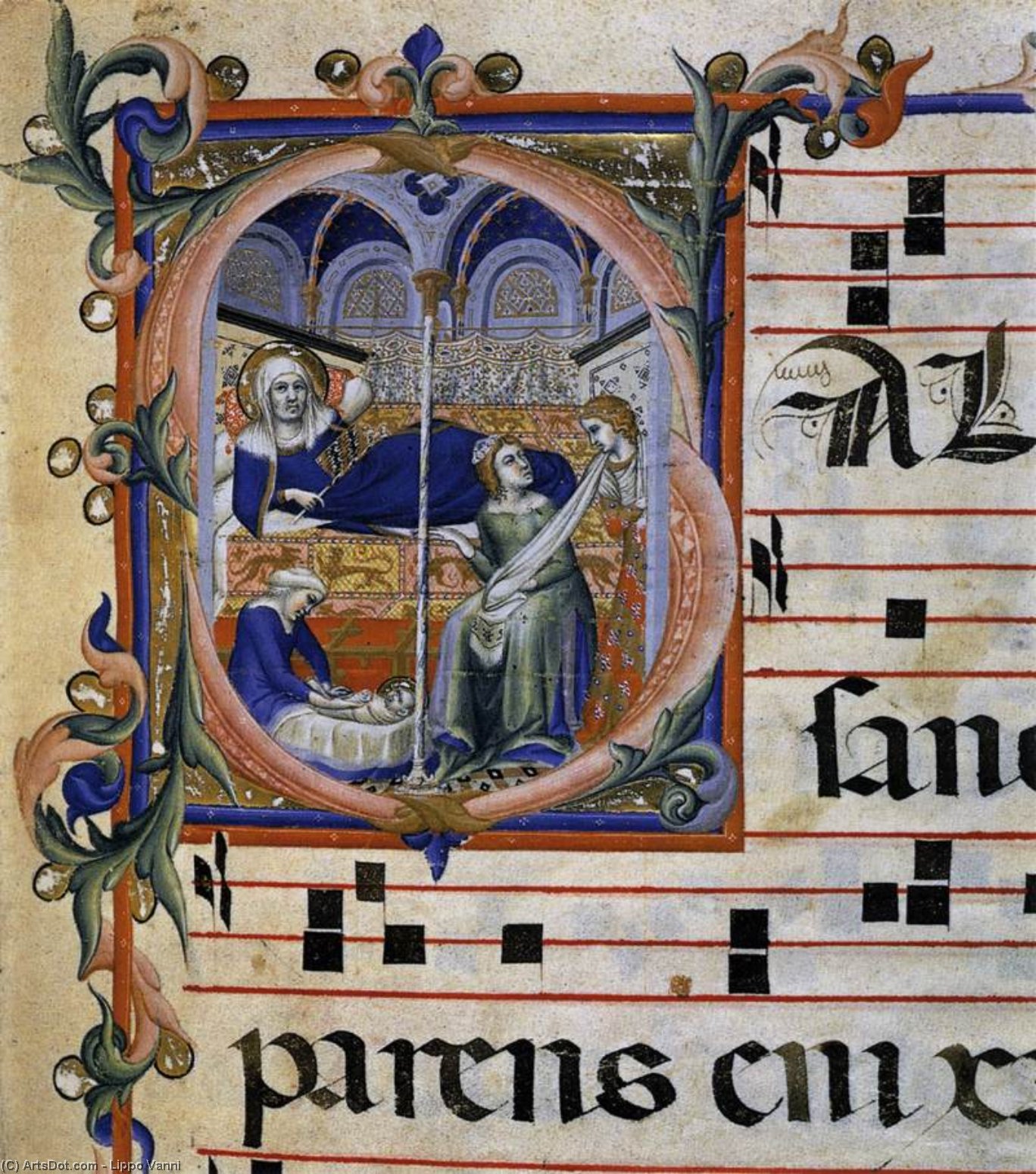
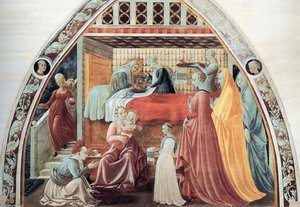
The Birth of The Virgin
 Tempera On Panel
- Sienese Gothic
 1345
1345- Late Medieval
 150.0 x 130.0 cm
 Museo dell'Opera del Duomo
 Ver más
Adquiera una imagen digital de alta resolución y optimizada, muy superior a la vista previa en línea.
Cada archivo es preparado meticulosamente por nuestros especialistas internos mediante el uso de herramientas avanzadas y un experto retoque manual. Nos aseguramos de que cada imagen posea una claridad excepcional, una precisión cromática impecable y un detalle minucioso.
El archivo final se entrega por correo electrónico en un plazo de 72 horas, optimizado para su uso inmediato en entornos profesionales, editoriales y de impresión. Esta es la misma calidad en la que confían los estudios de diseño, las editoriales y las galerías de primer nivel.
Imagen Digital
Descarga un archivo de alta resolución para exhibición personal, impresión y proyectos creativos. ( Comprar impresión Comprar pintura hecha a mano)
Incluido en cada pedido de imágenes digitales
Entrega digital experta, garantizada.
Al elegir ArtsDot.com, no solo está adquiriendo una imagen; está recibiendo una obra de arte digital mejorada profesionalmente, elaborada con precisión y respaldada por una garantía de satisfacción. Esto es todo lo que incluye su pedido, automáticamente:

Entrega rápida por email
Recibirá su archivo de imagen digital en alta resolución por correo electrónico en un plazo de 72 horas tras realizar su pedido, listo para su uso inmediato.

Archivo digital optimizado por IA
Su obra de arte se optimiza profesionalmente mediante herramientas avanzadas de IA y edición manual, garantizando el máximo detalle, claridad y precisión cromática.

Reenvío gratuito de por vida
¿Has borrado o perdido tu archivo por error? No te preocupes: te lo volveremos a enviar en cualquier momento, sin coste adicional.

Sin gastos de importación, siempre
Disfrute de su obra de arte al instante sin aduanas, aranceles ni gastos de envío; las descargas digitales siempre están libres de impuestos.

Garantía de fidelidad de color
Garantizamos que su imagen digital refleje los colores originales con la mayor fidelidad posible, mediante el uso de herramientas profesionales y gestión del color.

Garantía de satisfacción de 60 días
Si no está satisfecho con su imagen digital, la revisaremos o le reembolsaremos el 100% en un plazo de 60 días, sin preguntas.

100% Garantía de devolución de dinero
¿No está satisfecho? Obtenga un reembolso completo dentro de los 60 días posteriores a la recepción de su archivo digital, sin necesidad de explicaciones.

Descuentos por pedidos grandes
Compra 3 imágenes, ahorra 10% - Compra 5, ahorra 15% - Compra 10+, ahorra 20%. Ideal para proyectos creativos, galerías y agencias.
Obras relacionadas
![Scrovegni - [07] - El Nacimiento De La Virgen — Giotto Di Bondone, Proto-renacimiento](/media/artworks/images-thumb/8d/eb/8deb86c8ab66cea89f1895637c8f5d6b.jpg)
Biografía del artista
Lippo Vanni: A Siena Master of Miniature Painting
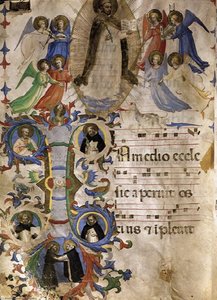
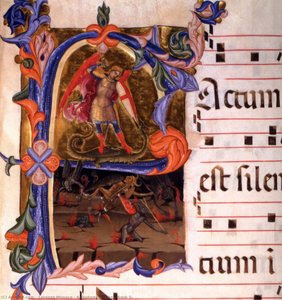
Lippo Vanni (c. 1315 – 1375) stands as a pivotal figure in the artistic landscape of Siena during the burgeoning Italian Renaissance, primarily recognized for his exquisite miniature paintings and frescoes that adorn churches and palaces throughout Tuscany. Though biographical details remain scarce—a common predicament for artists of his era—scholarly research has illuminated Vanni’s contribution to Sienese art and its broader cultural context. His legacy persists not merely as a craftsman but as an embodiment of the artistic spirit of his time, reflecting both Gothic traditions inherited from preceding generations and nascent humanist ideals emerging from Florence.Early Life and Training
Information regarding Lippo Vanni's formative years is fragmentary. He was born in Siena sometime around 1315, likely into a family involved in artisanal trades—a typical scenario for artists of the period—though precise familial connections remain elusive. His artistic training undoubtedly commenced within the guild system prevalent in Siena, where apprenticeships fostered technical mastery alongside exposure to prevailing stylistic trends. While no definitive documentation exists detailing his instructors or early commissions, it’s reasonable to assume he honed his skills under masters influenced by Gothic art, particularly the international Gothic style flourishing across Europe during the mid-14th century. This stylistic grounding would prove crucial in shaping Vanni's distinctive artistic vision.Notable Works and Artistic Style
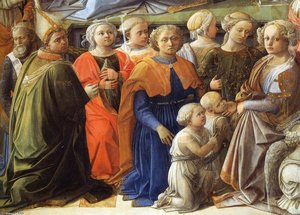
Vanni’s fame rests principally upon his miniature paintings—a genre that reached its zenith in Siena during this period—and a select number of frescoes executed for ecclesiastical patrons. The “Betrothal of the Virgin,” commissioned by the Santa Maria della Scala cathedral, exemplifies Vanni's meticulous attention to detail and masterful use of color palettes characteristic of Sienese Gothic art. This work showcases a sophisticated understanding of perspective and spatial illusion, demonstrating an awareness of innovations originating in Florence that were gradually permeating artistic circles elsewhere. Furthermore, his coronation of the Virgin for the biccherna—the Siena diocese’s treasury—demonstrates his ability to convey religious narratives with profound emotional resonance. Beyond these celebrated commissions, Vanni's frescoes contribute significantly to the architectural heritage of Siena. Fragments of his work remain in the Palazzo Pubblico, showcasing a stylistic blend incorporating elements of Gothic and Proto-Renaissance aesthetics. Perhaps most enduring is his contribution to the San Domenico Cloisters—specifically, an Annunciation panel—which retains remarkable vibrancy thanks to its preservation conditions. The painting’s delicate rendering of drapery and luminous coloration exemplifies Vanni's commitment to capturing naturalistic beauty while adhering to established artistic conventions.Influence and Legacy
Lippo Vanni’s influence extended beyond his immediate contemporaries, shaping the stylistic trajectory of subsequent Sienese painters. His meticulous technique—characterized by precise linework and subtle shading—became a hallmark of Siena's artistic tradition. Moreover, he fostered an environment conducive to experimentation with color and perspective, paving the way for developments that would foreshadow the Renaissance’s transformative shift toward humanist ideals. Although Vanni himself did not actively engage in theoretical discussions about art, his work served as inspiration for artists striving to elevate Sienese painting beyond mere decorative embellishment—a goal that aligns perfectly with the broader cultural ambitions of the era. His enduring presence within Siena's artistic canon underscores his significance as a conduit between Gothic and Renaissance sensibilities.Historical Significance
Lippo Vanni’s contribution to Sienese art is inextricably linked to the larger narrative of Italian cultural history. He represents a crucial juncture between medieval artistic traditions and the burgeoning humanist movement that would redefine European intellectual life. By skillfully blending stylistic elements from both worlds, Vanni helped solidify Siena's position as a center of artistic innovation—a testament to the enduring power of craftsmanship and aesthetic discernment. His legacy continues to inspire art historians and scholars today who recognize him as an artist whose oeuvre embodies the spirit of transition—a pivotal figure in shaping the visual culture of Renaissance Italy.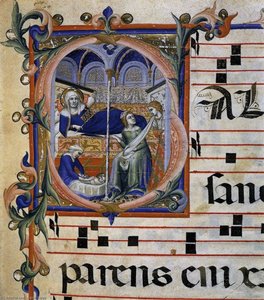
lippo vanni
1315 - 1375
Breves datos
- Artistic Movement Or Style: Early Renaissance
- Artists Or Movements Influenced By This Artist: ['International Gothic']
- Artists Who Influenced This Artist: ['Simone Martini']
- Date Of Death: 1375
- Full Name: Lippo Vanni
- Nationality: Italian
- Notable Artworks:
- The Betrothal of the Virgin
- Coronation of the Virgin
- Doors of the Great Crucifix
- Annunciation
- Place Of Birth: Siena, Italy

