

 Ver en contexto
 Enviar
 Compartir
 Detalles

 Descargar
 Similares
 Radiografía
 Presentación de diapositivas
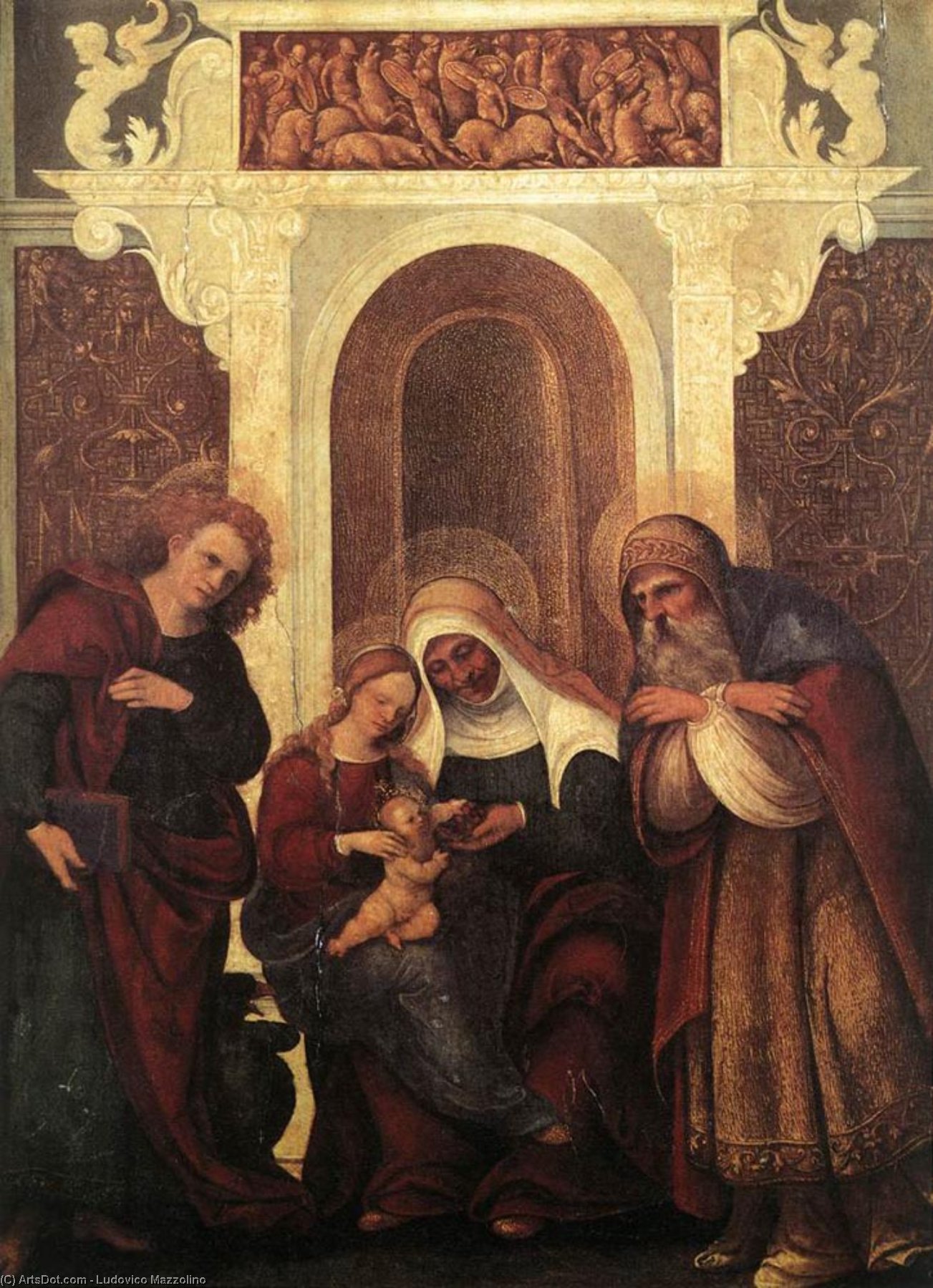
Madonna and Child with Saints
 Oil On Canvas
- WallArt
- Renaissance
 1522
1522- Renaissance
 29.0 x 22.0 cm
 Galería de los Uffizi
 Ver más
Adquiera una imagen digital de alta resolución y optimizada, muy superior a la vista previa en línea.
Cada archivo es preparado meticulosamente por nuestros especialistas internos mediante el uso de herramientas avanzadas y un experto retoque manual. Nos aseguramos de que cada imagen posea una claridad excepcional, una precisión cromática impecable y un detalle minucioso.
El archivo final se entrega por correo electrónico en un plazo de 72 horas, optimizado para su uso inmediato en entornos profesionales, editoriales y de impresión. Esta es la misma calidad en la que confían los estudios de diseño, las editoriales y las galerías de primer nivel.
Imagen Digital
Descarga un archivo de alta resolución para exhibición personal, impresión y proyectos creativos. ( Comprar impresión Comprar pintura hecha a mano)
Incluido en cada pedido de imágenes digitales
Entrega digital experta, garantizada.
Al elegir ArtsDot.com, no solo está adquiriendo una imagen; está recibiendo una obra de arte digital mejorada profesionalmente, elaborada con precisión y respaldada por una garantía de satisfacción. Esto es todo lo que incluye su pedido, automáticamente:

Entrega rápida por email
Recibirá su archivo de imagen digital en alta resolución por correo electrónico en un plazo de 72 horas tras realizar su pedido, listo para su uso inmediato.

Archivo digital optimizado por IA
Su obra de arte se optimiza profesionalmente mediante herramientas avanzadas de IA y edición manual, garantizando el máximo detalle, claridad y precisión cromática.

Reenvío gratuito de por vida
¿Has borrado o perdido tu archivo por error? No te preocupes: te lo volveremos a enviar en cualquier momento, sin coste adicional.

Sin gastos de importación, siempre
Disfrute de su obra de arte al instante sin aduanas, aranceles ni gastos de envío; las descargas digitales siempre están libres de impuestos.

Garantía de fidelidad de color
Garantizamos que su imagen digital refleje los colores originales con la mayor fidelidad posible, mediante el uso de herramientas profesionales y gestión del color.

Garantía de satisfacción de 60 días
Si no está satisfecho con su imagen digital, la revisaremos o le reembolsaremos el 100% en un plazo de 60 días, sin preguntas.

100% Garantía de devolución de dinero
¿No está satisfecho? Obtenga un reembolso completo dentro de los 60 días posteriores a la recepción de su archivo digital, sin necesidad de explicaciones.

Descuentos por pedidos grandes
Compra 3 imágenes, ahorra 10% - Compra 5, ahorra 15% - Compra 10+, ahorra 20%. Ideal para proyectos creativos, galerías y agencias.
Descripción del coleccionable
A Reverent Encounter in Renaissance Light
To stand before this depiction of the Adoration of the Magi is to step directly into the devotional heart of the Italian Renaissance. The scene unfolds within an imagined, grand architectural space, framed by classical arches that lend a sense of monumental permanence to the sacred moment. At its core lies the profound mystery of divine recognition: the homage paid to the infant Christ and his mother, Mary. The composition is masterfully arranged, drawing the eye inexorably toward the central figures. One senses not merely a painting, but a carefully orchestrated tableau vivant, capturing the hushed awe that accompanies the meeting of the earthly with the eternal.
Mastery in Form and Shadow: Technique and Style
The hand that guided this pigment—the style echoing the work of Lodovico Mazzolino—demonstrates a commitment to narrative clarity characteristic of early Renaissance devotional art. Observe how the drapery falls; it is rendered with meticulous attention, each fold suggesting weight and movement against the stillness of the moment. While the overall impression leans toward a structured formality, the artist employs dramatic lighting, creating deep contrasts between illuminated skin and shadowed recesses. This interplay of light and dark, or chiaroscuro, sculpts the figures from the background, giving them an almost tangible presence. The technique suggests oil paint applied with skilled glazing, allowing the rich palette of browns, golds, and solemn reds to deepen the emotional resonance of the scene.
The Weight of Symbolism: Gifts and Devotion
Symbolism permeates every corner of this canvas. The arrival of the Magi is never just a historical footnote; it is an allegory for faith itself. The gifts—gold, frankincense, and myrrh—are not mere trinkets but potent symbols representing kingship, divinity, and sacrifice. These offerings anchor the spiritual weight of the piece. Furthermore, the architectural setting itself acts as a symbolic gateway, suggesting that this sacred event transcends time and space, existing within a timeless, ordered cosmos. The entire arrangement speaks to piety, devotion, and the profound human capacity for reverence.
An Echo of History for Modern Spaces
Acquiring a reproduction of this piece is not simply decorating a wall; it is curating an atmosphere steeped in history and spiritual contemplation. With its contained drama and rich color story, this artwork possesses an inherent gravitas that elevates any interior space—be it a formal drawing-room or a quiet chapel corner. Its slightly flattened perspective, typical of the period, lends it a decorative power that feels both antique and eternally relevant. It invites the viewer to pause, reflect, and connect with the enduring themes of faith and wonder that have captivated artists for centuries.
Obras relacionadas
Biografía del artista
Early Life and Training
Lodovico Mazzolino, also known as Mazzolini da Ferrara, Lodovico Ferraresa, and Il Ferrarese, was born in Ferrara, Italy, around 1480 – a pivotal year for the burgeoning Renaissance. His formative years were deeply intertwined with the artistic landscape of his native city, a region renowned for its rich patronage and vibrant creative scene. He began his artistic journey under the tutelage of Lorenzo Costa, a master painter whose workshop served as a crucible for talent during that era. Costa’s influence was particularly significant, shaping Mazzolino's early style and introducing him to the techniques and principles of the time. However, Mazzolino’s training extended beyond simply mimicking his teacher; he also drew inspiration from Ercole de’ Roberti, another prominent artist who had previously nurtured the talents of figures like Dosso Dossi and Cosimo Tura. This diverse exposure to artistic lineages contributed to the unique character of Mazzolino's work – a blend of influences that set him apart within the broader context of Renaissance painting.Artistic Style and Notable Works
Mazzolino’s distinctive style is immediately recognizable by its captivating combination of devotional cabinet pictures, often imbued with a sense of primitivism or regressive charm when compared to the increasingly polished classicism prevalent during his time. These small-scale works, frequently depicting scenes from Christian iconography, were highly sought after by wealthy patrons and served as intimate objects of devotion. His paintings are characterized by a remarkable expressiveness, achieved through bold colors, dynamic compositions, and a willingness to embrace unconventional perspectives. Among his most celebrated achievements are “Christ and the Woman Taken in Adultery,” a poignant depiction of a biblical narrative; “The Nativity,” which captures the serene beauty of the Virgin Mary and infant Jesus; and “Christ disputing with the Doctors,” a complex composition that showcases Mazzolino’s ability to convey intellectual debate through visual means. These works, along with others like "Museological Significance" (available on ArtsDot.com), demonstrate his mastery of portraying religious themes with both emotional depth and artistic innovation.Museumological Significance and Personal Life
Mazzolino's legacy is preserved in several notable museums across Italy. The SS. Martino e Vittorio in Bologna houses a significant collection of Renaissance art, including several pieces attributed to Mazzolino that offer valuable insights into his oeuvre. The museum’s holdings provide a comprehensive overview of the artist’s career and demonstrate his enduring appeal as a master of devotional painting. Furthermore, Mazzolino's life was tragically cut short by the devastating plague that swept through Ferrara in 1528 – an event that robbed the art world of a promising talent before he could fully realize his potential. Despite this untimely demise, his work continues to be studied and admired for its unique blend of emotional intensity, technical skill, and artistic originality. More information about Mazzolino’s works can be found on ArtsDot.com.Legacy and Historical Context
Lodovico Mazzolino stands as a significant figure in the early Renaissance art of Italy, particularly within the context of Ferrara. His work represents a fascinating transitional phase between the stylistic conventions of the late Quattrocento and the more refined aesthetics of the High Renaissance. While he embraced certain classical influences, he retained a distinctly personal style characterized by a raw emotionality and an avoidance of overly formal arrangements. This approach resonated with contemporary viewers who appreciated his paintings for their sincerity and immediacy. Mazzolino’s influence extended beyond his own creations; his techniques and compositional strategies were adopted by later artists, contributing to the evolution of Italian painting during the 16th century. His story serves as a poignant reminder of the fragility of artistic genius and the enduring power of art to transcend time and connect with audiences across generations.
Ludovico Mazzolino
1480 - 1528 , Italia
Breves datos
- Artistic Movement Or Style: Imágenes devocionales
- Artists Or Movements Influenced By This Artist: ['Ercole Roberti']
- Artists Who Influenced This Artist: ['Lorenzo Costa']
- Date Of Birth: 1480, Ferrara, Italia
- Date Of Death: c. 1528
- Full Name: Ludovico Mazzolino
- Nationality: Italiane Renaissance
- Notable Artworks:
- Cristo y la mujer
- La Natividad
- Place Of Birth: Ferrara, Italia

