

 Enviar
 Compartir
 Detalles

 Descargar
 Similares
 Presentación de diapositivas
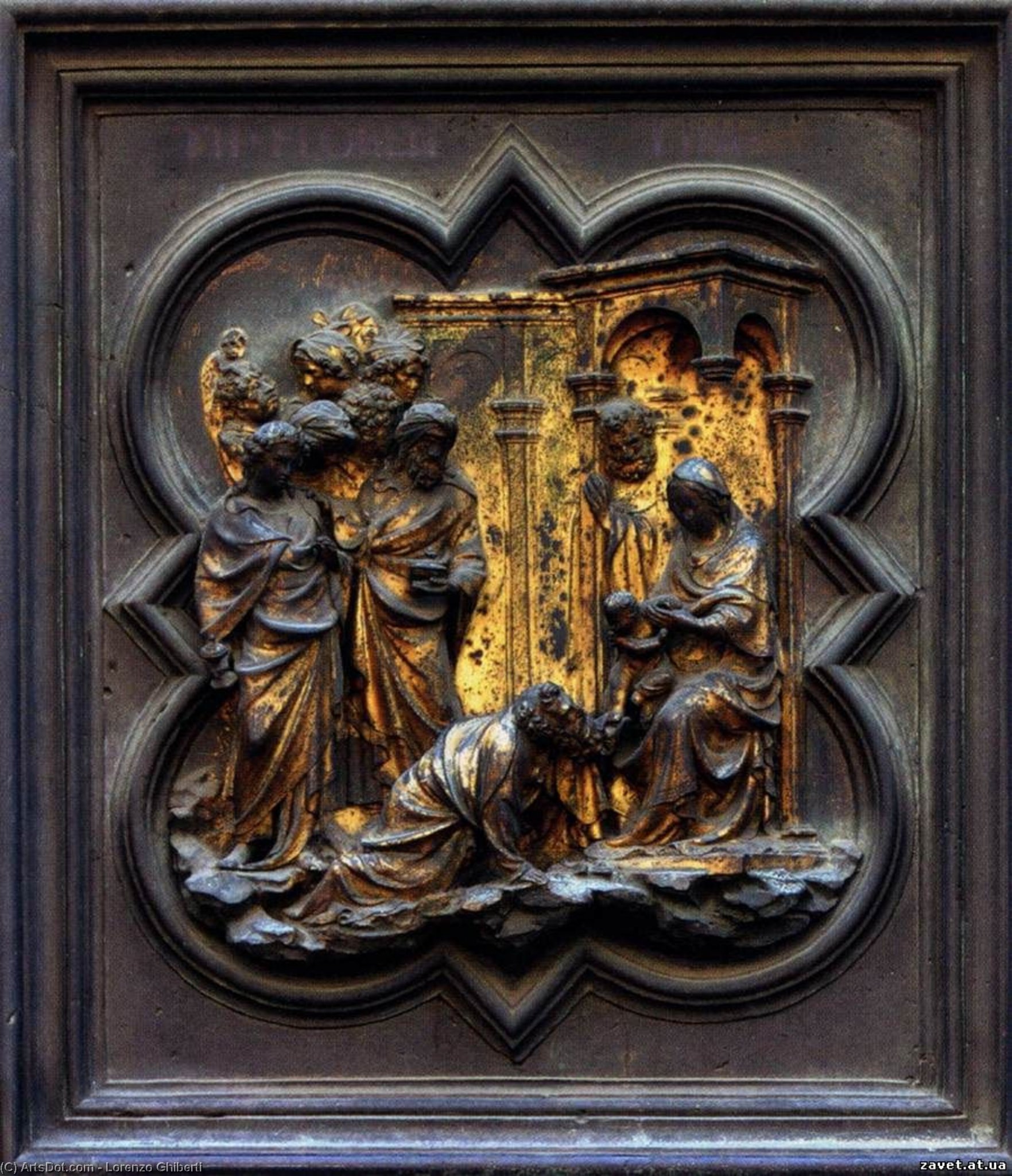
Adoration of the Magi
 Bronze
- Sculpture
- Early Renaissance
 1403
1403 39.0 x 39.0 cm
 Bautismio
 Ver más
Adquiera una imagen digital de alta resolución y optimizada, muy superior a la vista previa en línea.
Cada archivo es preparado meticulosamente por nuestros especialistas internos mediante el uso de herramientas avanzadas y un experto retoque manual. Nos aseguramos de que cada imagen posea una claridad excepcional, una precisión cromática impecable y un detalle minucioso.
El archivo final se entrega por correo electrónico en un plazo de 72 horas, optimizado para su uso inmediato en entornos profesionales, editoriales y de impresión. Esta es la misma calidad en la que confían los estudios de diseño, las editoriales y las galerías de primer nivel.
Imagen Digital
Descarga un archivo de alta resolución para exhibición personal, impresión y proyectos creativos. ( Comprar impresión Comprar pintura hecha a mano)
Incluido en cada pedido de imágenes digitales
Entrega digital experta, garantizada.
Al elegir ArtsDot.com, no solo está adquiriendo una imagen; está recibiendo una obra de arte digital mejorada profesionalmente, elaborada con precisión y respaldada por una garantía de satisfacción. Esto es todo lo que incluye su pedido, automáticamente:

Entrega rápida por email
Recibirá su archivo de imagen digital en alta resolución por correo electrónico en un plazo de 72 horas tras realizar su pedido, listo para su uso inmediato.

Archivo digital optimizado por IA
Su obra de arte se optimiza profesionalmente mediante herramientas avanzadas de IA y edición manual, garantizando el máximo detalle, claridad y precisión cromática.

Reenvío gratuito de por vida
¿Has borrado o perdido tu archivo por error? No te preocupes: te lo volveremos a enviar en cualquier momento, sin coste adicional.

Sin gastos de importación, siempre
Disfrute de su obra de arte al instante sin aduanas, aranceles ni gastos de envío; las descargas digitales siempre están libres de impuestos.

Garantía de fidelidad de color
Garantizamos que su imagen digital refleje los colores originales con la mayor fidelidad posible, mediante el uso de herramientas profesionales y gestión del color.

Garantía de satisfacción de 60 días
Si no está satisfecho con su imagen digital, la revisaremos o le reembolsaremos el 100% en un plazo de 60 días, sin preguntas.

100% Garantía de devolución de dinero
¿No está satisfecho? Obtenga un reembolso completo dentro de los 60 días posteriores a la recepción de su archivo digital, sin necesidad de explicaciones.

Descuentos por pedidos grandes
Compra 3 imágenes, ahorra 10% - Compra 5, ahorra 15% - Compra 10+, ahorra 20%. Ideal para proyectos creativos, galerías y agencias.
Descripción del coleccionable
The Majesty of Magi: Lorenzo Ghiberti’s “Adoration of the Magi”
Lorenzo Ghiberti's "Adoration of the Magi," completed in 1403, isn’t merely a depiction of a biblical scene; it’s a shimmering portal into the heart of Renaissance Florence. This bronze relief, originally destined for the doors of the Baptistery of San Giovanni, stands as a testament to Ghiberti's mastery of form, his profound understanding of perspective, and his ability to imbue religious narrative with an almost palpable sense of dynamism. More than just a historical record, it’s a celebration of faith, a showcase of technical brilliance, and a window into the artistic spirit of its time.
The scene itself is a vibrant tapestry of figures – the Virgin Mary cradling the infant Jesus at the center, surrounded by a host of Magi, each identifiable by their distinctive attire and bearing. These aren’t static representations; they are engaged in an active adoration, their gestures conveying reverence and wonder. The composition is meticulously balanced, drawing the eye towards the luminous Christ Child while simultaneously showcasing the intricate details of each figure's drapery and expression. Ghiberti skillfully employs a pyramidal structure, anchoring the scene and creating a sense of stability amidst the bustling activity.
A Masterclass in Bronze Casting
Ghiberti’s genius lies not only in his artistic vision but also in his unparalleled skill as a bronze caster. The relief is executed using the lost-wax casting technique, a process demanding immense precision and control. Each fold of fabric, each curl of hair, each subtle nuance of expression is painstakingly sculpted within the wax model before being meticulously transferred to the bronze. The resulting surface possesses an extraordinary depth and richness – a tactile quality that invites close inspection. The patina, a natural oxidation layer formed over centuries, adds further character and authenticity to the piece, hinting at its long history.
Consider the drapery: it’s not simply draped; it *flows*, responding to the movement of the figures beneath. The way light catches on the folds reveals subtle variations in texture and tone, creating an illusion of three-dimensionality that is remarkably convincing. This level of detail speaks volumes about Ghiberti's dedication to realism and his commitment to capturing the essence of human form.
Symbolism and Renaissance Humanism
Beyond its technical brilliance, “Adoration of the Magi” is rich in symbolic meaning. The arrival of the Magi, representing the East – a region associated with wealth and exoticism – signifies the universality of Christ’s message. Their gifts of gold, frankincense, and myrrh represent spiritual riches, acknowledging Jesus as King of Kings and Lord of Lords. The inclusion of a self-portrait of young Leonardo da Vinci in the background is particularly intriguing, suggesting that Ghiberti was not only a master craftsman but also a keen observer of human nature.
Furthermore, the scene reflects the burgeoning humanist ideals of the Renaissance. The emphasis on individual expression and emotional engagement aligns with the renewed interest in classical art and philosophy. The figures are depicted as complex individuals, each possessing their own distinct personality and motivations – a departure from the more stylized representations of earlier periods.
A Legacy Enduring Through Time
“Adoration of the Magi” remains one of the most celebrated works of the Early Renaissance. Its influence can be seen in countless subsequent artworks, demonstrating Ghiberti’s enduring legacy as a master sculptor. The “Gates of Paradise,” as Michelangelo famously dubbed the second set of doors he created for the Baptistery, built upon and expanded upon the themes established in this earlier masterpiece. Today, reproductions of this iconic relief continue to inspire awe and admiration, offering a glimpse into the artistic genius of Lorenzo Ghiberti and the vibrant cultural landscape of Renaissance Florence.
Consider commissioning a high-quality reproduction to bring the majesty of “Adoration of the Magi” into your home or office – a timeless symbol of faith, beauty, and human achievement.
Obras relacionadas

Biografía del artista
Lorenzo Ghiberti: Vida y Legado
Primeros Años y Formación
- Nacido en 1378 en Pelago, cerca de Florencia, Italia, Lorenzo di Bartolo – más tarde conocido como Lorenzo Ghiberti – comenzó su viaje artístico bajo la tutela de su padrastro, Bartolo di Michele, un orfebre.
- Recibió formación formal en pintura de Gherardo Starnina, ampliando sus habilidades más allá del trabajo con metales.
- El brote de la peste en 1400 lo llevó a Rimini, donde trabajó para Carlo I Malatesta, ayudando con frescos y desarrollando aún más su sensibilidad artística.
La Concurso de las Puertas del Baptisterio y Primer Éxito
- En 1401, Ghiberti regresó a Florencia y participó en un famoso concurso para diseñar las puertas de bronce para el Baptisterio de Florencia.
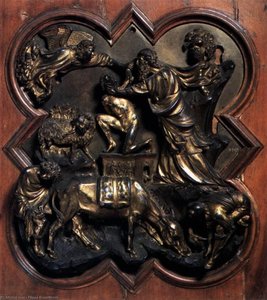
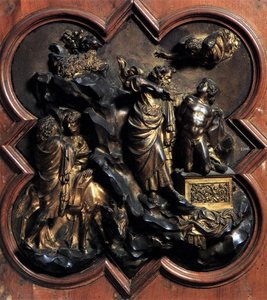
- Triunfó sobre competidores como Filippo Brunelleschi con su panel que representa el *Sacrificio de Isaac*, mostrando una habilidad e innovación notables.
- Esta victoria lanzó su carrera y le aseguró la comisión para las Puertas del Norte del Baptisterio.
Las Puertas del Norte y del Sur
- Ghiberti pasó más de dos décadas creando las Puertas del Norte (completadas en 1424), que presentan escenas de la vida de Juan el Bautista.
- Su taller se convirtió en un centro para el talento artístico, nutriendo a futuros maestros como Donatello, Masolino y Paolo Uccello.
- Después del éxito de las Puertas del Norte, Ghiberti fue comisionado para crear un segundo conjunto – las Puertas del Este (completadas en 1452).
Las “Puertas del Paraíso”
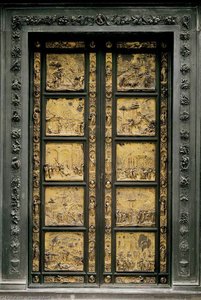
- Las Puertas del Este, famosamente llamadas las “*Puertas del Paraíso*” por Miguel Ángel, representan la obra maestra de Ghiberti.
- Estas puertas representan escenas del Antiguo Testamento con un realismo, perspectiva y detalle artístico sin precedentes.
- Cada panel es un testimonio de su maestría en el fundido de bronce y la escultura relief.
Estilo Artístico e Influencias
- El estilo de Ghiberti fusionó la elegancia gótica con los principios emergentes del humanismo renacentista.
- Se inspiró en la antigüedad clásica, incorporando elementos del arte y la escultura romanos en su trabajo.
- Su meticuloso cuidado por el detalle, las representaciones naturalistas y el uso innovador de la perspectiva lo distinguieron de sus contemporáneos.
Commentarii y Legado
- Ghiberti escribió *Commentarii*, un tratado valioso sobre historia del arte, teoría y técnica – considerado uno de los primeros autobiografías de un artista.
- Murió en Florencia en 1455, dejando atrás un legado duradero como uno de los escultores más importantes del Renacimiento Temprano.
- Su obra influyó profundamente a las generaciones posteriores de artistas, dando forma al curso de la historia del arte occidental.
Significado Histórico
- Las contribuciones de Ghiberti fueron fundamentales para establecer Florencia como un centro artístico líder durante el Renacimiento.
- Las “Puertas del Paraíso” se convirtieron en un símbolo del orgullo cívico y el logro artístico florentino.
- Sus técnicas innovadoras y temas humanistas ayudaron a definir los ideales estéticos de la época, allanando el camino para futuros maestros como Leonardo da Vinci y Miguel Ángel.
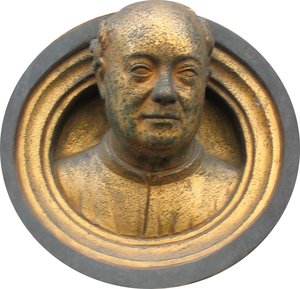
Lorenzo Ghiberti
1378 - 1455 , Italia
Breves datos
- Artistic Movement Or Style: Early Renaissance
- Artists Or Movements Influenced By This Artist:
- Donatello
- Masolino
- Paolo Uccello
- Artists Who Influenced This Artist:
- Gherardo Starnina
- Bartolo di Michele
- Date Of Birth: c. 1378
- Full Name: Lorenzo di Bartolo Ghiberti
- Nationality: Italian
- Notable Artworks:
- Puerta del Paraíso
- Sacrificio de Isaac
- Descubrimiento de la copa dorada
- Place Of Birth: Florence, Italia

