 Ver en contexto
 Enviar
 Compartir
 Detalles

 Descargar
 Similares
 Radiografía
 Presentación de diapositivas
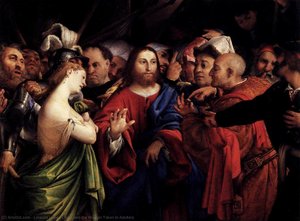
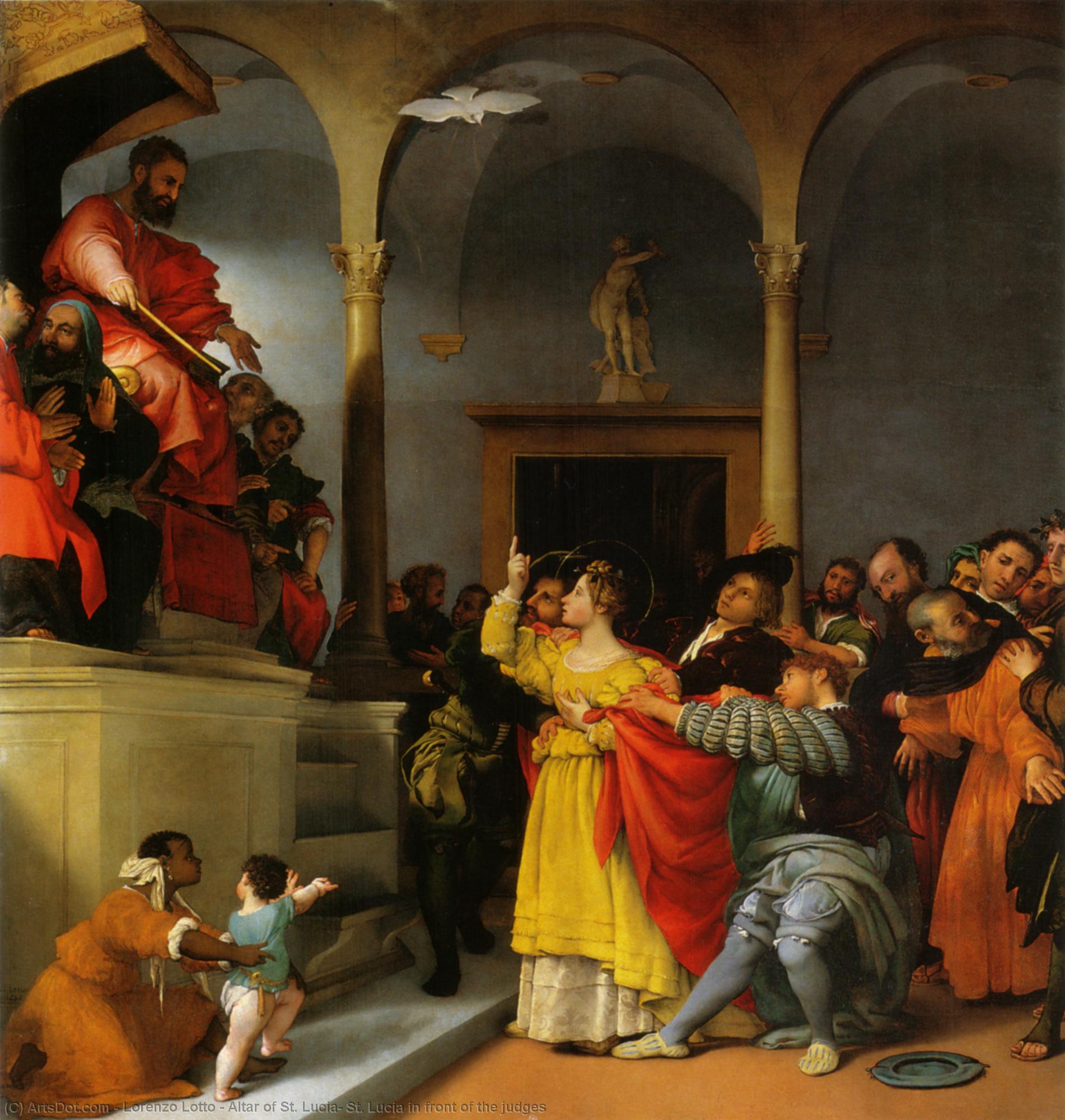
Altar of St. Lucia: St. Lucia in front of the judges
 Oil
Oil- WallArt
- Renaissance
 1532
1532- Renaissance
 237.0 x 243.0 cm
 Ver más
Reproducción al óleo hecha a mano
Óleo sobre lienzo pintado a mano en el tamaño y marco de su elección, realizado por encargo por nuestros artistas. ( Comprar impresión Comprar imagen)




P118B $10

P118H $10

P118W $10

P438Z $10

P508JH $12

P508YH $12

P805H $10

P805Z $10

P919BZ $10

P919G $10

P919XJ $10

P959ZH $10

P968JZ $12

W106C $8

W218G $10

W218JH $8

W218Y $10

W307PJ $10

W316G $10

W316PJ $8

W316Y $10

W398PJ $8

W4111J $10

W500HY $15

W500JH $15

W692G $12

W849H $8

W940BG $15

W953PJ $8




Elija entre nuestros tamaños predefinidos que respetan las proporciones originales de la obra.

Puede ingresar sus propias dimensiones para adaptarse a un marco o espacio específico. Si el tamaño seleccionado no coincide con las proporciones de la imagen original, recortaremos la obra o extenderemos la pintura con elementos adicionales pintados a mano. Se le enviará una maqueta digital para su aprobación antes de comenzar la producción.
Tenga en cuenta que la vista previa en pantalla no refleja el recorte o la extensión reales. Solo la maqueta mostrará con precisión la composición final.
Si bien existen tamaños personalizados, recomendamos seleccionar una dimensión de la lista predefinida para preservar las proporciones originales.
Tras realizar el pedido, el equipo de ArtsDot.com enviará un correo electrónico al cliente para solicitar instrucciones y proporcionarle una vista previa del boceto.
Envío a todo el mundo () en 3-4 semanas en lugar de las 5 semanas estándar. (6 septiembre). Sin comprometer la calidad.

Envío exprés gratuito a todo el mundo

Lienzo de lino de alta calidad

Seguro de envío total

Garantía de reembolso de impuestos aduaneros

Garantía de fidelidad cromática exacta

Política de devolución de 60 días (solo por defectos)

Garantía de devolución del 100% del dinero

Descuento por cantidad
 La opción de vidrio solo está disponible en tamaños inferiores a 110 cm.

Altar of St. Lucia: St. Lucia in front of the judges
Técnica de reproducción
Dimensiones de la reproducción
-


Precio total final
$ 263
A Divine Encounter: The Drama of St. Lucia
In the profound depths of the Italian Renaissance, few works capture the tension between earthly judgment and divine grace as poignantly as Lorenzo Lotto’s Altar of St. Lucia: St. Lucia in front of the judges. This monumental masterpiece, dating from 1532, serves as a breathtaking window into a moment of spiritual crisis and unwavering faith. The scene unfolds with a cinematic intensity, placing the viewer directly before the trial of the saint. As St. Lucia stands amidst a sea of figures, her hands are raised toward the heavens in a gesture that is simultaneously an act of surrender and a powerful plea for divine intervention. The composition is masterfully orchestrated to draw the eye upward, following her movement from the terrestrial realm of the stern, imposing judges toward the unseen light of the Creator.
The painting is not merely a depiction of a historical or hagiographic event; it is a psychological study of confrontation. Surrounding the saint is a complex assembly of men, some clad in the heavy, authoritative attire of knights and officials, others appearing as participants in a solemn religious rite. This juxtaposition of secular power and sacred devotion creates a palpable sense of drama. The architectural elements—the sturdy columns and the shadowed doorway—provide more than just structural depth; they act as a metaphorical threshold between the world of man-made law and the infinite realm of the spirit. Through Lotto’s expert use of space, the viewer feels the weight of the courtroom's scrutiny and the liberating breath of the saint's prayer.
The Mastery of the Venetian Wanderer
Lorenzo Lotto was never a painter of mere convention. While his contemporaries in Venice often focused on the lush, idealized beauty of the Bellini school, Lotto infused his work with an emotive, almost restless energy that prefigured the Mannerist movement. In this particular work, his technique shines through a sophisticated use of light and shadow, which lends a sculptural quality to the figures. The textures of the fabrics—the heavy metals of the armor and the soft folds of religious vestments—are rendered with such precision that they invite a tactile connection. His ability to balance High Renaissance grace with a raw, human vulnerability is what makes this piece so enduringly captivating for the modern eye.
Beyond the human drama, Lotto weaves subtle layers of symbolism into the very fabric of the composition. The presence of two birds, positioned delicately within the upper reaches and the center-right of the canvas, serves as a quiet, spiritual counterpoint to the heavy tension below. These creatures may be interpreted as symbols of freedom or the flight of the soul, offering a sense of lightness and transcendence amidst the gravity of the trial. For the discerning collector or interior designer, such details provide endless layers of conversation and meaning, making this reproduction not just a decorative element, but a profound intellectual centerpiece.
An Inspiration for the Modern Interior
For those looking to curate a space that exudes sophistication, history, and emotional depth, a high-quality reproduction of this work offers unparalleled prestige. The sheer scale of the original—measuring an impressive 237 x 243 cm—allows for a commanding presence in grand halls, libraries, or formal dining rooms. The rich, warm palette and the dramatic interplay of light make it an ideal focal point for interiors that lean toward classical, traditional, or even contemporary eclectic styles. It is a piece that demands attention, inviting guests to linger and contemplate the narrative unfolding within its frame.
Owning a reproduction of Lotto’s genius is an opportunity to bring the spirit of the Italian Renaissance into the contemporary home. It serves as a reminder of the enduring power of faith, the complexity of justice, and the beauty found in the struggle for transcendence. Whether used to anchor a room or to add a layer of historical texture to a curated gallery wall, this artwork remains a timeless testament to the ability of art to bridge the gap between the mortal and the divine.
Obras relacionadas
![Leyenda De San Francisco - [23] - San Francisco Lamentado Por Santa Clara — Giotto Di Bondone, Gótico](/media/artworks/images-thumb/17/1c/171c284c41dc3ef8bca83e51c1e1e531.jpg)

Biografía del artista
Primeros años y formación
Lorenzo Lotto, un destacado pintor, dibujante e ilustrador italiano, nació en Venecia alrededor de 1480. Sus primeros años y su formación no están bien documentados, pero se cree que estuvo influenciado por Giovanni Bellini, una figura destacada de la escuela veneciana.Estilo artístico e influencias
La obra de Lotto se caracteriza por una mezcla única del Alto Renacimiento y el manierismo. Sus pinturas a menudo presentan retablos, temas religiosos y retratos, mostrando su habilidad técnica y profundidad emocional. La influencia de Palma el Viejo, amigo de Giorgio Vasari, puede verse en los primeros trabajos de Lotto.Obras destacadas y ubicaciones
- Virgen y Niño con San Jerónimo (1506) (National Gallery of Scotland, Edimburgo)
- Alegoría de la virtud y el vicio (1505) (National Gallery of Art, Washington)
- San Jerónimo en el desierto (1500 o 1506) (Louvre, París)
Carrera y legado
La carrera de Lotto abarcó múltiples ubicaciones, incluyendo Treviso, Roma y Bergamo. Fue un pintor respetado en el norte de Italia, pero su obra fue en gran medida pasada por alto en Venecia. El estilo único de Lotto, que combinaba el clasicismo giorgionesco con los decorados dramáticos de Correggio, ha sido redescubierto en años recientes.Movimientos artísticos clave e influencias
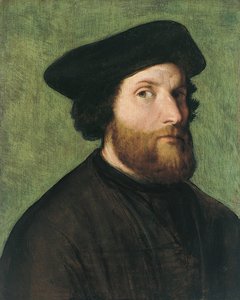
Lorenzo Lotto
1480 - 1556 , Italia
Datos clave
- Artistas Que Influyeron:
- Giovanni Bellini
- Palma el Viejo
- Giorgio Vasari
- Estilo Artístico: Renacimiento, Manierismo
- Fecha De Muerte: 1556
- Fecha De Nacimiento: 1480
- Lugar De Nacimiento: Venecia, Italia
- Nacionalidad: Italiana
- Nombre Completo: Lorenzo Lotto
- Obras Notables:
- Virgen y Niño con San Jerónimo
- Alegoría de la Virtud y el Vicio
- San Jerónimo en el desierto
Artículos relacionados

Lorenzo Lotto: Unveiling the Enigma of a Venetian Master's Portraits
Explore the captivating world of Lorenzo Lotto, a Venetian Renaissance master renowned for his psychologically insightful portraits & enigmatic symbolism. Discover his life, style, and rediscovered legacy with ArtsDot.

Jacopo Tintoretto: Las 25 Obras Maestras del Genio Veneciano | Arte y Decoración en ArtsDot
Descubre las 25 obras maestras de Jacopo Tintoretto, el genio veneciano del Renacimiento. Explora su arte dramático, composiciones innovadoras y paleta vibrante. Reproducciones de alta calidad en ArtsDot.com para transformar tu hogar.

El Greco: Las 25 Obras Maestras que Definen un Genio del Arte y la Fe
Descubre las 25 obras maestras de El Greco, el genio del Renacimiento español. Explora su arte religioso, manierismo y la historia detrás de cuadros icónicos como 'El Entierro del Conde de Orgaz'. Encuentra reproducciones de alta calidad en ArtsDot.com.
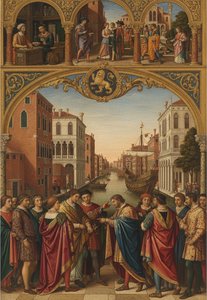
Vittore Carpaccio: Venetian Renaissance Narrative & the Poetics of Detail
Explore the captivating world of Vittore Carpaccio, a master storyteller of the Venetian Renaissance. Discover his intricate details, narrative cycles like 'The Legend of St. Ursula,' and unique artistic style.

Jacopo Palma il Giovane: A Venetian Master's Poetic Evolution
Explore the captivating world of Jacopo Palma il Giovane, a pivotal Venetian Renaissance master. Discover his unique style, influenced by Titian & Tintoretto, and learn about key works perfect for discerning collectors.