 Vista previa
 Compartir
 Compartir
 Ver detalles

 Descargar
 Ver similares
 Radiografía
 Presentación de diapositivas
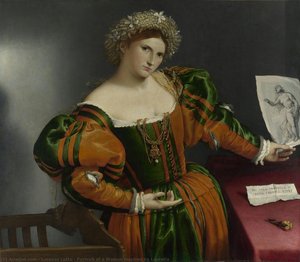
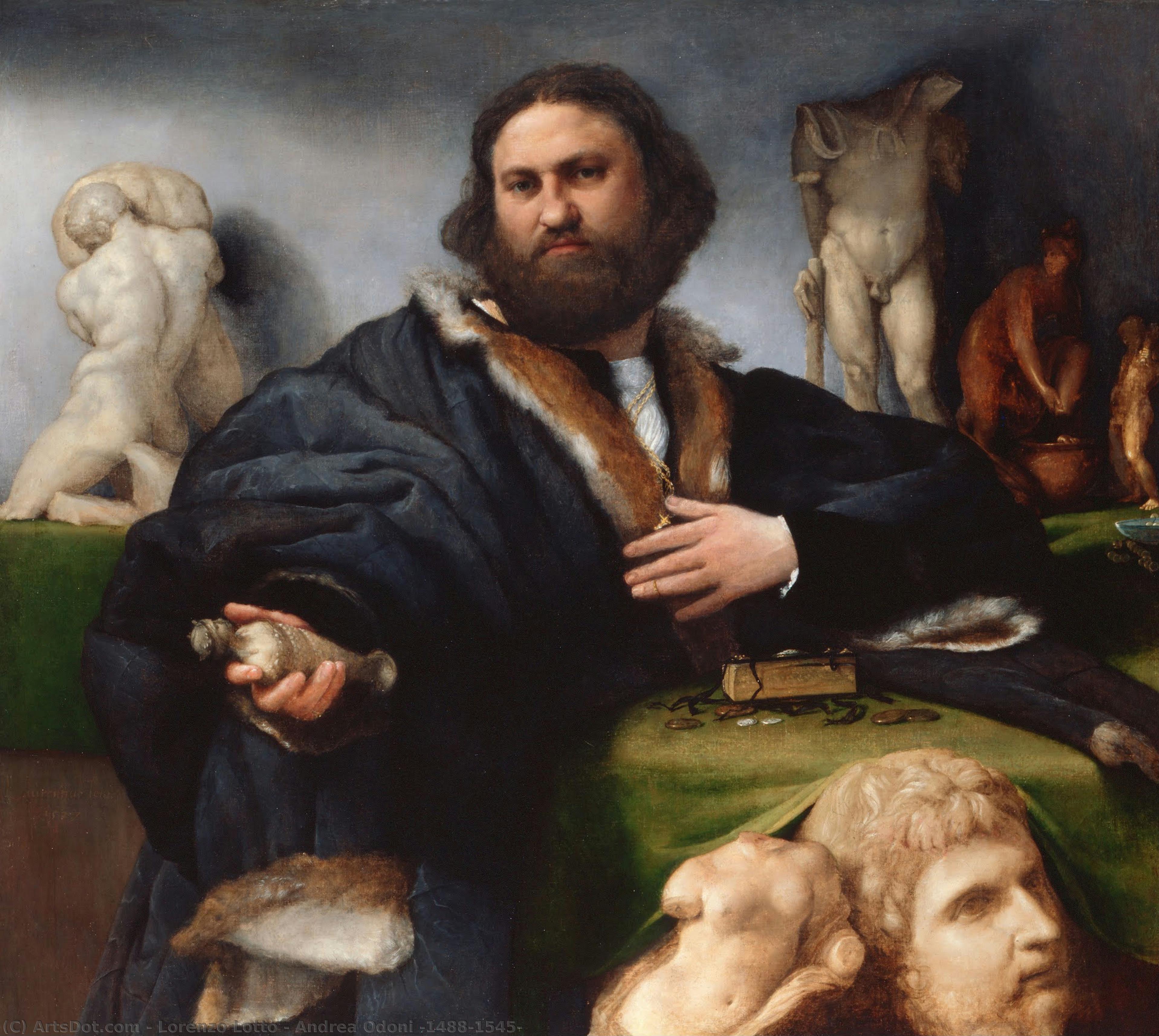
Andrea Odoni (1488-1545)


 Leer más
Giclée / Impresión de arte
Impresiones giclée o en lienzo de calidad de museo con producción rápida y opciones de acabado flexibles. ( Encargar reproducción pintada a mano Comprar descarga)




P118B $10

P118H $10

P118W $10

P438Z $10

P508JH $12

P508YH $12

P805H $10

P805Z $10

P919BZ $10

P919G $10

P919XJ $10

P959ZH $10

P968JZ $12

W106C $8

W218G $10

W218JH $8

W218Y $10

W307PJ $10

W316G $10

W316PJ $8

W316Y $10

W398PJ $8

W4111J $10

W500HY $15

W500JH $15

W692G $12

W849H $8

W940BG $15

W953PJ $8




Elija entre nuestros tamaños predefinidos que respetan las proporciones originales de la obra.

Puede introducir sus propias dimensiones para adaptarse a un marco o espacio específico. Si el tamaño seleccionado no coincide con las proporciones de la imagen original, recortaremos la obra de arte o extenderemos la imagen con un borde con efecto espejo o de color sólido. Se enviará una maqueta digital para su aprobación antes de que comience la producción.
Tenga en cuenta que la vista previa en pantalla no refleja el recorte o la extensión real. Solo la maqueta mostrará con precisión la composición final.
Aunque existen tamaños personalizados, recomendamos seleccionar una dimensión de la lista predefinida para preservar las proporciones originales.
Envío a todo el mundo () en 2 semanas en lugar de las 4/5 semanas estándar. (20 agosto)

Envío exprés gratuito a todo el mundo

Lienzo de lino de alta calidad

Seguro de envío completo

Garantía de reembolso de aranceles aduaneros

Garantía de fidelidad cromática exacta

Política de devolución de 60 días (solo por defectos)

Garantía de devolución del 100% del dinero

Oferta por volumen
 La opción de vidrio solo está disponible en tamaños inferiores a 110 cm.

Andrea Odoni (1488-1545)
Giclée / Impresión de arte
Tamaño de la reproducción
-


Precio total
$ 62
Descripción de la pieza
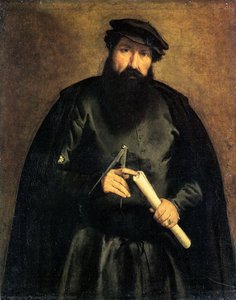
Lorenzo Lotto’s Enigmatic Portrait of Andrea Odoni – A Renaissance Dialogue
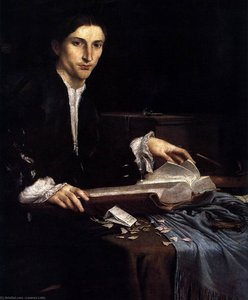
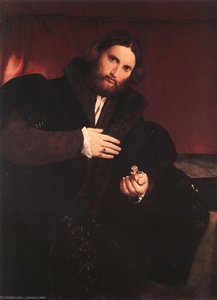
Lorenzo Lotto's 1527 portrait of Andrea Odoni isn’t merely a likeness; it’s a carefully constructed dialogue between the earthly and the divine, a testament to the Venetian collector’s wealth, intellect, and perhaps, his own complex worldview. This painting, now residing within the Royal Collection at Buckingham Palace, immediately captivates with its dense layering of symbolism and its masterful execution – a hallmark of Lotto's distinctive style that blended High Renaissance grace with nascent Mannerist sensibilities. It’s a work that invites prolonged contemplation, revealing new layers of meaning with each viewing.
Lotto, a restless spirit who spent much of his career wandering Italy rather than settling in one place, possessed an uncanny ability to imbue his subjects with psychological depth. In Odoni's portrait, this is particularly evident. The merchant himself—a man of considerable means and influence within Venice—is depicted not as a static figure, but as actively engaged in a private world. His gaze is direct, almost challenging, while the subtle tension in his posture suggests an internal debate. He’s not simply presenting himself; he's inviting us to understand his motivations, his beliefs, and perhaps even his anxieties.
A Symphony of Antiquity: Objects as Symbols
The composition is a carefully orchestrated arrangement of objects, each laden with symbolic weight. Dominating the foreground are fragments of classical sculpture – pieces of Hadrian’s bust, Hercules in various poses, and Venus figures—a deliberate homage to antiquity and a reflection of Odoni's own passion for collecting. These aren’t simply decorative elements; they represent a tangible connection to the glories of Rome and Greece, embodying ideals of beauty, strength, and intellectual pursuit. The inclusion of these fragments speaks volumes about Odoni’s status as a learned man and his desire to associate himself with the legacy of classical civilization.
Notably, Lotto doesn't simply place these sculptures around the figure; he integrates them into the scene, suggesting a dynamic relationship between the past and the present. The placement of the Diana of Ephesus statuette in Odoni’s hand is particularly intriguing. This small figurine, representing the goddess of the hunt and nature, stands in stark contrast to the classical figures, hinting at a tension between paganism and Christianity – a theme that runs throughout the painting. Lotto seems to be suggesting that while the allure of the ancient world remains strong, faith holds ultimate sway.
Technique and Atmosphere: Lotto’s Venetian Vision
Lotto's technique is characterized by its rich, dark tones and atmospheric effects—a hallmark of his Venetian period. He employs a dense layering of paint, creating a sense of depth and solidity that draws the viewer into the scene. The use of *sfumato*, a subtle blurring of edges, softens the forms and contributes to the painting’s overall mood of contemplative solemnity. The lighting is carefully controlled, casting dramatic shadows that emphasize Odoni's features and highlighting the textures of the fabrics and sculptures.
It’s important to note that Lotto was a master of illusionism, creating the impression of three-dimensionality through his skillful use of perspective and detail. The background, filled with statues and animals, feels remarkably real—almost as if it were an extension of Odoni's own private world. This masterful rendering of space contributes significantly to the painting’s overall impact, drawing the viewer into a realm of intellectual and spiritual contemplation.
A Portrait of Ambition and Contemplation
Ultimately, Lorenzo Lotto’s portrait of Andrea Odoni is more than just a representation of a wealthy merchant; it's a profound meditation on human ambition, faith, and the enduring power of the past. The painting speaks to the complexities of Renaissance thought—the tension between classical ideals and Christian beliefs, the pursuit of knowledge and the desire for earthly pleasures. It’s a work that rewards careful study, revealing new layers of meaning with each viewing, and offering a glimpse into the mind of a man who sought to shape his own legacy through art and erudition.
Obras relacionadas
Biografía del artista
Primeros años y formación
Lorenzo Lotto, un destacado pintor, dibujante e ilustrador italiano, nació en Venecia alrededor de 1480. Sus primeros años y su formación no están bien documentados, pero se cree que estuvo influenciado por Giovanni Bellini, una figura destacada de la escuela veneciana.Estilo artístico e influencias
La obra de Lotto se caracteriza por una mezcla única del Alto Renacimiento y el manierismo. Sus pinturas a menudo presentan retablos, temas religiosos y retratos, mostrando su habilidad técnica y profundidad emocional. La influencia de Palma el Viejo, amigo de Giorgio Vasari, puede verse en los primeros trabajos de Lotto.Obras destacadas y ubicaciones
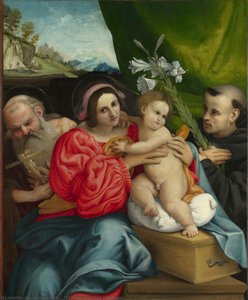
- Virgen y Niño con San Jerónimo (1506) (National Gallery of Scotland, Edimburgo)
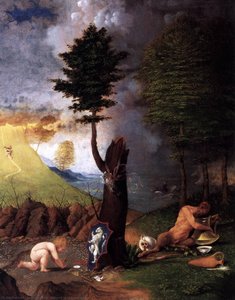
- Alegoría de la virtud y el vicio (1505) (National Gallery of Art, Washington)
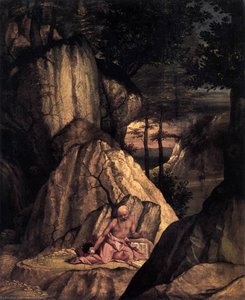
- San Jerónimo en el desierto (1500 o 1506) (Louvre, París)
Carrera y legado
La carrera de Lotto abarcó múltiples ubicaciones, incluyendo Treviso, Roma y Bergamo. Fue un pintor respetado en el norte de Italia, pero su obra fue en gran medida pasada por alto en Venecia. El estilo único de Lotto, que combinaba el clasicismo giorgionesco con los decorados dramáticos de Correggio, ha sido redescubierto en años recientes.Movimientos artísticos clave e influencias
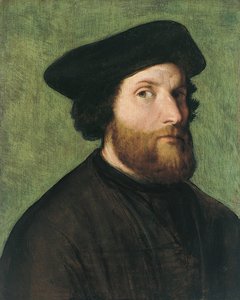
Lorenzo Lotto
1480 - 1556 , Italia
Datos clave
- Artistas Que Influyeron:
- Giovanni Bellini
- Palma el Viejo
- Giorgio Vasari
- Estilo Artístico: Renacimiento, Manierismo
- Fecha De Muerte: 1556
- Fecha De Nacimiento: 1480
- Lugar De Nacimiento: Venecia, Italia
- Nacionalidad: Italiana
- Nombre Completo: Lorenzo Lotto
- Obras Notables:
- Virgen y Niño con San Jerónimo
- Alegoría de la Virtud y el Vicio
- San Jerónimo en el desierto
Artículos relacionados
Lorenzo Lotto: Unveiling the Enigma of a Venetian Master's Portraits
Explore the captivating world of Lorenzo Lotto, a Venetian Renaissance master renowned for his psychologically insightful portraits & enigmatic symbolism. Discover his life, style, and rediscovered legacy with ArtsDot.
The Enduring Legacy of Formal Portraiture: Power, Identity & Artistic Exploration
Explore the rich history of formal portraiture & its enduring power to capture identity and shape perception. Discover investment-worthy artworks, expert appraisals, and custom reproduction services at ArtsDot.
The Enduring Gaze: Portraiture's Historical & Psychological Evolution
Explore the rich history of portraiture with expert analysis from ArtsDot. Discover iconic Renaissance masterpieces, symbolism & techniques that shaped identity. Find museum-quality art for your collection.
The Grandeur of Presence: Exploring Representations of Stately Bearing in Western Portraiture
Explore the art of stately bearing in Western portraiture with expert analysis of Renaissance & Baroque masterpieces. Discover symbolism, techniques, and the legacy of iconic portraits – a guide for discerning collectors.
The Enduring Gaze: A Historical & Artistic Exploration of Portraiture Across Cultures
Explore the rich history of portraiture with ArtsDot.com! Discover symbolism, techniques & master artists from antiquity to modern times. Expert insights for art collectors.