 Ver en contexto
 Enviar
 Compartir
 Detalles

 Descargar
 Similares
 Radiografía
 Presentación de diapositivas
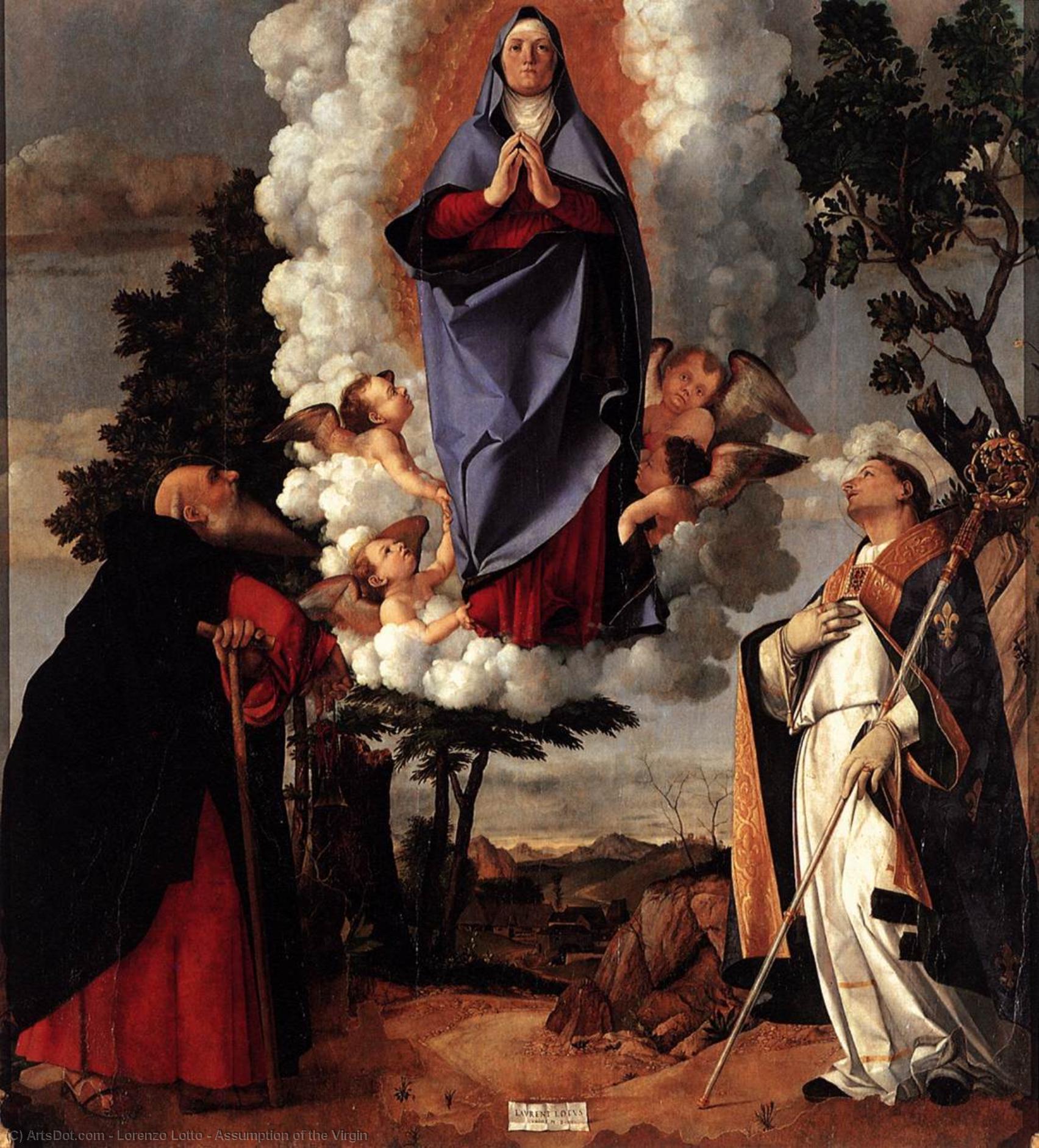
Assumption of the Virgin
 Oil On Canvas
- WallArt
- Early Renaissance Mannerism
 1506
1506 175.0 x 162.0 cm
 Duomo
Duomo
 Ver más
Giclée / Impresión de arte
Impresiones giclée o en lienzo de calidad de museo con producción rápida y opciones de acabado flexibles. ( Comprar pintura hecha a mano Comprar imagen)




P118B $10

P118H $10

P118W $10

P438Z $10

P508JH $12

P508YH $12

P805H $10

P805Z $10

P919BZ $10

P919G $10

P919XJ $10

P959ZH $10

P968JZ $12

W106C $8

W218G $10

W218JH $8

W218Y $10

W307PJ $10

W316G $10

W316PJ $8

W316Y $10

W398PJ $8

W4111J $10

W500HY $15

W500JH $15

W692G $12

W849H $8

W940BG $15

W953PJ $8




Elija entre nuestros tamaños predefinidos que respetan las proporciones originales de la obra.

Puede introducir sus propias dimensiones para adaptarse a un marco o espacio específico. Si el tamaño seleccionado no coincide con las proporciones de la imagen original, recortaremos la obra de arte o extenderemos la imagen con un borde con efecto espejo o de color sólido. Se enviará una maqueta digital para su aprobación antes de que comience la producción.
Tenga en cuenta que la vista previa en pantalla no refleja el recorte o la extensión real. Solo la maqueta mostrará con precisión la composición final.
Aunque existen tamaños personalizados, recomendamos seleccionar una dimensión de la lista predefinida para preservar las proporciones originales.
Envío a todo el mundo () en 2 semanas en lugar de las 4/5 semanas estándar. (25 agosto)

Envío exprés gratuito a todo el mundo

Lienzo de lino de alta calidad

Seguro de envío total

Garantía de reembolso de impuestos aduaneros

Garantía de fidelidad cromática exacta

Política de devolución de 60 días (solo por defectos)

Garantía de devolución del 100% del dinero

Descuento por cantidad
 La opción de vidrio solo está disponible en tamaños inferiores a 110 cm.

Assumption of the Virgin
Giclée / Impresión de arte
Dimensiones de la reproducción
-


Precio total final
$ 62
Descripción de la pieza
Lorenzo Lotto’s ‘Assumption of the Virgin’: A Venetian Masterpiece
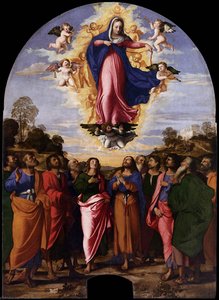
Lorenzo Lotto's “Assumption of the Virgin,” painted in 1506, is more than just a religious depiction; it’s a profound meditation on faith, earthly existence, and the transcendent beauty of the heavens. Executed during a pivotal moment in his career, this work exemplifies Lotto’s distinctive style – a captivating blend of Venetian Renaissance idealism with burgeoning Mannerist tendencies that foreshadowed artistic developments to come. Measuring 175 x 162 cm, the painting commands attention with its intricate detail and emotionally charged composition, offering a window into the spiritual concerns of 16th-century Venice.
- Subject Matter: The scene depicts the Assumption of Mary, a central tenet of Christian belief asserting her bodily ascent to heaven following her death. Lotto’s interpretation moves beyond simple iconography, imbuing the event with a palpable sense of sorrow and serene acceptance.
- Style & Technique: Lotto's mastery is immediately apparent in his meticulous rendering of fabrics, textures, and human forms. The figures are not idealized in a purely classical manner; rather, they possess a subtle awkwardness – a hallmark of Mannerism – that lends them an air of psychological depth. His use of color is particularly noteworthy, employing rich, layered pigments to create a luminous effect, especially evident in the drapery and the ethereal glow surrounding Mary.
A Venetian Context: Lotto’s Itinerant Career
Understanding Lorenzo Lotto requires acknowledging his unique artistic trajectory. Born in Venice around 1480, Lotto's career was defined by constant movement. Initially apprenticed to Giovanni Bellini, he quickly developed a style that diverged from his master’s more traditional approach. His travels – encompassing Treviso, Rome, Bergamo, and Ancona – exposed him to diverse artistic influences, fostering an independent spirit and contributing significantly to the evolution of his distinctive vision. This itinerant lifestyle is reflected in the painting's nuanced details and its ability to evoke a sense of timelessness, transcending any single regional aesthetic.
- Bellini’s Influence: Lotto absorbed Bellini’s technical skills – particularly his mastery of color and composition – but he ultimately forged his own path.
- Mannerist Sensibilities: The subtle distortions in the figures' poses, a characteristic feature of Mannerism, demonstrate Lotto’s engagement with this emerging artistic movement.
Symbolism & Narrative Depth
The “Assumption of the Virgin” is rich in symbolic meaning. The angels surrounding Mary are not merely attendants; they represent divine grace and assistance. The figures on either side of her – a grieving Joseph and perhaps an early disciple – underscore the human element within this sacred event, highlighting the emotional weight of Mary’s ascension. The carefully placed birds, seemingly oblivious to the momentous scene, add a layer of contemplative symbolism, suggesting the connection between earthly life and the divine realm. The overall composition directs the viewer's eye upwards, reinforcing the painting's central theme of spiritual elevation.
- Angels as Messengers: Their presence signifies divine intervention and support.
- Human Figures: Representing earthly grief and devotion alongside heavenly grace.
Emotional Impact & Artistic Legacy
“Assumption of the Virgin” continues to resonate with viewers centuries after its creation. Lotto’s ability to convey both spiritual awe and profound human emotion is a testament to his artistic genius. This painting represents a high point in Lotto's career, showcasing his technical prowess and his unique vision. A hand-painted reproduction offers an unparalleled opportunity to experience the beauty and emotional depth of this masterpiece within your own space – a timeless addition to any collection or interior design scheme.
Obras relacionadas

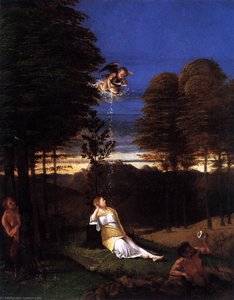
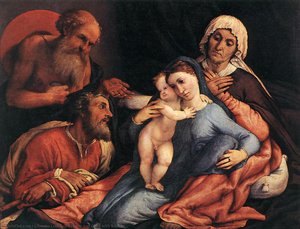
Biografía del artista
Primeros años y formación
Lorenzo Lotto, un destacado pintor, dibujante e ilustrador italiano, nació en Venecia alrededor de 1480. Sus primeros años y su formación no están bien documentados, pero se cree que estuvo influenciado por Giovanni Bellini, una figura destacada de la escuela veneciana.Estilo artístico e influencias
La obra de Lotto se caracteriza por una mezcla única del Alto Renacimiento y el manierismo. Sus pinturas a menudo presentan retablos, temas religiosos y retratos, mostrando su habilidad técnica y profundidad emocional. La influencia de Palma el Viejo, amigo de Giorgio Vasari, puede verse en los primeros trabajos de Lotto.Obras destacadas y ubicaciones
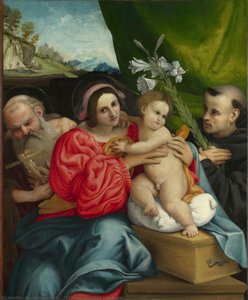
- Virgen y Niño con San Jerónimo (1506) (National Gallery of Scotland, Edimburgo)
- Alegoría de la virtud y el vicio (1505) (National Gallery of Art, Washington)
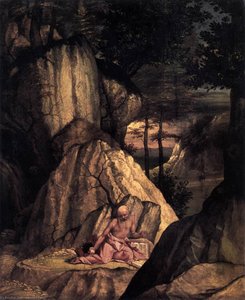
- San Jerónimo en el desierto (1500 o 1506) (Louvre, París)
Carrera y legado
La carrera de Lotto abarcó múltiples ubicaciones, incluyendo Treviso, Roma y Bergamo. Fue un pintor respetado en el norte de Italia, pero su obra fue en gran medida pasada por alto en Venecia. El estilo único de Lotto, que combinaba el clasicismo giorgionesco con los decorados dramáticos de Correggio, ha sido redescubierto en años recientes.Movimientos artísticos clave e influencias
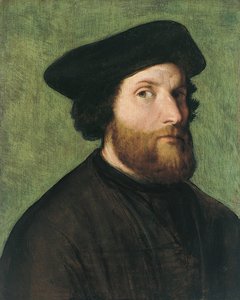
Lorenzo Lotto
1480 - 1556 , Italia
Datos clave
- Artistas Que Influyeron:
- Giovanni Bellini
- Palma el Viejo
- Giorgio Vasari
- Estilo Artístico: Renacimiento, Manierismo
- Fecha De Muerte: 1556
- Fecha De Nacimiento: 1480
- Lugar De Nacimiento: Venecia, Italia
- Nacionalidad: Italiana
- Nombre Completo: Lorenzo Lotto
- Obras Notables:
- Virgen y Niño con San Jerónimo
- Alegoría de la Virtud y el Vicio
- San Jerónimo en el desierto
Artículos relacionados

Giclée Prints: Archival Quality & Aesthetic Nuances for the Discerning Collector
Explore the world of giclée prints with ArtsDot. Learn about archival quality, aesthetic nuances & investment potential. Expert guidance for discerning art collectors seeking museum-quality reproductions and lasting value.

The Enduring Legacy of Fine Art Prints: Technique, History & Aesthetic Impact
Explore the rich history & techniques of fine art prints. Discover investment potential, assess authenticity, and learn how to preserve your collection with expert guidance. Trusted insights for discerning collectors.

Echoes of Time: Exploring the Enduring Appeal & Historical Context of Vintage Art Prints
Explore the captivating world of vintage art prints! Discover their history, collecting tips & enduring appeal. Expert insights on chromolithography and building a legacy collection with ArtsDot.

The Enduring Legacy of Printmaking: Techniques, Themes & Artistic Innovation Across Centuries
Explore the rich history of printmaking with ArtsDot. Discover techniques from intaglio to lithography, learn about collecting valuable prints & find museum-quality reproductions. Expert insights for art enthusiasts and collectors.

The Enduring Legacy of Woodblock Printmaking: Technique, History & Artistic Expression
Explore the rich history of woodblock printmaking – from ancient techniques to Ukiyo-e masterpieces. Discover expert insights on collecting, preserving & appreciating this enduring art form.