 Ver en contexto
 Enviar
 Compartir
 Detalles

 Descargar
 Similares
 Radiografía
 Presentación de diapositivas
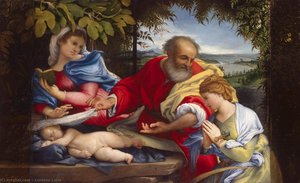
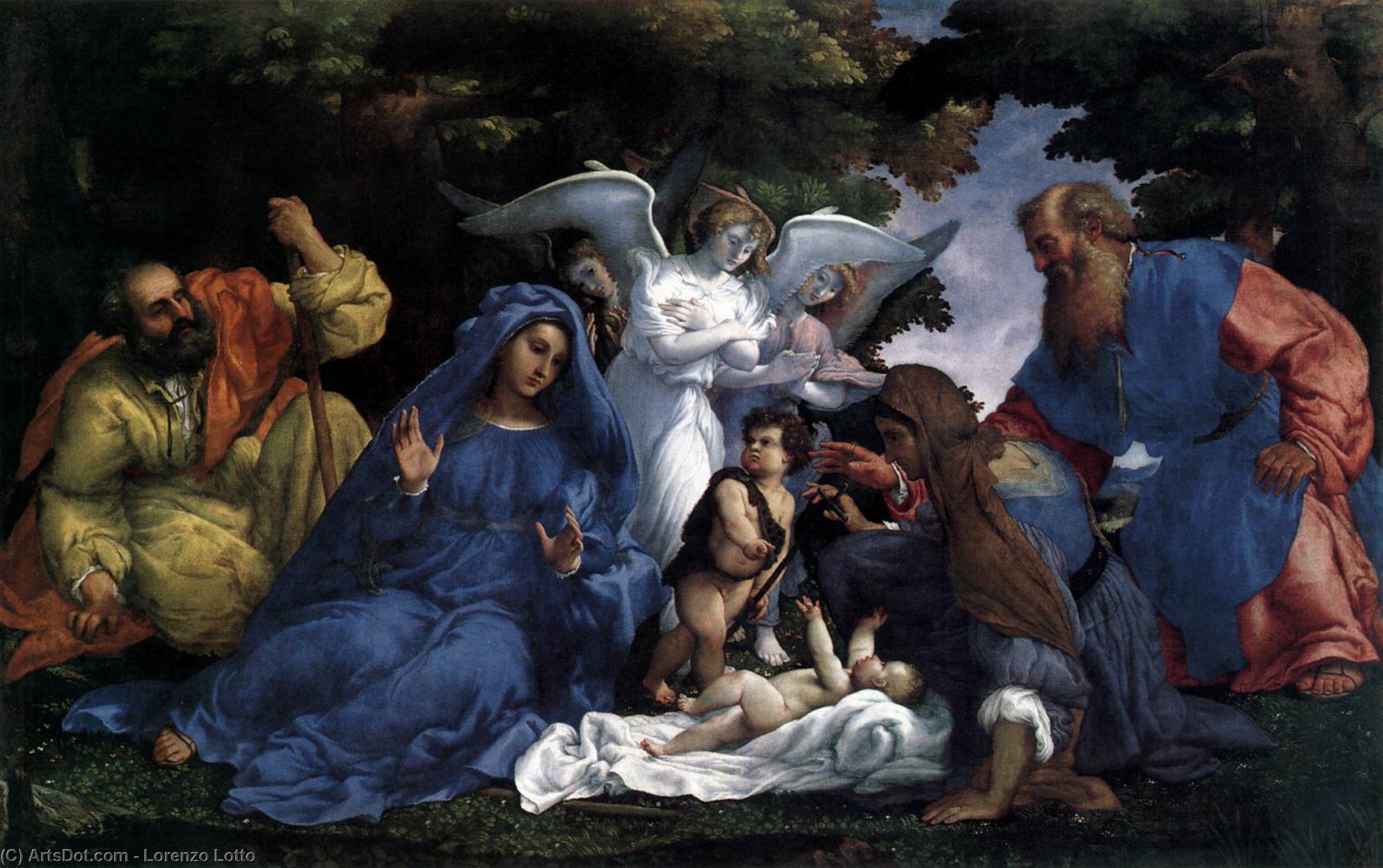
Holy Family with Angels
 Acrylic On Canvas
- WallArt
- High Renaissance
 1536
1536 150.0 x 237.0 cm
 Museo del Louvre
 Ver más
Giclée / Impresión de arte
Impresiones giclée o en lienzo de calidad de museo con producción rápida y opciones de acabado flexibles. ( Comprar pintura hecha a mano Comprar imagen)




P118B $10

P118H $10

P118W $10

P438Z $10

P508JH $12

P508YH $12

P805H $10

P805Z $10

P919BZ $10

P919G $10

P919XJ $10

P959ZH $10

P968JZ $12

W106C $8

W218G $10

W218JH $8

W218Y $10

W307PJ $10

W316G $10

W316PJ $8

W316Y $10

W398PJ $8

W4111J $10

W500HY $15

W500JH $15

W692G $12

W849H $8

W940BG $15

W953PJ $8




Elija entre nuestros tamaños predefinidos que respetan las proporciones originales de la obra.

Puede introducir sus propias dimensiones para adaptarse a un marco o espacio específico. Si el tamaño seleccionado no coincide con las proporciones de la imagen original, recortaremos la obra de arte o extenderemos la imagen con un borde con efecto espejo o de color sólido. Se enviará una maqueta digital para su aprobación antes de que comience la producción.
Tenga en cuenta que la vista previa en pantalla no refleja el recorte o la extensión real. Solo la maqueta mostrará con precisión la composición final.
Aunque existen tamaños personalizados, recomendamos seleccionar una dimensión de la lista predefinida para preservar las proporciones originales.
Envío a todo el mundo () en 2 semanas en lugar de las 4/5 semanas estándar. (28 agosto)

Envío exprés gratuito a todo el mundo

Lienzo de lino de alta calidad

Seguro de envío total

Garantía de reembolso de impuestos aduaneros

Garantía de fidelidad cromática exacta

Política de devolución de 60 días (solo por defectos)

Garantía de devolución del 100% del dinero

Descuento por cantidad
 La opción de vidrio solo está disponible en tamaños inferiores a 110 cm.

Holy Family with Angels
Giclée / Impresión de arte
Dimensiones de la reproducción
-


Precio total final
$ 62
Lorenzo Lotto’s “Holy Family with Angels”: A Venetian Masterpiece of Intimacy and Grace
Lorenzo Lotto's "Holy Family with Angels," painted in 1536, is more than just a depiction of the Virgin Mary, Saint Joseph, and the infant Jesus; it’s a profound meditation on family, faith, and the quiet dignity of domestic life. Born in Venice during a period of immense artistic ferment – a time when the city was simultaneously embracing the grandeur of High Renaissance ideals while subtly yielding to the emerging complexities of Mannerism – Lotto carved out a unique path, one defined by an intensely personal style that prioritized emotional resonance over strict adherence to convention. Unlike many of his contemporaries who sought patronage within established courts or grand artistic circles, Lotto’s career was characterized by a restless journey through Italy, from the bustling canals of Venice to the quieter landscapes of Ancona and Loreto. This itinerant existence, coupled with his deep-seated religious devotion, profoundly shaped his art, imbuing it with an unparalleled sense of intimacy and psychological depth.
The painting immediately draws the viewer into a warmly lit interior – likely a humble carpenter’s workshop, judging by Joseph's focused work on a yoke. Lotto masterfully employs light to create a sense of both realism and ethereal beauty. The primary source of illumination, emanating from an unseen window, casts soft shadows across the figures, highlighting their faces and gestures with remarkable sensitivity. This use of chiaroscuro – the dramatic contrast between light and dark – was a hallmark of Lotto’s technique, allowing him to convey not just physical form but also emotional states. The composition is carefully balanced, drawing our eye from the sleeping infant Jesus in his cradle to Mary, who gazes down at him with tender affection, and finally to Joseph, diligently working alongside her. The angels, subtly integrated into the scene rather than dominating it, add a layer of divine grace without disrupting the familial harmony.
Symbolism and Spiritual Depth
Beyond its immediate visual appeal, “Holy Family with Angels” is rich in symbolic meaning. The presence of the angels, positioned on either side of the family and partially obscured in the background, represents God’s watchful protection and divine guidance. Their wings, rendered with a delicate touch, suggest both their celestial origins and their intimate involvement in human affairs. The open book held by Mary is a potent symbol of knowledge, faith, and the role of women as keepers of wisdom within the family and community. The cradle itself, a simple yet carefully constructed structure, represents the beginning of Christ’s earthly life and serves as a focal point for the composition. Even the tools Joseph uses – the axe and the yoke – carry symbolic weight, representing his role as provider and protector, mirroring the divine qualities of strength and stability.
Lotto's Venetian Style: A Bridge Between Eras
While Lotto’s work is often categorized within the High Renaissance tradition, it also exhibits characteristics of the nascent Mannerist style that was beginning to emerge in Italy during this period. His figures are not idealized in the classical sense; they possess a certain awkwardness and expressiveness that reflects the psychological complexities of human experience. His use of color is restrained yet vibrant, employing rich reds, blues, and browns to create a sense of warmth and depth. Lotto’s style can be seen as a bridge between the polished elegance of his Venetian predecessors like Bellini and the increasingly stylized forms of artists like Pontormo and Rosso Fiorentino. He managed to synthesize these influences into a uniquely personal vision, one that prioritized emotional truth over formal perfection.
A Timeless Portrait of Family
“Holy Family with Angels” is not merely a religious painting; it’s a timeless portrait of family life – a celebration of love, devotion, and the quiet dignity of everyday existence. Lotto's ability to capture the intimate connection between Mary, Joseph, and Jesus is remarkable, creating an image that resonates deeply with viewers across centuries. The painting’s enduring appeal lies in its honesty, its emotional depth, and its profound sense of spiritual grace. It remains a testament to Lorenzo Lotto’s extraordinary talent and his unique vision as one of the most important artists of the Italian Renaissance.
Obras relacionadas
Biografía del artista
Primeros años y formación
Lorenzo Lotto, un destacado pintor, dibujante e ilustrador italiano, nació en Venecia alrededor de 1480. Sus primeros años y su formación no están bien documentados, pero se cree que estuvo influenciado por Giovanni Bellini, una figura destacada de la escuela veneciana.Estilo artístico e influencias
La obra de Lotto se caracteriza por una mezcla única del Alto Renacimiento y el manierismo. Sus pinturas a menudo presentan retablos, temas religiosos y retratos, mostrando su habilidad técnica y profundidad emocional. La influencia de Palma el Viejo, amigo de Giorgio Vasari, puede verse en los primeros trabajos de Lotto.Obras destacadas y ubicaciones
- Virgen y Niño con San Jerónimo (1506) (National Gallery of Scotland, Edimburgo)
- Alegoría de la virtud y el vicio (1505) (National Gallery of Art, Washington)
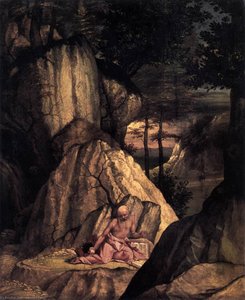
- San Jerónimo en el desierto (1500 o 1506) (Louvre, París)
Carrera y legado
La carrera de Lotto abarcó múltiples ubicaciones, incluyendo Treviso, Roma y Bergamo. Fue un pintor respetado en el norte de Italia, pero su obra fue en gran medida pasada por alto en Venecia. El estilo único de Lotto, que combinaba el clasicismo giorgionesco con los decorados dramáticos de Correggio, ha sido redescubierto en años recientes.Movimientos artísticos clave e influencias
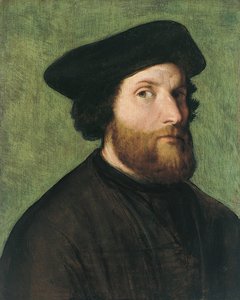
Lorenzo Lotto
1480 - 1556 , Italia
Datos clave
- Artistas Que Influyeron:
- Giovanni Bellini
- Palma el Viejo
- Giorgio Vasari
- Estilo Artístico: Renacimiento, Manierismo
- Fecha De Muerte: 1556
- Fecha De Nacimiento: 1480
- Lugar De Nacimiento: Venecia, Italia
- Nacionalidad: Italiana
- Nombre Completo: Lorenzo Lotto
- Obras Notables:
- Virgen y Niño con San Jerónimo
- Alegoría de la Virtud y el Vicio
- San Jerónimo en el desierto
Artículos relacionados
Lorenzo Lotto: Unveiling the Enigma of a Venetian Master's Portraits
Explore the captivating world of Lorenzo Lotto, a Venetian Renaissance master renowned for his psychologically insightful portraits & enigmatic symbolism. Discover his life, style, and rediscovered legacy with ArtsDot.
Celestial Messengers: Angels in Painting – A Historical & Artistic Exploration
Explore the captivating history of angels in painting! Discover symbolism, iconic Renaissance & Byzantine masterpieces, and renowned artists. Expert insights for art lovers & collectors at ArtsDot.
Celestial Messengers: A Comprehensive Exploration of Angelic Representation in Art History
Explore the captivating history of angels in art! Discover symbolism, iconic Renaissance masterpieces & renowned artists. Expert insights for art lovers & collectors at ArtsDot.

Jacopo Tintoretto: Las 25 Obras Maestras del Genio Veneciano | Arte y Decoración en ArtsDot
Descubre las 25 obras maestras de Jacopo Tintoretto, el genio veneciano del Renacimiento. Explora su arte dramático, composiciones innovadoras y paleta vibrante. Reproducciones de alta calidad en ArtsDot.com para transformar tu hogar.
Jacopo Bassano: A Venetian Master of Color, Family & the Renaissance Landscape
Explore the life & art of Jacopo Bassano, a Venetian master renowned for his vibrant colorism and innovative religious scenes. Discover his family legacy & enduring influence on Renaissance painting with ArtsDot.