 Ver en contexto
 Enviar
 Compartir
 Detalles

 Descargar
 Similares
 Radiografía
 Presentación de diapositivas
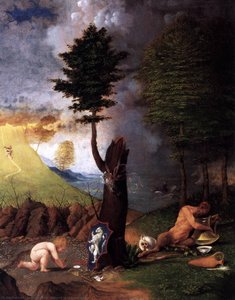
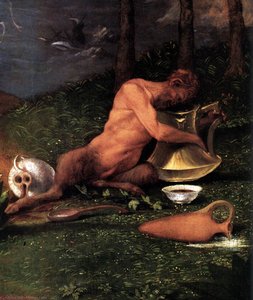
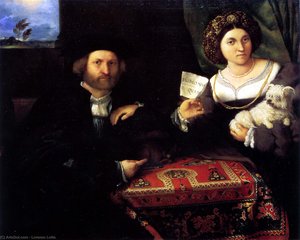
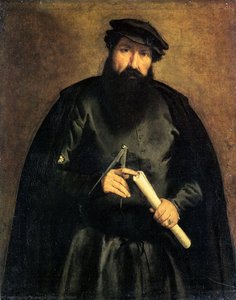
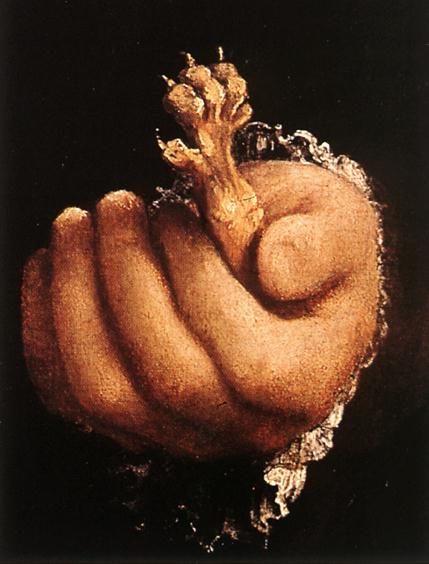
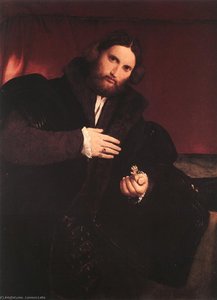
Man with a Golden Paw (detail)
 Oil On Canvas
- WallArt
- Early Renaissance
 1527
1527- Renaissance
 96.0 x 70.0 cm
 Kunsthistorisches Museum
 Ver más
Giclée / Impresión de arte
Impresiones giclée o en lienzo de calidad de museo con producción rápida y opciones de acabado flexibles. ( Comprar pintura hecha a mano Comprar imagen)




P118B $10

P118H $10

P118W $10

P438Z $10

P508JH $12

P508YH $12

P805H $10

P805Z $10

P919BZ $10

P919G $10

P919XJ $10

P959ZH $10

P968JZ $12

W106C $8

W218G $10

W218JH $8

W218Y $10

W307PJ $10

W316G $10

W316PJ $8

W316Y $10

W398PJ $8

W4111J $10

W500HY $15

W500JH $15

W692G $12

W849H $8

W940BG $15

W953PJ $8




Elija entre nuestros tamaños predefinidos que respetan las proporciones originales de la obra.

Puede introducir sus propias dimensiones para adaptarse a un marco o espacio específico. Si el tamaño seleccionado no coincide con las proporciones de la imagen original, recortaremos la obra de arte o extenderemos la imagen con un borde con efecto espejo o de color sólido. Se enviará una maqueta digital para su aprobación antes de que comience la producción.
Tenga en cuenta que la vista previa en pantalla no refleja el recorte o la extensión real. Solo la maqueta mostrará con precisión la composición final.
Aunque existen tamaños personalizados, recomendamos seleccionar una dimensión de la lista predefinida para preservar las proporciones originales.
Envío a todo el mundo () en 2 semanas en lugar de las 4/5 semanas estándar. (29 agosto)

Envío exprés gratuito a todo el mundo

Lienzo de lino de alta calidad

Seguro de envío total

Garantía de reembolso de impuestos aduaneros

Garantía de fidelidad cromática exacta

Política de devolución de 60 días (solo por defectos)

Garantía de devolución del 100% del dinero

Descuento por cantidad
 La opción de vidrio solo está disponible en tamaños inferiores a 110 cm.

Man with a Golden Paw (detail)
Giclée / Impresión de arte
Dimensiones de la reproducción
-


Precio total final
$ 62
Man with a Golden Paw – A Venetian Masterpiece Reflects Spiritual Contemplation
Lorenzo Lotto’s “Man with a Golden Paw,” painted in 1527, stands as a testament to the enduring power of Venetian Renaissance art—a painting that transcends mere visual beauty and delves into profound spiritual contemplation. Executed during a period marked by religious fervor and humanist inquiry, Lotto's work embodies the artistic sensibilities of his time while simultaneously asserting an individual stylistic voice.
Style & Technique: Lotto’s distinctive style is characterized by a remarkable blend of High Renaissance elegance and emerging Mannerist tendencies. Unlike the idealized figures prevalent in many contemporary paintings, Lotto portrays human forms with subtle distortions—a characteristic known as “sprezzatura”—that convey an inner psychological complexity. The artist meticulously employs oil paint on canvas, layering thin glazes to achieve luminous color palettes and remarkable textural detail. Observe how Lotto captures the delicate folds of drapery and the subtle nuances of skin tone, demonstrating a mastery of observational realism combined with expressive artistic license.
Historical Context: Lotto’s painting emerged during the Reformation, a turbulent era in European history that challenged papal authority and fueled debates about faith and morality. The artwork reflects the humanist preoccupation with human experience—particularly the contemplation of God—that permeated intellectual circles throughout Italy. Loreto Abbey, where Lotto served as a lay brother, provided him with an environment conducive to artistic reflection and spiritual devotion.
Symbolism: The central figure—a man holding a bird—is laden with symbolic significance. Traditionally interpreted as representing Christ carrying the soul of humanity into paradise, the gesture embodies Christian theology’s core belief in salvation through divine grace. The golden paw itself serves as an emblem of papal authority and spiritual enlightenment—a deliberate allusion to Saint Peter’s role as protector of the Church. Furthermore, the inclusion of a clock symbolizes mortality and the passage of time, prompting viewers to consider the ephemeral nature of earthly existence.
Emotional Impact: “Man with a Golden Paw” evokes a sense of serene solemnity—a contemplative gaze directed inward toward spiritual contemplation. Lotto’s masterful use of color and light contributes to this emotional resonance, creating an atmosphere of tranquility and reverence. The painting invites viewers to engage in introspection and ponder the mysteries of faith, reminding us that art can transcend temporal concerns to communicate universal truths.
- Material: Oil paint on Canvas
- Dimensions: 96 x 70 cm
- Artist: Lorenzo Lotto
- Year Painted: 1527
- Location: Loreto Abbey, Italy
A reproduction of “Man with a Golden Paw” would undoubtedly enrich any interior space—bringing forth an aura of sophistication and spiritual contemplation. Its luminous palette and intricate textural detail serve as a captivating reminder of the artistic legacy of Venice during its golden age.
Obras relacionadas


Biografía del artista
Primeros años y formación
Lorenzo Lotto, un destacado pintor, dibujante e ilustrador italiano, nació en Venecia alrededor de 1480. Sus primeros años y su formación no están bien documentados, pero se cree que estuvo influenciado por Giovanni Bellini, una figura destacada de la escuela veneciana.Estilo artístico e influencias
La obra de Lotto se caracteriza por una mezcla única del Alto Renacimiento y el manierismo. Sus pinturas a menudo presentan retablos, temas religiosos y retratos, mostrando su habilidad técnica y profundidad emocional. La influencia de Palma el Viejo, amigo de Giorgio Vasari, puede verse en los primeros trabajos de Lotto.Obras destacadas y ubicaciones
- Virgen y Niño con San Jerónimo (1506) (National Gallery of Scotland, Edimburgo)
- Alegoría de la virtud y el vicio (1505) (National Gallery of Art, Washington)
- San Jerónimo en el desierto (1500 o 1506) (Louvre, París)
Carrera y legado
La carrera de Lotto abarcó múltiples ubicaciones, incluyendo Treviso, Roma y Bergamo. Fue un pintor respetado en el norte de Italia, pero su obra fue en gran medida pasada por alto en Venecia. El estilo único de Lotto, que combinaba el clasicismo giorgionesco con los decorados dramáticos de Correggio, ha sido redescubierto en años recientes.Movimientos artísticos clave e influencias
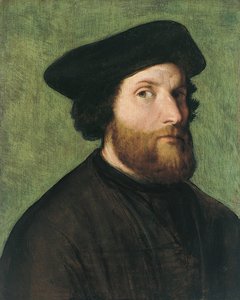
Lorenzo Lotto
1480 - 1556 , Italia
Datos clave
- Artistas Que Influyeron:
- Giovanni Bellini
- Palma el Viejo
- Giorgio Vasari
- Estilo Artístico: Renacimiento, Manierismo
- Fecha De Muerte: 1556
- Fecha De Nacimiento: 1480
- Lugar De Nacimiento: Venecia, Italia
- Nacionalidad: Italiana
- Nombre Completo: Lorenzo Lotto
- Obras Notables:
- Virgen y Niño con San Jerónimo
- Alegoría de la Virtud y el Vicio
- San Jerónimo en el desierto
Artículos relacionados
Lorenzo Lotto: Unveiling the Enigma of a Venetian Master's Portraits
Explore the captivating world of Lorenzo Lotto, a Venetian Renaissance master renowned for his psychologically insightful portraits & enigmatic symbolism. Discover his life, style, and rediscovered legacy with ArtsDot.

Jacopo Tintoretto: Las 25 Obras Maestras del Genio Veneciano | Arte y Decoración en ArtsDot
Descubre las 25 obras maestras de Jacopo Tintoretto, el genio veneciano del Renacimiento. Explora su arte dramático, composiciones innovadoras y paleta vibrante. Reproducciones de alta calidad en ArtsDot.com para transformar tu hogar.
La Luz Dorada de la Innovación: Explorando el Renacimiento Veneciano (1430–1580)
Descubra la riqueza y el esplendor del Renacimiento veneciano con ArtsDot. Explore las obras maestras de Tiziano, Giorgione y Tintoretto. Análisis experto, historia detallada e información para coleccionistas.

Las 10 Obras de Arte que Despiertan Profundas Emociones Espirituales |
Descubre 10 obras de arte icónicas que inspiran paz y reflexión. Explora la historia, el simbolismo y las emociones detrás de Van Gogh, Monet, Da Vinci y más. Encuentra reproducciones de museo en .
Feathered Visions: A Historical & Artistic Exploration of Birds in Painting
Explore the rich history of birds in painting! Discover symbolism, artistic movements & master artists like Audubon. High-quality reproductions available at ArtsDot.