 Ver en contexto
 Enviar
 Compartir
 Detalles

 Descargar
 Similares
 Radiografía
 Presentación de diapositivas
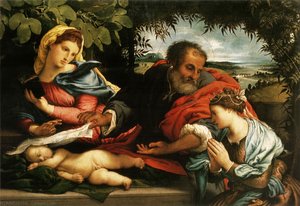
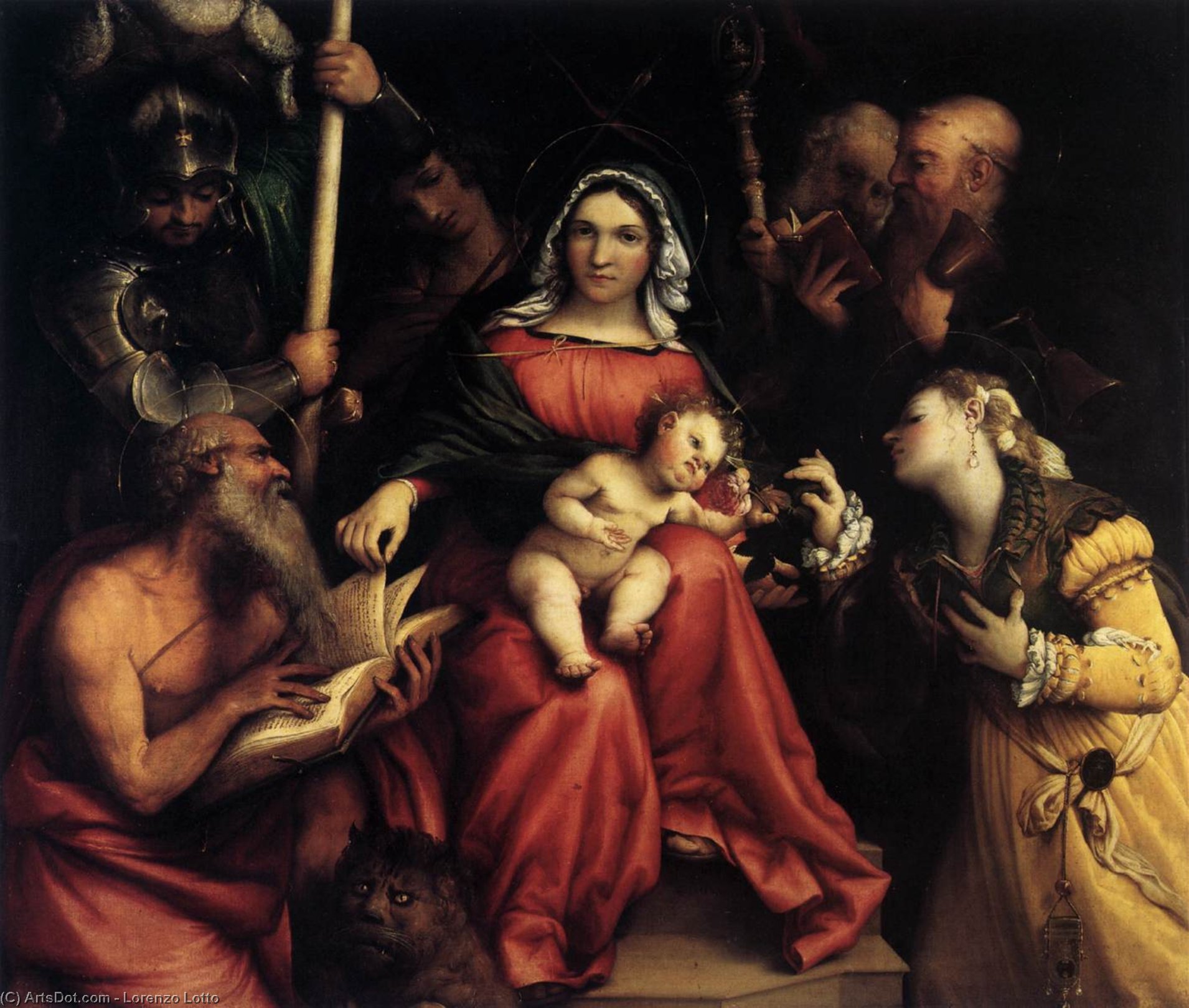
Mystic Marriage of St Catherine
 Oil On Panel
- WallArt
- Renaissance
 1524
1524- Renaissance
 98.0 x 115.0 cm
 Galleria Nazionale d’Arte Antica
 Ver más
Reproducción al óleo hecha a mano
Óleo sobre lienzo pintado a mano en el tamaño y marco de su elección, realizado por encargo por nuestros artistas. ( Comprar impresión Comprar imagen)




P118B $10

P118H $10

P118W $10

P438Z $10

P508JH $12

P508YH $12

P805H $10

P805Z $10

P919BZ $10

P919G $10

P919XJ $10

P959ZH $10

P968JZ $12

W106C $8

W218G $10

W218JH $8

W218Y $10

W307PJ $10

W316G $10

W316PJ $8

W316Y $10

W398PJ $8

W4111J $10

W500HY $15

W500JH $15

W692G $12

W849H $8

W940BG $15

W953PJ $8




Elija entre nuestros tamaños predefinidos que respetan las proporciones originales de la obra.

Puede ingresar sus propias dimensiones para adaptarse a un marco o espacio específico. Si el tamaño seleccionado no coincide con las proporciones de la imagen original, recortaremos la obra o extenderemos la pintura con elementos adicionales pintados a mano. Se le enviará una maqueta digital para su aprobación antes de comenzar la producción.
Tenga en cuenta que la vista previa en pantalla no refleja el recorte o la extensión reales. Solo la maqueta mostrará con precisión la composición final.
Si bien existen tamaños personalizados, recomendamos seleccionar una dimensión de la lista predefinida para preservar las proporciones originales.
Tras realizar el pedido, el equipo de ArtsDot.com enviará un correo electrónico al cliente para solicitar instrucciones y proporcionarle una vista previa del boceto.
Envío a todo el mundo () en 3-4 semanas en lugar de las 5 semanas estándar. (31 agosto). Sin comprometer la calidad.

Envío exprés gratuito a todo el mundo

Lienzo de lino de alta calidad

Seguro de envío total

Garantía de reembolso de impuestos aduaneros

Garantía de fidelidad cromática exacta

Política de devolución de 60 días (solo por defectos)

Garantía de devolución del 100% del dinero

Descuento por cantidad
 La opción de vidrio solo está disponible en tamaños inferiores a 110 cm.

Mystic Marriage of St Catherine
Técnica de reproducción
Dimensiones de la reproducción
-


Precio total final
$ 413
A Vision of Divine Union: The Soul of Lorenzo Lotto
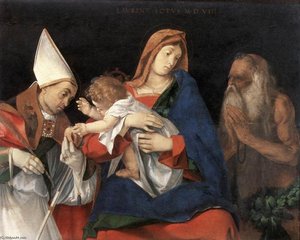
In the quiet, luminous depths of Lorenzo Lotto’s Mystic Marriage of Saint Catherine, one finds more than a mere religious tableau; one encounters a profound meditation on the intersection of the human and the divine. Painted in 1524, this masterpiece serves as a breathtaking window into the Venetian Renaissance, a period where the boundaries between earthly reality and spiritual ecstasy were often blurred by the stroke of a master's brush. The painting captures a pivotal moment of theological significance—the spiritual union between Saint Catherine of Alexandria and Christ—rendered with a sensitivity that transcends the rigid iconography of its era. As the viewer gazes upon the serene faces of the saints, there is an immediate sense of being drawn into a sacred, hushed atmosphere, making it an ideal centerpiece for any collection seeking to evoke contemplation and grace.
Lotto’s technical mastery is on full display through his sophisticated use of chiaroscuro, where the dramatic interplay of light and shadow sculpts the figures with remarkable anatomical precision. The artist employs a meticulous layering of oil glazes, a technique that grants the canvas an inner radiance, particularly visible in the luminous skin tones and the rich, heavy folds of the drapery. Unlike the more standardized, heroic compositions of his contemporary Titian, Lotto’s style possesses a unique psychological depth. His figures do not merely exist within a space; they inhabit it with a palpable emotional weight. The textures—from the soft, velvet-like appearance of the fabrics to the subtle, weathered details of the architectural setting—create a sensory richness that makes the scene feel both timeless and tangibly present.
Symbolism and the Renaissance Spirit
Every element within this composition is imbued with layers of meaning designed to guide the faithful through a journey of devotion. The central act of Saint Catherine receiving the ring from Christ serves as a powerful symbol of divine grace transforming the human soul, a cornerstone of Christian theology that resonates with anyone moved by themes of love and transcendence. Surrounding her, the presence of saints such as Barbara and others adds a celestial hierarchy to the work, creating a sense of communal sanctity. The architectural backdrop, while suggesting a grand temple interior, acts as a stage for this intimate drama, using linear perspective to draw the eye toward the central figures, ensuring that the spiritual climax of the painting remains the focal point.
For the discerning collector or interior designer, this artwork offers a sophisticated blend of historical gravity and aesthetic elegance. The color palette, dominated by warm golds, deep reds, and earthy browns, provides a sense of warmth and stability, making it a versatile choice for grand halls or curated study spaces. To possess a reproduction of such a work is to invite the quiet intensity of the Venetian Renaissance into one's environment, fostering an atmosphere of reverence and intellectual stimulation. It is not merely a decoration, but an invitation to pause, to reflect, and to lose oneself in the enduring beauty of Lotto’s visionary world.
Obras relacionadas
Biografía del artista
Primeros años y formación
Lorenzo Lotto, un destacado pintor, dibujante e ilustrador italiano, nació en Venecia alrededor de 1480. Sus primeros años y su formación no están bien documentados, pero se cree que estuvo influenciado por Giovanni Bellini, una figura destacada de la escuela veneciana.Estilo artístico e influencias
La obra de Lotto se caracteriza por una mezcla única del Alto Renacimiento y el manierismo. Sus pinturas a menudo presentan retablos, temas religiosos y retratos, mostrando su habilidad técnica y profundidad emocional. La influencia de Palma el Viejo, amigo de Giorgio Vasari, puede verse en los primeros trabajos de Lotto.Obras destacadas y ubicaciones
- Virgen y Niño con San Jerónimo (1506) (National Gallery of Scotland, Edimburgo)
- Alegoría de la virtud y el vicio (1505) (National Gallery of Art, Washington)
- San Jerónimo en el desierto (1500 o 1506) (Louvre, París)
Carrera y legado
La carrera de Lotto abarcó múltiples ubicaciones, incluyendo Treviso, Roma y Bergamo. Fue un pintor respetado en el norte de Italia, pero su obra fue en gran medida pasada por alto en Venecia. El estilo único de Lotto, que combinaba el clasicismo giorgionesco con los decorados dramáticos de Correggio, ha sido redescubierto en años recientes.Movimientos artísticos clave e influencias
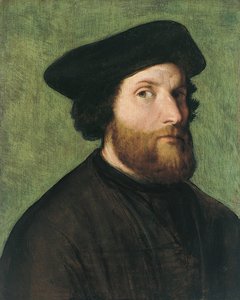
Lorenzo Lotto
1480 - 1556 , Italia
Datos clave
- Artistas Que Influyeron:
- Giovanni Bellini
- Palma el Viejo
- Giorgio Vasari
- Estilo Artístico: Renacimiento, Manierismo
- Fecha De Muerte: 1556
- Fecha De Nacimiento: 1480
- Lugar De Nacimiento: Venecia, Italia
- Nacionalidad: Italiana
- Nombre Completo: Lorenzo Lotto
- Obras Notables:
- Virgen y Niño con San Jerónimo
- Alegoría de la Virtud y el Vicio
- San Jerónimo en el desierto
Artículos relacionados
Lorenzo Lotto: Unveiling the Enigma of a Venetian Master's Portraits
Explore the captivating world of Lorenzo Lotto, a Venetian Renaissance master renowned for his psychologically insightful portraits & enigmatic symbolism. Discover his life, style, and rediscovered legacy with ArtsDot.

El Greco: Las 25 Obras Maestras que Definen un Genio del Arte y la Fe
Descubre las 25 obras maestras de El Greco, el genio del Renacimiento español. Explora su arte religioso, manierismo y la historia detrás de cuadros icónicos como 'El Entierro del Conde de Orgaz'. Encuentra reproducciones de alta calidad en ArtsDot.com.
Las 10 Obras de Arte Más Místicas: Inspiración para el Hogar y el Alma
Descubre las 10 obras de arte más místicas de Dalí, Botticelli y Klimt. Explora su simbolismo, historia y técnicas en . Encuentra reproducciones de alta calidad para crear un ambiente único.

El Encanto de lo Místico en el Arte: Resonancia Emocional y Profundidad Simbólica
Descubra el fascinante mundo del arte místico y surrealista. Explore la profundidad simbólica de De Chirico, Savinio y más. Análisis experto para coleccionistas exigentes.

Nicholas Roerich: Mysticism, Mountains & the Search for Ageless Wisdom in Art
Explore the captivating art of Nicholas Roerich – a visionary painter whose Himalayan landscapes blend spiritual mysticism with cultural preservation. Discover his legacy & symbolism.