 Vista previa
 Compartir
 Compartir
 Ver detalles

 Descargar
 Ver similares
 Radiografía
 Presentación de diapositivas
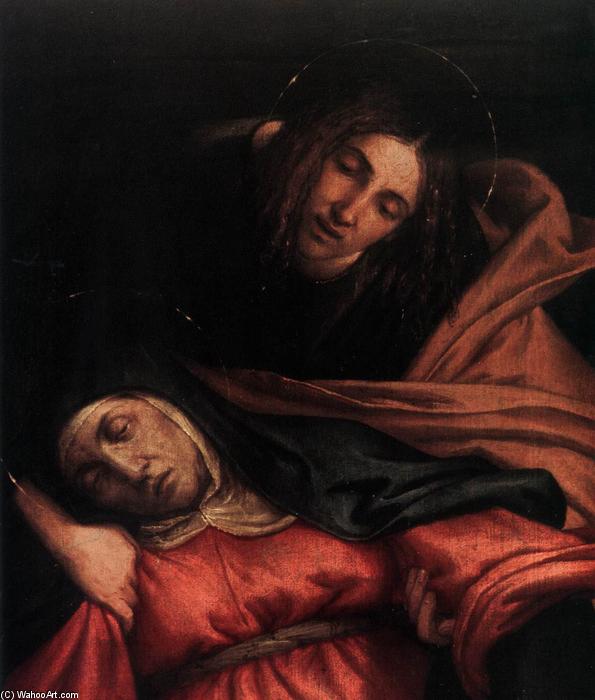
Pietà (detail)


 Leer más
Reproducción al óleo hecha a mano
Óleo sobre lienzo pintado a mano en el tamaño y marco de su elección, realizado por encargo por nuestros artistas. ( Pedir impresión Comprar descarga)




P118B $10

P118H $10

P118W $10

P438Z $10

P508JH $12

P508YH $12

P805H $10

P805Z $10

P919BZ $10

P919G $10

P919XJ $10

P959ZH $10

P968JZ $12

W106C $8

W218G $10

W218JH $8

W218Y $10

W307PJ $10

W316G $10

W316PJ $8

W316Y $10

W398PJ $8

W4111J $10

W500HY $15

W500JH $15

W692G $12

W849H $8

W940BG $15

W953PJ $8




Elija entre nuestros tamaños predefinidos que respetan las proporciones originales de la obra.

Puede ingresar sus propias dimensiones para adaptarse a un marco o espacio específico. Si el tamaño seleccionado no coincide con las proporciones de la imagen original, recortaremos la obra o extenderemos la pintura con elementos adicionales pintados a mano. Se le enviará una maqueta digital para su aprobación antes de comenzar la producción.
Tenga en cuenta que la vista previa en pantalla no refleja el recorte o la extensión reales. Solo la maqueta mostrará con precisión la composición final.
Si bien existen tamaños personalizados, recomendamos seleccionar una dimensión de la lista predefinida para preservar las proporciones originales.
Tras realizar el pedido, el equipo de ArtsDot.com enviará un correo electrónico al cliente para solicitar instrucciones y proporcionarle una vista previa del boceto.
Envío a todo el mundo () en 3-4 semanas en lugar de las 5 semanas estándar. (21 agosto). Sin comprometer la calidad.

Envío exprés gratuito a todo el mundo

Lienzo de lino de alta calidad

Seguro de envío completo

Garantía de reembolso de aranceles aduaneros

Garantía de fidelidad cromática exacta

Política de devolución de 60 días (solo por defectos)

Garantía de devolución del 100% del dinero

Oferta por volumen
 La opción de vidrio solo está disponible en tamaños inferiores a 110 cm.

Pietà (detail)
Técnica de reproducción
Tamaño de la reproducción
-


Precio total
$ 263
Descripción de la obra
Lorenzo Lotto’s Pietà: A Study in Venetian Grief
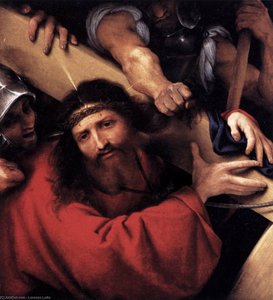
Lorenzo Lotto's "Pietà" (1545), housed within the Pinacoteca di Brera in Milan, isn’t merely a depiction of sorrow; it’s a profound meditation on loss and faith rendered with an arresting intimacy rarely found in Renaissance art. Born in Venice around 1480 and spending much of his career outside the city's established artistic circles – a wandering spirit who ultimately settled as a lay brother in Loreto – Lotto developed a style that was both deeply rooted in Venetian tradition and uniquely his own, characterized by nervous energy, expressive emotion, and a masterful manipulation of light and shadow. This particular Pietà stands apart not just for its technical brilliance but for the palpable sense of grief it conveys, an emotional depth that transcends the purely religious subject matter.
The composition itself is deceptively simple yet powerfully effective. Lotto eschews the idealized beauty often associated with depictions of Mary and Christ, opting instead for a raw, almost unsettling realism. The figures are not presented as divine beings but as vulnerable human forms caught in the throes of mourning. Christ’s body, limp and pale, rests heavily on Mary's lap, his wounds subtly suggested rather than dramatically displayed. Her face is etched with an expression of profound sorrow – a mixture of anguish, acceptance, and perhaps even a touch of bewildered grief. The drapery, rendered in rich reds and deep blues, isn’t merely decorative; it serves to both conceal and reveal the figures, creating layers of visual complexity that invite prolonged contemplation.
The Venetian Influence: Bellini and Beyond
Lotto's artistic journey is inextricably linked to the legacy of Giovanni Bellini, a pivotal figure in Venetian painting. Like Bellini, Lotto demonstrated an early aptitude for capturing fleeting moments of emotion and employing atmospheric perspective – evident in the subtly receding background that emphasizes the central figures. However, Lotto quickly moved beyond simple imitation, injecting his own distinctive sensibility into the Venetian style. His work is marked by a greater emphasis on psychological realism, a willingness to distort forms slightly to heighten emotional impact, and an almost obsessive attention to detail, particularly in rendering fabrics and textures. This departure from the more polished aesthetic of his contemporaries – notably Titian – contributed significantly to Lotto’s later reputation as an artist whose style was considered somewhat eccentric.
Furthermore, Lotto's travels throughout Italy exposed him to a diverse range of artistic influences. His time in Rome, for instance, likely influenced his understanding of classical ideals, which he subtly incorporated into his work alongside the more emotionally charged elements of Venetian painting. The subtle nods to Renaissance perspective and anatomy, combined with his uniquely expressive handling of color and light, create a compelling synthesis of styles that is entirely Lotto’s own.
Symbolism and Emotional Resonance
The "Pietà" is rich in symbolic meaning, reflecting the theological significance of the subject while simultaneously conveying a deeply personal sense of grief. The red drapery surrounding Christ's body, a common motif in depictions of the Passion, symbolizes his sacrifice and suffering. Mary’s pose – leaning forward with her arm draped across Christ’s chest – is not simply an act of compassion but also a gesture of acceptance and surrender. The overall composition evokes a sense of intimacy and vulnerability, drawing the viewer into the scene and inviting them to share in the characters' sorrow.
Notably, Lotto departs from traditional depictions by presenting Mary not as a serene, idealized figure but as a woman consumed by grief – her face pale, her eyes wide with anguish. This portrayal of raw emotion was remarkably unconventional for its time and contributed significantly to the painting’s enduring power. It's this unflinching honesty that elevates the "Pietà" beyond a mere religious image, transforming it into a timeless meditation on loss, faith, and the human condition.
A Masterpiece of Venetian Emotion
Lorenzo Lotto’s “Pietà” remains a profoundly moving work of art. Its masterful execution, combined with its deeply emotional content, continues to captivate viewers centuries after its creation. The painting's enduring appeal lies in its ability to evoke a sense of empathy and understanding – reminding us of the universal experience of grief and the power of faith to provide solace in times of sorrow. Reproductions, particularly those crafted with meticulous attention to detail, offer a remarkable opportunity to appreciate the nuances of Lotto’s genius and to connect with this extraordinary work on a deeply personal level.
Obras relacionadas
Biografía del artista
Primeros años y formación
Lorenzo Lotto, un destacado pintor, dibujante e ilustrador italiano, nació en Venecia alrededor de 1480. Sus primeros años y su formación no están bien documentados, pero se cree que estuvo influenciado por Giovanni Bellini, una figura destacada de la escuela veneciana.Estilo artístico e influencias
La obra de Lotto se caracteriza por una mezcla única del Alto Renacimiento y el manierismo. Sus pinturas a menudo presentan retablos, temas religiosos y retratos, mostrando su habilidad técnica y profundidad emocional. La influencia de Palma el Viejo, amigo de Giorgio Vasari, puede verse en los primeros trabajos de Lotto.Obras destacadas y ubicaciones
- Virgen y Niño con San Jerónimo (1506) (National Gallery of Scotland, Edimburgo)
- Alegoría de la virtud y el vicio (1505) (National Gallery of Art, Washington)
- San Jerónimo en el desierto (1500 o 1506) (Louvre, París)
Carrera y legado
La carrera de Lotto abarcó múltiples ubicaciones, incluyendo Treviso, Roma y Bergamo. Fue un pintor respetado en el norte de Italia, pero su obra fue en gran medida pasada por alto en Venecia. El estilo único de Lotto, que combinaba el clasicismo giorgionesco con los decorados dramáticos de Correggio, ha sido redescubierto en años recientes.Movimientos artísticos clave e influencias
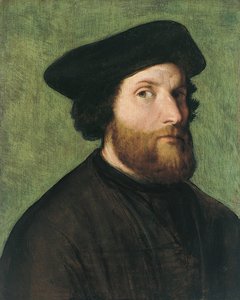
Lorenzo Lotto
1480 - 1556 , Italia
Datos clave
- Artistas Que Influyeron:
- Giovanni Bellini
- Palma el Viejo
- Giorgio Vasari
- Estilo Artístico: Renacimiento, Manierismo
- Fecha De Muerte: 1556
- Fecha De Nacimiento: 1480
- Lugar De Nacimiento: Venecia, Italia
- Nacionalidad: Italiana
- Nombre Completo: Lorenzo Lotto
- Obras Notables:
- Virgen y Niño con San Jerónimo
- Alegoría de la Virtud y el Vicio
- San Jerónimo en el desierto
Artículos relacionados

Fra Angelico: Las 25 Obras Maestras del Renacimiento para Decorar con Arte y Fe
Descubre las 25 obras maestras de Fra Angelico, el pintor renacentista que llenó el arte sacro de luz y fe. Explora su técnica, simbolismo y belleza en frescos e iconos. Encuentra reproducciones de alta calidad para decorar tu hogar con ArtsDot.com.
El Greco: Las 25 Obras Maestras que Definen un Genio del Arte y la Fe
Descubre las 25 obras maestras de El Greco, el genio del Renacimiento español. Explora su arte religioso, manierismo y la historia detrás de cuadros icónicos como 'El Entierro del Conde de Orgaz'. Encuentra reproducciones de alta calidad en ArtsDot.com.

Sacred Narratives on Canvas: Exploring Religious Painting Through History
Explore the rich history of religious painting with ArtsDot.com! Discover iconic artworks, symbolism & techniques from antiquity to the Renaissance. Enhance your art appreciation today.
Jacob Henricus Maris: A Master of Dutch Atmospheric Realism & the Intimate Landscape
Explore the captivating world of Jacob Henricus Maris, a leading figure of the Dutch Hague School. Discover his atmospheric landscapes, signature brushstrokes & lasting influence on 19th-century art. Learn more at ArtsDot.
Lorenzo Lotto: Unveiling the Enigma of a Venetian Master's Portraits
Explore the captivating world of Lorenzo Lotto, a Venetian Renaissance master renowned for his psychologically insightful portraits & enigmatic symbolism. Discover his life, style, and rediscovered legacy with ArtsDot.