 Ver en contexto
 Enviar
 Compartir
 Detalles

 Descargar
 Similares
 Radiografía
 Presentación de diapositivas
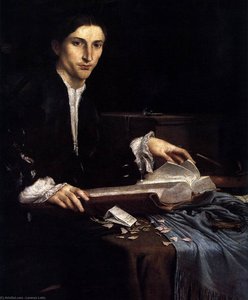
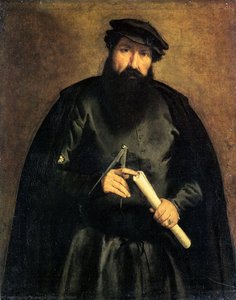
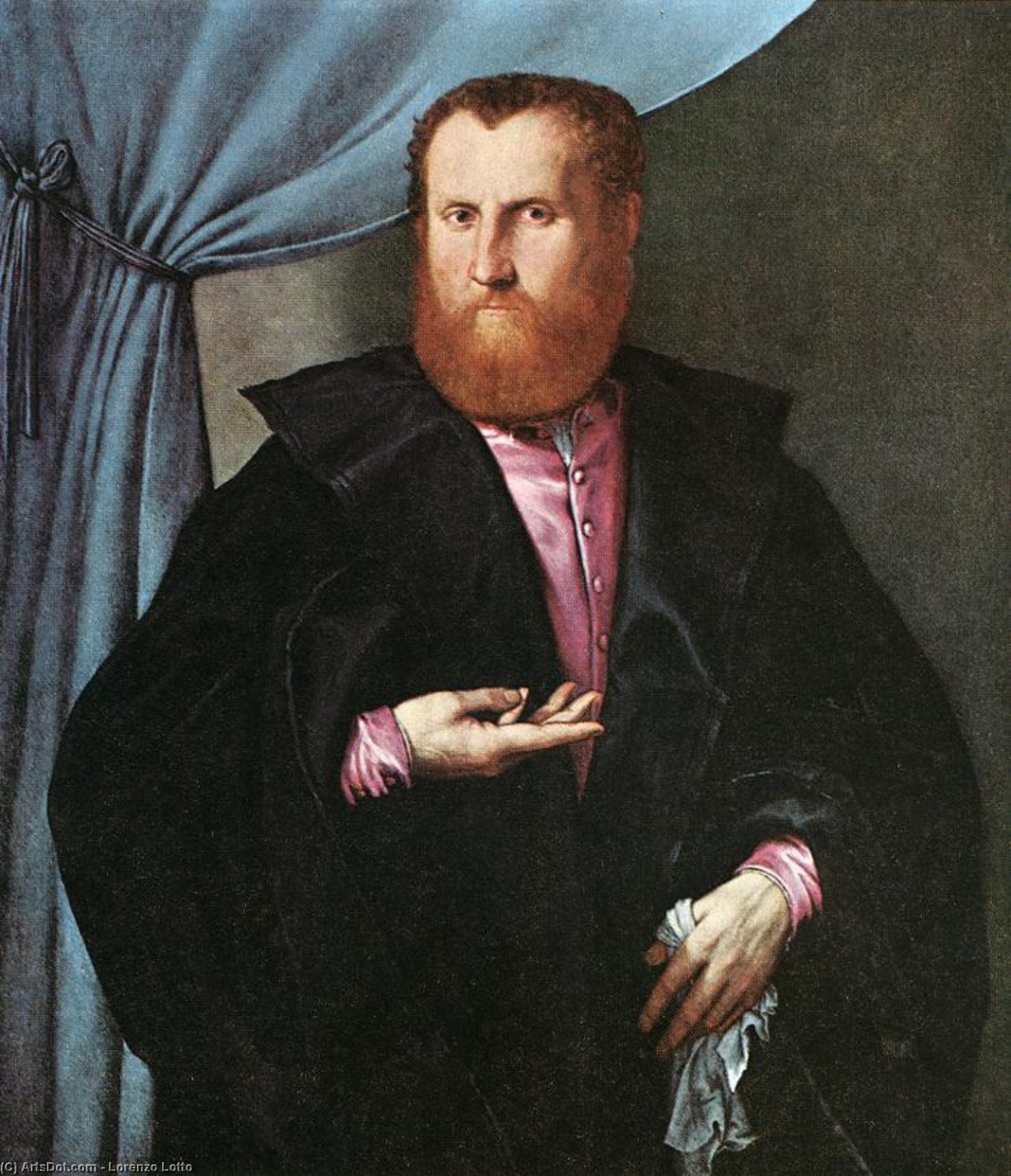
Portrait of a Man in Black Silk Cloak
 Acrylic
- WallArt
- High Renaissance
 1535
1535 94.0 x 82.0 cm
 Museo de Arte
 Ver más
Giclée / Impresión de arte
Impresiones giclée o en lienzo de calidad de museo con producción rápida y opciones de acabado flexibles. ( Comprar pintura hecha a mano Comprar imagen)




P118B $10

P118H $10

P118W $10

P438Z $10

P508JH $12

P508YH $12

P805H $10

P805Z $10

P919BZ $10

P919G $10

P919XJ $10

P959ZH $10

P968JZ $12

W106C $8

W218G $10

W218JH $8

W218Y $10

W307PJ $10

W316G $10

W316PJ $8

W316Y $10

W398PJ $8

W4111J $10

W500HY $15

W500JH $15

W692G $12

W849H $8

W940BG $15

W953PJ $8




Elija entre nuestros tamaños predefinidos que respetan las proporciones originales de la obra.

Puede introducir sus propias dimensiones para adaptarse a un marco o espacio específico. Si el tamaño seleccionado no coincide con las proporciones de la imagen original, recortaremos la obra de arte o extenderemos la imagen con un borde con efecto espejo o de color sólido. Se enviará una maqueta digital para su aprobación antes de que comience la producción.
Tenga en cuenta que la vista previa en pantalla no refleja el recorte o la extensión real. Solo la maqueta mostrará con precisión la composición final.
Aunque existen tamaños personalizados, recomendamos seleccionar una dimensión de la lista predefinida para preservar las proporciones originales.
Envío a todo el mundo () en 2 semanas en lugar de las 4/5 semanas estándar. (2 septiembre)

Envío exprés gratuito a todo el mundo

Lienzo de lino de alta calidad

Seguro de envío total

Garantía de reembolso de impuestos aduaneros

Garantía de fidelidad cromática exacta

Política de devolución de 60 días (solo por defectos)

Garantía de devolución del 100% del dinero

Descuento por cantidad
 La opción de vidrio solo está disponible en tamaños inferiores a 110 cm.

Portrait of a Man in Black Silk Cloak
Giclée / Impresión de arte
Dimensiones de la reproducción
-


Precio total final
$ 62
Portrait of a Man in Black Silk Cloak – A Renaissance Masterpiece
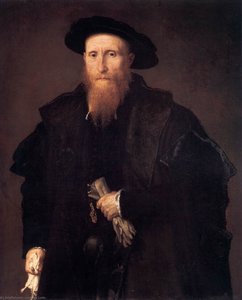
Lorenzo Lotto’s “Portrait of a Man in Black Silk Cloak,” painted circa 1535, stands as an exceptional testament to the artistic fervor of the High Renaissance and embodies the humanist ideals that defined the era. More than just a depiction of an individual, it's a profound exploration of human psychology—a skill Lotto perfected through meticulous observation and masterful execution—that continues to captivate viewers centuries later. Located in the New Orleans Museum of Art, this oil painting on canvas offers a glimpse into the artistic sensibilities of Venice during a period marked by intellectual curiosity and burgeoning patronage.- Subject Matter: The portrait portrays a gentleman dressed in black silk cloak, adorned with a pink lining. His gaze is direct, conveying an air of contemplation and subtly engaging the viewer’s attention—a hallmark of Lotto's psychological realism.
- Style & Technique: Lotto’s style distinguishes itself from its contemporaries through a blend of High Renaissance grace and nascent Mannerist sensibiliti. He employs loose brushstrokes to achieve remarkable dynamism, capturing not merely physical likeness but also an inner state of mind. The artist skillfully utilizes chiaroscuro—the dramatic interplay of light and shadow—to sculpt the figure’s form and imbue it with depth and emotion.
- Historical Context: Painted during a time when Venetian art flourished under papal patronage, Lotto's work reflects the humanist preoccupation with portraying human character accurately. The gentleman depicted embodies dignity and composure, aligning with the Renaissance belief in the importance of virtue and intellect.
- Symbolism: The black cloak itself carries symbolic weight—representing solemnity, piety, and perhaps even mourning—while the pink lining introduces a touch of warmth and vibrancy against the dark backdrop. Lotto’s use of color is deliberate, contributing to the overall mood and enhancing the portrait's expressive power.
- Emotional Impact: “Portrait of a Man in Black Silk Cloak” transcends mere visual representation; it invites contemplation on themes of identity, introspection, and human experience. Lotto’s ability to convey emotion through subtle gestures and facial expressions elevates the painting beyond a simple likeness into a timeless meditation on the human condition.
Exploring Lotto's Artistic Legacy
Lorenzo Lotto (1480-1556) emerged as a singular voice within the Venetian Renaissance, diverging from many of his peers who adhered to established artistic conventions. Unlike artists focused on idealized beauty or grand narratives, Lotto pursued an itinerant life—traveling between Treviso, Rome, Bergamo, and Ancona—allowing him to absorb diverse influences while nurturing an independent spirit. Although early training remains somewhat elusive, Lotto’s formative years undoubtedly included exposure to Giovanni Bellini's teachings, a pivotal figure in the Venetian school. Yet Lotto swiftly surpassed mere imitation, forging a distinctive style characterized by profound psychological insight and masterful technique.Rediscovering Lotto’s Vision – Recent Research & Insights
Recent scholarship has illuminated previously overlooked aspects of Lotto’s artistic practice, emphasizing his meticulous attention to detail and his innovative use of color palettes. Researchers have analyzed pigments and canvas preparation methods, uncovering evidence that suggests Lotto employed techniques far ahead of his time—a testament to his genius and a reminder of the enduring fascination surrounding this Venetian master. Furthermore, studies into Lotto's biographical details—including his monastic vocation in Loreto—have shed light on the profound impact of spirituality on his artistic worldview.Where to Find More Information
For deeper exploration of Lorenzo Lotto’s life and work, consider visiting these resources:Obras relacionadas
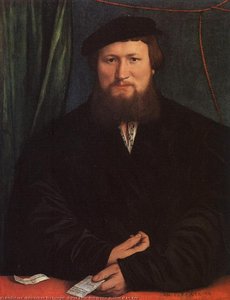
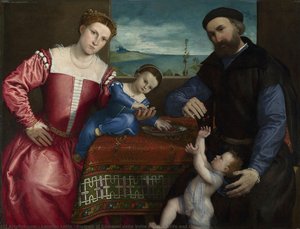

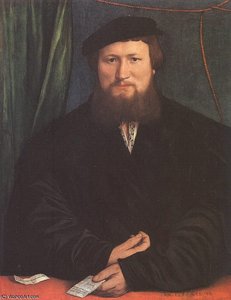


Biografía del artista
Primeros años y formación
Lorenzo Lotto, un destacado pintor, dibujante e ilustrador italiano, nació en Venecia alrededor de 1480. Sus primeros años y su formación no están bien documentados, pero se cree que estuvo influenciado por Giovanni Bellini, una figura destacada de la escuela veneciana.Estilo artístico e influencias
La obra de Lotto se caracteriza por una mezcla única del Alto Renacimiento y el manierismo. Sus pinturas a menudo presentan retablos, temas religiosos y retratos, mostrando su habilidad técnica y profundidad emocional. La influencia de Palma el Viejo, amigo de Giorgio Vasari, puede verse en los primeros trabajos de Lotto.Obras destacadas y ubicaciones
- Virgen y Niño con San Jerónimo (1506) (National Gallery of Scotland, Edimburgo)
- Alegoría de la virtud y el vicio (1505) (National Gallery of Art, Washington)
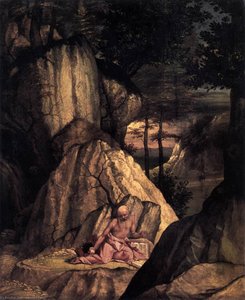
- San Jerónimo en el desierto (1500 o 1506) (Louvre, París)
Carrera y legado
La carrera de Lotto abarcó múltiples ubicaciones, incluyendo Treviso, Roma y Bergamo. Fue un pintor respetado en el norte de Italia, pero su obra fue en gran medida pasada por alto en Venecia. El estilo único de Lotto, que combinaba el clasicismo giorgionesco con los decorados dramáticos de Correggio, ha sido redescubierto en años recientes.Movimientos artísticos clave e influencias
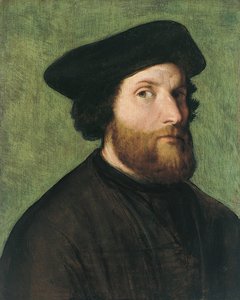
Lorenzo Lotto
1480 - 1556 , Italia
Datos clave
- Artistas Que Influyeron:
- Giovanni Bellini
- Palma el Viejo
- Giorgio Vasari
- Estilo Artístico: Renacimiento, Manierismo
- Fecha De Muerte: 1556
- Fecha De Nacimiento: 1480
- Lugar De Nacimiento: Venecia, Italia
- Nacionalidad: Italiana
- Nombre Completo: Lorenzo Lotto
- Obras Notables:
- Virgen y Niño con San Jerónimo
- Alegoría de la Virtud y el Vicio
- San Jerónimo en el desierto
Artículos relacionados
Lorenzo Lotto: Unveiling the Enigma of a Venetian Master's Portraits
Explore the captivating world of Lorenzo Lotto, a Venetian Renaissance master renowned for his psychologically insightful portraits & enigmatic symbolism. Discover his life, style, and rediscovered legacy with ArtsDot.

The Enduring Legacy of Oil on Canvas: Technique, History & Aesthetic Impact
Explore the rich history & techniques of oil painting – from Renaissance masters to Impressionism. Discover pigments, layering methods, and why this timeless medium endures. Expert insights for artists & art enthusiasts.
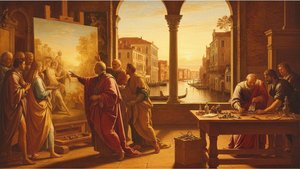
La Luz Dorada de la Innovación: Explorando el Renacimiento Veneciano (1430–1580)
Descubra la riqueza y el esplendor del Renacimiento veneciano con ArtsDot. Explore las obras maestras de Tiziano, Giorgione y Tintoretto. Análisis experto, historia detallada e información para coleccionistas.

El Óleo sobre Lienzo: Historia, Técnica y la Persistencia de un Medio Artístico Atemporal
Descubre la historia y técnica del óleo sobre lienzo. Explora reproducciones fieles hechas a mano, personalización artística y consejos de expertos con ArtsDot. ¡Colecciona arte con confianza!

The Enduring Power of Painting: A Historical & Contemporary Exploration of Form and Emotion
Explore the rich history & enduring techniques of oil painting with ArtsDot. Discover masterpieces, learn about art collecting, and find authentic handmade reproductions crafted by skilled artists.