 Vista previa
 Compartir
 Compartir
 Ver detalles

 Descargar
 Ver similares
 Radiografía
 Presentación de diapositivas
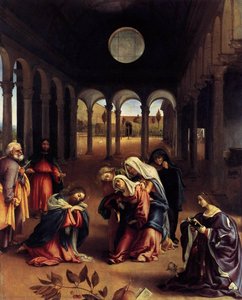
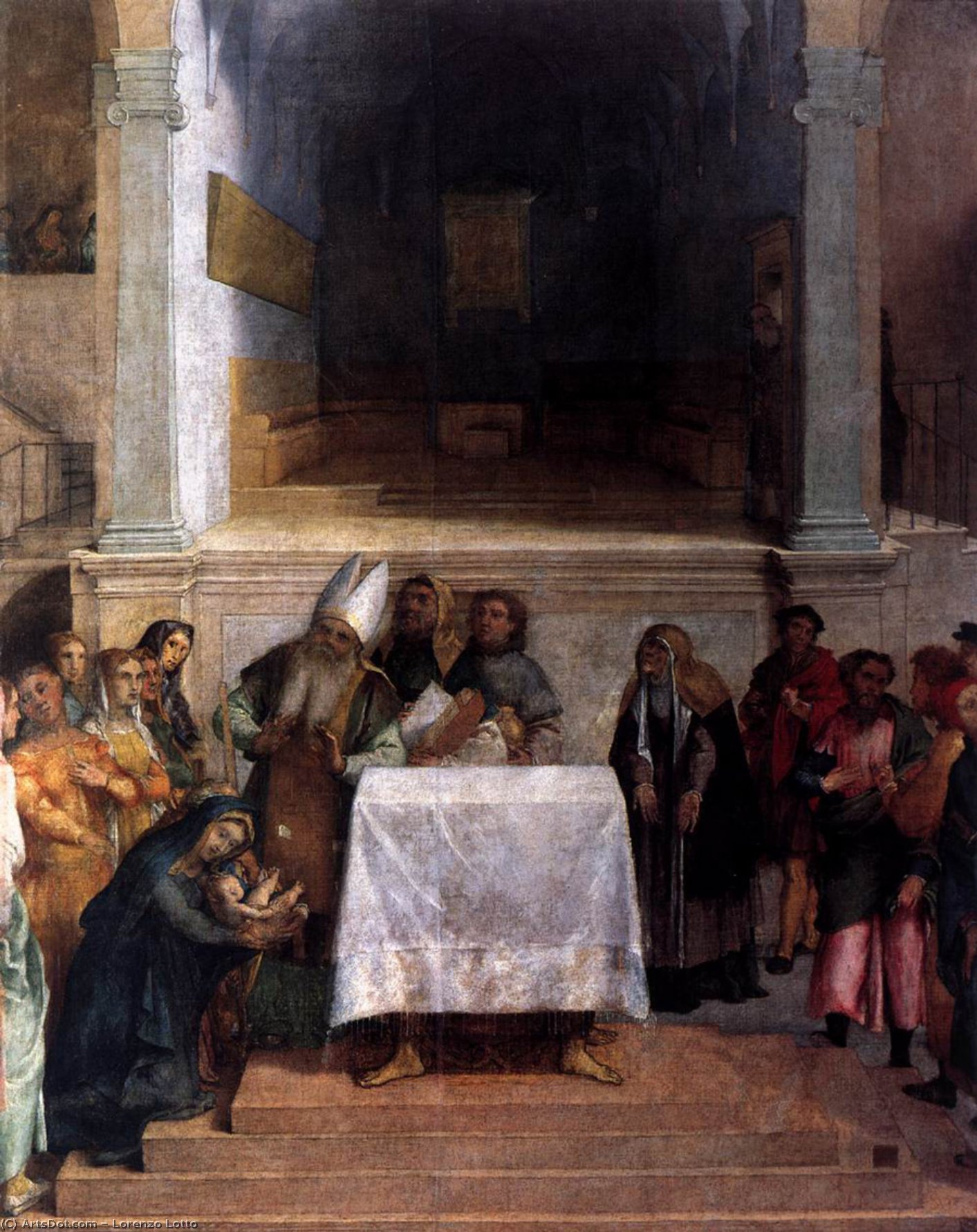
Presentation in the Temple
 Acrylic On Canvas
- WallArt
- Baroque
 1554
1554 172.0 x 137.0 cm
 Santuario della Santa Casa
 Leer más
Giclée / Impresión de arte
Impresiones giclée o en lienzo de calidad de museo con producción rápida y opciones de acabado flexibles. ( Encargar reproducción pintada a mano Comprar descarga)




P118B $10

P118H $10

P118W $10

P438Z $10

P508JH $12

P508YH $12

P805H $10

P805Z $10

P919BZ $10

P919G $10

P919XJ $10

P959ZH $10

P968JZ $12

W106C $8

W218G $10

W218JH $8

W218Y $10

W307PJ $10

W316G $10

W316PJ $8

W316Y $10

W398PJ $8

W4111J $10

W500HY $15

W500JH $15

W692G $12

W849H $8

W940BG $15

W953PJ $8




Elija entre nuestros tamaños predefinidos que respetan las proporciones originales de la obra.

Puede introducir sus propias dimensiones para adaptarse a un marco o espacio específico. Si el tamaño seleccionado no coincide con las proporciones de la imagen original, recortaremos la obra de arte o extenderemos la imagen con un borde con efecto espejo o de color sólido. Se enviará una maqueta digital para su aprobación antes de que comience la producción.
Tenga en cuenta que la vista previa en pantalla no refleja el recorte o la extensión real. Solo la maqueta mostrará con precisión la composición final.
Aunque existen tamaños personalizados, recomendamos seleccionar una dimensión de la lista predefinida para preservar las proporciones originales.
Envío a todo el mundo () en 2 semanas en lugar de las 4/5 semanas estándar. (21 agosto)

Envío exprés gratuito a todo el mundo

Lienzo de lino de alta calidad

Seguro de envío completo

Garantía de reembolso de aranceles aduaneros

Garantía de fidelidad cromática exacta

Política de devolución de 60 días (solo por defectos)

Garantía de devolución del 100% del dinero

Oferta por volumen
 La opción de vidrio solo está disponible en tamaños inferiores a 110 cm.

Presentation in the Temple
Giclée / Impresión de arte
Tamaño de la reproducción
-


Precio total
$ 62
Descripción de la pieza
Lorenzo Lotto’s ‘Presentation of Christ in the Temple’: A Venetian Masterpiece Reflecting Faith and Drama
The painting “Presentation of Christ in the Temple” by Lorenzo Lotto, completed in 1556 shortly before his death, stands as a poignant testament to the artist's enduring legacy and a captivating glimpse into the artistic sensibilities of late Mannerism. Located within Loreto Abbey’s collection, this monumental canvas transcends mere depiction; it embodies a profound meditation on faith, sacrifice, and divine grace—themes central to Venetian religious art during its twilight years. Lotto’s final work is remarkable not only for its scale but also for its masterful execution and subtle psychological depth, cementing his place among the foremost painters of his era.A Style Defined by Emotion and Illusion
Lotto's distinctive style – characterized by a blend of High Renaissance elegance and Mannerist experimentation – distinguishes itself from many of his contemporaries. Unlike the polished idealism prevalent in Rome during papal patronage, Lotto embraced expressive distortion and atmospheric haze to convey emotional intensity. Observe how he manipulates light and shadow to create a dramatic interplay between figures, emphasizing their spiritual significance rather than striving for photographic realism. The artist skillfully employs sfumato—a technique perfected by Leonardo da Vinci—to soften contours and imbue the scene with an ethereal quality, blurring boundaries between reality and imagination. This deliberate ambiguity invites contemplation and encourages viewers to engage actively with the artwork’s narrative.Technical Brilliance: Color Palette and Composition
The painting's color palette is restrained yet luminous, dominated by muted reds, browns, and golds—colors traditionally associated with penitence and royalty—reflecting the solemn occasion depicted. Lotto meticulously renders textures with remarkable precision, capturing the folds of robes and drapery with painstaking detail. The composition itself is carefully orchestrated to guide the eye across the canvas, drawing attention to Christ’s central figure while simultaneously establishing a dynamic interplay between the Virgin Mary and Joseph. Notably, Lotto incorporates architectural elements—a staircase and a doorway—to heighten the sense of space and contribute to the overall dramatic effect. These details underscore the painting's ambition to transport the viewer into the sacred realm of Jerusalem.Historical Context: Venetian Spirituality in Decline
“Presentation of Christ in the Temple” emerged during a period of significant religious upheaval in Venice, as papal authority waned and humanist ideals gained prominence. Lotto’s artistic vision reflects this evolving cultural landscape—a move away from rigid dogma toward a more nuanced exploration of human emotion and spiritual experience. The painting speaks to the anxieties surrounding mortality and divine judgment, mirroring broader societal concerns about faith and salvation during the Reformation. Yet, despite these turbulent times, Lotto maintains an unwavering commitment to portraying religious narratives with dignity and compassion, demonstrating the enduring power of art to communicate profound truths.Symbolism: Representing Divine Grace and Human Vulnerability
The painting’s symbolism is rich in visual cues that convey theological concepts. Christ's posture—kneeling before God—represents humility and submission to divine will. Mary’s gaze—directed upward—symbolizes piety and devotion, embodying the Virgin Mother’s unwavering faith. The inclusion of Joseph—a figure representing earthly authority—underscores the importance of both spiritual and temporal leadership in achieving salvation. Furthermore, Lotto subtly incorporates elements of Venetian architectural tradition – specifically the staircase – to symbolize ascension toward heaven and divine grace. These carefully considered visual metaphors elevate “Presentation of Christ in the Temple” beyond mere depiction, transforming it into a powerful emblem of Christian faith.Emotional Resonance: A Portrait of Sacred Reverence
Ultimately, Lotto’s masterpiece resonates with viewers on an emotional level—evoking feelings of solemn contemplation and spiritual awe. The painting's subdued palette and masterful use of sfumato contribute to its melancholic atmosphere, mirroring the artist’s own preoccupation with mortality during his final years. Yet, amidst this pervasive sadness lies a glimmer of hope—expressed in Christ’s serene countenance and Mary’s unwavering gaze—affirming the enduring promise of divine grace. “Presentation of Christ in the Temple” remains an unforgettable testament to Lotto's artistic genius and a timeless reflection on humanity’s quest for spiritual understanding.Obras relacionadas
Biografía del artista
Primeros años y formación
Lorenzo Lotto, un destacado pintor, dibujante e ilustrador italiano, nació en Venecia alrededor de 1480. Sus primeros años y su formación no están bien documentados, pero se cree que estuvo influenciado por Giovanni Bellini, una figura destacada de la escuela veneciana.Estilo artístico e influencias
La obra de Lotto se caracteriza por una mezcla única del Alto Renacimiento y el manierismo. Sus pinturas a menudo presentan retablos, temas religiosos y retratos, mostrando su habilidad técnica y profundidad emocional. La influencia de Palma el Viejo, amigo de Giorgio Vasari, puede verse en los primeros trabajos de Lotto.Obras destacadas y ubicaciones
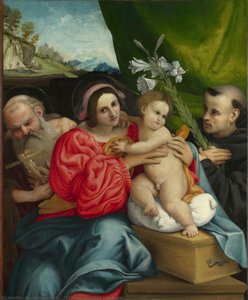
- Virgen y Niño con San Jerónimo (1506) (National Gallery of Scotland, Edimburgo)
- Alegoría de la virtud y el vicio (1505) (National Gallery of Art, Washington)
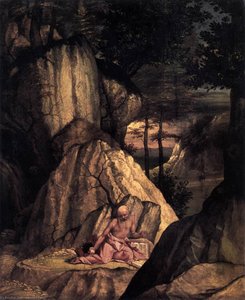
- San Jerónimo en el desierto (1500 o 1506) (Louvre, París)
Carrera y legado
La carrera de Lotto abarcó múltiples ubicaciones, incluyendo Treviso, Roma y Bergamo. Fue un pintor respetado en el norte de Italia, pero su obra fue en gran medida pasada por alto en Venecia. El estilo único de Lotto, que combinaba el clasicismo giorgionesco con los decorados dramáticos de Correggio, ha sido redescubierto en años recientes.Movimientos artísticos clave e influencias

Lorenzo Lotto
1480 - 1556 , Italia
Datos clave
- Artistas Que Influyeron:
- Giovanni Bellini
- Palma el Viejo
- Giorgio Vasari
- Estilo Artístico: Renacimiento, Manierismo
- Fecha De Muerte: 1556
- Fecha De Nacimiento: 1480
- Lugar De Nacimiento: Venecia, Italia
- Nacionalidad: Italiana
- Nombre Completo: Lorenzo Lotto
- Obras Notables:
- Virgen y Niño con San Jerónimo
- Alegoría de la Virtud y el Vicio
- San Jerónimo en el desierto
Artículos relacionados

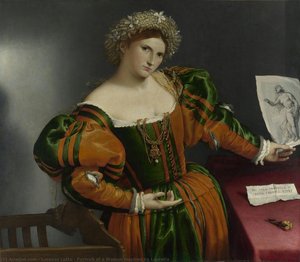
Lorenzo Lotto: Unveiling the Enigma of a Venetian Master's Portraits
Explore the captivating world of Lorenzo Lotto, a Venetian Renaissance master renowned for his psychologically insightful portraits & enigmatic symbolism. Discover his life, style, and rediscovered legacy with ArtsDot.

The Dramatic Flourish: Exploring the Baroque Movement's Enduring Legacy in Art History
Explore the dramatic world of Baroque art! Discover iconic artists like Caravaggio & Rubens, defining techniques, and its lasting impact on art history. Expert insights for collectors & enthusiasts at ArtsDot.

Jacopo Tintoretto: Las 25 Obras Maestras del Genio Veneciano | Arte y Decoración en ArtsDot
Descubre las 25 obras maestras de Jacopo Tintoretto, el genio veneciano del Renacimiento. Explora su arte dramático, composiciones innovadoras y paleta vibrante. Reproducciones de alta calidad en ArtsDot.com para transformar tu hogar.

The Visceral Stage: Exploring Dramatic Narratives & Emotional Intensity in Baroque Art
Explore the dramatic world of Baroque art! Discover iconic masters like Caravaggio & Rembrandt, their techniques, and the movement's lasting impact. Expert insights for collectors & enthusiasts at ArtsDot.
The Golden Age Reforged: Dramatic Realism & Religious Zeal in Spanish Baroque Art
Explore the dramatic world of Spanish Baroque art! Discover masters like Zurbarán & the powerful influence of religious zeal on painting techniques – a guide for collectors and enthusiasts.