 Vista previa
 Compartir
 Compartir
 Ver detalles

 Descargar
 Ver similares
 Radiografía
 Presentación de diapositivas
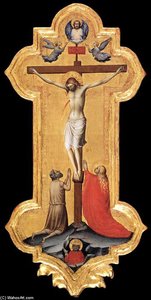
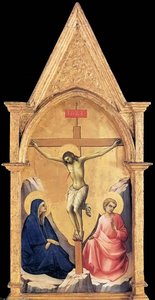
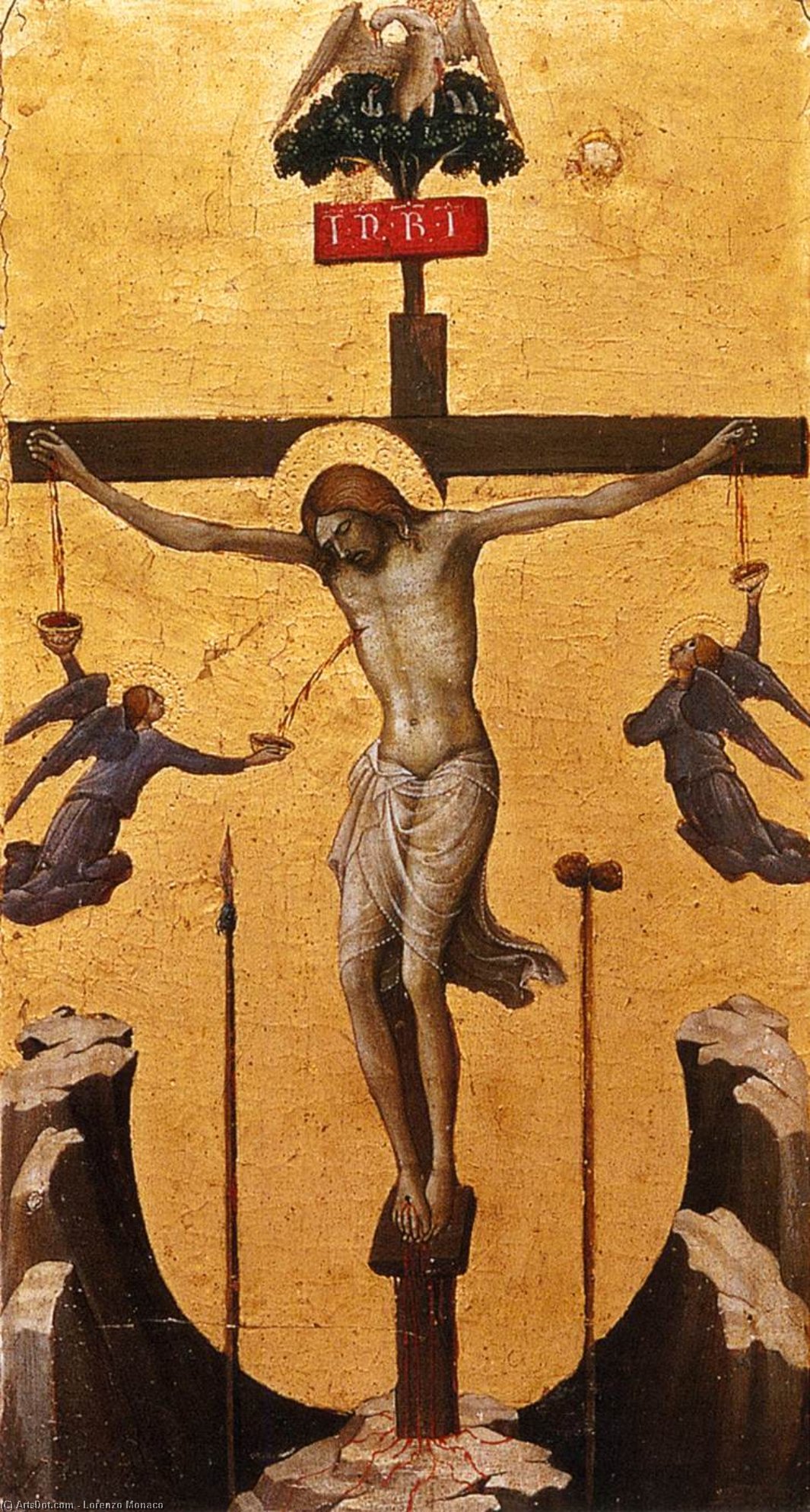
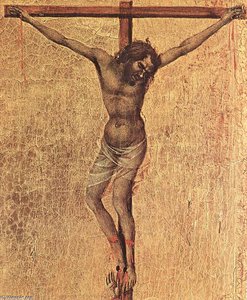
Crucifixion
 Acrílico sobre lienzo
- Arte de pared
- Renaissance Humanism
 1405
1405 50.0 x 27.0 cm
 Galería de la Academia de Florencia
 Leer más
Reproducción al óleo hecha a mano
Óleo sobre lienzo pintado a mano en el tamaño y marco de su elección, realizado por encargo por nuestros artistas. ( Pedir impresión Comprar descarga)




P118B $10

P118H $10

P118W $10

P438Z $10

P508JH $12

P508YH $12

P805H $10

P805Z $10

P919BZ $10

P919G $10

P919XJ $10

P959ZH $10

P968JZ $12

W106C $8

W218G $10

W218JH $8

W218Y $10

W307PJ $10

W316G $10

W316PJ $8

W316Y $10

W398PJ $8

W4111J $10

W500HY $15

W500JH $15

W692G $12

W849H $8

W940BG $15

W953PJ $8




Elija entre nuestros tamaños predefinidos que respetan las proporciones originales de la obra.

Puede ingresar sus propias dimensiones para adaptarse a un marco o espacio específico. Si el tamaño seleccionado no coincide con las proporciones de la imagen original, recortaremos la obra o extenderemos la pintura con elementos adicionales pintados a mano. Se le enviará una maqueta digital para su aprobación antes de comenzar la producción.
Tenga en cuenta que la vista previa en pantalla no refleja el recorte o la extensión reales. Solo la maqueta mostrará con precisión la composición final.
Si bien existen tamaños personalizados, recomendamos seleccionar una dimensión de la lista predefinida para preservar las proporciones originales.
Tras realizar el pedido, el equipo de ArtsDot.com enviará un correo electrónico al cliente para solicitar instrucciones y proporcionarle una vista previa del boceto.
Envío a todo el mundo () en 3-4 semanas en lugar de las 5 semanas estándar. (19 agosto). Sin comprometer la calidad.

Envío exprés gratuito a todo el mundo

Lienzo de lino de alta calidad

Seguro de envío completo

Garantía de reembolso de aranceles aduaneros

Garantía de fidelidad cromática exacta

Política de devolución de 60 días (solo por defectos)

Garantía de devolución del 100% del dinero

Oferta por volumen
 La opción de vidrio solo está disponible en tamaños inferiores a 110 cm.

Crucifixion
Técnica de reproducción
Tamaño de la reproducción
-


Precio total
$ 263
Descripción de la obra
The Soul of Sorrow: Analyzing Lorenzo Monaco’s Crucifixion
Lorenzo Monaco's Crucifixion stands as a cornerstone of Quattrocento Florentine art—a testament not merely to artistic skill but to profound spiritual contemplation. Painted circa 1405, this monumental panel transcends mere depiction; it strives to convey the agonizing beauty inherent in Christ’s suffering and serves as an enduring emblem of Christian faith. Examining its stylistic choices, technical execution, and historical resonance illuminates Monaco's masterful grasp of both humanist ideals and medieval devotional traditions.- Style: Monaco’s Crucifixion embodies a refined Gothic sensibility tempered by nascent Renaissance principles. While retaining the solemn grandeur characteristic of his predecessors—particularly Giotto—the painting exhibits an unprecedented level of naturalism, evident in the subtly rendered musculature of Christ and the expressive drapery that clings to his body. This careful attention to anatomical detail distinguishes it from earlier depictions where Christ was often stylized as a symbolic figure rather than a human being experiencing palpable pain.
- Technique: Monaco employed tempera on panel—a technique favored by Florentine artists of the period—renowned for its luminosity and durability. The pigment binders, derived from egg yolk, achieved astonishing brilliance through meticulous layering and glazing, capturing the ethereal quality of divine light that permeates the scene. Furthermore, Monaco’s masterful use of chiaroscuro—the dramatic interplay between light and shadow—intensifies the emotional impact of the composition, emphasizing Christ's vulnerability against a backdrop of solemn majesty.
Historical Context: Bridging Gothic Legacy & Renaissance Awakening
Symbolism: Echoes of Medieval Devotion & Humanist Insight
Emotional Impact: Capturing Agony & Reverence
This painting exemplifies the Renaissance’s quest for artistic excellence while honoring medieval spiritual traditions. It is a remarkable achievement of tempera technique, demonstrating Monaco's profound understanding of human anatomy and emotion.
Obras relacionadas
Biografía del artista
Primeros Años y Formación
- Nacido: Siena, Italia (c. 1370)
- Fallecido: c. 1425
- Se sabe poco sobre la vida temprana de Lorenzo Monaco excepto que fue aprendiz en Florencia.
- Fue influenciado por las obras de Giotto y sus seguidores, Spinello Aretino y Agnolo Gaddi. Esta exposición moldeó su desarrollo artístico.
Carrera Artística y Estilo
- En 1390, Lorenzo se unió al monasterio camaldulense de Santa Maria degli Angeli, convirtiéndose en conocido como "Lawrence el Monje".
- Sus primeras obras (década de 1390) muestran una fuerte influencia del estilo gótico internacional, junto con influencias de Lorenzo Ghiberti y Gherardo Starnina.
- El estilo de Monaco se caracteriza por:
- Linealismo tenso
- Una gama cromática fría inicialmente
- Posteriormente, una adopción de elementos góticos internacionales
- Figuras alargadas con drapería sinuosa
- Bordes nítidos y colores brillantes (oro y lapislázuli)
- Gestos insinuados y un sentido del espacio minimizado
- Constantemente representaba imágenes con un fuerte valor espiritual, a menudo distanciado del realismo.
Obras Principales
- Pietà: Alojada en la Galleria dell'Accademia, Florencia – Demuestra línea nerviosa y tensión emocional.
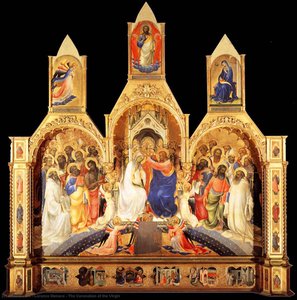
- Coronación de la Virgen: Ahora en el Uffizi – Presenta un gran número de santos con formas sinuosas y colores brillantes.
- Políptico de Monteoliveto: En la Galleria dell'Accademia – Exhibe una espiritualidad que presagia a Fra Angelico.
- Adoración de los Magos (1420-1422): Los acortamientos parecen surrealistas debido a la ausencia de perspectiva geométrica, pero mantiene una alta calidad pictórica.
- Historias de la Virgen en la Capilla Bartolini Salimbeni: Uno de sus pocos frescos.
Influencias y Legado
- La obra de Monaco fue influenciada por Giotto, Spinello Aretino, Agnolo Gaddi, Lorenzo Ghiberti y Gherardo Starnina.
- Permaneció en gran medida imperturbable por las innovaciones de Masaccio y Filippo Brunelleschi, manteniendo su estilo distintivo.
- Giorgio Vasari incluyó una biografía de Monaco en sus "Vidas", señalando su muerte por una infección no identificada.
- A pesar de la información biográfica limitada, las contribuciones de Lorenzo Monaco al arte gótico tardío-renacentista temprano son significativas. Su mezcla única de estilos y enfoque espiritual dejaron un impacto duradero en artistas posteriores.
Significado Histórico
- Considerado el último exponente importante del estilo Giotto antes de la revolución renacentista.
- Puenteó la brecha entre las tradiciones góticas tardías y los principios artísticos emergentes del Renacimiento.
- Su énfasis en la espiritualidad y las formas estilizadas representan una estética distinta dentro de la pintura florentina.
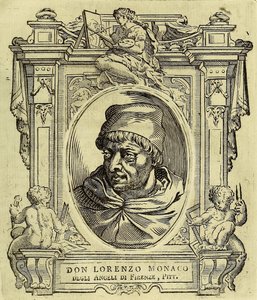
Lorenzo Monaco
1370 - 1425 , Italia
Datos clave
- Artistas Influenciados Por Este Artista: ['Masaccio']
- Artistas Que Influyeron:
- Giotto
- Spinello Aretino
- Agnolo Gaddi
- Fecha De Muerte: c. 1425
- Fecha De Nacimiento: c. 1370
- Lugar De Nacimiento: Siena, Italia
- Movimiento Artístico: Gótico tardío-Renacimiento temprano
- Nacionalidad: Italiana
- Nombre Completo: Lorenzo Monaco
- Obras Notables:
- Pietà
- Coronación de la Virgen
- Adoración de los Magos
Artículos relacionados
Sacred Narratives Embodied: A Comprehensive Exploration of Religious Iconography in Art History
Explore the rich history of religious iconography in art! Discover symbolism, movements & masterpieces from Byzantine to Renaissance periods. Expert insights for collectors and enthusiasts at ArtsDot.
El Crepúsculo Radiante de la Visión Medieval: Fe, Forma y Emotividad en el Arte Gótico Tardío (c. 1300-1500)
Explore el esplendor del arte gótico tardío (c. 1300-1500). Descubra la síntesis de fe, forma y emoción en la pintura internacional, los retablos medievales y la influencia de Giotto. Análisis experto.
Más Allá de las Fronteras: Innovaciones Espirituales y Estilísticas del Arte Gótico Internacional
Descubra las innovaciones espirituales y estilísticas del Arte Gótico Internacional. Análisis profundo de sus orígenes, características clave, influencia en España y legado artístico. Expertos en historia del arte.
La Sombra de la Fe: Explorando la Intensidad Espiritual y la Innovación Arquitectónica del Arte Gótico
Descubre la profunda espiritualidad y la innovadora arquitectura del arte gótico. Explora la Basílica de Saint-Denis, su simbolismo cristiano y el legado duradero de este fascinante estilo. Análisis experto en ArtsDot.
Sacred Narratives on Canvas: Exploring Religious Scenes & Their Enduring Influence
Explore the rich history of religious art from Giotto to the Renaissance masters with ArtsDot. Discover symbolism, techniques & enduring legacies. Museum-quality reproductions available.