 Ver en contexto
 Enviar
 Compartir
 Detalles

 Descargar
 Similares
 Radiografía
 Presentación de diapositivas
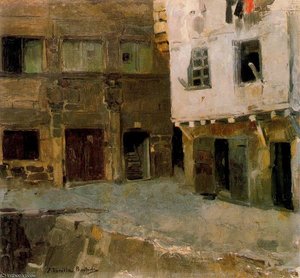
Duane Street, New York


 Ver más
Giclée / Impresión de arte
Impresiones giclée o en lienzo de calidad de museo con producción rápida y opciones de acabado flexibles. ( Comprar pintura hecha a mano Comprar imagen)




P118B $10

P118H $10

P118W $10

P438Z $10

P508JH $12

P508YH $12

P805H $10

P805Z $10

P919BZ $10

P919G $10

P919XJ $10

P959ZH $10

P968JZ $12

W106C $8

W218G $10

W218JH $8

W218Y $10

W307PJ $10

W316G $10

W316PJ $8

W316Y $10

W398PJ $8

W4111J $10

W500HY $15

W500JH $15

W692G $12

W849H $8

W940BG $15

W953PJ $8




Elija entre nuestros tamaños predefinidos que respetan las proporciones originales de la obra.

Puede introducir sus propias dimensiones para adaptarse a un marco o espacio específico. Si el tamaño seleccionado no coincide con las proporciones de la imagen original, recortaremos la obra de arte o extenderemos la imagen con un borde con efecto espejo o de color sólido. Se enviará una maqueta digital para su aprobación antes de que comience la producción.
Tenga en cuenta que la vista previa en pantalla no refleja el recorte o la extensión real. Solo la maqueta mostrará con precisión la composición final.
Aunque existen tamaños personalizados, recomendamos seleccionar una dimensión de la lista predefinida para preservar las proporciones originales.
Envío a todo el mundo () en 2 semanas en lugar de las 4/5 semanas estándar. (26 agosto)

Envío exprés gratuito a todo el mundo

Lienzo de lino de alta calidad

Seguro de envío total

Garantía de reembolso de impuestos aduaneros

Garantía de fidelidad cromática exacta

Política de devolución de 60 días (solo por defectos)

Garantía de devolución del 100% del dinero

Descuento por cantidad
 La opción de vidrio solo está disponible en tamaños inferiores a 110 cm.

Duane Street, New York
Giclée / Impresión de arte
Dimensiones de la reproducción
-


Precio total final
$ 62
Descripción de la pieza
A Snapshot of Urban Life: Louis Comfort Tiffany’s “Duane Street, New York”
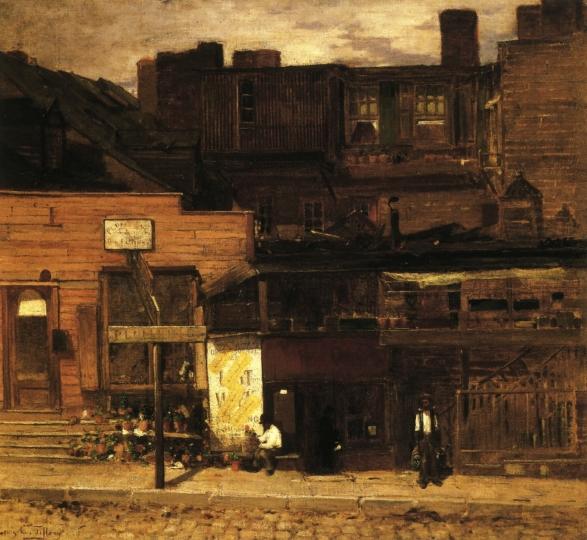
Louis Comfort Tiffany's "Duane Street, New York," painted in 1877, isn’t merely a depiction of a city street; it’s a meticulously crafted window into the burgeoning spirit of late 19th-century American urbanism. More than just a record of a specific location – Duane Street in Lower Manhattan – the painting embodies a fascination with modernity and the everyday experiences of its inhabitants, reflecting Tiffany's broader artistic ambitions within the context of the Aesthetic Movement. The piece offers a poignant glimpse into a world on the cusp of rapid transformation, capturing both the grit and the charm of a city striving to define itself.
Tiffany’s approach is distinctly Impressionistic, yet imbued with a uniquely American sensibility. He eschews romanticized notions of urban life, presenting instead a somewhat weathered, almost documentary-style view. The palette is dominated by earthy tones – browns, ochres, and muted greens – creating a sense of subdued light and shadow that lends the scene an air of quiet contemplation. This deliberate restraint contrasts with the vibrant colors often associated with Tiffany’s later work in stained glass, suggesting a shift towards capturing the subtle nuances of reality rather than imposing idealized beauty. The brushwork is loose and expressive, prioritizing atmosphere and suggestion over precise detail, mirroring the fleeting moments captured by Impressionist painters.
The Artist and His Context
Born into privilege as the son of Charles Lewis Tiffany, founder of the renowned Tiffany & Co., Louis Comfort Tiffany initially pursued a career in painting under the tutelage of George Inness and Samuel Colman. However, he soon gravitated towards the burgeoning field of decorative arts, ultimately establishing his own glassmaking firm, Tiffany Studios, in 1893. This move allowed him to fully realize his artistic vision, moving beyond simply supplying materials for others and becoming a central figure in shaping American design. “Duane Street, New York” exemplifies this shift – it’s not just a painting; it's a carefully considered statement about the artist’s evolving aesthetic sensibilities.
The late 1870s were a period of immense social and economic change in America. Rapid industrialization was transforming cities like New York, leading to overcrowding, poverty, and a sense of alienation. Tiffany’s painting captures this dynamic tension – the bustling street scene is populated by ordinary people going about their daily lives, yet there's an underlying feeling of weariness and resilience. The presence of a fire escape ladder, a common sight in rapidly expanding urban areas, speaks to the challenges faced by residents while also hinting at the ingenuity and adaptability of the city’s inhabitants.
Decoding the Details: Symbolism and Observation
Beyond its straightforward depiction of a street scene, “Duane Street, New York” is rich with subtle symbolism. The worn cobblestones beneath the feet of passersby suggest the relentless pace of urban life, while the simple wooden buildings evoke a sense of history and permanence amidst the constant flux. The inclusion of a man seated on a chair – seemingly lost in thought – invites viewers to contemplate their own place within the larger narrative of the city. Even the potted plants offer a touch of nature, providing a momentary respite from the urban landscape.
The painting’s composition is carefully balanced, drawing the eye through the scene and creating a sense of depth and perspective. The figures are rendered with a degree of realism, yet they're also treated as elements within a larger decorative whole. Tiffany was deeply influenced by Japanese art and design, which emphasized asymmetry and flattened perspectives – these principles can be observed in the way he arranges the figures and buildings within the frame. The painting’s connection to the Brooklyn Museum, where it remains on display today, underscores its significance as a landmark of American art history.
A Legacy of Innovation
“Duane Street, New York” stands as a testament to Louis Comfort Tiffany's artistic vision and his pivotal role in shaping the Aesthetic Movement. It’s a captivating portrayal of urban life that transcends mere documentation, offering viewers a profound meditation on the complexities of modernity. Reproductions of this iconic painting continue to resonate with audiences today, serving as a reminder of Tiffany’s enduring legacy as one of America's most celebrated artists and designers.
Obras relacionadas


Biografía del artista
Louis Comfort Tiffany: Una Vida en el Art Nouveau
- Nacido: 18 de febrero de 1848, Nueva York City, Estados Unidos
- Fallecido: 17 de enero de 1933
- Nacionalidad: Estadounidense
- Conocido Por: Vidrieras, artes decorativas, Art Nouveau y movimientos Estéticos.
Primeros Años y Formación Artística
- Tiffany nació en una familia prominente; su padre fue Charles Lewis Tiffany, fundador de Tiffany & Co.
- Recibió educación temprana en la Academia Militar de Pensilvania y la Academia Militar Eagleswood.
- Sus primeros esfuerzos artísticos se centraron en la pintura, estudiando bajo George Inness y Samuel Colman. También estudió en la Academia Nacional de Diseño y con Leon-Adolphe-Auguste Belly.
- Las primeras influencias incluyeron el Romanticismo y temas exóticos, evidentes en sus pinturas como "Encantador de serpientes en Tánger, África".
El Ascenso de un Innovador en Vidrieras
- Alrededor de 1875, Tiffany cambió su enfoque a la fabricación de vidrio, experimentando con varias técnicas.
- Colaboró brevemente con Candace Wheeler, Samuel Colman y Lockwood de Forest en "Louis Comfort Tiffany and Associated American Artists" (1879-1884).
- Estableciendo su propia fábrica de vidrio en Corona, Nueva York, se propuso elevar la calidad del vidrio contemporáneo.
- Un momento clave fue su trabajo de diseño de interiores para la Casa Mark Twain en Hartford, Connecticut (1881), mostrando sus primeras habilidades en artes decorativas.
Contribuciones e Innovaciones Clave
- La Técnica del Papel de Cobre: Tiffany revolucionó el arte de las vidrieras al desarrollar la "técnica del papel de cobre", que permitía diseños intrincados y mayor detalle que los métodos tradicionales con plomo.
- Vidrio Favrile: Creó vidrio Favrile, un vidrio artístico iridiscente único conocido por su calidad artesanal y colores vibrantes.
- Vidrio Opalescente: El uso innovador de vidrio opalescente por parte de Tiffany produjo efectos etéreos y una estética distintiva.
- Estilo Art Nouveau: Sus diseños encarnaban el movimiento Art Nouveau, caracterizado por líneas fluidas, motivos orgánicos y un énfasis en la belleza decorativa.
Legado y Significado Histórico
- Louis Comfort Tiffany es considerado la figura estadounidense más importante en los movimientos Art Nouveau y Estético.
- Su trabajo impactó significativamente el arte de las vidrieras, el diseño de interiores y las artes decorativas.
- Museos de todo el mundo, incluyendo el Museo de Arte de Nueva Orleans y el Bergstrom-Mahler Museum of Glass, exhiben sus creaciones.
- El legado de Tiffany continúa inspirando a artistas y diseñadores, con reproducciones e impresiones disponibles fácilmente a través de plataformas como ArtsDot.com.
- Elevó las artes decorativas a una forma de arte fino, influyendo en generaciones de artistas y moldeando el panorama estético de finales del siglo XIX y principios del XX.
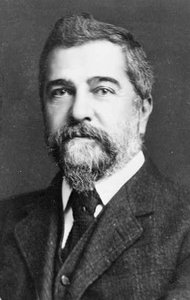
Louis Comfort Tiffany
1848 - 1933 , Estados Unidos de América
Datos clave
- Artistas Que Influyeron En Este Artista:
- George Inness
- Samuel Colman
- Fecha De Fallecimiento: 17 de enero de 1933
- Fecha De Nacimiento: 18 de febrero de 1848
- Lugar De Nacimiento: Ciudad de Nueva York, EE. UU.
- Movimiento Artístico O Estilo:
- Art Nouveau
- Aesthetic
- Nacionalidad: Estadounidense
- Nombre Completo: Louis Comfort Tiffany
- Obras Notables:
- Puerta principal de la casa Havemeyer
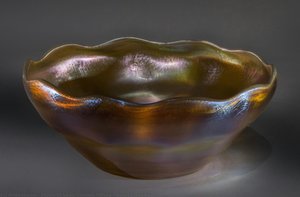
- Cuenco Favrile dorado
- Lámpara Wisteria
- Diseño para ventana
Artículos relacionados
Concrete Narratives: Exploring Urban Life in Modern & Contemporary Art
Explore the evolution of cityscape painting with ArtsDot. Discover key artists from Realism to contemporary movements & invest in timeless urban visions. Expert guidance, museum-quality reproductions.
Más allá de los muros de la galería: El auge del arte urbano contemporáneo
Descubre el fascinante mundo del arte urbano contemporáneo. Explora su historia, artistas y cómo llevar esta expresión creativa a tu hogar con .
Más Allá del Graffiti: Evolución e Impacto Cultural del Arte Callejero para Coleccionistas
Descubre la evolución del arte urbano y su impacto en el coleccionismo. Análisis de artistas clave, técnicas innovadoras e inversión en obras de street art. Guía experta para coleccionistas.
Concrete Visions: Exploring the Urban Landscape in Painting – From Realism to Contemporary Art
Explore the evolution of cityscape painting from Realism to contemporary art with ArtsDot. Discover key artists & invest in timeless urban visions. Expert guidance, museum-quality reproductions.

Concrete Visions: Exploring Representations of Urban Life in Modern & Contemporary Art
Explore the evolution of cityscape painting from Realism to contemporary art. Discover key artists & invest in timeless urban visions with ArtsDot's expert guidance and museum-quality reproductions.