

 Enviar
 Compartir
 Detalles

 Descargar
 Similares
 Presentación de diapositivas
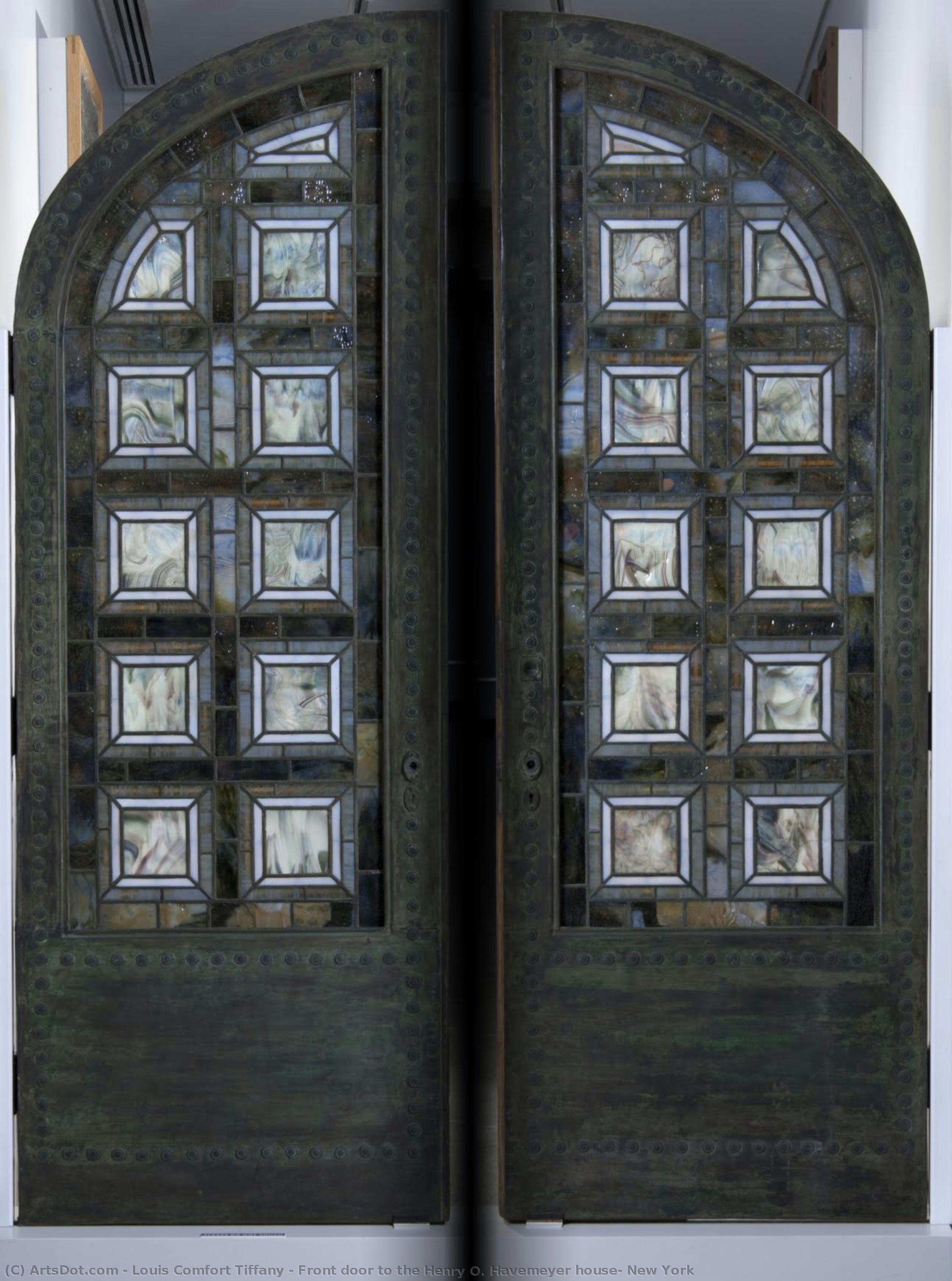
Front door to the Henry O. Havemeyer house, New York
 Stained Glass
- Decor
- Art Nouveau
 1891
1891- 19th Century
 9.0 x 25.0 cm
 Universidad de Míchigan Museo de Arte
 Ver más
Adquiera una imagen digital de alta resolución y optimizada, muy superior a la vista previa en línea.
Cada archivo es preparado meticulosamente por nuestros especialistas internos mediante el uso de herramientas avanzadas y un experto retoque manual. Nos aseguramos de que cada imagen posea una claridad excepcional, una precisión cromática impecable y un detalle minucioso.
El archivo final se entrega por correo electrónico en un plazo de 72 horas, optimizado para su uso inmediato en entornos profesionales, editoriales y de impresión. Esta es la misma calidad en la que confían los estudios de diseño, las editoriales y las galerías de primer nivel.
Imagen Digital
Descarga un archivo de alta resolución para exhibición personal, impresión y proyectos creativos. ( Comprar impresión Comprar pintura hecha a mano)
Incluido en cada pedido de imágenes digitales
Entrega digital experta, garantizada.
Al elegir ArtsDot.com, no solo está adquiriendo una imagen; está recibiendo una obra de arte digital mejorada profesionalmente, elaborada con precisión y respaldada por una garantía de satisfacción. Esto es todo lo que incluye su pedido, automáticamente:

Entrega rápida por email
Recibirá su archivo de imagen digital en alta resolución por correo electrónico en un plazo de 72 horas tras realizar su pedido, listo para su uso inmediato.

Archivo digital optimizado por IA
Su obra de arte se optimiza profesionalmente mediante herramientas avanzadas de IA y edición manual, garantizando el máximo detalle, claridad y precisión cromática.

Reenvío gratuito de por vida
¿Has borrado o perdido tu archivo por error? No te preocupes: te lo volveremos a enviar en cualquier momento, sin coste adicional.

Sin gastos de importación, siempre
Disfrute de su obra de arte al instante sin aduanas, aranceles ni gastos de envío; las descargas digitales siempre están libres de impuestos.

Garantía de fidelidad de color
Garantizamos que su imagen digital refleje los colores originales con la mayor fidelidad posible, mediante el uso de herramientas profesionales y gestión del color.

Garantía de satisfacción de 60 días
Si no está satisfecho con su imagen digital, la revisaremos o le reembolsaremos el 100% en un plazo de 60 días, sin preguntas.

100% Garantía de devolución de dinero
¿No está satisfecho? Obtenga un reembolso completo dentro de los 60 días posteriores a la recepción de su archivo digital, sin necesidad de explicaciones.

Descuentos por pedidos grandes
Compra 3 imágenes, ahorra 10% - Compra 5, ahorra 15% - Compra 10+, ahorra 20%. Ideal para proyectos creativos, galerías y agencias.
A Threshold of Light and Color
To approach the Henry O. Havemeyer house in late nineteenth-century New York was to encounter a study in architectural restraint. Designed by Charles Haight, the exterior presented a facade of Richardsonian austerity, a somber stone presence that commanded respect through its strength and solidity. However, for those privileged enough to cross the threshold, the heavy exterior gave way to an unexpected, ethereal revelation. The front doors, a masterpiece by Louis Comfort Tiffany, acted as a transformative portal, shifting the observer from the grounded reality of Manhattan streets into a luminous realm of pure artistry. These doors were not merely functional barriers but were instead a breathtaking symphony of color and light, designed to enchant the soul even before one fully entered the opulent interior.
The design of these magnificent doors embodies the very essence of the Art Nouveau movement. Moving away from the rigid, historical revivals of the past, Tiffany embraced a philosophy of organic fluidity. The composition is a delicate dance of curvilinear shapes and flowing lines that mimic the rhythmic patterns found in nature. Within the stained glass panels, one finds an intricate arrangement of floral and foliage motifs that seem to grow and unfurl across the glass. This seamless blend of classical architectural structure—seen in the arched compositions and square coffers—with the wild, organic energy of botanical forms creates a sense of balanced harmony, making the piece a timeless inspiration for those who appreciate the marriage of structure and grace.
The Alchemy of Favrile Glass
The technical brilliance behind this work lies in Tiffany’s revolutionary approach to glassmaking. To achieve the depth and shimmering texture that defines his most celebrated works, Tiffany utilized his signature Favrile technique. This process involved a meticulous alchemy, fusing molten glass with powdered metal oxides to create unparalleled color brilliance and a surface complexity that catches the light from every conceivable angle. The result is a glass that does not merely transmit light but seems to glow from within, possessing a painterly quality that traditional stained glass could never replicate.
<Beyond the glass itself, the craftsmanship extends to the very frame of the entrance. The doors are embellished with delicate lead caming and even incorporate small beach stones sourced from Long Island. These stones, presented to Tiffany by Mrs. Havemeyer, serve as a poignant symbol of the personal connection between the artist and his patrons. This integration of natural, raw elements—the rough texture of stone against the smooth, reflective surface of the glass—creates a sensory experience that is both grounded and transcendent. For the collector or interior designer, such a piece represents more than decoration; it is an invitation to bring the transformative power of light and nature into a modern living space.
A Legacy of Artistic Vision
Historically, these doors stand as a testament to the Gilded Age's fascination with beauty, craftsmanship, and a profound reconnection with the natural world. Created around 1891, they represent a moment in American history when industrial wealth was being channeled into the creation of enduring, high-art legacies. The Havemeyer doors are not just an architectural feature; they are a narrative of duality—mirroring the strength of the house's exterior while embracing the warmth and intimacy of its interior life. Owning or displaying a reproduction of such a masterpiece allows one to capture that same sense of grandeur and emotional depth, turning any environment into a sanctuary of light, history, and unparalleled elegance.
Obras relacionadas

Biografía del artista
Louis Comfort Tiffany: Una Vida en el Art Nouveau
- Nacido: 18 de febrero de 1848, Nueva York City, Estados Unidos
- Fallecido: 17 de enero de 1933
- Nacionalidad: Estadounidense
- Conocido Por: Vidrieras, artes decorativas, Art Nouveau y movimientos Estéticos.
Primeros Años y Formación Artística
- Tiffany nació en una familia prominente; su padre fue Charles Lewis Tiffany, fundador de Tiffany & Co.
- Recibió educación temprana en la Academia Militar de Pensilvania y la Academia Militar Eagleswood.
- Sus primeros esfuerzos artísticos se centraron en la pintura, estudiando bajo George Inness y Samuel Colman. También estudió en la Academia Nacional de Diseño y con Leon-Adolphe-Auguste Belly.
- Las primeras influencias incluyeron el Romanticismo y temas exóticos, evidentes en sus pinturas como "Encantador de serpientes en Tánger, África".
El Ascenso de un Innovador en Vidrieras
- Alrededor de 1875, Tiffany cambió su enfoque a la fabricación de vidrio, experimentando con varias técnicas.
- Colaboró brevemente con Candace Wheeler, Samuel Colman y Lockwood de Forest en "Louis Comfort Tiffany and Associated American Artists" (1879-1884).
- Estableciendo su propia fábrica de vidrio en Corona, Nueva York, se propuso elevar la calidad del vidrio contemporáneo.
- Un momento clave fue su trabajo de diseño de interiores para la Casa Mark Twain en Hartford, Connecticut (1881), mostrando sus primeras habilidades en artes decorativas.
Contribuciones e Innovaciones Clave
- La Técnica del Papel de Cobre: Tiffany revolucionó el arte de las vidrieras al desarrollar la "técnica del papel de cobre", que permitía diseños intrincados y mayor detalle que los métodos tradicionales con plomo.
- Vidrio Favrile: Creó vidrio Favrile, un vidrio artístico iridiscente único conocido por su calidad artesanal y colores vibrantes.
- Vidrio Opalescente: El uso innovador de vidrio opalescente por parte de Tiffany produjo efectos etéreos y una estética distintiva.
- Estilo Art Nouveau: Sus diseños encarnaban el movimiento Art Nouveau, caracterizado por líneas fluidas, motivos orgánicos y un énfasis en la belleza decorativa.
Legado y Significado Histórico
- Louis Comfort Tiffany es considerado la figura estadounidense más importante en los movimientos Art Nouveau y Estético.
- Su trabajo impactó significativamente el arte de las vidrieras, el diseño de interiores y las artes decorativas.
- Museos de todo el mundo, incluyendo el Museo de Arte de Nueva Orleans y el Bergstrom-Mahler Museum of Glass, exhiben sus creaciones.
- El legado de Tiffany continúa inspirando a artistas y diseñadores, con reproducciones e impresiones disponibles fácilmente a través de plataformas como ArtsDot.com.
- Elevó las artes decorativas a una forma de arte fino, influyendo en generaciones de artistas y moldeando el panorama estético de finales del siglo XIX y principios del XX.

Louis Comfort Tiffany
1848 - 1933 , Estados Unidos de América
Breves datos
- Artistas Que Influyeron En Este Artista:
- George Inness
- Samuel Colman
- Fecha De Fallecimiento: 17 de enero de 1933
- Fecha De Nacimiento: 18 de febrero de 1848
- Lugar De Nacimiento: Ciudad de Nueva York, EE. UU.
- Movimiento Artístico O Estilo:
- Art Nouveau
- Aesthetic
- Nacionalidad: Estadounidense
- Nombre Completo: Louis Comfort Tiffany
- Obras Notables:
- Puerta principal de la casa Havemeyer
- Cuenco Favrile dorado
- Lámpara Wisteria
- Diseño para ventana

