

 Ver en contexto
 Enviar
 Compartir
 Detalles

 Descargar
 Similares
 Radiografía
 Presentación de diapositivas
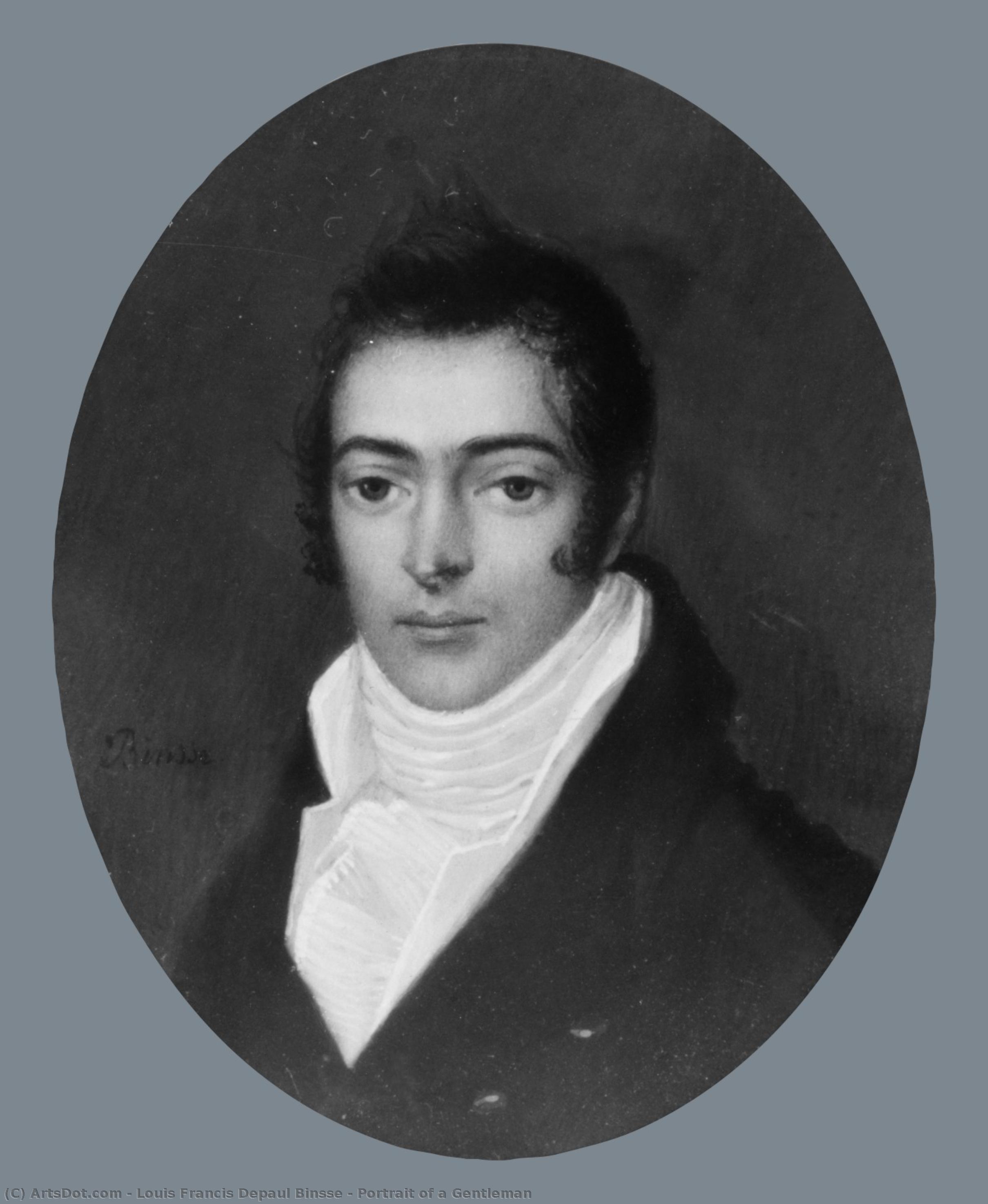
Portrait of a Gentleman
 1810
1810 7.0 x 6.0 cm
 Ver más
Adquiera una imagen digital de alta resolución y optimizada, muy superior a la vista previa en línea.
Cada archivo es preparado meticulosamente por nuestros especialistas internos mediante el uso de herramientas avanzadas y un experto retoque manual. Nos aseguramos de que cada imagen posea una claridad excepcional, una precisión cromática impecable y un detalle minucioso.
El archivo final se entrega por correo electrónico en un plazo de 72 horas, optimizado para su uso inmediato en entornos profesionales, editoriales y de impresión. Esta es la misma calidad en la que confían los estudios de diseño, las editoriales y las galerías de primer nivel.
Imagen Digital
Descarga un archivo de alta resolución para exhibición personal, impresión y proyectos creativos. ( Comprar impresión Comprar pintura hecha a mano)
Incluido en cada pedido de imágenes digitales
Entrega digital experta, garantizada.
Al elegir ArtsDot.com, no solo está adquiriendo una imagen; está recibiendo una obra de arte digital mejorada profesionalmente, elaborada con precisión y respaldada por una garantía de satisfacción. Esto es todo lo que incluye su pedido, automáticamente:

Entrega rápida por email
Recibirá su archivo de imagen digital en alta resolución por correo electrónico en un plazo de 72 horas tras realizar su pedido, listo para su uso inmediato.

Archivo digital optimizado por IA
Su obra de arte se optimiza profesionalmente mediante herramientas avanzadas de IA y edición manual, garantizando el máximo detalle, claridad y precisión cromática.

Reenvío gratuito de por vida
¿Has borrado o perdido tu archivo por error? No te preocupes: te lo volveremos a enviar en cualquier momento, sin coste adicional.

Sin gastos de importación, siempre
Disfrute de su obra de arte al instante sin aduanas, aranceles ni gastos de envío; las descargas digitales siempre están libres de impuestos.

Garantía de fidelidad de color
Garantizamos que su imagen digital refleje los colores originales con la mayor fidelidad posible, mediante el uso de herramientas profesionales y gestión del color.

Garantía de satisfacción de 60 días
Si no está satisfecho con su imagen digital, la revisaremos o le reembolsaremos el 100% en un plazo de 60 días, sin preguntas.

100% Garantía de devolución de dinero
¿No está satisfecho? Obtenga un reembolso completo dentro de los 60 días posteriores a la recepción de su archivo digital, sin necesidad de explicaciones.

Descuentos por pedidos grandes
Compra 3 imágenes, ahorra 10% - Compra 5, ahorra 15% - Compra 10+, ahorra 20%. Ideal para proyectos creativos, galerías y agencias.
Obras relacionadas









Biografía del artista
A Delicate Hand: The Life and Art of Louis Francis Depaul Binsse
Louis Francis Depaul Binsse, a name perhaps less celebrated than some of his contemporaries, nevertheless occupies a fascinating niche in the world of early 19th-century French art. Born in Paris in 1774, Binsse dedicated himself to the intimate and refined arts of miniature and watercolor painting—a pursuit that reflected both the aristocratic tastes lingering from the Ancien Régime and the burgeoning Romantic sensibility beginning to take hold. While biographical details remain somewhat sparse, we know he flourished during a period of immense social and political upheaval, navigating the transition from the opulence of pre-revolutionary France through the Napoleonic era and beyond. His life, though not extensively documented, appears to have been one devoted to capturing the likenesses and fleeting moments of his time with remarkable skill and sensitivity.Early Career and Artistic Influences
Binsse’s artistic formation likely occurred within the established Parisian art circles, although specific teachers or formal training remain unconfirmed. The prevailing aesthetic climate of late 18th-century France heavily influenced his early work. The Rococo style, with its emphasis on delicate ornamentation and pastel hues, undoubtedly played a role in shaping his initial approach. However, Binsse’s paintings also reveal an awareness of the emerging Neoclassical movement, particularly in their clarity of line and attention to anatomical detail. He was not merely replicating existing styles; rather, he synthesized them into a uniquely personal expression. The influence of artists like Jean-Baptiste Greuze, known for his realistic portraiture, can be detected in Binsse’s commitment to capturing the individual character of his sitters. His early career coincided with a growing demand for smaller, more intimate portraits—a trend fueled by both economic realities and changing social preferences. Miniatures, in particular, became fashionable as keepsakes and tokens of affection, allowing individuals to carry cherished images of loved ones close at hand.A Portraitist of an Era
Binsse’s primary focus was portraiture, executed with a remarkable degree of finesse in both miniature and watercolor. His surviving works—such as the ‘Portrait of a Gentleman’ from 1810—demonstrate his mastery of technique and his ability to convey not only physical resemblance but also a sense of personality and inner life. He possessed an exceptional talent for rendering textures, capturing the sheen of silk, the warmth of skin tones, and the subtle play of light and shadow. His watercolors are particularly notable for their delicate washes and luminous quality. Beyond formal portraits, Binsse also created scenes depicting everyday life, offering glimpses into the customs and fashions of his era. Interestingly, documentation reveals a period where he served the French government in Haiti under Vicomte de Rochambeau before fleeing the island in 1806—an experience that likely broadened his perspective and may have subtly informed his artistic vision. This episode adds a layer of complexity to his biography, suggesting a life beyond the confines of the Parisian studio.Legacy and Historical Significance
Although Binsse did not achieve widespread fame during his lifetime, his work provides valuable insights into the art and society of early 19th-century France. His paintings offer a window into the lives of the individuals who commissioned them—members of the bourgeoisie, minor nobility, and perhaps even those connected to the political spheres of the time. His dedication to miniature painting helped preserve this art form during a period of transition, ensuring its continued relevance in an era increasingly dominated by larger-scale canvases. Binsse’s legacy lies not in groundbreaking innovation but in his exceptional skill and sensitivity as a portraitist. He was a master craftsman who captured the essence of his sitters with remarkable precision and grace. Today, his works are appreciated for their technical brilliance, historical significance, and enduring beauty—a testament to the power of delicate artistry in a turbulent age. His paintings serve as poignant reminders of a bygone era, offering glimpses into the lives, fashions, and sensibilities of those who lived through a period of profound change.
Louis Francis Depaul Binsse
1774 - 1844

