

 Ver en contexto
 Enviar
 Compartir
 Detalles

 Descargar
 Similares
 Radiografía
 Presentación de diapositivas
 Stats
StatsGeorge Frideric Handel


 Ver más
Giclée / Impresión de arte
Impresiones giclée o en lienzo de calidad de museo con producción rápida y opciones de acabado flexibles. ( Comprar pintura hecha a mano Switch to Digital Image)




P118B $10

P118H $10

P118W $10

P438Z $10

P508JH $12

P508YH $12

P805H $10

P805Z $10

P919BZ $10

P919G $10

P919XJ $10

P959ZH $10

P968JZ $12

W106C $8

W218G $10

W218JH $8

W218Y $10

W307PJ $10

W316G $10

W316PJ $8

W316Y $10

W398PJ $8

W4111J $10

W500HY $15

W500JH $15

W692G $12

W849H $8

W940BG $15

W953PJ $8




Elija entre nuestros tamaños predefinidos que respetan las proporciones originales de la obra.

Puede introducir sus propias dimensiones para adaptarse a un marco o espacio específico. Si el tamaño seleccionado no coincide con las proporciones de la imagen original, recortaremos la obra de arte o extenderemos la imagen con un borde con efecto espejo o de color sólido. Se enviará una maqueta digital para su aprobación antes de que comience la producción.
Tenga en cuenta que la vista previa en pantalla no refleja el recorte o la extensión real. Solo la maqueta mostrará con precisión la composición final.
Aunque existen tamaños personalizados, recomendamos seleccionar una dimensión de la lista predefinida para preservar las proporciones originales.
Envío a todo el mundo () en 2 semanas en lugar de las 4/5 semanas estándar. (8 septiembre)

Envío exprés gratuito a todo el mundo

Lienzo de lino de alta calidad

Seguro de envío total

Garantía de reembolso de impuestos aduaneros

Garantía de fidelidad cromática exacta

Política de devolución de 100 días (solo por defectos)

Garantía de devolución del 100% del dinero

Descuento por cantidad
 La opción de vidrio solo está disponible en tamaños inferiores a 110 cm.

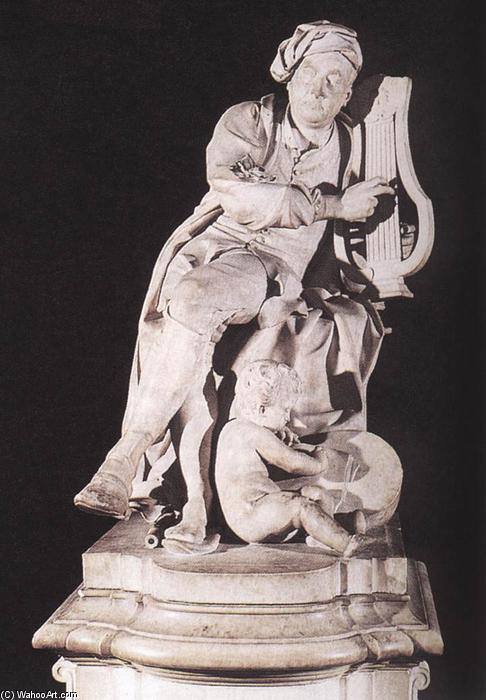
George Frideric Handel
Giclée / Impresión de arte
Dimensiones de la reproducción
-


Precio total final
$ 62
The Majesty of Handel: A Marble Testament
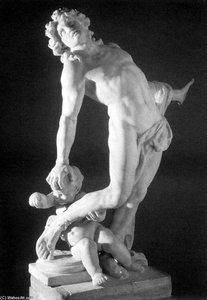
Louis-François Roubiliac’s sculpted portrait of George Frideric Handel stands as more than just a likeness; it's a carefully constructed embodiment of the Baroque era’s grandeur and burgeoning Rococo sensibilities. Completed in 1738, this remarkable marble figure captures not merely the physical appearance of the renowned composer but also his spirit – a potent blend of intellectual rigor, theatrical flair, and profound musical genius. The sculpture resides on a substantial pedestal, its base constructed from what appears to be weathered stone or concrete, lending an air of timeless solidity to the scene. Roubiliac’s masterful manipulation of marble demonstrates a deep understanding of light and shadow, creating a palpable sense of volume and texture that draws the viewer into Handel's world.
Handel is depicted in a seated pose, his posture radiating both authority and contemplative grace. He holds what appears to be a lute or small guitar – an instrument intimately linked with his prolific career as a composer and performer. The detail here is exquisite; observe the meticulous carving of the instrument’s strings, the delicate curve of its body, and the subtle suggestion of its resonance. His attire—a flowing robe draped elegantly over one leg, revealing a bare foot—is characteristic of the period, reflecting both classical ideals of beauty and a touch of aristocratic nonchalance. The folds in the fabric are rendered with astonishing precision, showcasing Roubiliac’s technical skill and his ability to convey movement and texture through purely sculptural means.
A Sculptor Bridging Eras
Louis-François Roubiliac's artistic journey is a fascinating tale of adaptation and innovation. Born in Lyon, France, in 1702, he initially trained under Balthasar Permoser in Dresden, absorbing the dramatic intensity of Baroque sculpture influenced by Bernini’s dynamism. This early exposure to Baroque principles was further refined through studies with Nicolas Coustou in Paris, where he honed his classical techniques and developed a keen eye for proportion and form. Roubiliac's relocation to England in 1730 marked a pivotal shift; he quickly established himself as one of the most celebrated sculptors of the era, skillfully blending Baroque grandeur with the more intimate and playful qualities of Rococo style. His ability to capture not just likeness but also the very essence of his sitters—a remarkable feat achieved during a period of significant artistic transition—cemented his legacy.
Symbolism and Context
The choice of depicting Handel with a musical instrument is deeply symbolic, immediately connecting the sculpture to his profession. The lute, in particular, evokes images of ancient Greece and its legendary musician Orpheus, suggesting that Handel’s music possesses a timeless quality and the power to move audiences across generations. The bare foot, a common motif in classical sculpture, symbolizes connection to the earth and a rejection of worldly vanity – qualities often associated with artistic genius. The dark background serves not as an absence but rather as a deliberate focus on the figure, emphasizing his importance and drawing the viewer’s attention entirely to Handel's presence. The sculpture was commissioned by Jonathan Tyers, owner of Vauxhall Gardens, a fashionable pleasure ground in London during the mid-18th century – a setting that underscores the connection between art, entertainment, and social status.
A Legacy in Marble
Roubiliac’s “George Frideric Handel” is more than just a portrait; it's a testament to the sculptor’s skill, his understanding of Baroque and Rococo aesthetics, and his ability to capture the spirit of a remarkable man. The sculpture’s enduring appeal lies in its combination of technical mastery, symbolic richness, and emotional resonance. Reproductions offer an exceptional opportunity to bring this captivating work into any setting, allowing viewers to appreciate the artistry and historical significance of Handel's life and music. It is a piece that speaks volumes about the intersection of art, culture, and the enduring power of human creativity.
Obras relacionadas

Biografía del artista
Primeros Años y Formación
- Nacido: Lyon, Francia (1702)
- La primera juventud de Roubiliac es algo oscura, pero demostró talento artístico desde temprana edad.
- Recibió su formación inicial en el estudio de Balthasar Permoser en Dresde. Permoser fue un escultor prominente conocido por su trabajo en el estilo barroco y había trabajado previamente bajo Bernini. Esta exposición a la escultura italiana barroca influyó significativamente en el desarrollo temprano de Roubiliac.
- Tras su tiempo con Permoser, perfeccionó aún más sus habilidades en París, estudiando bajo Nicolas Coustou, otro respetado escultor francés.
Llegada a Inglaterra y Ascenso a la Fama
- Decepcionado por no ganar el primer lugar en un concurso para el Prix de Rome, Roubiliac se mudó a Londres en 1735.
- Se estableció rápidamente como un escultor de retratos habilidoso, ganando patrocinio a través de presentaciones de figuras como Edward Walpole.
- Un momento clave en su carrera fue la comisión de una figura sentada de Handel en 1738. Este trabajo, expuesto en Vauxhall Gardens, obtuvo un amplio reconocimiento y solidificó la reputación de Roubiliac. La estatua combinaba realismo y alegoría: Handel se representaba tocando una lira griega antigua con un putto a su lado, lo que fue particularmente admirado.
- Se convirtió en miembro fundador de la Academia St Martin's Lane, una asociación profesional para artistas.
Obras Principales y Estilo Artístico
- Roubiliac es conocido principalmente por sus bustos de retrato y esculturas monumentales.
- Obras notables incluyen:
- La estatua de Handel (Victoria and Albert Museum)
- Monumentos en la Abadía de Westminster, incluyendo los dedicados al Duque de Argyll, Sir Peter Warren y el Mariscal Wade. Estos monumentos se caracterizan por sus composiciones dramáticas e intensidad emocional.
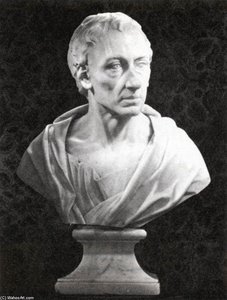
- Bustos de figuras prominentes como Isaac Newton (Trinity College Chapel, Cambridge), Martin Folkes, Robert Raymond, Daniel Lock, Robert Bruce Cotton y John Belchier.
- Estilo Artístico: El estilo de Roubiliac se clasifica generalmente como Rococó, pero con un énfasis distintivo en el realismo y la expresión emocional. Capturaba los rasgos de sus sujetos con una precisión notable al tiempo que transmitía su personalidad y estatus social. Sus monumentos a menudo incorporaban figuras alegóricas y poses dramáticas para crear narrativas visuales poderosas.
Carrera Posterior y Legado
- En la década de 1750, Roubiliac trabajó brevemente como modelador en la fábrica de porcelana de Chelsea, demostrando su versatilidad.
- Realizó viajes a Italia hacia el final de su vida.
- Roubiliac murió en Londres en 1762. Una parte significativa del contenido de su estudio se vendió póstumamente.
- Significado Histórico: Roubiliac es considerado uno de los escultores más destacados que trabajaron en Inglaterra. Desempeñó un papel crucial en la popularización de la escultura Rococó y estableció un alto estándar para el retrato y el arte monumental durante el siglo XVIII. Su influencia se puede ver en las obras de posteriores escultores británicos.
Influencias y Desarrollo
- Primeras Influencias: El estilo barroco de Balthasar Permoser, particularmente su exposición al trabajo de Bernini, moldeó las sensibilidades artísticas tempranas de Roubiliac. Nicolas Coustou proporcionó un mayor entrenamiento en técnicas de escultura clásica.
- Desarrollo: Si bien inicialmente influenciado por la estética Rococó prevaleciente en Francia e Inglaterra, Roubiliac desarrolló un estilo único que combinaba elegancia con realismo. Su capacidad para capturar el carácter y la emoción individuales lo distinguía de sus contemporáneos.
- Evolución del Estilo: Con el tiempo, su trabajo demostró una sofisticación creciente en la composición y la profundidad emocional, particularmente evidente en sus posteriores esculturas monumentales para la Abadía de Westminster.
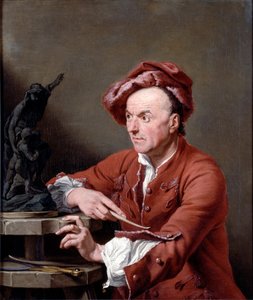
Louis-François Roubiliac
1695 - 1762 , Francia
Datos clave
- Artistas Que Influyeron:
- Balthasar Permoser
- Nicolas Coustou
- Fecha De Fallecimiento: 11 de enero de 1762
- Fecha De Nacimiento: 31 de agosto de 1702
- Lugar De Nacimiento: Lyon, Francia
- Movimiento Artístico: Rococó
- Nacionalidad: Francés
- Nombre Completo: Louis-François Roubiliac
- Obras Notables:
- Estatua de Handel
- Monumento al Duque de Argyll
- Busto de Isaac Newton
Artículos relacionados
The Enduring Legacy of Marble: A Comprehensive Exploration of Technique, Symbolism & Artistic Expression
Explore the rich history of marble sculpture from antiquity to the Renaissance! Discover key techniques, influential artists & enduring themes in classical art. Expert insights for collectors and enthusiasts at ArtsDot.

Esculturas de Bronce Legendarias: 10 Obras Maestras que Transformaron el Arte | ArtsDot
Descubre las 10 esculturas de bronce más legendarias que revolucionaron el arte. Explora la historia de Rodin, Degas y otros maestros del bronce. Encuentra reproducciones de alta calidad e inspiración para tu hogar en ArtsDot.com.
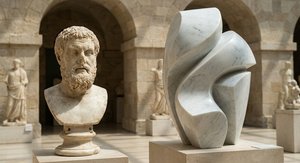
The Enduring Allure of Marble in Art History: From Classical Sculpture to Modern Abstraction
Explore the captivating history of marble sculpture from ancient Greece to modern art. Discover renowned artists like Canova & Michelangelo, carving techniques, and investment insights at ArtsDot.

The Enduring Form: Exploring Themes & Techniques in Sculpture Across Historical Periods
Explore the rich history of sculpture from ancient masterpieces to contemporary innovations. Discover key techniques, influential artists & investment potential for discerning art collectors.

The Enduring Form: Sculpture Across History, Technique & Emotional Resonance
Explore the rich history of sculpture with ArtsDot. Discover key techniques, influential artists & investment potential for discerning collectors. Expert insights into valuing and collecting timeless masterpieces.