

 Ver en contexto
 Enviar
 Compartir
 Detalles

 Descargar
 Similares
 Radiografía
 Presentación de diapositivas
Le triomphe des arts et la victoire du bien et du vrai ou les fruits du bon gouvernement


 Ver más
Giclée / Impresión de arte
Impresiones giclée o en lienzo de calidad de museo con producción rápida y opciones de acabado flexibles. ( Comprar pintura hecha a mano Comprar imagen)




P118B $10

P118H $10

P118W $10

P438Z $10

P508JH $12

P508YH $12

P805H $10

P805Z $10

P919BZ $10

P919G $10

P919XJ $10

P959ZH $10

P968JZ $12

W106C $8

W218G $10

W218JH $8

W218Y $10

W307PJ $10

W316G $10

W316PJ $8

W316Y $10

W398PJ $8

W4111J $10

W500HY $15

W500JH $15

W692G $12

W849H $8

W940BG $15

W953PJ $8




Elija entre nuestros tamaños predefinidos que respetan las proporciones originales de la obra.

Puede introducir sus propias dimensiones para adaptarse a un marco o espacio específico. Si el tamaño seleccionado no coincide con las proporciones de la imagen original, recortaremos la obra de arte o extenderemos la imagen con un borde con efecto espejo o de color sólido. Se enviará una maqueta digital para su aprobación antes de que comience la producción.
Tenga en cuenta que la vista previa en pantalla no refleja el recorte o la extensión real. Solo la maqueta mostrará con precisión la composición final.
Aunque existen tamaños personalizados, recomendamos seleccionar una dimensión de la lista predefinida para preservar las proporciones originales.
Envío a todo el mundo () en 2 semanas en lugar de las 4/5 semanas estándar. (28 agosto)

Envío exprés gratuito a todo el mundo

Lienzo de lino de alta calidad

Seguro de envío total

Garantía de reembolso de impuestos aduaneros

Garantía de fidelidad cromática exacta

Política de devolución de 60 días (solo por defectos)

Garantía de devolución del 100% del dinero

Descuento por cantidad
 La opción de vidrio solo está disponible en tamaños inferiores a 110 cm.

Le triomphe des arts et la victoire du bien et du vrai ou les fruits du bon gouvernement
Giclée / Impresión de arte
Dimensiones de la reproducción
-


Precio total final
$ 62
The Grand Narrative of “Le Triomphe des Arts” – A Masterpiece by Louis Gallait
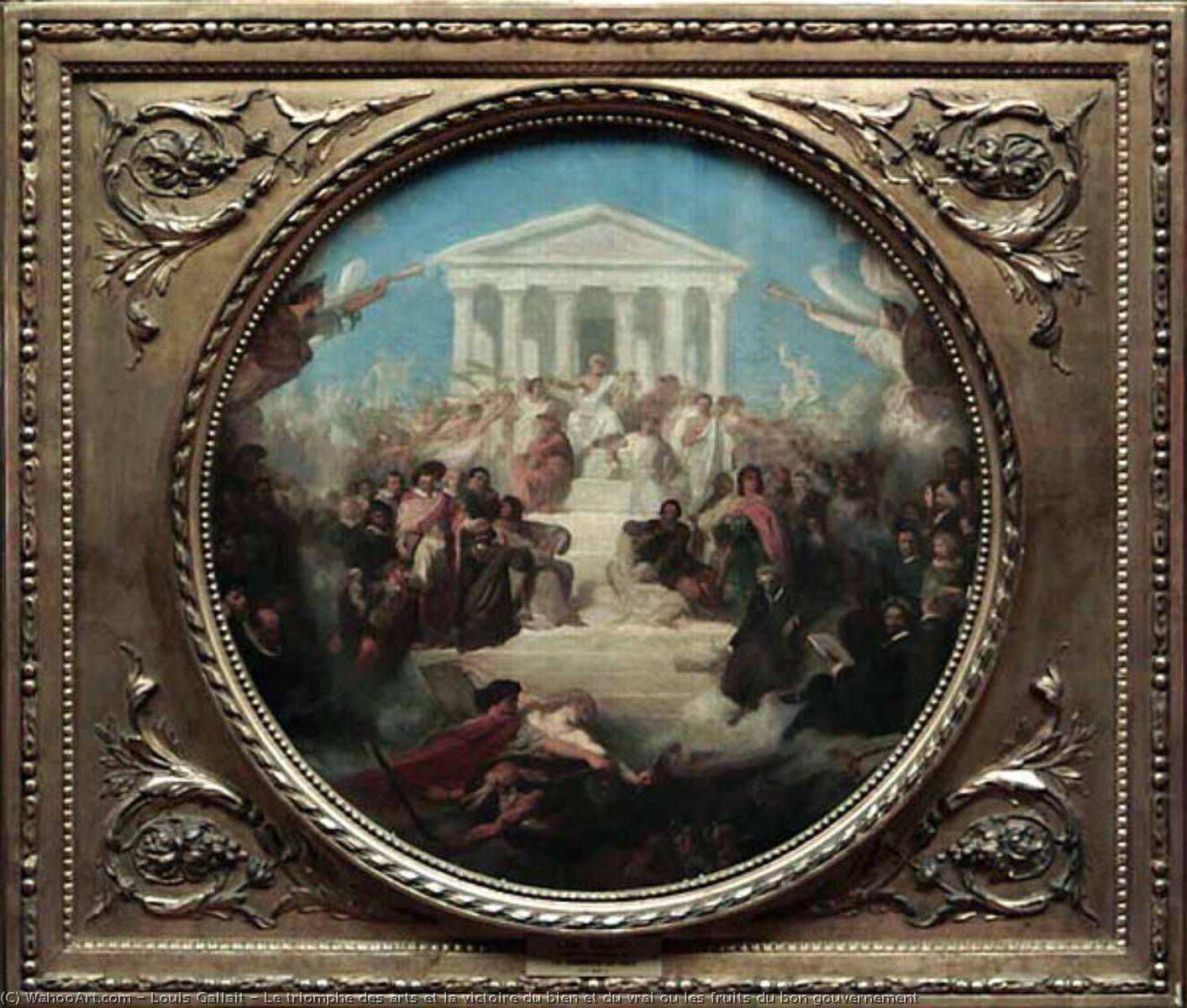
Louis Gallait’s “Le triomphe des arts et la victoire du bien et du vrai ou les fruits du bon gouvernement,” a monumental painting housed within an elaborate, almost theatrical frame, isn't merely a depiction of a historical scene; it’s a carefully constructed allegory of governance, philosophy, and the enduring triumph of reason over chaos. Completed in 1835, this work represents a pivotal moment in Belgian art history – a conscious revival of grand historical painting after a period of relative decline, spearheaded by Gallait himself. The sheer scale of the piece—a testament to its intended placement within a public space—immediately commands attention, drawing the viewer into a meticulously rendered world brimming with symbolism and intellectual weight.
The composition is divided into two distinct yet interconnected realms. Above, we encounter a gathering of figures engaged in animated discussion – scholars, philosophers, and perhaps even magistrates – clustered around a central figure who appears to be delivering an address. The setting suggests a classical temple or public forum, bathed in a warm, diffused light that evokes both the grandeur of antiquity and the intellectual fervor of the Enlightenment. Below this elevated scene unfolds a dramatically different tableau: a bustling urban landscape teeming with activity, but also marked by unrest and conflict. A crowd surges forward, gesturing wildly, suggesting social upheaval and perhaps even rebellion. This juxtaposition immediately establishes a fundamental tension – the promise of order and enlightenment versus the realities of societal discord.
A Symphony of Color and Technique
Gallait’s masterful technique is evident in every brushstroke. The painting is executed in oil on canvas, utilizing a rich, layered approach that creates an astonishing sense of depth and texture. He demonstrates a remarkable command of color, employing a carefully calibrated palette dominated by warm earth tones – ochres, siennas, and umbers – to ground the scene and evoke a feeling of stability and tradition. Contrasting these earthy hues are flashes of vibrant red and gold, particularly in the clothing of some figures, symbolizing power, authority, and perhaps even divine intervention. The artist’s attention to detail is breathtaking; from the intricate folds of the drapery to the individual expressions on the faces of the crowd, every element contributes to a remarkably realistic and engaging portrayal.
The use of chiaroscuro – the dramatic interplay of light and shadow – further enhances the painting's impact. Gallait skillfully employs this technique to highlight key figures and create a sense of drama and movement. The light seems to emanate from an unseen source, illuminating the intellectual discourse above while casting long shadows over the chaotic scene below, reinforcing the central theme of order emerging from disorder.
Decoding the Allegory: Symbolism and Context
“Le triomphe des arts” is far more than a simple historical depiction; it’s a complex allegory rooted in the philosophical currents of the early 19th century. The painting reflects the prevailing belief that art, philosophy, and governance were inextricably linked – that the pursuit of knowledge and beauty could ultimately lead to a just and prosperous society. The figures engaged in debate represent the various branches of human endeavor, while the central figure embodies reason and wisdom. The chaotic crowd below symbolizes the challenges and imperfections inherent in human nature, requiring guidance and leadership to achieve harmony.
The specific reference to “the fruits of the good government” underscores the painting’s political message – a call for enlightened rule based on principles of justice, virtue, and civic responsibility. The setting itself—a classical temple—evokes the ideals of ancient Greece and Rome, suggesting that the best form of governance is one rooted in timeless wisdom and ethical principles. The inclusion of elements like the architectural details and the clothing styles further reinforce this connection to antiquity, creating a powerful visual argument for the enduring relevance of classical thought.
A Legacy of Revival – Gallait’s Enduring Influence
Louis Gallait's “Le triomphe des arts” stands as a cornerstone of Belgian art history. Its revival of historical painting after a period of artistic stagnation not only demonstrated Gallait’s exceptional talent but also helped to establish a new national identity rooted in the values of classical antiquity and Enlightenment thought. The painting’s dramatic composition, masterful technique, and profound symbolism continue to resonate with viewers today, serving as a potent reminder of the enduring power of art to inspire, educate, and shape our understanding of the world. Reproductions of this magnificent work offer a unique opportunity to experience the grandeur and intellectual depth of Gallait's vision.
Obras relacionadas
Biografía del artista
El Arquitecto de la Pintura Histórica Belga
Louis Gallait se erige como una figura monumental en los anales del arte del siglo XIX, un pintor cuyo pincel insufló nueva vida a la gran tradición de la pintura histórica en Bélgica. Nacido en 1810 en la histórica ciudad de Tournai, los primeros años de Gallait estuvieron marcados por una profunda conexión con sus raíces belgas, un cimiento que más tarde le permitiría traducir la identidad nacional en lienzos amplios y dramáticos. Su viaje artístico comenzó bajo la mirada atenta de maestros como Cornelis Cels y Philippe Auguste Henlam en la Académie Royale de Tournai, donde aprendió por primera vez a hermanar la precisión técnica con la profundidad emocional. Esta formación temprana proporcionó el andamiaje esencial para una carrera que, eventualmente, lograría tender un puente entre el romanticismo del pasado y el realismo floreciente de su época.
A medida que su talento maduraba, Gallait buscó las vibrantes corrientes artísticas de Amberes, estudiando bajo la tutela de Mathieu Ignace van Brée para perfeccionar su dominio de la luz y la composición. Su ascenso estuvo marcado por una serie de triunfos que capturaron la imaginación del público belga. La presentación en 1832 de Tributo a César en el Salón de Gante sirvió como un avance definitivo, otorgándole prestigiosos reconocimientos y señalando la llegada de un maestro. Para cuando debutó en el Salón de Bruselas en 1833 con Cristo sanando al ciego, Gallait ya había comenzado a establecer su estilo distintivo: un enfoque conmovedor y profundamente humanista de las narrativas sagradas e históricas que resonaba con la sensibilidad espiritual y cultural de sus contemporáts.
Una Visión de Grandeza y Realismo
El verdadero cenit de la carrera de Gallait llegó cuando dirigió su mirada hacia la escala épica de la historia europea. Al trasladarse a París en 1841, se sumergió en el corazón intelectual del mundo del arte; sin embargo, su corazón permaneció ligado a las grandes narrativas de su patria y del continente en general. Fue durante este periodo cuando produjo su obra maestra más celebrada, La abdicación de Carlos V. Esta obra monumental, encargada por el gobierno belga, sigue siendo un testimonio de su capacidad para entrelazar una meticulosa precisión histórica con la grandeza teatral. A través del uso de vestimentas asombrosamente detalladas y una paleta de colores rica y magistral, Gallait hizo más que simplemente registrar un evento; resucitó un momento de profunda gravedad política y personal, cautivando a las audiencias de toda Europa.
La destreza técnica de Gallait se caracterizó por una mezcla única de drama romántico y un creciente sentido del realismo. Si bien sus temas a menudo tendían hacia lo épico, su ejecución poseía una cualidad táctil y terrenal que evitaba que su obra derivara hacia la mera abstracción. Esto es evidente en obras como El triunfo de las artes, donde explora el triunfo del buen gobierno a través de la alegoría clásica, y en piezas más íntimas y centradas en lo humano como Más allá de los grandes lienzos históricos, el repertorio de Gallait incluía representaciones profundamente conmovedoras de la compasión y la realidad social. En Monje alimentando a los pobres, utilizó una técnica dramática, casi impulsada por el claroscuro, para resaltar la profunda dignidad que se encuentra en los actos de caridad, invitando a los espectadores a un espacio de intensa empatía. Su capacidad para navegar entre lo monumental y lo íntimo le permitió convertirse no solo en un pintor de reyes e imperadores, sino en un cronista de la condición humana. La importancia histórica de Louis Gallait es innegable. Fue el principal catalizador del renacimiento de la pintura histórica en Bélgica, proporcionando un lenguaje visual para una nación que buscaba su lugar en una era moderna. Su influencia puede resumirse a través de varias contribuciones clave: Aunque la era de la gran pintura histórica acabaría dando paso a nuevos movimientos, el legado de Louis Gallait persiste en el poder perdurable de su imaginería. Sigue siendo un pintor de profunda sustancia, cuyas obras continúan invitándonos a lo dramático, lo sagrado y lo profundamente humano.Legado y Significado Artístico
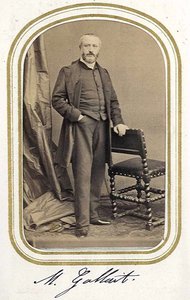
Louis Gallait
1810 - 1887 , Bélgica
Datos clave
- Artistic Movement Or Style: Romanticismo
- Artists Who Influenced This Artist:
- Philippe Auguste Hennequin
- Mathieu Ignace Van Brée
- Date Of Birth: Junio 9, 1810
- Date Of Death: Noviembre 20, 1887
- Full Name: Louis Gallait
- Nationality: Belga
- Notable Artworks:
- Abdicación Detalles: Carlos Quint Married
- Premio d’Antioque.3 Juin 1098
- Retrato Du Peintre Et Graveur Charles Cousin En Costume Arabe
- Place Of Birth: Tournai, Bélgica
Artículos relacionados
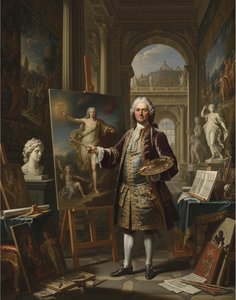
Charles Le Brun: Master of French Baroque Classicism & His Enduring Legacy
Explore the life & art of Charles Le Brun, master of French Baroque Classicism. Discover his royal commissions, influence on Versailles, and enduring legacy through detailed analysis & stunning artworks.
Los 10 Maestros del Neoclasicismo: Obras que Definieron una Era |
Descubre los 10 imprescindibles del Neoclasicismo con . Obras de David, Ingres y Canova que marcaron una era. Historia, técnica y significado de cada pieza. Encuentra reproducciones de arte de museo en
El Legado Perenne del Clasicismo: Principios Fundamentales, Evolución e Influencia en el Arte Occidental
Descubre la historia del arte clásico occidental: desde sus orígenes en Grecia y Roma hasta su influencia en el Renacimiento y las corrientes contemporáneas. Análisis experto, artistas clave y obras maestras imperdibles.
Resonancia Atemporal: Explorando el Vibe Clásico en el Arte – Un Análisis Histórico y Estético
Explora la atemporal belleza del arte clásico y neoclásico con nuestro análisis histórico y estético. Descubre cómo integrar estos estilos en tu hogar con ArtsDot.com.
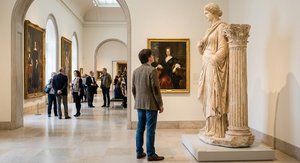
The Enduring Legacy of Classical Style: Form, Narrative & Influence in Art
Explore the enduring legacy of classical art – from ancient Greece & Rome to Neoclassicism. Discover key artists, philosophical roots & build a timeless collection with ArtsDot's expert guidance.

