

 Vista previa
 Compartir
 Compartir
 Ver detalles

 Descargar
 Ver similares
 Radiografía
 Presentación de diapositivas
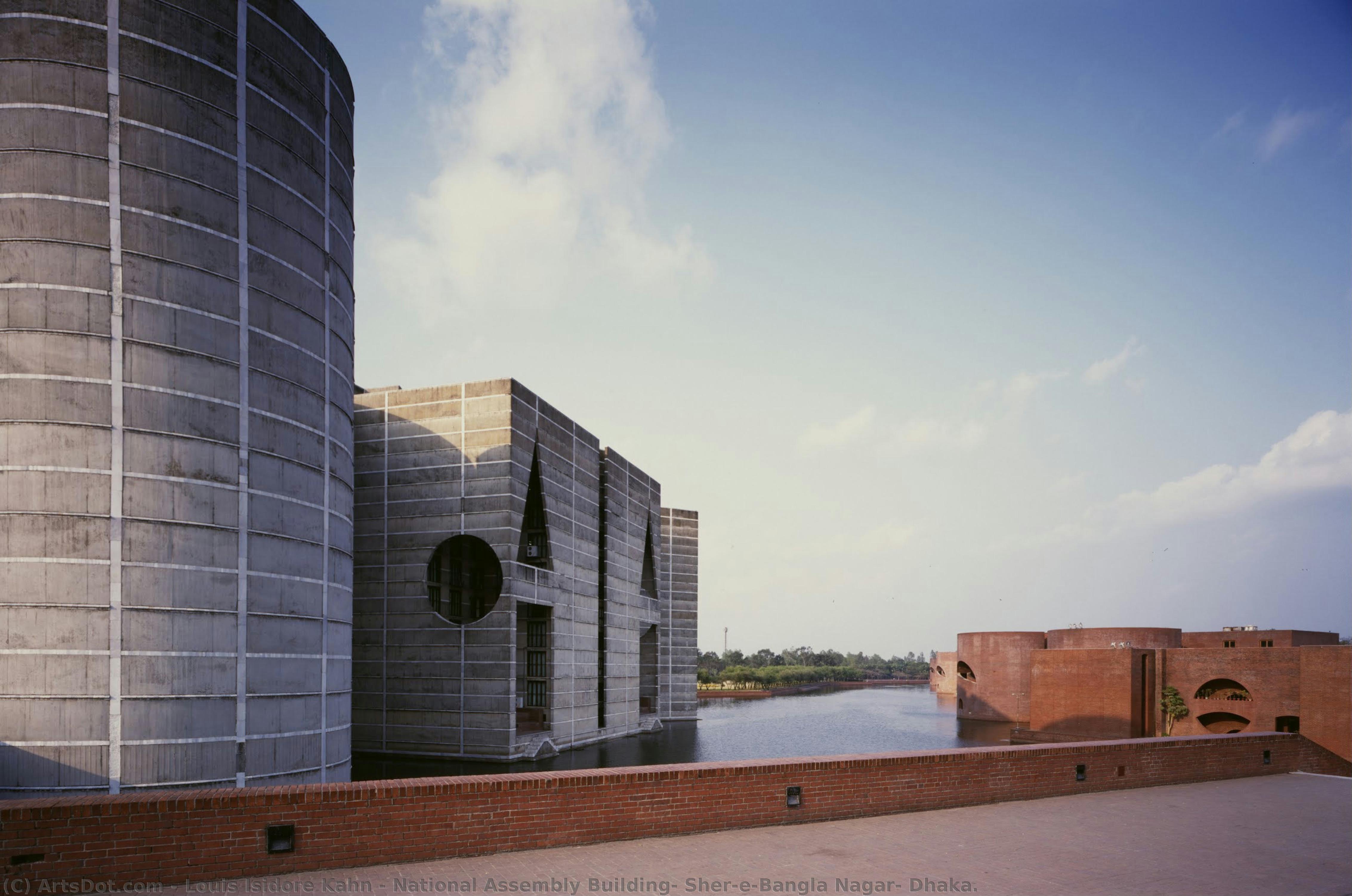
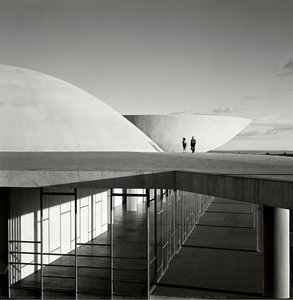
National Assembly Building, Sher-e-Bangla Nagar, Dhaka.


 Leer más
Giclée / Impresión de arte
Impresiones giclée o en lienzo de calidad de museo con producción rápida y opciones de acabado flexibles. ( Encargar reproducción pintada a mano Comprar descarga)




































Elija entre nuestros tamaños predefinidos que respetan las proporciones originales de la obra.

Puede introducir sus propias dimensiones para adaptarse a un marco o espacio específico. Si el tamaño seleccionado no coincide con las proporciones de la imagen original, recortaremos la obra de arte o extenderemos la imagen con un borde con efecto espejo o de color sólido. Se enviará una maqueta digital para su aprobación antes de que comience la producción.
Tenga en cuenta que la vista previa en pantalla no refleja el recorte o la extensión real. Solo la maqueta mostrará con precisión la composición final.
Aunque existen tamaños personalizados, recomendamos seleccionar una dimensión de la lista predefinida para preservar las proporciones originales.
Envío a todo el mundo () en 2 semanas en lugar de las 4/5 semanas estándar. (21 agosto)

Envío exprés gratuito a todo el mundo

Lienzo de lino de alta calidad

Seguro de envío completo

Garantía de reembolso de aranceles aduaneros

Garantía de fidelidad cromática exacta

Política de devolución de 60 días (solo por defectos)

Garantía de devolución del 100% del dinero

Oferta por volumen
 La opción de vidrio solo está disponible en tamaños inferiores a 110 cm.

National Assembly Building, Sher-e-Bangla Nagar, Dhaka.
Giclée / Impresión de arte
Tamaño de la reproducción
-


Precio total
$ 62
Obras relacionadas
Biografía del artista
Louis Isadore Kahn (1901–1974): The Poet of Concrete
Louis Isadore Kahn (Leiser-itze Schmuilowsky), born February 20, 1901, in Kuressaare, Estonia—a town nestled on the Baltic Sea island of Saaremaa—was an Estonian-born American architect whose singular vision profoundly shaped the landscape of modern architecture. His life’s trajectory was marked by a formative encounter with light and fire as a young boy, experiences that would indelibly imprint upon his artistic sensibility and inform his lifelong preoccupation with materiality and form. Despite facing considerable hardship during his early years—his family endured poverty and frequent relocations—Kahn possessed an innate talent for drawing from childhood, sketching charcoal lines with improvised tools like burnt twigs and matches. This passion for visual expression propelled him through his education, securing a scholarship to Philadelphia’s Central High School and ultimately leading him to pursue architecture at the University of Pennsylvania under the tutelage of Paul Philippe Cret—a teacher who instilled in Kahn a reverence for classical proportions and restraint.Early Life & Education: The Seeds of Inspiration
Kahn's formative years were spent amidst the industrial landscape of Northern Liberties, Philadelphia, where he honed his artistic skills alongside fellow Central High School graduate Norman N. Rice. Cret’s influence extended beyond aesthetics; he championed a distinctive approach to architectural design—one rooted in dignity and restraint—that would resonate throughout Kahn’s career. Cret emphasized the importance of understanding the history of architecture, urging students to study the ruins of Greece and Egypt as models for timeless beauty and structural integrity. This early exposure to monumental forms instilled in Kahn a deep appreciation for the power of stone and its ability to convey enduring ideas. He recognized that buildings should transcend mere functionality, becoming vessels of human experience and reflection—a conviction that would guide his artistic endeavors throughout his life.Architectural Practice & Early Works: Embracing Diverse Styles
Following graduation, Kahn embarked on his professional journey, initially working for City Architect John Molitor and later joining the practice of theater designer William H. Lee. These early commissions exposed him to diverse architectural styles—including the International Style championed by Le Corbusier—a style that would serve as a springboard for Kahn’s own groundbreaking explorations. While acknowledging the influence of modernist principles, Kahn steadfastly resisted stylistic trends toward ornamentation and superficial decoration. Instead, he sought to achieve expressive grandeur through careful consideration of structural elements and the manipulation of natural light—techniques that would become hallmarks of his distinctive architectural style. He believed that simplicity was paramount, arguing that “The simplest form is always the most elegant.”Monumental Form & Brutalist Philosophy: A Vision of Elemental Beauty
Kahn’s architectural philosophy emerged from a profound engagement with ancient ruins, particularly those of Greece and Egypt. Inspired by the monumental scale and austere beauty of these sites—where light played upon stone surfaces in ways that evoked timelessness—he developed a distinctive aesthetic characterized by massive concrete structures devoid of ornamentation. This “Brutalist” approach—named after the British architectural critic Reyner Banham—rejected decorative embellishments, prioritizing structural integrity and elemental materiality as expressions of artistic intent. Kahn believed that buildings should embody their purpose, reflecting the spirit of their function in an uncompromising manner. As he famously stated, "I believe it takes a long time to be an architect; it takes a long time to be an architect of one’s aspirations…" He saw concrete not merely as a building material but as a fundamental element of nature—a medium capable of conveying profound emotional resonance when handled with sensitivity and precision.Major Achievements & Legacy: Shaping the Landscape of Modern Architecture
Among Kahn's most significant accomplishments were: The Richards Medical Research Laboratories (University of Pennsylvania); The Folger Shakespeare Library; The United States Courthouse in Fort Worth; The Yale University Art Gallery; The Kimbell Art Museum; The National Assembly Building, Dhaka; and Phillips Exeter Academy Library. These buildings stand as testaments to Kahn’s singular vision—a vision that prioritized structural integrity, elemental materiality, and contemplative space—solidifying his place among the titans of twentieth-century architecture. His designs consistently utilized exposed concrete walls and ceilings to create spaces of profound stillness and contemplation, fostering a connection between human experience and the natural world. Louis Kahn's influence extends far beyond the buildings he created; he fundamentally altered the discourse surrounding building design, advocating for an aesthetic rooted in dignity, restraint, and respect for materials—a legacy that continues to inspire architects today. As Vincent Scully Jr., Yale University Art Gallery’s Director Emeritus noted, “Kahn’s work is not merely beautiful; it is profoundly humane.”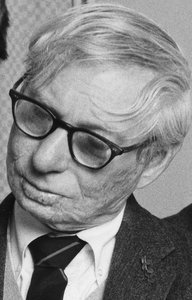
Louis Kahn
1901 - 1974 , Estonia
Datos clave
- Artistic Movement Or Style: Arquitectura Brutalista
- Artists Or Movements Influenced By This Artist: ['Le Corbusier']
- Artists Who Influenced This Artist: ['Paul Philippe Cret']
- Date Of Birth: 20 de febrero de 1901
- Date Of Death: 17 de marzo de 1974
- Full Name: Louis Isadore Kahn
- Nationality: Estonio-americano
- Notable Artworks:
- Instituto Salk
- Museo Kimbell
- Place Of Birth: Kuressaare, Estonia
Artículos relacionados
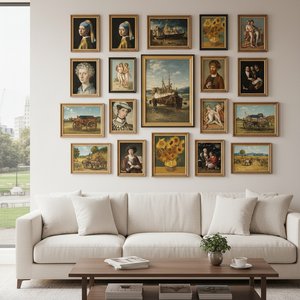
25 Obras Maestras de la National Gallery, Londres: Arte, Historia y Decoración Exclusiva
Descubre 25 obras maestras de la National Gallery, Londres. Explora la historia y el significado de Van Gogh, Monet, Leonardo da Vinci y más. Encuentra reproducciones de arte exclusivas para decorar tu hogar con estilo en ArtsDot.com.
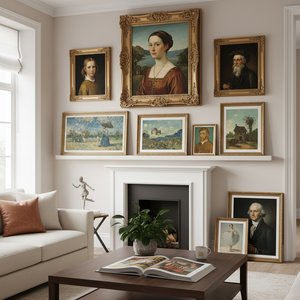
Las 25 Obras Maestras del National Gallery of Art: Arte, Historia y Decoración Exclusiva
Descubre las 25 obras maestras del National Gallery of Art, Washington. Explora la historia de Cézanne, Matisse, Picasso y más. Encuentra reproducciones de arte exclusivas e ideas para decorar tu hogar con lienzos inolvidables en ArtsDot.com.
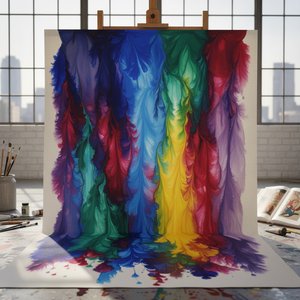
Morris Louis: Pioneering Color Field Painting & Abstract Expressionism's Legacy
Explore the groundbreaking abstract expressionism of Morris Louis, a pioneer of Color Field painting. Discover his innovative techniques, influential series & lasting legacy in post-war American art. Learn more at ArtsDot.
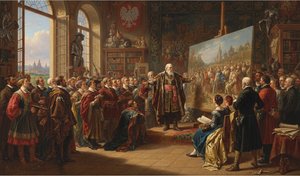
Jan Matejko: Historical Narrative & National Identity in 19th-Century Polish Painting
Explore the powerful historical paintings of Jan Matejko, Poland's national artist. Discover his iconic works & learn how he shaped Polish identity in the 19th century. High-quality reproductions available.
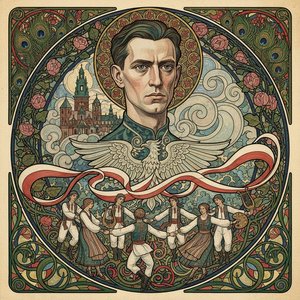
Stanisław Wyspiański: Symbolism, National Identity & the Polish Secession
Explore the life & work of Stanisław Wyspiański, a pivotal figure in Polish Symbolism and the Young Poland movement. Discover his iconic paintings, dramas, and stained glass designs reflecting national identity & artistic innovation.

