 Vista previa
 Compartir
 Compartir
 Ver detalles

 Descargar
 Ver similares
 Radiografía
 Presentación de diapositivas
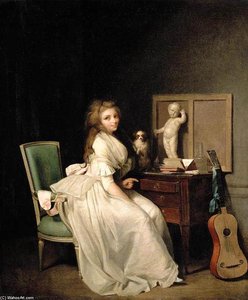
Madame Arnault de Gorse


 Leer más
Reproducción al óleo hecha a mano
Óleo sobre lienzo pintado a mano en el tamaño y marco de su elección, realizado por encargo por nuestros artistas. ( Pedir impresión Comprar descarga)




P118B $10

P118H $10

P118W $10

P438Z $10

P508JH $12

P508YH $12

P805H $10

P805Z $10

P919BZ $10

P919G $10

P919XJ $10

P959ZH $10

P968JZ $12

W106C $8

W218G $10

W218JH $8

W218Y $10

W307PJ $10

W316G $10

W316PJ $8

W316Y $10

W398PJ $8

W4111J $10

W500HY $15

W500JH $15

W692G $12

W849H $8

W940BG $15

W953PJ $8




Elija entre nuestros tamaños predefinidos que respetan las proporciones originales de la obra.

Puede ingresar sus propias dimensiones para adaptarse a un marco o espacio específico. Si el tamaño seleccionado no coincide con las proporciones de la imagen original, recortaremos la obra o extenderemos la pintura con elementos adicionales pintados a mano. Se le enviará una maqueta digital para su aprobación antes de comenzar la producción.
Tenga en cuenta que la vista previa en pantalla no refleja el recorte o la extensión reales. Solo la maqueta mostrará con precisión la composición final.
Si bien existen tamaños personalizados, recomendamos seleccionar una dimensión de la lista predefinida para preservar las proporciones originales.
Tras realizar el pedido, el equipo de ArtsDot.com enviará un correo electrónico al cliente para solicitar instrucciones y proporcionarle una vista previa del boceto.
Envío a todo el mundo () en 3-4 semanas en lugar de las 5 semanas estándar. (19 agosto). Sin comprometer la calidad.

Envío exprés gratuito a todo el mundo

Lienzo de lino de alta calidad

Seguro de envío completo

Garantía de reembolso de aranceles aduaneros

Garantía de fidelidad cromática exacta

Política de devolución de 60 días (solo por defectos)

Garantía de devolución del 100% del dinero

Oferta por volumen
 La opción de vidrio solo está disponible en tamaños inferiores a 110 cm.

Madame Arnault de Gorse
Técnica de reproducción
Tamaño de la reproducción
-


Precio total
$ 263
Descripción de la obra
A Portrait of Parisian Grace: Madame Arnault de Gorse by Louis Léopold Boilly
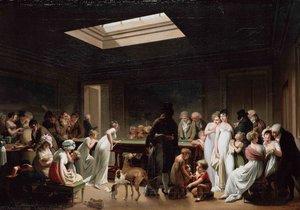
Louis Léopold Boilly’s “Madame Arnault de Gorse” is more than just a portrait; it's a meticulously crafted window into the refined social life of early 19th-century Paris. Painted in 1800, this exquisite work captures not only the likeness of Madame Arnault but also the elegance and poise characteristic of her era – a period defined by burgeoning artistic innovation and a desire to reflect the beauty of the middle class within its art.
Boilly’s style is immediately recognizable: a masterful blend of realism and subtle theatricality. He eschews dramatic poses or overtly emotional expressions, instead favoring a quiet dignity and an air of understated sophistication. The composition itself is classically balanced – Madame Arnault occupies the central space with a measured grace, her gaze direct and engaging, inviting the viewer into a private moment. Her attire, a delicate silk gown adorned with a vibrant red scarf, speaks volumes about her social standing, while the carefully arranged hair and jewelry further emphasize her refined taste.
The Painter’s Technique: Layers of Light and Shadow
What truly elevates “Madame Arnault de Gorse” is Boilly's remarkable technical skill. He employed a technique known as *glazing*, applying thin, translucent layers of oil paint to build up color and tone with incredible subtlety. This method allows for an astonishing level of detail – from the delicate texture of her gown’s fabric to the subtle shading on her face—creating a sense of depth and realism rarely achieved in portraiture of this period. Notice how light gently illuminates one side of her face, casting a soft shadow over the other; this masterful use of chiaroscuro not only adds volume but also imbues the painting with an intimate, almost melancholic quality.
Boilly’s background is deliberately muted – a neutral expanse that serves to highlight the subject and draw attention to her captivating presence. This strategic choice underscores the importance of portraiture as a means of documenting social status and personal identity during a time when visual representation held immense cultural significance. The artist's meticulous observation of light, color, and form demonstrates a deep understanding of his craft, resulting in a work that is both visually stunning and historically rich.
Symbolism and Social Context
Beyond its aesthetic qualities, “Madame Arnault de Gorse” offers valuable insights into the social dynamics of Parisian society. The subject’s name – Arnault – suggests a connection to Antoine Vincent Arnault, an influential writer and intellectual of the time, hinting at the portrait's potential role in showcasing family lineage and social connections. The inclusion of her husband, though not explicitly depicted, is implied through her refined demeanor and elegant attire—a common convention in portraits intended to represent a couple’s status.
Furthermore, Boilly’s work reflects the broader artistic trends of his era – a shift towards depicting everyday life within the French middle class. He skillfully blended portraiture with elements of genre painting, capturing not only Madame Arnault's likeness but also the atmosphere and social customs of her time. The painting stands as a testament to Boilly’s ability to capture both individual beauty and the broader cultural context in which it was created.
A Timeless Masterpiece: Reproduction Possibilities
Today, “Madame Arnault de Gorse” remains a celebrated example of French portraiture. Its enduring appeal lies not only in its technical brilliance but also in its ability to evoke a sense of timeless elegance and social grace. ArtsDot offers high-quality reproductions that faithfully capture the nuances of Boilly’s original, allowing art lovers to bring this exquisite work into their homes or offices. Whether you're seeking an authentic piece of art history or a stunning addition to your interior design scheme, a reproduction of “Madame Arnault de Gorse” is sure to be a cherished treasure.
Obras relacionadas
Biografía del artista
Louis Léopold Boilly: Una Vida Dedicada al Retrato y a la Sociedad Parisina
- Nacido: 5 de julio de 1761, La Bassée, Francia
- Fallecido: 4 de enero de 1845, París, Francia
Primeros Años y Desarrollo Artístico
- La trayectoria artística de Boilly comenzó temprano; produjo obras a la edad de doce años. En gran medida autodidacta, su formación inicial incluyó la pintura de trampantojo bajo la tutela de Dominique Doncre.
- Su talento fue reconocido por los agustinos de Douai en 1774, lo que llevó a una invitación del Obispo de Arras. Este período vio la creación de más de trescientas pequeñas pinturas al óleo.
- Las primeras obras a menudo presentaban temas amorosos y moralizantes, demostrando una habilidad creciente para capturar rasgos y detalles.
Estilo Artístico y Obras Clave
- Estilo: El estilo de Boilly se caracteriza por el meticuloso detalle, los colores cuidadosos y un enfoque en la representación de la vida cotidiana dentro de la clase media francesa. Combinó hábilmente el retrato con escenas de género.
- Evolución: Después de 1794, sus composiciones se volvieron más abarrotadas, reflejando la bulliciosa escena social de París. Sus retratos obtuvieron un amplio reconocimiento, con más de 5000 pintados a lo largo de su carrera.
- Obras Notables:
- El Regalo del Pretendiente – Una obra temprana que muestra temas amorosos y meticuloso detalle.
- Triunfo de Marat – Una pieza patriótica creada para evitar la condena durante el Reinado del Terror.
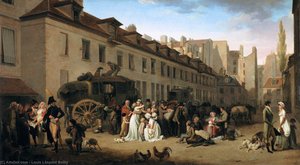
- La Llegada de un Coche de Correo al Patio de las Mensajerías – Una vibrante representación de la vida parisina y el transporte.
- Ilusiones Ópticas: Boilly estaba fascinado por la óptica, como lo demuestran obras como *Un Trampantojo*, que introdujo el término para describir su técnica de crear imágenes realistas que imitan objetos tridimensionales.
Reconocimiento y Legado
- Éxito en el Salón: Boilly recibió una medalla del Salón de París en 1804, lo que solidificó su reputación como artista habilidoso.
- Honores: Fue condecorado como Caballero de la Legión de Honor en 1833, reconociendo sus contribuciones al arte francés.
- Influencia Familiar: Su hijo, Alphonse Boilly, se convirtió en grabador profesional y aprendió el oficio en Nueva York con Asher Brown Durand.
- Significado Histórico: La obra de Boilly proporciona valiosas perspectivas sobre las costumbres sociales, la moda y la vida cotidiana de la clase media francesa durante un período de importantes cambios políticos. Es recordado como uno de los retratistas y pintores de género más celebrados de Francia.
Colecciones en Museos
- Musée des Beaux Arts, Lille: Alberga Triunfo de Marat entre otras obras.
- Museo del Louvre: Presenta selecciones de la extensa obra de Boilly.
- National Gallery of Art (Washington D.C.): Posee varias pinturas incluyendo *Autorretrato*, *Les Amateurs de Tableaux* y *El Público en el Salón del Louvre, Vistiendo la Pintura del "Sagrado"*.
- Getty Museum: Alberga una colección de obras de Boilly.
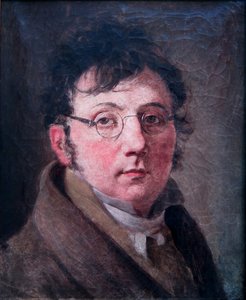
Luis Leopoldo Boilly
1761 - 1845 , Francia
Datos clave
- Artistas Que Influyeron:
- Gabriel Metsu
- Willem van Mieris
- Gerard ter Borch
- Fecha De Fallecimiento: 4 de enero de 1845
- Fecha De Nacimiento: 5 de julio de 1761
- Lugar De Nacimiento: La Bassée, Francia
- Movimiento Artístico: Pintura de género, Retrato
- Nacionalidad: Francés
- Nombre Completo: Louis Léopold Boilly
- Obras Notables:
- El regalo del pretendiente
- Triunfo de Marat
- Llegada de un correo
Artículos relacionados
Romantic Realism's Finest: 10 Masterpieces for Your Home | ArtsDot
Explore 10 defining masterpieces of Romantic Realism! Discover Courbet, Millet & Daumier's powerful paintings—capturing emotion and social realities. Find museum-quality reproductions for your home at ArtsDot.com.
El Atractivo Perenne del Realismo del Siglo XIX: Un Reflejo de la Sociedad y el Alma Humana
Descubre el fascinante mundo del Realismo del siglo XIX. Explora sus orígenes, artistas clave como Courbet y su impacto duradero en la historia del arte. ¡Encuentra reproducciones de alta calidad en !
El Realismo Histórico del Siglo XIX: Una Búsqueda de la Verdad en el Arte
Descubre el Realismo del siglo XIX: su contexto histórico, artistas clave como Courbet y Millet, técnicas innovadoras y legado perdurable. Guía experta para coleccionistas y amantes del arte.
Émile Jean Horace Vernet: Romantic Realism & Depicting 19th-Century Life
Explore the life & art of Émile Jean Horace Vernet, a master of Romantic Realism. Discover his captivating battle scenes, portraits, and Orientalist works – a window into 19th-century France. Learn about his techniques & enduring legacy.
The Poetic Truth of Observation: Exploring 19th-Century Realism in Painting
Explore the captivating world of 19th-century Realism! Discover key artists like Courbet & Millet, masterpieces, and the powerful social commentary behind this influential art movement. Expert insights at ArtsDot.