 Vista previa
 Compartir
 Compartir
 Ver detalles

 Descargar
 Ver similares
 Radiografía
 Presentación de diapositivas
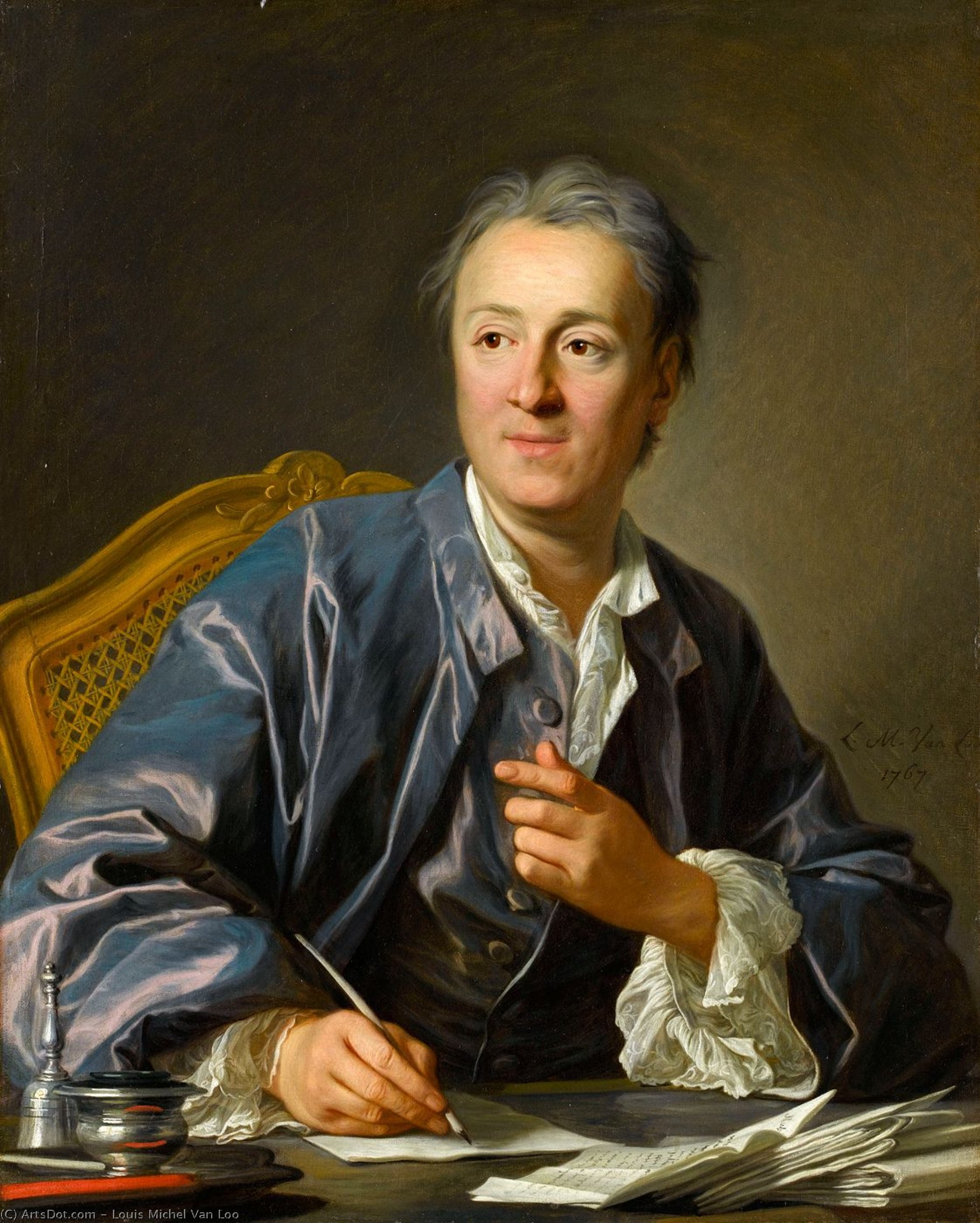
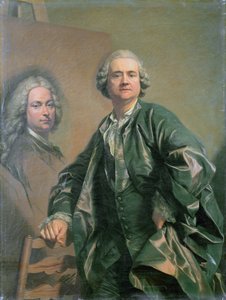
Portrait of Denis Diderot
 Acrylic On Canvas
- WallArt
- Rococo Portraiture
 1767
1767 81.0 x 65.0 cm
 Museo del Louvre
 Leer más
Reproducción al óleo hecha a mano
Óleo sobre lienzo pintado a mano en el tamaño y marco de su elección, realizado por encargo por nuestros artistas. ( Pedir impresión Comprar descarga)




P118B $10

P118H $10

P118W $10

P438Z $10

P508JH $12

P508YH $12

P805H $10

P805Z $10

P919BZ $10

P919G $10

P919XJ $10

P959ZH $10

P968JZ $12

W106C $8

W218G $10

W218JH $8

W218Y $10

W307PJ $10

W316G $10

W316PJ $8

W316Y $10

W398PJ $8

W4111J $10

W500HY $15

W500JH $15

W692G $12

W849H $8

W940BG $15

W953PJ $8




Elija entre nuestros tamaños predefinidos que respetan las proporciones originales de la obra.

Puede ingresar sus propias dimensiones para adaptarse a un marco o espacio específico. Si el tamaño seleccionado no coincide con las proporciones de la imagen original, recortaremos la obra o extenderemos la pintura con elementos adicionales pintados a mano. Se le enviará una maqueta digital para su aprobación antes de comenzar la producción.
Tenga en cuenta que la vista previa en pantalla no refleja el recorte o la extensión reales. Solo la maqueta mostrará con precisión la composición final.
Si bien existen tamaños personalizados, recomendamos seleccionar una dimensión de la lista predefinida para preservar las proporciones originales.
Tras realizar el pedido, el equipo de ArtsDot.com enviará un correo electrónico al cliente para solicitar instrucciones y proporcionarle una vista previa del boceto.
Envío a todo el mundo () en 3-4 semanas en lugar de las 5 semanas estándar. (22 agosto). Sin comprometer la calidad.

Envío exprés gratuito a todo el mundo

Lienzo de lino de alta calidad

Seguro de envío completo

Garantía de reembolso de aranceles aduaneros

Garantía de fidelidad cromática exacta

Política de devolución de 60 días (solo por defectos)

Garantía de devolución del 100% del dinero

Oferta por volumen
 La opción de vidrio solo está disponible en tamaños inferiores a 110 cm.

Portrait of Denis Diderot
Técnica de reproducción
Tamaño de la reproducción
-


Precio total
$ 263
Descripción de la obra
A Portrait of Enlightenment: Denis Diderot in Van Loo’s Refined World
Louis Michel van Loo's "Portrait of Denis Diderot," painted in 1767, is more than just a likeness; it’s a carefully constructed tableau vivant—a snapshot of the intellectual fervor and artistic currents defining late 18th-century France. This captivating work offers a glimpse into the life of one of history's most influential thinkers, Denis Diderot, as he navigated the complex world of philosophical debate and artistic patronage. Van Loo, already established as a royal court painter known for his elegant and meticulously detailed portraits, masterfully captures Diderot’s intellectual intensity within a setting that speaks volumes about his character and the era in which he lived.
The painting immediately draws the eye to Diderot himself. He is depicted seated at a substantial desk, surrounded by an array of books and papers—evidence of his tireless pursuit of knowledge and his role as chief editor of the Encyclopédie. His posture, alert and engaged, suggests a man deeply immersed in thought, while his mustache – a fashionable accessory of the time, meticulously rendered by Van Loo – adds to his air of learned authority. The subtle tilt of his head, combined with the direct gaze towards the viewer, creates an intimate connection, inviting us into his world of ideas.
The Language of Rococo: Style and Technique
Van Loo’s style is quintessential Rococo—characterized by its graceful lines, delicate colors, and emphasis on luxurious detail. The composition is meticulously balanced, with the ornate chair providing a grounding element while Diderot's figure occupies the central space. Notice the use of light; it’s diffused and flattering, illuminating Diderot’s face and highlighting the textures of his clothing and the books surrounding him. Van Loo employs a technique known as “clair-obscur,” skillfully manipulating light and shadow to create depth and volume, lending a dramatic quality to the scene.
The artist's attention to detail is remarkable. The fabrics of Diderot’s jacket are rendered with incredible realism, showcasing the intricate weave and subtle folds. Similarly, the books on his desk—a collection of philosophical treatises and literary works—are depicted with a level of precision that suggests Van Loo’s deep understanding of their subject matter. The inclusion of a cup and quill further reinforces Diderot's role as a writer and intellectual.
Symbolism and Context: A Man of the Age
Beyond the portrait itself, the setting provides crucial context for understanding Diderot’s life and work. The presence of multiple chairs—one occupied by Diderot, another further back—suggests a space dedicated to intellectual exchange and debate. The books themselves are symbolic of the Enlightenment's emphasis on reason, knowledge, and critical inquiry. Wigs were also an important part of 18th-century portraits, and their presence here speaks to the formality and social conventions of the time.
Diderot’s association with the Encyclopédie is central to interpreting this portrait. The project aimed to compile all human knowledge into a single accessible volume, challenging established authorities and promoting intellectual freedom. Van Loo's depiction subtly celebrates Diderot's role as a champion of these ideals, presenting him not merely as a philosopher but as a figure of progressive thought.
A Legacy of Influence: Reproduction Possibilities
This exquisite portrait by Louis Michel van Loo offers a remarkable window into the world of 18th-century intellectual life. ArtsDot is proud to offer meticulously crafted, hand-painted reproductions that faithfully capture the artistry and nuance of this iconic work. Whether you are an art collector, interior designer seeking to infuse your space with historical elegance, or simply an admirer of fine art, a reproduction of “Portrait of Denis Diderot” provides a tangible connection to one of history’s most influential figures. Explore our high-quality reproductions and bring this captivating image into your home today.
Obras relacionadas
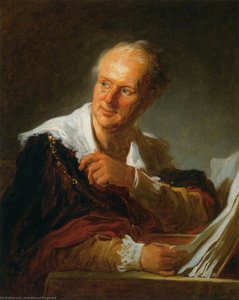
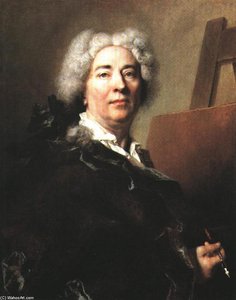
Biografía del artista
Louis-Michel van Loo: Una Vida en Retratos
Primeros Años y Formación
- Nacido: Toulon, Francia, 2 de marzo de 1707.
- Louis-Michel van Loo provenía de una familia de artistas. Su padre, Jean-Baptiste van Loo, fue su maestro inicial, proporcionándole formación fundamental en pintura.
- Continuó sus estudios en Turín y Roma, absorbiendo las influencias artísticas prevalecientes en estos centros culturales.
- En 1725, demostró su talento al ganar un premio en la prestigiosa Académie Royale de Peinture et de Sculpture en París.
Período Italiano y Designación Real
- Entre 1727 y 1732, Van Loo viajó a Roma con su tío, Charles-André van Loo, afinando aún más sus habilidades y visión artística.
- Un momento decisivo llegó en 1736 cuando fue nombrado pintor de la corte del Rey Felipe V de España en Madrid.
- Esta designación marcó un paso significativo en su carrera, colocándolo en el corazón del mecenazgo real europeo.
- En 1752, se convirtió en miembro fundador de la Real Academia de Bellas Artes de San Fernando en Madrid, consolidando su posición en el mundo artístico español.
Regreso a París y Madurez Artística
- Van Loo regresó a París en 1753, donde continuó prosperando como retratista.
- Fue muy solicitado por la aristocracia francesa, pintando numerosos retratos del Rey Luis XV y otras figuras prominentes.
- Su estilo evolucionó durante este período, caracterizado por la elegancia, la refinación y la atención meticulosa al detalle – señas distintivas del estética Rococó.
- En 1765, sucedió a su tío Charles-André como director de la École Royale des Élèves Protégés, una escuela especial dentro de la Academia Francesa dedicada a nutrir a los jóvenes artistas prometedores.
Vida Tardía y Legado
- En 1766, pintó un notable retrato de Sebastián de Melo, Marqués de Pombal, el influyente estadista portugués.
- Los hermanos de Van Loo, François van Loo y Charles-Amédée-Philippe van Loo, también eran pintores destacados, contribuyendo a una herencia familiar en el mundo del arte.
- Murió en París el 20 de marzo de 1771.
- Su obra representa la cúspide de la pintura de retratos Rococó, capturando la opulencia y sofisticación de las cortes europeas del siglo XVIII.
Estilo Artístico e Influencias
- El estilo de Van Loo se caracteriza por sus composiciones elegantes, pinceladas refinadas, y representaciones favorecedoras de sus retratados.
- Dominó la captura de las texturas de los tejidos, joyas y tonos de piel, creando una sensación de realismo dentro de las convenciones estilizadas del arte Rococó.
- Influenciado por artistas como Hyacinthe Rigaud, desarrolló un enfoque distintivo para el retrato que enfatizaba tanto la semejanza como el estatus social.
- Sus retratos a menudo representan a sus sujetos en entornos elaborados, rodeados de símbolos de su riqueza y poder.
Significado Histórico
- Louis-Michel van Loo desempeñó un papel crucial para dar forma a la imagen visual de la realeza europea durante el siglo XVIII.
- Sus retratos sirvieron como herramientas poderosas para proyectar autoridad y prestigio, reforzando la jerarquía social de la época.
- Sigue siendo una figura importante en la historia del retrato, celebrado por su habilidad técnica, sensibilidad artística y capacidad para capturar la esencia de sus retratados.
Louis Michel van Loo
1707 - 1771 , Francia
Datos clave
- Artistic Movement Or Style: Rococo
- Artists Who Influenced This Artist: ['Hyacinthe Rigaud']
- Date Of Birth: March 2, 1707
- Date Of Death: March 20, 1771
- Full Name: Louis Michel van Loo
- Nationality: French
- Notable Artworks:
- Portrait of Denis Diderot
- Princess Ekaterina Golitsyna
- Comte de Maurepas
- Place Of Birth: Toulon, France
Artículos relacionados
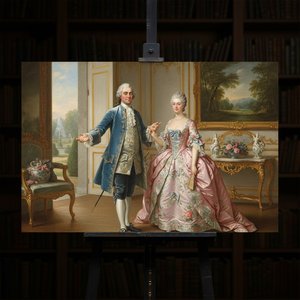
Charles-André van Loo: A Study in Rococo Portraiture & the French Court's Artistic Dynamics
Explore the elegant world of Charles-André van Loo, a master of Rococo portraiture at the French court. Discover his life, techniques, and enduring influence on 18th-century art. Hand-painted reproductions available.

Rembrandt van Rijn: Las 25 Obras Maestras que Definen un Genio | Arte, Historia y Decoración
Descubre las 25 obras maestras de Rembrandt van Rijn, el genio del barroco holandés. Explora su historia, técnica y simbolismo en retratos icónicos como 'La Ronda Nocturna'. Encuentra reproducciones de arte exclusivas para decorar tu hogar con ArtsDot.com.

Rococó: 10 Obras Maestras que Definieron una Época | Arte y Decoración en
Descubre las 10 obras maestras del Rococó que marcaron una época. Explora la elegancia de Fragonard, Boucher y Watteau en . Reproducciones de arte de calidad museo para decorar tu hogar con estilo.

Los 10 Maestros del Primitivo Flamenco: Obras que Definen un Arte Inigualable | ArtsDot
Descubre los 10 imprescindibles del Primitivo Flamenco: Jan van Eyck, Robert Campin y más. Explora la historia, simbolismo y técnica de estas obras maestras renacentistas tempranas. Encuentra reproducciones de arte de museo en ArtsDot.com.

La Estética Rococó: Opulencia, Rebelión y Placer en el Arte del Siglo XVIII
Descubre la fascinante estética rococó: su historia, características clave y los artistas más influyentes del siglo XVIII. Un análisis profundo para amantes del arte y coleccionistas.