 Ver en contexto
 Enviar
 Compartir
 Detalles

 Descargar
 Similares
 Radiografía
 Presentación de diapositivas
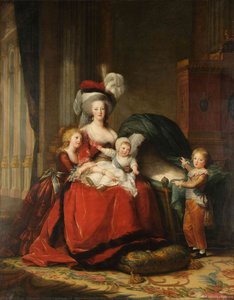
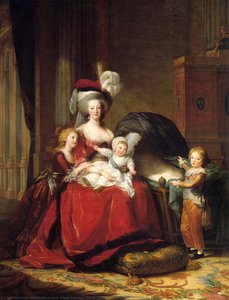
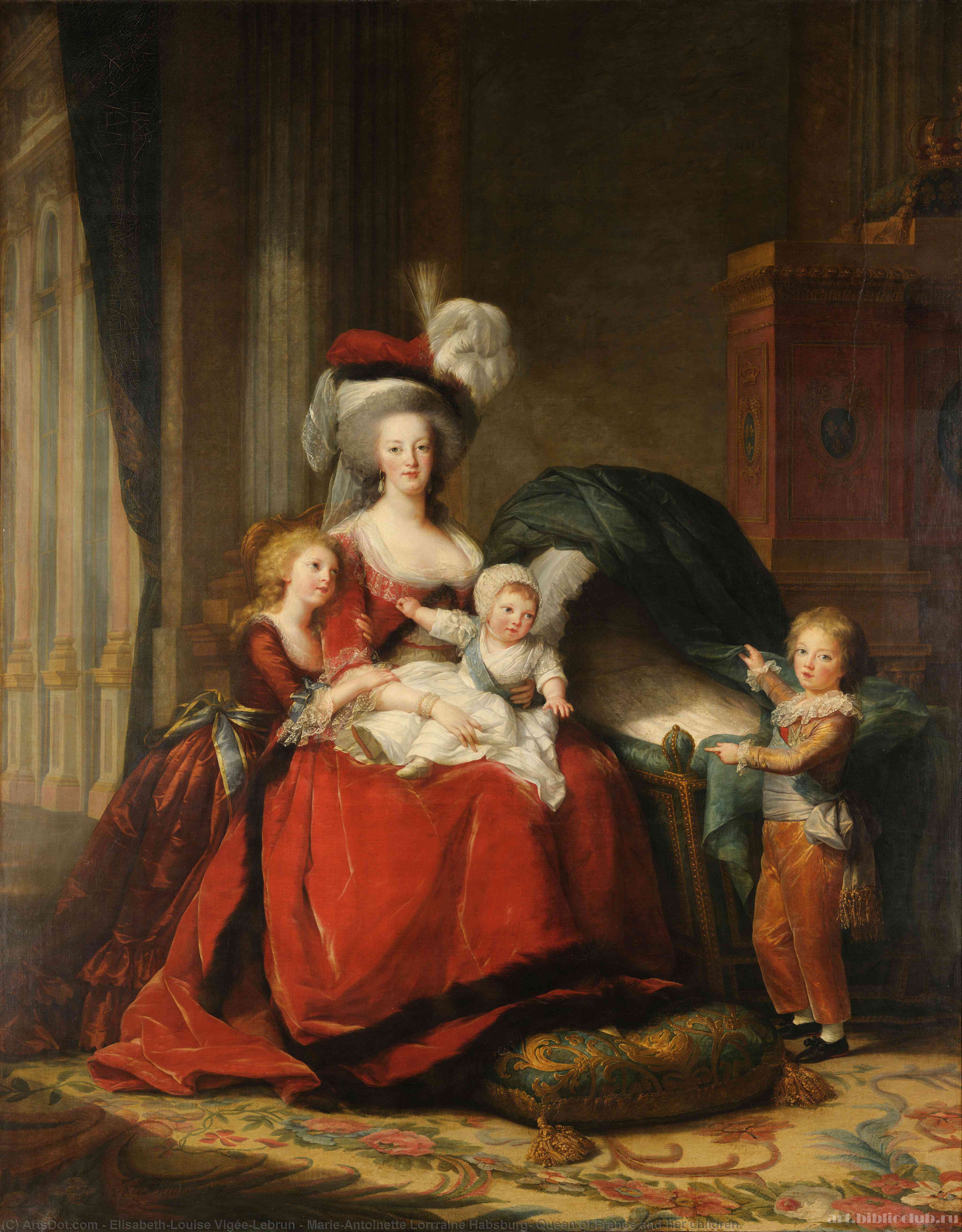
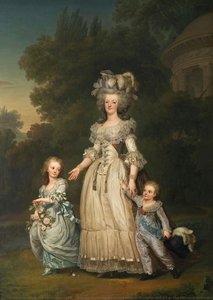
María Antonieta de Lorena Habsburgo, Reina de Francia y sus hijos.


 Ver más
Reproducción al óleo hecha a mano
Óleo sobre lienzo pintado a mano en el tamaño y marco de su elección, realizado por encargo por nuestros artistas. ( Comprar impresión Comprar imagen)




P118B $10

P118H $10

P118W $10

P438Z $10

P508JH $12

P508YH $12

P805H $10

P805Z $10

P919BZ $10

P919G $10

P919XJ $10

P959ZH $10

P968JZ $12

W106C $8

W218G $10

W218JH $8

W218Y $10

W307PJ $10

W316G $10

W316PJ $8

W316Y $10

W398PJ $8

W4111J $10

W500HY $15

W500JH $15

W692G $12

W849H $8

W940BG $15

W953PJ $8




Elija entre nuestros tamaños predefinidos que respetan las proporciones originales de la obra.

Puede ingresar sus propias dimensiones para adaptarse a un marco o espacio específico. Si el tamaño seleccionado no coincide con las proporciones de la imagen original, recortaremos la obra o extenderemos la pintura con elementos adicionales pintados a mano. Se le enviará una maqueta digital para su aprobación antes de comenzar la producción.
Tenga en cuenta que la vista previa en pantalla no refleja el recorte o la extensión reales. Solo la maqueta mostrará con precisión la composición final.
Si bien existen tamaños personalizados, recomendamos seleccionar una dimensión de la lista predefinida para preservar las proporciones originales.
Tras realizar el pedido, el equipo de ArtsDot.com enviará un correo electrónico al cliente para solicitar instrucciones y proporcionarle una vista previa del boceto.
Envío a todo el mundo () en 3-4 semanas en lugar de las 5 semanas estándar. (28 agosto). Sin comprometer la calidad.

Envío exprés gratuito a todo el mundo

Lienzo de lino de alta calidad

Seguro de envío total

Garantía de reembolso de impuestos aduaneros

Garantía de fidelidad cromática exacta

Política de devolución de 60 días (solo por defectos)

Garantía de devolución del 100% del dinero

Descuento por cantidad
 La opción de vidrio solo está disponible en tamaños inferiores a 110 cm.

María Antonieta de Lorena Habsburgo, Reina de Francia y sus hijos.
Técnica de reproducción
Dimensiones de la reproducción
-


Precio total final
$ 263
A Royal Portrait of Tenderness and Grace
In the grand tapestry of 18th-century French portraiture, few images resonate with as much warmth and maternal dignity as Louise Élisabeth Vigée Le Brun’s masterpiece, Marie-Antoinette Lorraine Habsburg, Queen of France and her children. This exquisite oil on canvas serves as more more than a mere historical record; it is an intimate window into the heart of the Bourbon monarchy. The painting captures the Queen not as a distant, untouchable icon of power, but as a nurturing mother, cradling her infants with a profound sense of devotion. Clad in a striking red dress that commands the viewer's attention, Marie Antoinette sits poised yet accessible, surrounded by the soft presence of her royal progeny. The composition is masterfully balanced, utilizing the subtle depth of a classically appointed room—complete with the soft suggestion of a couch in the background—to create an atmosphere of domestic tranquility amidst the complexities of court life.
The artistry of Vigée Le Brun shines through her command of the Neoclassical style. Moving away from the overly ornate and frothy excesses of the Rococo period, this work embraces the clarity, symmetry, and refined simplicity that defined the late 18th century. Every brushstroke is deliberate, contributing to a sense of structural harmony and natural beauty. The artist employs clean lines and a sophisticated play of light to accentuate the textures of silk and skin, lending a lifelike vitality to the subjects. For the discerning collector or interior designer, this painting offers a perfect blend of classical prestige and emotional accessibility, making it an ideal centerpiece for spaces that demand both elegance and a soulful, human connection.
Historical Resonance and Symbolic Depth
Beyond its technical brilliance, the painting carries immense historical weight. Painted in 1787, during a period when the Queen's reputation was under intense scrutiny due to political scandals, this portrait served as a vital piece of visual diplomacy. Vigée Le Brun, one of the most celebrated female painters of her era, utilized her unique position within the Royal Academy to craft an image of stability and familial virtue. By presenting Marie Antoinette in a moment of quiet, maternal affection, the artist sought to humanize the monarchy and soften the public's perception of the crown.
The symbolism embedded within the work is as profound as its aesthetic beauty. The vibrant red of the Queen's gown does not merely signify her royal status; it acts as a visual anchor, representing the vitality and enduring strength of the lineage. The presence of the children, captured with such tender realism, transforms the portrait from a political statement into a timeless celebration of life and continuity. This interplay between the public persona of a sovereign and the private reality of a mother creates a narrative tension that continues to captivate viewers centuries later.
An Inspiration for the Modern Interior
For those looking to curate a space with historical depth, this reproduction offers an unparalleled opportunity. The painting's ability to command attention through its rich color palette while maintaining a sense of serene tranquility makes it versatile for various high-end decor styles. Whether placed in a formal dining room to evoke classical grandeur or in a sophisticated study to provide a focal point of warmth, the work brings with it the prestige of the Palace of Versailles.
Owning a piece that captures such a pivotal moment in art history allows a collector to engage with the legacy of Madame Le Brun. It is an invitation to surround oneself with the elegance of the Ancien Régime, providing a window into a lost world of refinement and grace. As a hand-painted reproduction, it preserves the delicate textures and luminous light that define the original, ensuring that the emotional impact of this royal family portrait remains as potent today as it was in the late 18th century.
Obras relacionadas
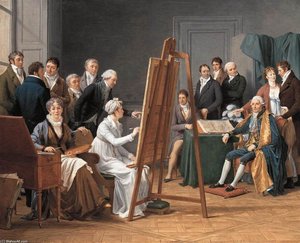
Biografía del artista
Primeros Años y Formación
- Nacimiento: París, Francia (16 de abril de 1755)
- Fallecimiento: 1842
- Louise Élisabeth Vigée nació en una familia con conexiones artísticas. Su padre, Louis Vigée, era un retratista pastelero y miembro del gremio de artistas, la Académie de Saint-Luc.
- Comenzó su formación artística temprano, aprendiendo de su padre. Demostró un talento notable desde temprana edad, pintando en diversas superficies.
- Tras la muerte de su padre cuando tenía doce años, continuó desarrollando sus habilidades, estudiando con artistas como Blaise Bocquet, Pierre Davesne y Gabriel Briard.
Ascenso a la Prominencia y Patronazgo Real
- En 1774, se unió a la Académie de Saint-Luc, un paso significativo para establecerse como artista.
- Su matrimonio con Jean-Baptiste Pierre Le Brun en 1776, un comerciante de arte, resultó beneficioso para su carrera, proporcionando acceso y conexiones dentro del mundo del arte.
- Un momento crucial llegó en 1778 cuando fue comisionada para pintar un retrato oficial de María Antonieta, Reina de Francia. Esto marcó el comienzo de una estrecha relación con la familia real.
- Se convirtió en la retratista oficial de María Antonieta, creando numerosos retratos de la reina y sus hijos. Su habilidad para capturar los rasgos y retratar la elegancia le valió un amplio reconocimiento.
- Su trabajo fue muy solicitado por otros miembros de la aristocracia y la sociedad selecta.
Estilo Artístico y Obras Principales
- El estilo artístico de Vigée Le Brun se considera generalmente parte de la estela del Rococó, aunque a menudo adopta un enfoque neoclásico.
- Sus retratos se caracterizan por su elegancia, naturalismo y atención al detalle. Capturaba hábilmente las personalidades y el estatus social de sus modelos.
- Obras Notables:
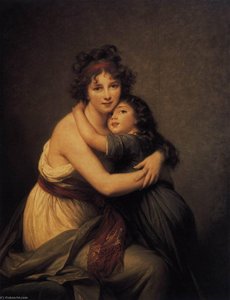
- Autorretrato con su Hija, Julie – Una conmovedora representación de la maternidad.
- Retratos de María Antonieta – Numerosos retratos que muestran el estilo y la personalidad de la reina.
- María Antonieta en gran traje de corte, sosteniendo una rosa - Captura la grandeza de la Reina.
- Marie-Antoinette Lorrraine Habsburg, Reina de Francia y sus hijos. – Un retrato familiar que demuestra su habilidad.
- También creó paisajes y escenas de género, aunque es más conocida por sus retratos.
La Revolución Francesa y Vida Posterior
- La Revolución Francesa impactó significativamente la vida y la carrera de Vigée Le Brun. Debido a la agitación política y las preocupaciones por su seguridad, huyó de Francia en 1789.
- Pasó varios años viajando por Europa, incluyendo Rusia, Italia, Inglaterra y Suiza, continuando pintando retratos de figuras prominentes.
- Durante este período, ganó reconocimiento y patrocinio de varias cortes y aristócratas europeos.
- Regresó a Francia en 1809 y vivió una vida relativamente tranquila, dividiendo su tiempo entre París y su finca rural.
- Publicó sus memorias, proporcionando valiosas perspectivas sobre su vida, carrera y el mundo artístico de su época.
Legado y Significado Histórico
- Vigée Le Brun es reconocida como una de las retratistas más destacadas del siglo XVIII.
- Su obra proporciona un valioso registro visual de la sociedad francesa durante un período de cambios significativos.
- Como artista femenina exitosa en un campo dominado por hombres, allanó el camino para futuras generaciones de artistas mujeres.
- Su capacidad para obtener patrocinio real y lograr un amplio reconocimiento demuestra su talento y determinación.
- Sus memorias ofrecen una perspectiva única sobre el mundo del arte, la vida cortesana y el impacto de la Revolución Francesa.
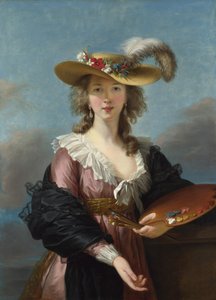
Luisa Isabel Vigée Le Brun
1755 - 1842 , Francia
Datos clave
- Artistas Que Influyeron:
- Blaise Bocquet
- Pierre Davesne
- Gabriel Briard
- Fecha De Fallecimiento: 30 de marzo de 1842
- Fecha De Nacimiento: 16 de abril de 1755
- Lugar De Nacimiento: París, Francia
- Movimiento Artístico: Rococó y Neoclasicismo
- Nacionalidad: Francesa
- Nombre Completo: Luisa Isabel Vigée Le Brun
- Obras Notables:
- Autorretrato con su hija
- Retratos de María Antonieta
- Reina María Antonieta
Artículos relacionados

Crimson Threads of Narrative: Exploring Symbolism & Representation in Artworks Featuring the Red Dress
Explore the rich symbolism of the red dress in art history! From ancient power displays to iconic portraits like Cézanne’s 'Madame Cezanne', discover the cultural and artistic significance behind this captivating color. Expert analysis & insights.
Jacob Henricus Maris: A Master of Dutch Atmospheric Realism & the Intimate Landscape
Explore the captivating world of Jacob Henricus Maris, a leading figure of the Dutch Hague School. Discover his atmospheric landscapes, signature brushstrokes & lasting influence on 19th-century art. Learn more at ArtsDot.
Evolución de los Retratos: El Arte Personalizado como Crónica de la Vida Familiar a Través de las Generaciones
Descubre la evolución del retrato familiar y cómo convertir tus recuerdos en obras de arte atemporales. Pinturas al óleo personalizadas por artistas expertos. ¡Preserva tu legado con ArtsDot!
The Enduring Legacy of Family Portraiture: A Historical & Artistic Exploration
Explore the rich history of family portraiture with ArtsDot. Discover artistic styles, symbolism & collecting insights. Commission a custom oil painting or appraise your existing artwork today!
Ecos de la Ancestralidad: Retratos Familiares a Través de la Historia
Descubra la historia y el simbolismo del retrato familiar a través de los siglos. En , revive tu legado con reproducciones y comisiones personalizadas.