

 Ver en contexto
 Enviar
 Compartir
 Detalles

 Descargar
 Similares
 Radiografía
 Presentación de diapositivas
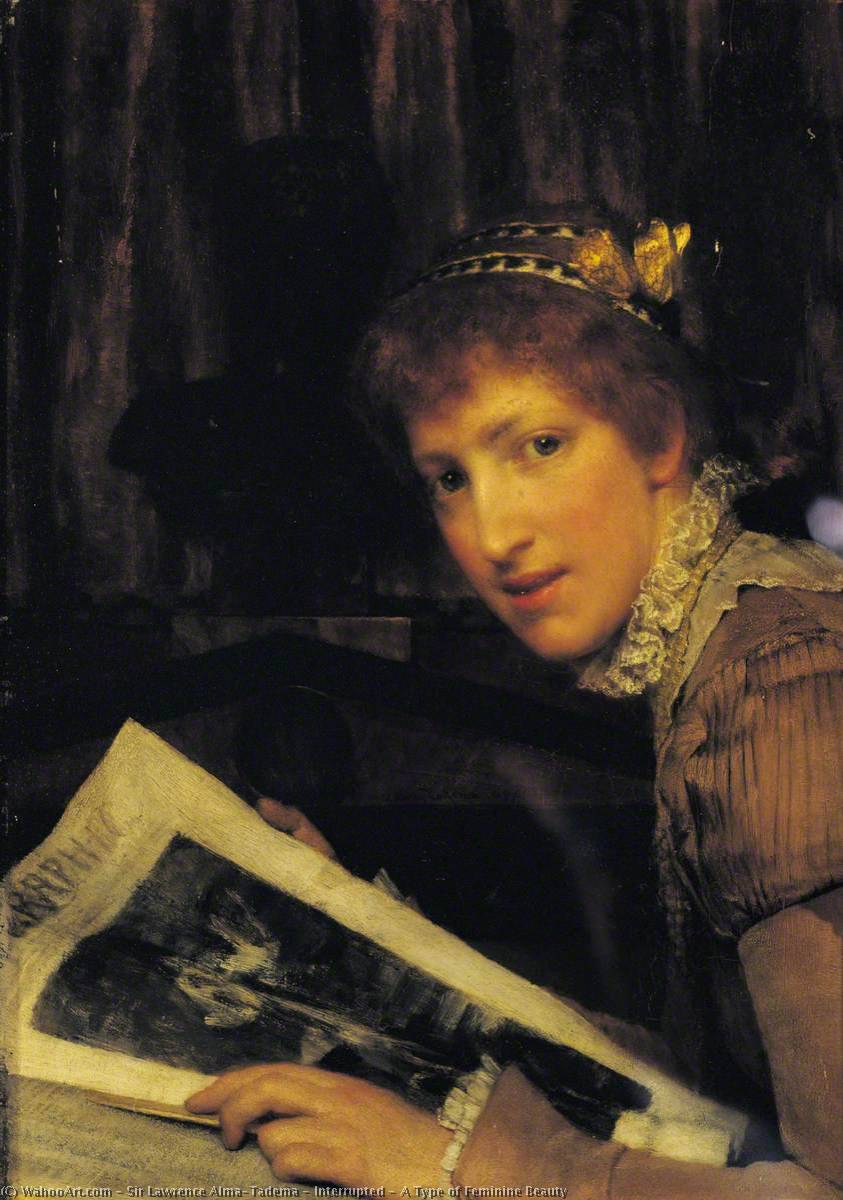
Interrupted – A Type of Feminine Beauty
 Oil On Canvas
- WallArt
- Academic Realism
 1880
1880- 19th Century
 43.0 x 31.0 cm
 Donación de Cecil French
 Ver más
Adquiera una imagen digital de alta resolución y optimizada, muy superior a la vista previa en línea.
Cada archivo es preparado meticulosamente por nuestros especialistas internos mediante el uso de herramientas avanzadas y un experto retoque manual. Nos aseguramos de que cada imagen posea una claridad excepcional, una precisión cromática impecable y un detalle minucioso.
El archivo final se entrega por correo electrónico en un plazo de 72 horas, optimizado para su uso inmediato en entornos profesionales, editoriales y de impresión. Esta es la misma calidad en la que confían los estudios de diseño, las editoriales y las galerías de primer nivel.
Imagen Digital
Descarga un archivo de alta resolución para exhibición personal, impresión y proyectos creativos. ( Comprar impresión Comprar pintura hecha a mano)
Incluido en cada pedido de imágenes digitales
Entrega digital experta, garantizada.
Al elegir ArtsDot.com, no solo está adquiriendo una imagen; está recibiendo una obra de arte digital mejorada profesionalmente, elaborada con precisión y respaldada por una garantía de satisfacción. Esto es todo lo que incluye su pedido, automáticamente:

Entrega rápida por email
Recibirá su archivo de imagen digital en alta resolución por correo electrónico en un plazo de 72 horas tras realizar su pedido, listo para su uso inmediato.

Archivo digital optimizado por IA
Su obra de arte se optimiza profesionalmente mediante herramientas avanzadas de IA y edición manual, garantizando el máximo detalle, claridad y precisión cromática.

Reenvío gratuito de por vida
¿Has borrado o perdido tu archivo por error? No te preocupes: te lo volveremos a enviar en cualquier momento, sin coste adicional.

Sin gastos de importación, siempre
Disfrute de su obra de arte al instante sin aduanas, aranceles ni gastos de envío; las descargas digitales siempre están libres de impuestos.

Garantía de fidelidad de color
Garantizamos que su imagen digital refleje los colores originales con la mayor fidelidad posible, mediante el uso de herramientas profesionales y gestión del color.

Garantía de satisfacción de 100 días
Si no está satisfecho con su imagen digital, la revisaremos o le reembolsaremos el 100% en un plazo de 100 días, sin preguntas.

100% Garantía de devolución de dinero
¿No está satisfecho? Obtenga un reembolso completo dentro de los 100 días posteriores a la recepción de su archivo digital, sin preguntas.

Descuentos por pedidos grandes
Compra 3 imágenes, ahorra 10% - Compra 5, ahorra 15% - Compra 10+, ahorra 20%. Ideal para proyectos creativos, galerías y agencias.
A Moment Frozen in Victorian Grace: "Interrupted – A Type of Feminine Beauty" by Lawrence Alma Tadema
Lawrence Alma Tadema’s “Interrupted – A Type of Feminine Beauty,” painted in 1880, is more than a simple portrait; it's a meticulously crafted tableau that encapsulates the sensibilities of Victorian England. Measuring a modest 43 x 31 cm, this oil-on-canvas work immediately draws the viewer into an intimate scene – a young woman absorbed in the act of reading a newspaper. Tadema’s masterful realism, characteristic of his Pre-Raphaelite leanings, is evident in every delicate brushstroke and subtle nuance of light and shadow. The painting's power lies not just in its technical precision but also in its ability to evoke a specific era and explore themes of leisure, intellect, and the evolving role of women within society.
Technical Brilliance: A Study in Light and Texture
- Oil Painting Technique: Tadema’s command of oil paint is breathtaking. The smooth blending of colors creates a velvety texture, particularly noticeable on the woman's skin and the folds of her luxurious fabric. Layering brushstrokes build depth and dimension, contributing to the painting’s three-dimensional quality.
- Lighting: Diffused, warm light bathes the scene, casting gentle shadows that enhance the subject’s form and create a sense of realism. The artist skillfully manipulates light to draw attention to the woman's face and hands, emphasizing her beauty and composure.
- Composition: The shallow perspective draws the viewer into the intimate space, fostering a feeling of closeness with the subject. The dark, indistinct background serves to isolate and elevate the woman, reinforcing her central role within the composition.
Symbolism Within the Scene: News, Leisure, and Societal Expectations
The inclusion of a newspaper is laden with symbolic meaning. In 1880, newspapers represented access to information and engagement with the wider world – a privilege often afforded primarily to men. The woman’s absorption in reading suggests her intellectual curiosity and perhaps hints at the growing expectations surrounding female education during this period. Her attire—characteristic of Victorian fashion—further reinforces the context, portraying a woman of leisure enjoying a quiet moment of self-improvement or simply indulging in a pastime.
A Masterpiece of Academic Realism: Tadema’s Legacy
"Interrupted – A Type of Feminine Beauty" stands as a testament to Lawrence Alma Tadema's skill and vision. His meticulous attention to detail, combined with his ability to capture the essence of human emotion, has secured his place among the most celebrated artists of the Victorian era. This painting exemplifies the academic realism that defined much of Tadema’s work – a style characterized by its commitment to portraying beauty in all its forms, and offering a poignant glimpse into a bygone world. Its enduring appeal lies not only in its aesthetic qualities but also in its ability to spark contemplation about themes of identity, gender, and the pursuit of knowledge.
Obras relacionadas
Biografía del artista
Sir Lawrence Alma-Tadema (1836–1912): The Architect of Atmospheric Detail
Lawrence Alma Tadema, later Lawrence Alma Tadema, was born in Dronryp, Friesland, Netherlands, on January 8, 1836. His father, Pieter Jiltes Tadema, a village notary, had three sons by his first marriage, and his mother, Hinke Dirks Brouwer, was the half sister of Pieter’s first wife. The Tadema family moved to Leeuwarden in 1838 where Pieter's position as a notary would be more lucrative. His father died when Laurens was four, leaving his mother with five children: Laurens, his sister, and three boys from his father’s first marriage. Hinke Brouwer had artistic leanings, and decided that drawing lessons should be incorporated into the children’s education. He received his first art training with a local drawing master hired to teach his older half-brothers. It was intended that Laurens would become a lawyer; but in 1851 he suffered a physical and mental breakdown. Diagnosed as consumptive; given only a short time to live, he was allowed to spend his remaining days at his leisure, drawing and painting. Left to his own devices he regained his health and decided to pursue a career as an artist. In 1852 he entered The Royal Academy of Antwerp where he studied early Dutch and Flemish masters, alongside absorbing the meticulous detail demanded by historical accuracy. During Laurens’ four years as a registered student at the Academy, he won several respectable awards. Before leaving school, towards the end of 1855, he became assistant to the painter Louis Jan de Taeye, whose courses in history and historical costume he had greatly enjoyed at the Academy. De Taeye introduced him to books that influenced his desire to portray Merovingian subjects early in his career. He was encouraged to depict historic accuracy in his paintings, a trait for which the artist became known. Laurens Tadema took this criticism very seriously, and it led him to improve his technique and to become the world’s foremost painter of marble and variegated granite.- Early Life: Alma-Tadema’s childhood was marked by tragedy when his father died prematurely, leaving his mother with five children. Despite facing significant hardship, Hinke Brouwer fostered Laurens' artistic inclinations through drawing lessons.
- Academic Training: He enrolled at The Royal Academy of Antwerp in 1852, immersing himself in the study of classical masters and honing his skills in historical representation.
- Personal Struggles: A debilitating illness struck Alma-Tadema in 1851, forcing him to abandon legal aspirations and dedicate himself entirely to artistic pursuits—a decision that ultimately revitalized his health.
Exploring Antiquity: Merovingian Mysteries and Egyptian Visions
Alma Tadema’s artistic trajectory began with explorations of Merovingian themes—the Frankish dynasty that ruled after the fall of the Western Roman Empire. These early works, though demonstrating his burgeoning talent for historical detail and narrative composition, didn’t achieve the widespread acclaim he would later find. It is perhaps in this series that Laurens Tadema moved by the deepest feeling and the strongest spirit of romance. He was encouraged to depict historic accuracy in his paintings, a trait for which the artist became known. However Merovingian subjects did not have a wide international appeal, so he switched to themes of life in ancient Egypt, then to the classical world of Greece and Rome. This transition wasn't arbitrary; it reflected a growing public appetite for romanticized visions of antiquity, fueled by archaeological discoveries and a Victorian fascination with moral lessons drawn from the past. He was captivated by the grandeur and elegance of Roman villas and interiors—a fascination that would define his artistic output for decades to come.The Architect of Atmosphere: Detail and Light
What truly set Alma Tadema apart was his unparalleled ability to create atmosphere. He wasn't just painting objects; he was capturing the very *feeling* of sunlight on marble, the coolness of mosaic floors underfoot, the gentle murmur of fountains in a Roman atrium. This mastery stemmed from an obsessive attention to detail and a deep understanding of materials. He meticulously researched ancient architecture, furniture, and clothing, ensuring that every element within his compositions was historically plausible. But beyond accuracy, he possessed a remarkable talent for rendering light and texture. His marble gleamed with a lifelike luminosity, his fabrics flowed with graceful realism, and his water shimmered with captivating clarity. This dedication to verisimilitude wasn’t merely about technical skill; it was about creating an illusion of reality so convincing that viewers felt transported to another time and place. He even went as far as to build miniature models of the settings he intended to paint, ensuring perfect perspective and architectural accuracy.Victorian Fame and Legacy
Alma Tadema enjoyed immense popularity during his lifetime, becoming a household name and receiving numerous accolades, including knighthood in 1899. His paintings—particularly those depicting Roman life—became symbols of Victorian elegance and moral virtue. Despite the stylistic shifts of the early 20th century, Alma Tadema’s meticulous realism endured, securing his place as one of the most influential artists of his era. Scholars and collectors rediscovered the beauty and technical brilliance of his works in the 1960s, recognizing him as a master of Victorian art and a significant figure in the history of classical representation—a testament to his enduring vision and unparalleled skill. His legacy continues to inspire contemporary artists who strive for similar levels of detail and atmospheric realism.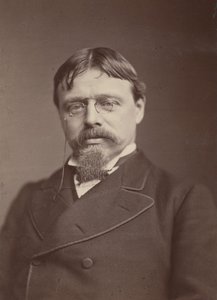
lourens alma tadema
1836 - 1912 , Países Bajos
Breves datos
- Artistic Movement Or Style: Pintura Victoriana
- Artists Or Movements Influenced By This Artist: ['Romanticismo']
- Artists Who Influenced This Artist: ['Louis Jan de Taeye']
- Date Of Birth: 8 enero 1836
- Date Of Death: 25 junio 1912
- Full Name: Lourens Alma Tadema
- Nationality: Holandés
- Notable Artworks:
- Un Beso
- Pregúntame No Más
- Un Rincón de Vista
- Place Of Birth: Dronryp, Países Bajos