 Vista previa
 Compartir
 Compartir
 Ver detalles

 Descargar
 Ver similares
 Radiografía
 Presentación de diapositivas
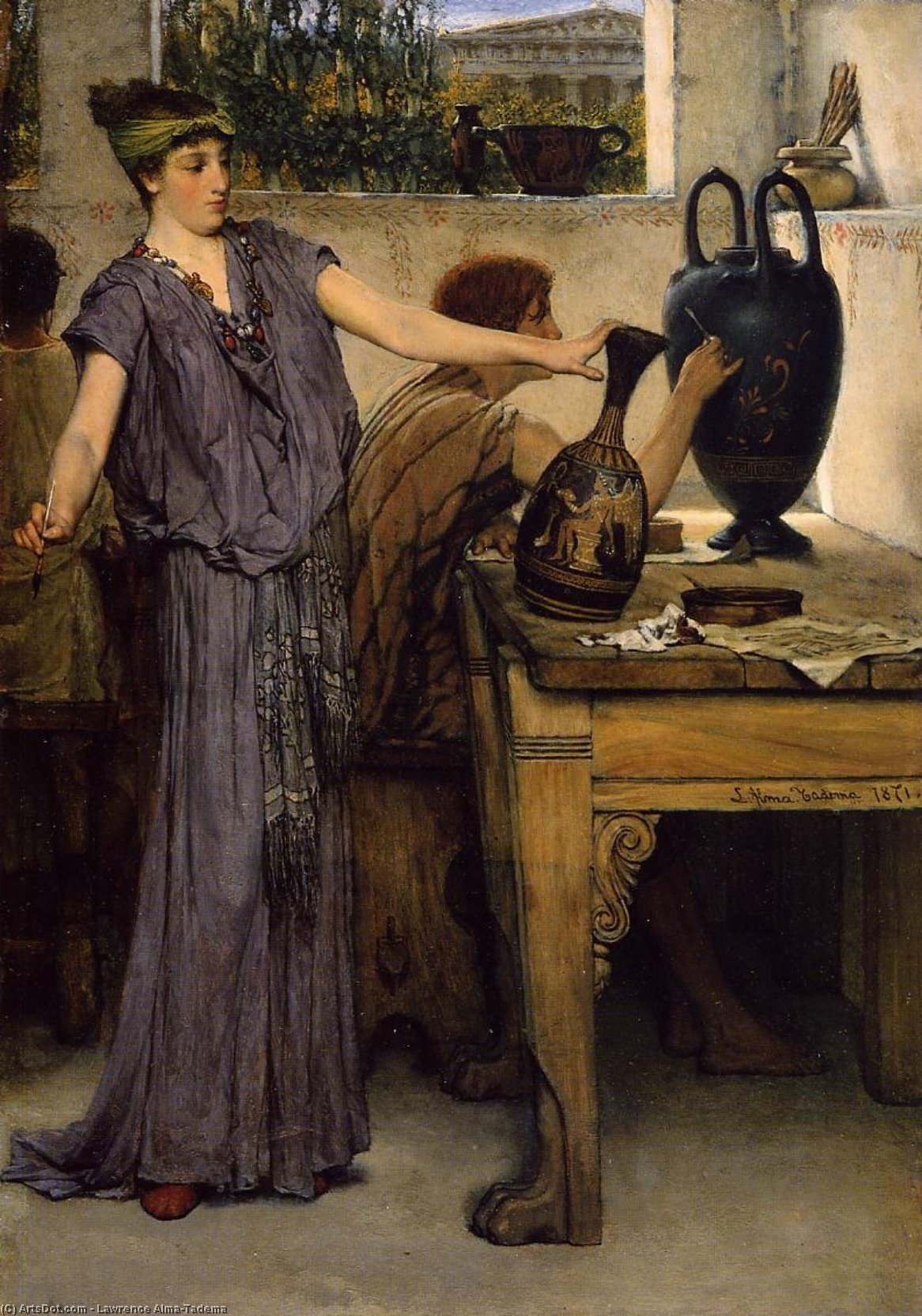
Pintura de Cerámica


 Leer más
Reproducción al óleo hecha a mano
Óleo sobre lienzo pintado a mano en el tamaño y marco de su elección, realizado por encargo por nuestros artistas. ( Pedir impresión Comprar descarga)




































Elija entre nuestros tamaños predefinidos que respetan las proporciones originales de la obra.

Puede ingresar sus propias dimensiones para adaptarse a un marco o espacio específico. Si el tamaño seleccionado no coincide con las proporciones de la imagen original, recortaremos la obra o extenderemos la pintura con elementos adicionales pintados a mano. Se le enviará una maqueta digital para su aprobación antes de comenzar la producción.
Tenga en cuenta que la vista previa en pantalla no refleja el recorte o la extensión reales. Solo la maqueta mostrará con precisión la composición final.
Si bien existen tamaños personalizados, recomendamos seleccionar una dimensión de la lista predefinida para preservar las proporciones originales.
Tras realizar el pedido, el equipo de ArtsDot.com enviará un correo electrónico al cliente para solicitar instrucciones y proporcionarle una vista previa del boceto.
Envío a todo el mundo () en 3-4 semanas en lugar de las 5 semanas estándar. (21 agosto). Sin comprometer la calidad.

Envío exprés gratuito a todo el mundo

Lienzo de lino de alta calidad

Seguro de envío completo

Garantía de reembolso de aranceles aduaneros

Garantía de fidelidad cromática exacta

Política de devolución de 60 días (solo por defectos)

Garantía de devolución del 100% del dinero

Oferta por volumen
 La opción de vidrio solo está disponible en tamaños inferiores a 110 cm.

Pintura de Cerámica
Técnica de reproducción
Tamaño de la reproducción
-


Precio total
$ 313
Descripción de la obra
La Pintura de Cerámica de Lawrence Alma-Tadema: Una Mirada al Arte Griego Antiguo
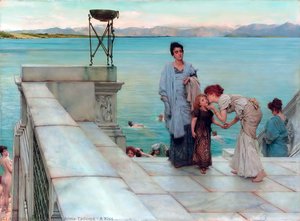
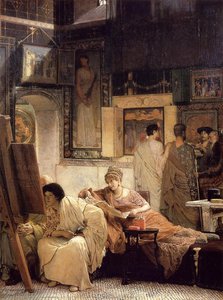
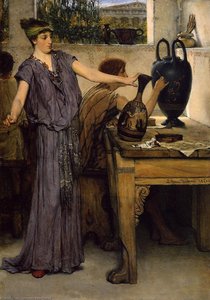
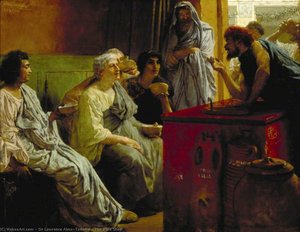
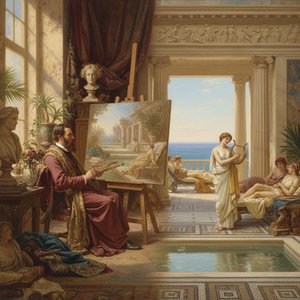
“La Pintura de Cerámica”, creada en 1871 por Sir Lawrence Alma-Tadema, es una obra maestra al óleo sobre panel que reside actualmente en la Galería de Arte de Manchester. Esta pieza transporta a los espectadores a una serena escena de la antigua Grecia, representando a individuos dedicados meticulosamente al arte de la creación y apreciación de cerámica. El atractivo perdurable de esta pintura radica en su capacidad para evocar una sensación de tranquilidad y ofrecer una ventana a las prácticas artísticas de una era pasada.
Composición y Estilo Artístico
La composición está cuidadosamente equilibrada, atrayendo la mirada hacia las figuras centrales y los objetos. Una mujer, elegantemente vestida con un vestido púrpura fluido, se erige como punto focal, gesticulando pensativamente hacia una gran ánfora. Dos figuras masculinas examinan atentamente la cerámica, sugiriendo un intercambio de conocimiento o crítica. El magistral uso del óleo sobre panel por parte de Alma-Tadema confiere profundidad y riqueza a los colores, creando una experiencia visual cautivadora. La meticulosa atención al detalle del artista es evidente en los intrincados diseños que adornan la cerámica y en el realismo con el que se representa la textura de las prendas y el entorno circundante.
Contexto Histórico e Inspiración
Alma-Tadema estaba profundamente fascinado por las civilizaciones clásicas, particularmente la antigua Grecia y Roma. “La Pintura de Cerámica” ejemplifica esta fascinación, ofreciendo una visión del día a día y los afanes artísticos de estas culturas. La pintura refleja el interés generalizado en la época victoriana por la arqueología y el arte clásico, lo que impulsó el deseo de Alma-Tadema de recrear escenas de la antigüedad con notable precisión y detalle. Sus obras a menudo buscaban retratar la belleza y el refinamiento de las sociedades antiguas, contrastándolas con los cambios sociales e industriales percibidos de su propia época.
Simbolismo e Impacto Emocional
La obra está rica en elementos simbólicos. La ánfora en sí misma representa la cerámica griega y la habilidad artística, mientras que el gesto de la mujer sugiere guía o instrucción, destacando la importancia de la tutoría dentro del proceso creativo. El suave y difuso juego de luces crea una sensación de calma y contemplación, invitando a los espectadores a sumergirse en la escena. La paleta de colores apagada, dominada por púrpuras, marrones y cremas, contribuye a la atmósfera general de dignidad y silenciosa belleza. “La Pintura de Cerámica” evoca sentimientos de nostalgia por un mundo perdido, celebrando el poder perdurable del arte y la creatividad humana.
Técnica y Legado
La técnica de Alma-Tadema se caracterizó por su meticulosa atención al detalle y su capacidad para representar texturas con un realismo notable. Empleó técnicas de veladura para lograr sutiles gradaciones de color y crear una sensación de profundidad dentro de la pintura. “La Pintura de Cerámica” es un testimonio de la habilidad del artista y su profunda apreciación por el arte clásico. Su legado continúa inspirando a artistas y entusiastas del arte, consolidando su lugar como uno de los principales exponentes del realismo académico victoriano.
Obras relacionadas
Biografía del artista
Sir Lawrence Alma-Tadema (1836–1912): The Architect of Atmospheric Detail
Lawrence Alma Tadema, later Lawrence Alma Tadema, was born in Dronryp, Friesland, Netherlands, on January 8, 1836. His father, Pieter Jiltes Tadema, a village notary, had three sons by his first marriage, and his mother, Hinke Dirks Brouwer, was the half sister of Pieter’s first wife. The Tadema family moved to Leeuwarden in 1838 where Pieter's position as a notary would be more lucrative. His father died when Laurens was four, leaving his mother with five children: Laurens, his sister, and three boys from his father’s first marriage. Hinke Brouwer had artistic leanings, and decided that drawing lessons should be incorporated into the children’s education. He received his first art training with a local drawing master hired to teach his older half-brothers. It was intended that Laurens would become a lawyer; but in 1851 he suffered a physical and mental breakdown. Diagnosed as consumptive; given only a short time to live, he was allowed to spend his remaining days at his leisure, drawing and painting. Left to his own devices he regained his health and decided to pursue a career as an artist. In 1852 he entered The Royal Academy of Antwerp where he studied early Dutch and Flemish masters, alongside absorbing the meticulous detail demanded by historical accuracy. During Laurens’ four years as a registered student at the Academy, he won several respectable awards. Before leaving school, towards the end of 1855, he became assistant to the painter Louis Jan de Taeye, whose courses in history and historical costume he had greatly enjoyed at the Academy. De Taeye introduced him to books that influenced his desire to portray Merovingian subjects early in his career. He was encouraged to depict historic accuracy in his paintings, a trait for which the artist became known. Laurens Tadema took this criticism very seriously, and it led him to improve his technique and to become the world’s foremost painter of marble and variegated granite.- Early Life: Alma-Tadema’s childhood was marked by tragedy when his father died prematurely, leaving his mother with five children. Despite facing significant hardship, Hinke Brouwer fostered Laurens' artistic inclinations through drawing lessons.
- Academic Training: He enrolled at The Royal Academy of Antwerp in 1852, immersing himself in the study of classical masters and honing his skills in historical representation.
- Personal Struggles: A debilitating illness struck Alma-Tadema in 1851, forcing him to abandon legal aspirations and dedicate himself entirely to artistic pursuits—a decision that ultimately revitalized his health.
Exploring Antiquity: Merovingian Mysteries and Egyptian Visions
Alma Tadema’s artistic trajectory began with explorations of Merovingian themes—the Frankish dynasty that ruled after the fall of the Western Roman Empire. These early works, though demonstrating his burgeoning talent for historical detail and narrative composition, didn’t achieve the widespread acclaim he would later find. It is perhaps in this series that Laurens Tadema moved by the deepest feeling and the strongest spirit of romance. He was encouraged to depict historic accuracy in his paintings, a trait for which the artist became known. However Merovingian subjects did not have a wide international appeal, so he switched to themes of life in ancient Egypt, then to the classical world of Greece and Rome. This transition wasn't arbitrary; it reflected a growing public appetite for romanticized visions of antiquity, fueled by archaeological discoveries and a Victorian fascination with moral lessons drawn from the past. He was captivated by the grandeur and elegance of Roman villas and interiors—a fascination that would define his artistic output for decades to come.The Architect of Atmosphere: Detail and Light
What truly set Alma Tadema apart was his unparalleled ability to create atmosphere. He wasn't just painting objects; he was capturing the very *feeling* of sunlight on marble, the coolness of mosaic floors underfoot, the gentle murmur of fountains in a Roman atrium. This mastery stemmed from an obsessive attention to detail and a deep understanding of materials. He meticulously researched ancient architecture, furniture, and clothing, ensuring that every element within his compositions was historically plausible. But beyond accuracy, he possessed a remarkable talent for rendering light and texture. His marble gleamed with a lifelike luminosity, his fabrics flowed with graceful realism, and his water shimmered with captivating clarity. This dedication to verisimilitude wasn’t merely about technical skill; it was about creating an illusion of reality so convincing that viewers felt transported to another time and place. He even went as far as to build miniature models of the settings he intended to paint, ensuring perfect perspective and architectural accuracy.Victorian Fame and Legacy
Alma Tadema enjoyed immense popularity during his lifetime, becoming a household name and receiving numerous accolades, including knighthood in 1899. His paintings—particularly those depicting Roman life—became symbols of Victorian elegance and moral virtue. Despite the stylistic shifts of the early 20th century, Alma Tadema’s meticulous realism endured, securing his place as one of the most influential artists of his era. Scholars and collectors rediscovered the beauty and technical brilliance of his works in the 1960s, recognizing him as a master of Victorian art and a significant figure in the history of classical representation—a testament to his enduring vision and unparalleled skill. His legacy continues to inspire contemporary artists who strive for similar levels of detail and atmospheric realism.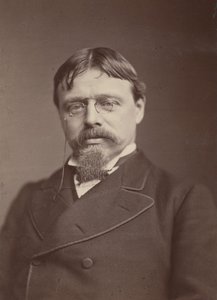
lourens alma tadema
1836 - 1912 , Países Bajos
Datos clave
- Artistic Movement Or Style: Pintura Victoriana
- Artists Or Movements Influenced By This Artist: ['Romanticismo']
- Artists Who Influenced This Artist: ['Louis Jan de Taeye']
- Date Of Birth: 8 enero 1836
- Date Of Death: 25 junio 1912
- Full Name: Lourens Alma Tadema
- Nationality: Holandés
- Notable Artworks:
- Un Beso
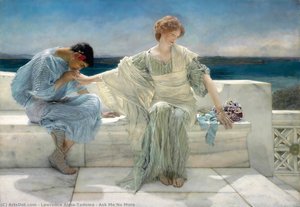
- Pregúntame No Más
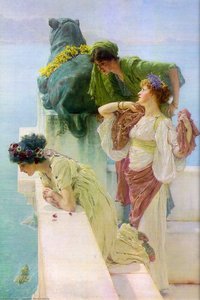
- Un Rincón de Vista
- Place Of Birth: Dronryp, Países Bajos
Artículos relacionados
Sir Lawrence Alma-Tadema: A Study in Victorian Aestheticism & Classical Antiquity
Explore the captivating world of Sir Lawrence Alma-Tadema, a master of Victorian Aestheticism. Discover his stunning depictions of ancient Rome, artistic techniques, and enduring legacy with ArtsDot.

The Enduring Legacy of Oil on Canvas: Technique, History & Aesthetic Impact
Explore the rich history & techniques of oil painting – from Renaissance masters to Impressionism. Discover pigments, layering methods, and why this timeless medium endures. Expert insights for artists & art enthusiasts.

El Óleo sobre Lienzo: Historia, Técnica y la Persistencia de un Medio Artístico Atemporal
Descubre la historia y técnica del óleo sobre lienzo. Explora reproducciones fieles hechas a mano, personalización artística y consejos de expertos con ArtsDot. ¡Colecciona arte con confianza!

The Enduring Power of Painting: A Historical & Contemporary Exploration of Form and Emotion
Explore the rich history & enduring techniques of oil painting with ArtsDot. Discover masterpieces, learn about art collecting, and find authentic handmade reproductions crafted by skilled artists.

El Legado Duradero del Óleo sobre Lienzo: Técnica, Historia y Práctica Contemporánea
Descubre la historia y técnica del óleo sobre lienzo. Explora reproducciones fieles hechas a mano, personalización artística y consejos de expertos con .