 Vista previa
 Compartir
 Compartir
 Ver detalles

 Descargar
 Ver similares
 Radiografía
 Presentación de diapositivas
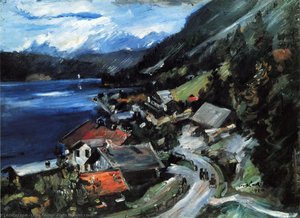
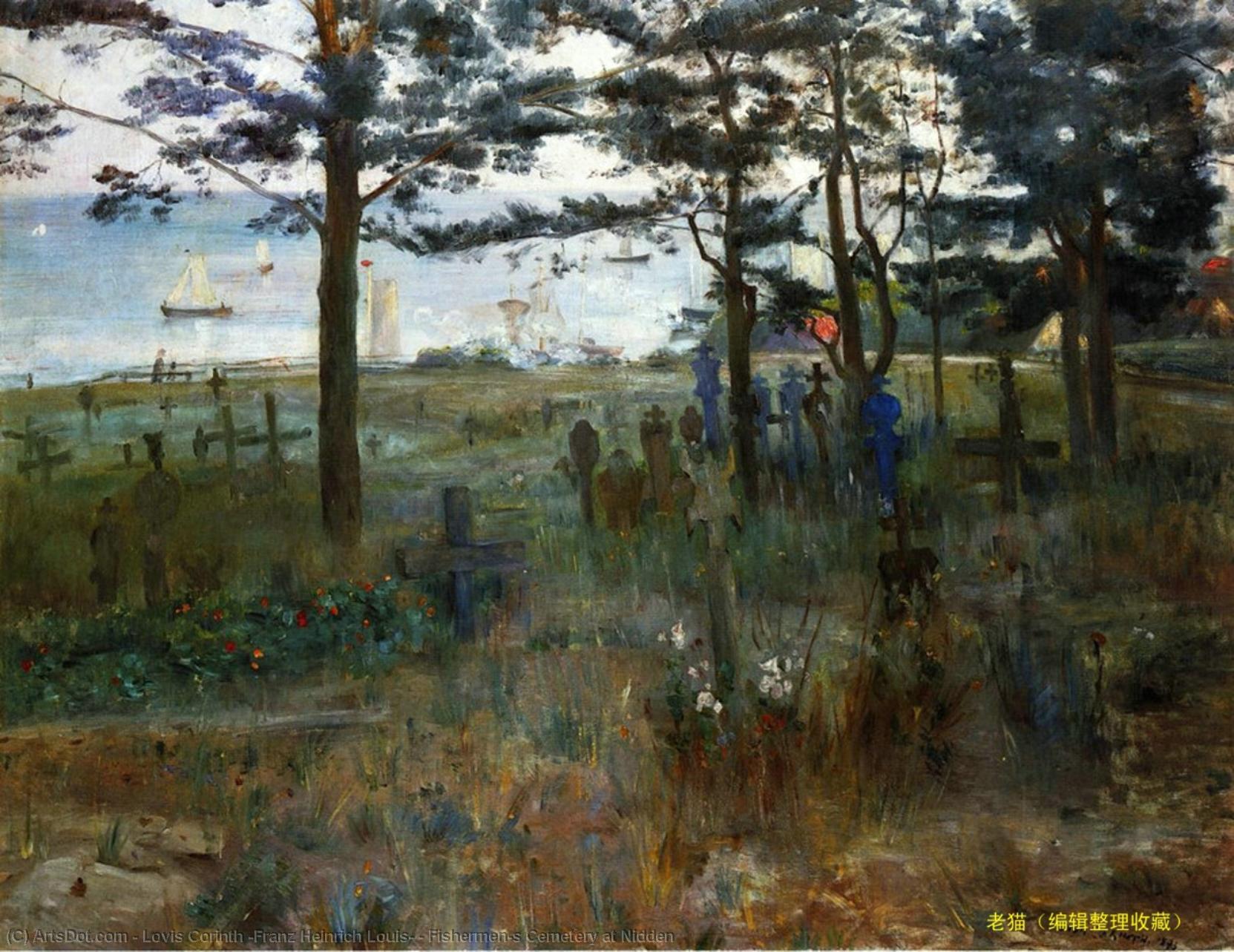
Fishermen's Cemetery at Nidden
 Oil On Canvas
- WallArt
- Impressionism
 1893
1893- 19th Century
 112.0 x 148.0 cm
 Biblioteca Estatal de Baviera
 Leer más
Reproducción al óleo hecha a mano
Óleo sobre lienzo pintado a mano en el tamaño y marco de su elección, realizado por encargo por nuestros artistas. ( Pedir impresión Comprar descarga)




P118B $10

P118H $10

P118W $10

P438Z $10

P508JH $12

P508YH $12

P805H $10

P805Z $10

P919BZ $10

P919G $10

P919XJ $10

P959ZH $10

P968JZ $12

W106C $8

W218G $10

W218JH $8

W218Y $10

W307PJ $10

W316G $10

W316PJ $8

W316Y $10

W398PJ $8

W4111J $10

W500HY $15

W500JH $15

W692G $12

W849H $8

W940BG $15

W953PJ $8




Elija entre nuestros tamaños predefinidos que respetan las proporciones originales de la obra.

Puede ingresar sus propias dimensiones para adaptarse a un marco o espacio específico. Si el tamaño seleccionado no coincide con las proporciones de la imagen original, recortaremos la obra o extenderemos la pintura con elementos adicionales pintados a mano. Se le enviará una maqueta digital para su aprobación antes de comenzar la producción.
Tenga en cuenta que la vista previa en pantalla no refleja el recorte o la extensión reales. Solo la maqueta mostrará con precisión la composición final.
Si bien existen tamaños personalizados, recomendamos seleccionar una dimensión de la lista predefinida para preservar las proporciones originales.
Tras realizar el pedido, el equipo de ArtsDot.com enviará un correo electrónico al cliente para solicitar instrucciones y proporcionarle una vista previa del boceto.
Envío a todo el mundo () en 3-4 semanas en lugar de las 5 semanas estándar. (21 agosto). Sin comprometer la calidad.

Envío exprés gratuito a todo el mundo

Lienzo de lino de alta calidad

Seguro de envío completo

Garantía de reembolso de aranceles aduaneros

Garantía de fidelidad cromática exacta

Política de devolución de 60 días (solo por defectos)

Garantía de devolución del 100% del dinero

Oferta por volumen
 La opción de vidrio solo está disponible en tamaños inferiores a 110 cm.

Fishermen's Cemetery at Nidden
Técnica de reproducción
Tamaño de la reproducción
-


Precio total
$ 338
Descripción de la obra
A Coastal Reverie: Lovis Corinth’s “Fishermen’s Cemetery at Nidden”
Lovis Corinth’s 1893 painting, "Fishermen’s Cemetery at Nidden," isn't merely a depiction of a coastal scene; it’s an immersion into a mood – a poignant blend of melancholy, contemplation, and the enduring connection between humanity and the vastness of nature. Situated along the Baltic coast of Prussia (now part of Poland), Nidden was a small fishing village steeped in maritime tradition, and Corinth masterfully captures its essence through a masterful orchestration of light, color, and atmospheric perspective.
The painting immediately draws the eye with its loose, impressionistic brushwork. Rather than striving for photographic realism, Corinth prioritizes conveying the feeling of the moment – the dampness of the air, the muted hues of the sky and sea, and the subtle textures of the weathered landscape. The composition is carefully divided into distinct zones: a foreground dominated by dense, almost impenetrable vegetation, a middle ground populated by figures observing the distant horizon, and a receding background where the sea melts into a hazy, atmospheric expanse. Corinth’s use of color is particularly noteworthy; he employs a restrained palette of blues, greens, browns, and grays, creating a sense of quietude and distance that invites the viewer to linger in the scene.
The Artist's Context: Corinth and the Dawn of Modernism
To fully appreciate “Fishermen’s Cemetery at Nidden,” it’s crucial to understand Lovis Corinth’s place within the evolving art world of the late 19th century. Born Franz Heinrich Louis in East Prussia, Corinth initially trained as a history painter but quickly rejected academic conventions in favor of a more personal and expressive style. He spent formative years in Paris, absorbing the influence of Impressionism while simultaneously developing his own unique voice. Corinth’s work bridged the gap between traditional realism and the burgeoning movements of Symbolism and Expressionism, foreshadowing the radical shifts that would characterize 20th-century art.
The painting was created during a period of significant personal change for Corinth. He had recently moved to Berlin and was grappling with the challenges of balancing his artistic ambitions with the demands of daily life. The subject matter itself – a weathered cemetery overlooking the sea – speaks to themes of mortality, memory, and the passage of time. The presence of the figures in the middle ground suggests a quiet observance, perhaps a reflection on the lives lived and lost within this coastal community.
Symbolism and Emotional Resonance
Beyond its purely visual qualities, “Fishermen’s Cemetery at Nidden” is rich in symbolic meaning. The cemetery itself represents the inevitable cycle of life and death, while the sea embodies both the promise of adventure and the threat of oblivion. The muted colors contribute to a sense of melancholy and introspection, inviting viewers to contemplate their own place within the larger scheme of existence. Corinth’s masterful use of light and shadow further enhances this emotional impact, creating a palpable atmosphere of quiet contemplation.
Notably, the painting's loose brushstrokes and emphasis on capturing fleeting moments align with the Impressionist movement, yet Corinth imbues the scene with a distinctly personal and emotive quality. The overall effect is one of profound beauty and understated sadness – a testament to Corinth’s ability to transform a simple landscape into a powerful meditation on the human condition.
A Timeless Masterpiece: Reproduction and Beyond
Reproductions of “Fishermen’s Cemetery at Nidden” offer a remarkable opportunity to bring this evocative artwork into your home or office. Hand-painted reproductions capture the nuances of Corinth's original technique, faithfully recreating his atmospheric brushwork and subtle color palette. Whether you choose an 112 x 148 cm canvas or a smaller print on archival paper, you’ll be investing in a piece of art that embodies both historical significance and enduring beauty.
Obras relacionadas
Biografía del artista
Primeros años y educación
Lovis Corinth, nacido Franz Heinrich Louis el 21 de julio de 1858 en Tapiau, Prusia, fue un artista y escritor alemán cuya obra madura como pintor y grabador realizó una síntesis del impresionismo y el expresionismo. La vida temprana de Corinth se caracterizó por su talento para dibujar, lo que le llevó a estudiar pintura en la Academia de Königsberg en 1876.Desarrollo artístico
El desarrollo artístico de Corinth fue influenciado por varias figuras clave y movimientos:- El trabajo temprano de Lovis Corinth era naturalista en su enfoque, alentado por su instructor Otto Günther.
- Estudió bajo Ludwig von Löfftz en la Academia de Bellas Artes de Múnich, que enfatizaba la cuidadosa observación de los colores y los valores.
- Corinth también fue influenciado por Courbet y la Escuela Barbizon, así como por las obras de Rubens durante su tiempo en Amberes.
Obras notables y estilo
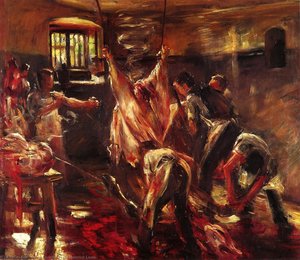
Algunas de las obras notables de Corinth incluyen:- En el Matadero (78 x 89 cm, Staatsgalerie Stuttgart, Alemania), que muestra su uso del óleo sobre lienzo.
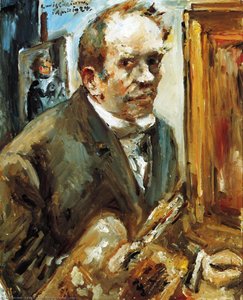
- Autorretrato (47 x 53 cm, Kunsthalle Bremen, Alemania), demostrando su habilidad en el dibujo.
- Semi desnudo femenino con sombrero (283 x 383 cm, Kunstpalast, Düsseldorf, Alemania), destacando su uso del lápiz.
Legado y vida posterior
La vida posterior de Corinth se marcó por su presidencia de la Secesión de Berlín desde 1915 hasta 1925. También publicó numerosos ensayos sobre historia del arte, incluido "Das Erlenen der Malerei" ("Sobre aprender a pintar") en 1908. Corinth falleció el 17 de julio de 1925, después de un derrame cerebral en 1911 que lo había paralizado parcialmente. Enlaces clave: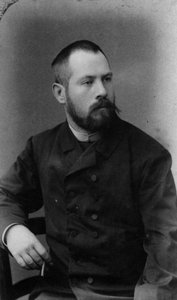
Lovis Corinth
1858 - 1925 , Países Bajos
Datos clave
- Artistas Que Influyeron:
- Courbet
- Rubens
- Löfftz
- Fecha De Fallecimiento: 17 de julio de 1925
- Fecha De Nacimiento: 21 de julio de 1858
- Influenciado A Artistas:
- Kirchner
- Beckmann
- Baselitz
- Lugar De Nacimiento: Tauwade, Países Bajos
- Movimiento Artístico: Impresionismo y Expresionismo
- Nacionalidad: Alemán
- Nombre Completo: Lovis Corinth (Franz Heinrich Louis)
- Obras Notables:
- En el Matadero
- Autorretrato
- Mujer semi-nuda con sombrero
Artículos relacionados
Lovis Corinth: Bridging Impressionism & Expressionism – A Study of Artistic Evolution
Explore the fascinating artistic journey of Lovis Corinth, a pivotal figure bridging Impressionism & Expressionism. Discover his evolution, key works, and lasting impact on modern art with ArtsDot.
Evoking the Horizon: A Historical & Artistic Exploration of Coastal Scenes in Painting
Explore the rich history of coastal scenes in painting! Discover Impressionist masterpieces, American realism & contemporary visions. Learn about renowned artists and find your perfect seascape at ArtsDot.
Los 10 Maestros del Paisaje Impresionista: Obras que Cambiaron la Historia del Arte
Descubre los 10 lienzos impresionistas que revolucionaron el arte. Explora la historia de Monet, Van Gogh y Renoir, sus técnicas y colores vibrantes. Encuentra reproducciones de alta calidad para decorar tu hogar en ArtsDot.com

Impressionistic Realism's Finest: 10 Masterpieces for Your Home | ArtsDot
Journey through Impressionistic Realism with 10 iconic masterpieces by Monet, Renoir & Van Gogh. Explore art history, techniques & find museum-quality reproductions for your home at ArtsDot.com. Discover all masterpieces online!

Los 10 Maestros del Paisaje Impresionista: Obras que Cambiaron la Historia del Arte
Descubre los 10 lienzos impresionistas que revolucionaron el arte. Monet, Renoir y más… Explora la historia, técnica y belleza de cada obra maestra. Encuentra reproducciones de alta calidad para tu hogar en ArtsDot.com.