 Ver en contexto
 Enviar
 Compartir
 Detalles

 Descargar
 Similares
 Radiografía
 Presentación de diapositivas
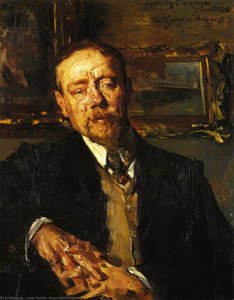
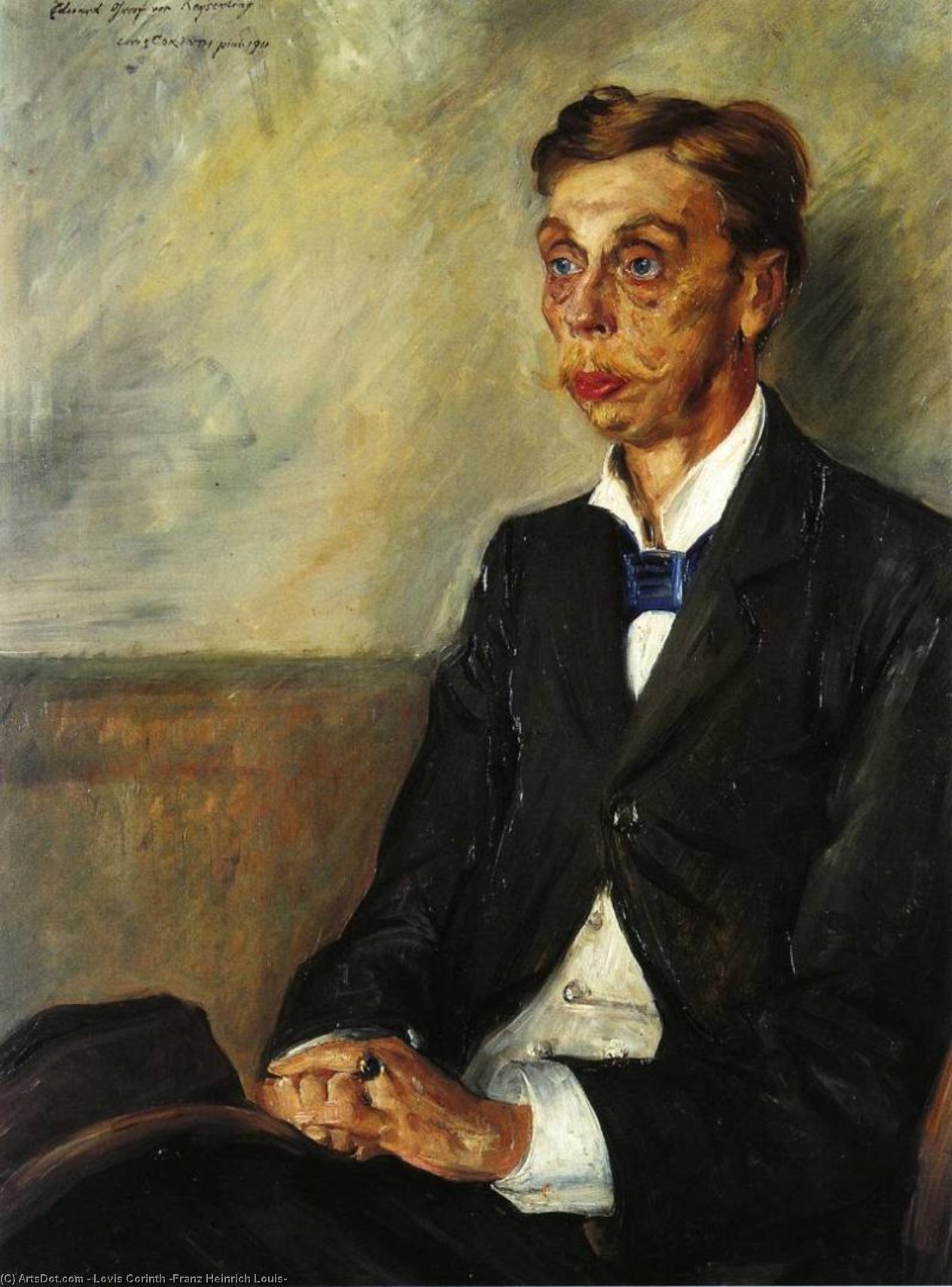
Portrait of Eduard, Count Keyserling


 Ver más
Reproducción al óleo hecha a mano
Óleo sobre lienzo pintado a mano en el tamaño y marco de su elección, realizado por encargo por nuestros artistas. ( Comprar impresión Comprar imagen)




P118B $10

P118H $10

P118W $10

P438Z $10

P508JH $12

P508YH $12

P805H $10

P805Z $10

P919BZ $10

P919G $10

P919XJ $10

P959ZH $10

P968JZ $12

W106C $8

W218G $10

W218JH $8

W218Y $10

W307PJ $10

W316G $10

W316PJ $8

W316Y $10

W398PJ $8

W4111J $10

W500HY $15

W500JH $15

W692G $12

W849H $8

W940BG $15

W953PJ $8




Elija entre nuestros tamaños predefinidos que respetan las proporciones originales de la obra.

Puede ingresar sus propias dimensiones para adaptarse a un marco o espacio específico. Si el tamaño seleccionado no coincide con las proporciones de la imagen original, recortaremos la obra o extenderemos la pintura con elementos adicionales pintados a mano. Se le enviará una maqueta digital para su aprobación antes de comenzar la producción.
Tenga en cuenta que la vista previa en pantalla no refleja el recorte o la extensión reales. Solo la maqueta mostrará con precisión la composición final.
Si bien existen tamaños personalizados, recomendamos seleccionar una dimensión de la lista predefinida para preservar las proporciones originales.
Tras realizar el pedido, el equipo de ArtsDot.com enviará un correo electrónico al cliente para solicitar instrucciones y proporcionarle una vista previa del boceto.
Envío a todo el mundo () en 3-4 semanas en lugar de las 5 semanas estándar. (23 agosto). Sin comprometer la calidad.

Envío exprés gratuito a todo el mundo

Lienzo de lino de alta calidad

Seguro de envío total

Garantía de reembolso de impuestos aduaneros

Garantía de fidelidad cromática exacta

Política de devolución de 60 días (solo por defectos)

Garantía de devolución del 100% del dinero

Descuento por cantidad
 La opción de vidrio solo está disponible en tamaños inferiores a 110 cm.

Portrait of Eduard, Count Keyserling
Técnica de reproducción
Dimensiones de la reproducción
-


Precio total final
$ 263
Descripción de la obra
A Gaze Through the Veil of Time
In the quiet intensity of Lovis Corinth’s Portrait of Eduard, Count Keyserling, one does not simply encounter a likeness; one meets a soul. Painted around 1900, this masterpiece serves as a profound psychological window, capturing much more than the aristocratic features of its subject. The portrait is anchored by a gaze that feels startlingly immediate, a deliberate and piercing look designed to unsettle the viewer and invite deep contemplation. As you stand before this canvas, the boundaries between the historical past and the present moment seem to dissolve, leaving only the raw, unshielded connection between the observer and the observed.
The subject, Count Keyserling, is rendered with a complexity that transcends traditional portraiture. While his formal attire speaks to his social standing, Corinth’s brushwork whispers of a deeper, more turbulent reality. There is an unmistakable sense of psychological depth here, as if the artist has peeled back the layers of nobility to reveal the underlying anxieties and inner reflections of a man navigating a changing world. For the collector or the enthusiast of fine art, this piece offers a rare opportunity to possess a fragment of history that breathes with life.
The Visceral Language of Expressionism
To understand the power of this work, one must look closely at Corinth’s revolutionary technique. Moving away from the polished, smooth surfaces of academic realism, Corinth embraced the burgeoning movement of Early Expressionism. He utilized a thick, tactile application of paint known as impasto, creating a surface that vibrates with physical energy. The brushstrokes are loose, gestural, and unapologetically visible, lending the portrait a sense of motion and urgency.
The color palette is a masterclass in dramatic tension. A somber foundation of deep browns and midnight blacks dominates the composition, providing a heavy, atmospheric backdrop that pushes the subject forward. However, it is the strategic placement of vibrant crimson and warm ochre that breathes life into the face and clothing. These splashes of color are not merely decorative; they act as emotional conduits, highlighting the contours of the Count's features and suggesting a flicker of vitality amidst the surrounding shadows. This interplay of light and dark creates a chiaroscuro effect that lends the portrait a sculptural, almost three-dimensional presence on the wall.
A Legacy of Emotional Resonance
Historically, this painting emerged during a period of profound European upheaval. As the soft, fleeting light of Impressionism began to fade, artists like Corinth, Munch, and Kokoschka sought a new way to express the mounting uncertainties of the modern age. This portrait stands as a vital bridge between those two eras—retaining a sense of naturalistic detail while pioneering the distorted perspectives and heightened emotions that would define 20th-century art.
For the interior designer or the discerning decorator, the Portrait of Eduard, Count Keyserling offers an unparalleled sense of gravitas. It is a piece designed for spaces that demand character and intellectual weight—a library, a study, or a formal gallery. The artwork does not merely occupy space; it commands it. By integrating a high-quality reproduction of this work into a curated environment, one introduces a narrative of resilience, complexity, and timeless beauty, ensuring that the conversation within the room is always centered around the profound power of human emotion.
Obras relacionadas
Biografía del artista
Primeros años y educación
Lovis Corinth, nacido Franz Heinrich Louis el 21 de julio de 1858 en Tapiau, Prusia, fue un artista y escritor alemán cuya obra madura como pintor y grabador realizó una síntesis del impresionismo y el expresionismo. La vida temprana de Corinth se caracterizó por su talento para dibujar, lo que le llevó a estudiar pintura en la Academia de Königsberg en 1876.Desarrollo artístico
El desarrollo artístico de Corinth fue influenciado por varias figuras clave y movimientos:- El trabajo temprano de Lovis Corinth era naturalista en su enfoque, alentado por su instructor Otto Günther.
- Estudió bajo Ludwig von Löfftz en la Academia de Bellas Artes de Múnich, que enfatizaba la cuidadosa observación de los colores y los valores.
- Corinth también fue influenciado por Courbet y la Escuela Barbizon, así como por las obras de Rubens durante su tiempo en Amberes.
Obras notables y estilo
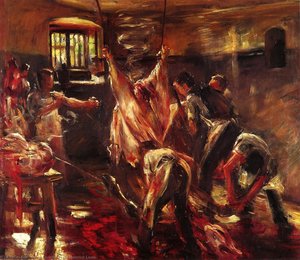
Algunas de las obras notables de Corinth incluyen:- En el Matadero (78 x 89 cm, Staatsgalerie Stuttgart, Alemania), que muestra su uso del óleo sobre lienzo.
- Autorretrato (47 x 53 cm, Kunsthalle Bremen, Alemania), demostrando su habilidad en el dibujo.
- Semi desnudo femenino con sombrero (283 x 383 cm, Kunstpalast, Düsseldorf, Alemania), destacando su uso del lápiz.
Legado y vida posterior
La vida posterior de Corinth se marcó por su presidencia de la Secesión de Berlín desde 1915 hasta 1925. También publicó numerosos ensayos sobre historia del arte, incluido "Das Erlenen der Malerei" ("Sobre aprender a pintar") en 1908. Corinth falleció el 17 de julio de 1925, después de un derrame cerebral en 1911 que lo había paralizado parcialmente. Enlaces clave: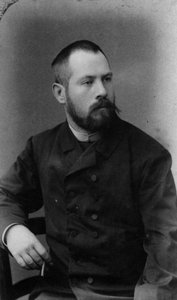
Lovis Corinth
1858 - 1925 , Países Bajos
Datos clave
- Artistas Que Influyeron:
- Courbet
- Rubens
- Löfftz
- Fecha De Fallecimiento: 17 de julio de 1925
- Fecha De Nacimiento: 21 de julio de 1858
- Influenciado A Artistas:
- Kirchner
- Beckmann
- Baselitz
- Lugar De Nacimiento: Tauwade, Países Bajos
- Movimiento Artístico: Impresionismo y Expresionismo
- Nacionalidad: Alemán
- Nombre Completo: Lovis Corinth (Franz Heinrich Louis)
- Obras Notables:
- En el Matadero
- Autorretrato
- Mujer semi-nuda con sombrero
Artículos relacionados
Lovis Corinth: Bridging Impressionism & Expressionism – A Study of Artistic Evolution
Explore the fascinating artistic journey of Lovis Corinth, a pivotal figure bridging Impressionism & Expressionism. Discover his evolution, key works, and lasting impact on modern art with ArtsDot.

The Enduring Legacy of Oil on Canvas: Technique, History & Aesthetic Impact
Explore the rich history & techniques of oil painting – from Renaissance masters to Impressionism. Discover pigments, layering methods, and why this timeless medium endures. Expert insights for artists & art enthusiasts.

El Óleo sobre Lienzo: Historia, Técnica y la Persistencia de un Medio Artístico Atemporal
Descubre la historia y técnica del óleo sobre lienzo. Explora reproducciones fieles hechas a mano, personalización artística y consejos de expertos con ArtsDot. ¡Colecciona arte con confianza!

The Enduring Power of Painting: A Historical & Contemporary Exploration of Form and Emotion
Explore the rich history & enduring techniques of oil painting with ArtsDot. Discover masterpieces, learn about art collecting, and find authentic handmade reproductions crafted by skilled artists.
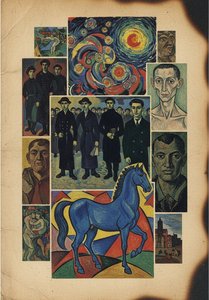
Expresionismo Alemán: 10 Obras Maestras que Transformaron el Arte | ArtsDot
Descubre las 10 obras maestras del Expresionismo Alemán: Kirchner, Munch y más. Explora la historia, técnica y emoción detrás de estos lienzos icónicos. Reproducciones de arte de museo en ArtsDot.com. ¡Inspira tu hogar con arte!