 Ver en contexto
 Enviar
 Compartir
 Detalles

 Descargar
 Similares
 Radiografía
 Presentación de diapositivas
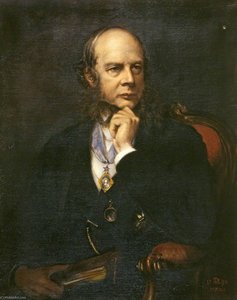
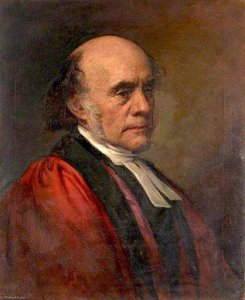
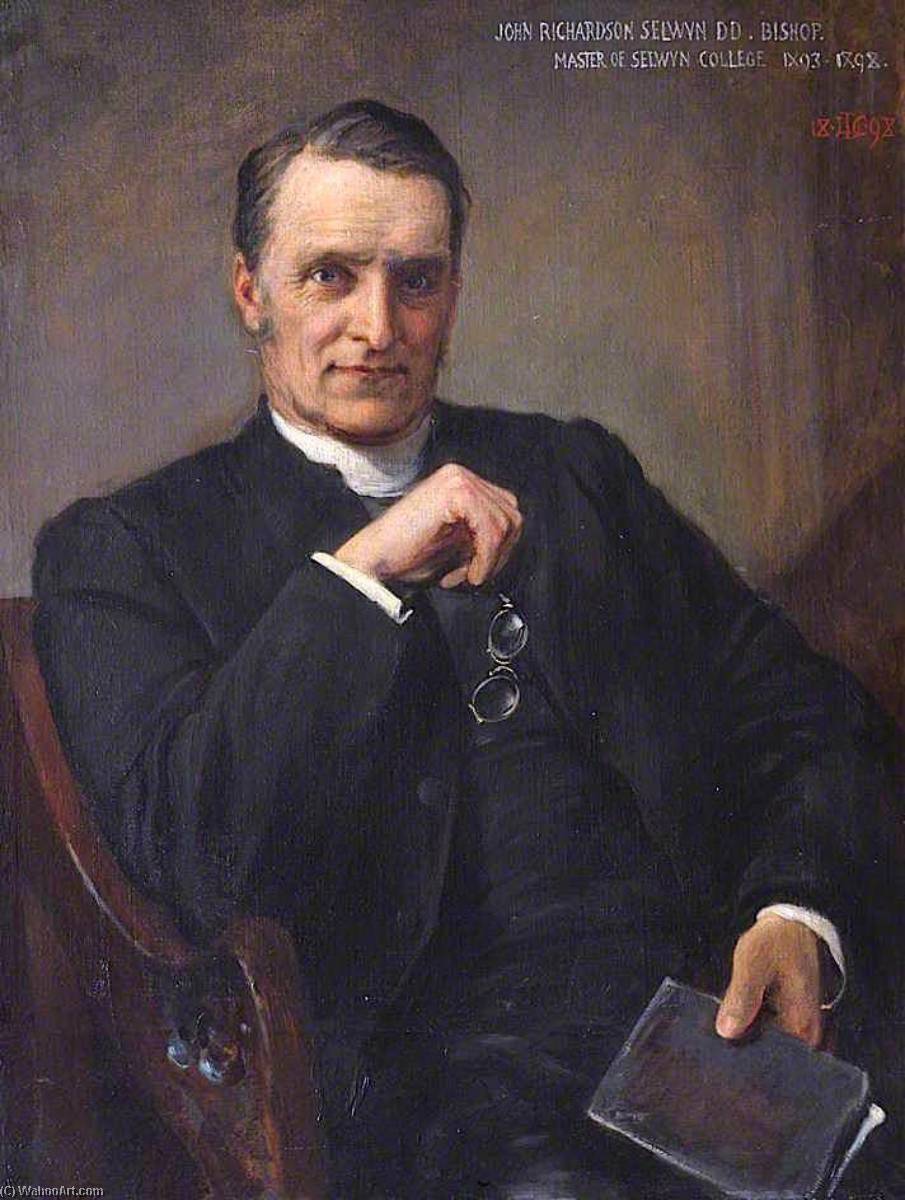
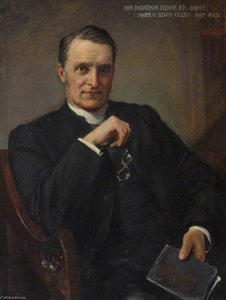
John Richardson Selwyn, DD, Bishop, Master
 Acrylic On Canvas
- WallArt
- Academic Realism
 1898
1898 36.0 x 28.0 cm
 Universidad de Cambridge
 Ver más
Reproducción al óleo hecha a mano
Óleo sobre lienzo pintado a mano en el tamaño y marco de su elección, realizado por encargo por nuestros artistas. ( Comprar impresión Comprar imagen)




P118B $10

P118H $10

P118W $10

P438Z $10

P508JH $12

P508YH $12

P805H $10

P805Z $10

P919BZ $10

P919G $10

P919XJ $10

P959ZH $10

P968JZ $12

W106C $8

W218G $10

W218JH $8

W218Y $10

W307PJ $10

W316G $10

W316PJ $8

W316Y $10

W398PJ $8

W4111J $10

W500HY $15

W500JH $15

W692G $12

W849H $8

W940BG $15

W953PJ $8




Elija entre nuestros tamaños predefinidos que respetan las proporciones originales de la obra.

Puede ingresar sus propias dimensiones para adaptarse a un marco o espacio específico. Si el tamaño seleccionado no coincide con las proporciones de la imagen original, recortaremos la obra o extenderemos la pintura con elementos adicionales pintados a mano. Se le enviará una maqueta digital para su aprobación antes de comenzar la producción.
Tenga en cuenta que la vista previa en pantalla no refleja el recorte o la extensión reales. Solo la maqueta mostrará con precisión la composición final.
Si bien existen tamaños personalizados, recomendamos seleccionar una dimensión de la lista predefinida para preservar las proporciones originales.
Tras realizar el pedido, el equipo de ArtsDot.com enviará un correo electrónico al cliente para solicitar instrucciones y proporcionarle una vista previa del boceto.
Envío a todo el mundo () en 3-4 semanas en lugar de las 5 semanas estándar. (26 agosto). Sin comprometer la calidad.

Envío exprés gratuito a todo el mundo

Lienzo de lino de alta calidad

Seguro de envío total

Garantía de reembolso de impuestos aduaneros

Garantía de fidelidad cromática exacta

Política de devolución de 60 días (solo por defectos)

Garantía de devolución del 100% del dinero

Descuento por cantidad
 La opción de vidrio solo está disponible en tamaños inferiores a 110 cm.

John Richardson Selwyn, DD, Bishop, Master
Técnica de reproducción
Dimensiones de la reproducción
-


Precio total final
$ 263
Descripción de la obra
The Subject: A Man of Faith and Influence
Lowes Cato Dickinson’s 1898 oil painting captures John Richardson Selwyn, a figure deeply rooted in both the ecclesiastical and social landscapes of late Victorian England. Selwyn wasn't merely a Bishop; he was a man of considerable influence – the second Bishop of Melanesia, a pivotal role in establishing an Anglican presence within the diverse islands of the Pacific. His appointment marked a significant step in missionary efforts, reflecting the era’s complex engagement with colonialism and its accompanying responsibilities. Beyond his religious duties, Selwyn held positions of leadership within the Working Men's College, a pioneering institution dedicated to providing educational opportunities for artisans – a testament to his commitment to social reform and accessible learning.
The portrait itself presents Selwyn as an elder statesman, radiating an aura of quiet authority and thoughtful contemplation. His posture, seated with hands crossed in a gesture of deliberate repose, speaks volumes about his character—a blend of solemnity and inner strength. The inclusion of spectacles suggests not only his intellectual pursuits but also a dedication to careful observation and reasoned judgment – qualities highly valued within the context of his role as Bishop.
The Style: Realism Infused with Victorian Detail
Dickinson’s style leans heavily into the tenets of academic realism, prevalent during the late 19th century. He meticulously renders Selwyn's features – the lines etched by age and experience around his eyes, the subtle curve of his mustache, the dignified set of his jaw—with a remarkable degree of accuracy. However, Dickinson doesn’t simply aim for photographic likeness; he imbues the portrait with a distinctly Victorian sensibility. The rich palette, dominated by deep browns, blues, and golds, evokes a sense of gravitas and tradition. The careful attention to detail – the texture of his clothing, the sheen of his spectacles, the subtle play of light on his face—demonstrates Dickinson’s mastery of technique and his ability to capture not just appearance but also character.
Furthermore, the composition itself is carefully orchestrated. The arrangement of objects within the scene – the chair, the book, the two clocks – serves to anchor Selwyn in a specific environment, suggesting an intellectual and scholarly atmosphere. These elements aren’t merely decorative; they contribute to the overall narrative, hinting at his multifaceted life as a religious leader, educator, and thoughtful observer.
Technique & Historical Context
Dickinson's technique is characterized by a smooth, blended brushstroke, creating an illusion of depth and volume. He skillfully employs chiaroscuro – the dramatic contrast between light and shadow – to sculpt Selwyn’s form and emphasize his features. This technique was particularly favored by Victorian portrait painters, allowing them to convey both physical likeness and psychological character. The painting's creation coincided with a period of significant social and political change in Britain—the rise of industrialization, the expansion of the British Empire, and growing concerns about poverty and inequality. These broader societal shifts undoubtedly informed Dickinson’s approach to portraiture, encouraging him to capture not just outward appearances but also the inner lives and complex roles of his subjects.
Notably, Dickinson frequently worked with photographs in his portraits, often using them as a basis for his paintings. This practice reflects the increasing availability of photographic technology during this era and demonstrates Dickinson’s willingness to embrace new artistic tools while retaining his own distinctive style. The inclusion of the clocks adds another layer of historical context, referencing the burgeoning interest in timekeeping and its impact on Victorian society.
Symbolism & Emotional Impact
Beyond the literal depiction of Selwyn, the portrait is rich in symbolic meaning. His seated posture and crossed hands convey a sense of contemplation and inner peace—a reflection of his spiritual life and leadership role. The spectacles symbolize his intellectual pursuits and his commitment to reasoned judgment. The book suggests a lifelong engagement with knowledge and learning. Overall, Dickinson’s painting offers a powerful glimpse into the character of a man who dedicated his life to both faith and service, embodying the values and aspirations of Victorian England.
Reproductions of this compelling portrait capture not only its visual beauty but also the profound sense of dignity and wisdom it conveys. It stands as a testament to Dickinson’s skill as an artist and a poignant reminder of a significant figure in Victorian history.
Obras relacionadas

Biografía del artista
Vida y Orígenes
- Nacimiento: Kilburn, Reino Unido (1819)
- Fallecimiento: 1908
- Lowes Cato Dickinson nació el 27 de noviembre de 1819 en Kilburn, Londres. Pertenecía a una familia numerosa de once hermanos y hermanas.
- Su padre, Joseph Dickinson, era un litógrafo y editor de arte de Bond Street. Lowes recibió su educación temprana en Topsham School y Dr Lord's School en Tooting.
- Tras la muerte de su padre en 1849, se convirtió en socio de sus dos hermanos mayores, Gilbert Bell Dickinson y William Robert Dickinson, en la firma Dickinson Brothers of Bond Street.
Desarrollo Artístico e Influencias
- Dickinson inicialmente se formó con su padre, adquiriendo experiencia en litografía y publicación de arte.
- Viajó a Italia alrededor de 1850 durante tres años, lo que influyó significativamente en su desarrollo artístico.
- Estuvo asociado con la Hermandad Prerrafaelita, correspondiendo y trabajando con figuras clave como Dante Gabriel Rossetti y John Ruskin. Les dio conferencias junto a ellos.
- Dickinson enseñó dibujo en el Working Men's College junto a Ruskin y Rossetti.
- Ford Madox Brown trabajó para Dickinson Brothers, lo que demuestra una conexión con importantes círculos artísticos.
Obras Principales y Estilo
- Retrato: Dickinson fue conocido principalmente como retratista, capturando numerosas figuras victorianas.
- Retratos de Grupo: Creó notables retratos de grupo, incluido el gabinete de 1868 del Sr. Gladstone fotografiado en la Sala del Gabinete del número 10 de Downing Street.
- Retratos Postumos: Desarrolló una habilidad única para crear retratos postumos a partir de fotografías o descripciones.
- Temas: Sus temas incluyeron a la Reina Victoria, miembros del Parlamento, científicos (Arthur Cayley, James Clerk Maxwell) y socialistas cristianos (Charles Kingsley, Thomas Hughes).
- Estilo: Si bien estuvo influenciado por los prerrafaelitas, su estilo se caracterizó por un enfoque en el realismo y la representación detallada. A menudo pintaba solo rostros, con otros artistas completando la ropa.
Socialismo Cristiano y Compromiso Social
- Dickinson estuvo profundamente involucrado en el movimiento socialista cristiano.
- Co-fundó el Working Men's College en Londres en 1854, dedicado a proporcionar educación liberal para personas de clase trabajadora.
- Sus retratos a menudo representaban figuras destacadas dentro del círculo socialista cristiano, reflejando su compromiso con la reforma social.
Legado y Significado Histórico
- Las obras de Dickinson se conservan en la National Portrait Gallery en Londres, lo que muestra su importante contribución al retrato británico.
- El Working Men's College continúa honrándolo a través del Premio Lowes Dickinson, un premio anual de arte para estudiantes.
- Sus hijos establecieron una beca de viajes en su memoria, solidificando aún más su legado.
- Los documentos de Dickinson se encuentran en Princeton, Oxford y Cambridge Universities, proporcionando valiosos recursos para los estudiosos que estudian el arte y la historia social victoriana.
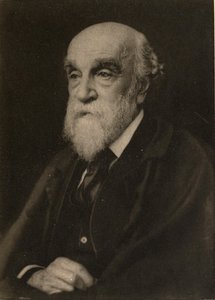
Lowes Cato Dickinson
1819 - 1908 , Reino Unido
Datos clave
- Artistas Que Influyeron:
- John Ruskin
- Dante Gabriel Rossetti
- Fecha De Fallecimiento: 15 de diciembre de 1908
- Fecha De Nacimiento: 27 de noviembre de 1819
- Influenciado Por Artistas: ['Ford Madox Brown']
- Lugar De Nacimiento: Kilburn, Reino Unido
- Movimiento Artístico: Retrato, Socialismo cristiano
- Nacionalidad: Británico
- Nombre Completo: Lowes Cato Dickinson
Artículos relacionados

The Enduring Legacy of Oil on Canvas: Technique, History & Aesthetic Impact
Explore the rich history & techniques of oil painting – from Renaissance masters to Impressionism. Discover pigments, layering methods, and why this timeless medium endures. Expert insights for artists & art enthusiasts.

El Óleo sobre Lienzo: Historia, Técnica y la Persistencia de un Medio Artístico Atemporal
Descubre la historia y técnica del óleo sobre lienzo. Explora reproducciones fieles hechas a mano, personalización artística y consejos de expertos con ArtsDot. ¡Colecciona arte con confianza!

The Enduring Power of Painting: A Historical & Contemporary Exploration of Form and Emotion
Explore the rich history & enduring techniques of oil painting with ArtsDot. Discover masterpieces, learn about art collecting, and find authentic handmade reproductions crafted by skilled artists.

El Legado Duradero del Óleo sobre Lienzo: Técnica, Historia y Práctica Contemporánea
Descubre la historia y técnica del óleo sobre lienzo. Explora reproducciones fieles hechas a mano, personalización artística y consejos de expertos con .
Convierta su NFT en una obra maestra: Venda reproducciones de óleo artesanal y reciba ingresos inmediatos
Descubre cómo convertir tus NFTs en ingresos reales con reproducciones de óleo artesanal de ArtsDot. Expertos en calidad y autenticidad, garantizamos entrega segura y satisfacción total. Transforma tu colección hoy.