 Ver en contexto
 Enviar
 Compartir
 Detalles

 Descargar
 Similares
 Radiografía
 Presentación de diapositivas
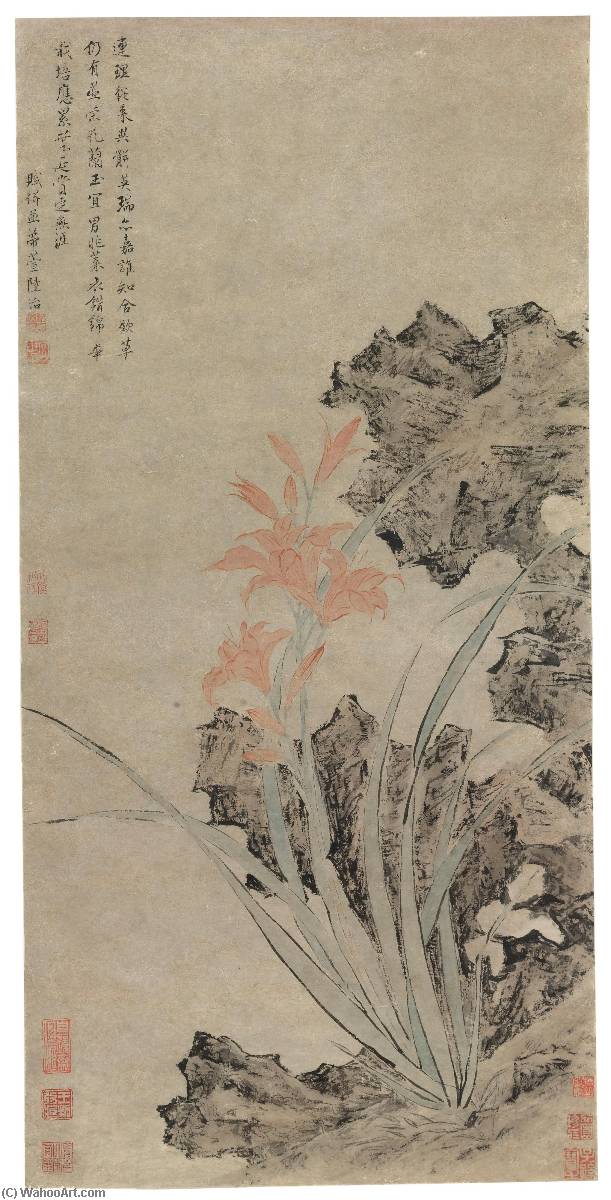
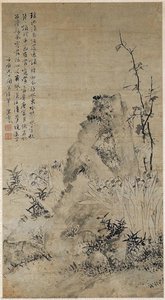
DAY LILY AND GARDEN ROCK
 lu zhi
 81.0 x 40.0 cm
 Ver más
Reproducción al óleo hecha a mano
Óleo sobre lienzo pintado a mano en el tamaño y marco de su elección, realizado por encargo por nuestros artistas. ( Comprar impresión Comprar imagen)




































Elija entre nuestros tamaños predefinidos que respetan las proporciones originales de la obra.

Puede ingresar sus propias dimensiones para adaptarse a un marco o espacio específico. Si el tamaño seleccionado no coincide con las proporciones de la imagen original, recortaremos la obra o extenderemos la pintura con elementos adicionales pintados a mano. Se le enviará una maqueta digital para su aprobación antes de comenzar la producción.
Tenga en cuenta que la vista previa en pantalla no refleja el recorte o la extensión reales. Solo la maqueta mostrará con precisión la composición final.
Si bien existen tamaños personalizados, recomendamos seleccionar una dimensión de la lista predefinida para preservar las proporciones originales.
Tras realizar el pedido, el equipo de ArtsDot.com enviará un correo electrónico al cliente para solicitar instrucciones y proporcionarle una vista previa del boceto.
Envío a todo el mundo () en 3-4 semanas en lugar de las 5 semanas estándar. (30 agosto). Sin comprometer la calidad.

Envío exprés gratuito a todo el mundo

Lienzo de lino de alta calidad

Seguro de envío total

Garantía de reembolso de impuestos aduaneros

Garantía de fidelidad cromática exacta

Política de devolución de 60 días (solo por defectos)

Garantía de devolución del 100% del dinero

Descuento por cantidad
 La opción de vidrio solo está disponible en tamaños inferiores a 110 cm.

DAY LILY AND GARDEN ROCK
Técnica de reproducción
Dimensiones de la reproducción
-


Precio total final
$ 263
Una Celebración Vibrante de la Naturaleza: "Day Lily y Formación Rocosa"
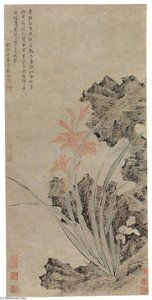
Esta cautivadora obra presenta una escena serena pero dinámica con vibrantes lirios del día floreciendo en medio de una pintoresca formación rocosa. La composición está dominada por el llamativo contraste entre los audaces tonos rojos y blancos de las flores, que inmediatamente atraen la atención, mientras que las texturizadas rocas en el fondo proporcionan profundidad y estabilidad a la pieza. Dos figuras están sutilmente integradas en el paisaje, sugiriendo una interacción humana o una observación de esta belleza natural: añadiendo un toque de intriga narrativa sin distraerse del tema principal. La impresión general es de un equilibrio armonioso entre la vida vibrante y la estabilidad perdurable.Estilo y Técnica: Ecos de la Tradición Dinastía Ming
Aunque la fecha exacta de creación sigue siendo desconocida, "Day Lily y Formación Rocosa" demuestra claramente una ascendencia artística arraigada en la Dinastía Ming (1368–1644). El artista, Lu Zhi, se inspira en el estilo de Wen Zhengming, una figura destacada de esa época. Esta influencia es evidente en el meticuloso detalle prestado tanto a los elementos florales como geológicos, característico de la apreciación del naturalismo dentro de la pintura tradicional china de ese período. La técnica probablemente implica cuidadosas capas de lavados de tinta y pigmentos vibrantes aplicados con delicados trazos de pincel: una seña de identidad de las pinturas de aves y flores de la Dinastía Ming. La habilidad del artista radica en capturar no solo la apariencia visual, sino también la esencia de estos elementos, transmitiendo su vitalidad y belleza inherente.Artista y Contexto Histórico: Lu Zhi y el Estilo 'Shuqing'
Lu Zhi (ca. 1496-1576), cuyo nombre de estilo era ‘shuqing’ y apodo ‘bao shanzi’, fue un respetado pintor de paisajes, calígrafo y poeta durante la Dinastía Ming. Se especializó en paisajes y pinturas de aves y flores, demostrando una aguda capacidad para observar los detalles y una habilidad para capturar el espíritu de la naturaleza. Su obra refleja la mayor importancia cultural dada a la armonía entre la humanidad y el mundo natural, prevaleciente durante el período Ming. La dinastía en sí misma fue un tiempo de relativa estabilidad y florecimiento artístico, lo que permitió a artistas como Lu Zhi perfeccionar sus habilidades y explorar temas de belleza, tranquilidad y conexión con el medio ambiente. Comprender este contexto histórico enriquece nuestra apreciación por los sutiles matices y fundamentos filosóficos subyacentes de la obra de arte.Simbolismo e Impacto Emocional
Más allá de su atractivo estético, "Day Lily y Formación Rocosa" conlleva un peso simbólico dentro de la tradición artística china. Los lirios del día a menudo representan la longevidad, la prosperidad y la felicidad: sus vibrantes flores simbolizan una vida floreciente. Las rocas, por el contrario, simbolizan la fuerza, la resistencia y la estabilidad: representando la firmeza de la naturaleza y el paso del tiempo. La presencia de figuras que observan esta escena sugiere contemplación y aprecio por la belleza que nos rodea. La pintura evoca una sensación de serena paz, invitando a los espectadores a hacer una pausa y reflexionar sobre el poder perdurable y la gracia del mundo natural. Es una obra de arte diseñada para inspirar tranquilidad y aportar un toque de elegancia natural a cualquier espacio.Obras relacionadas

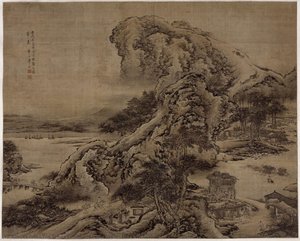
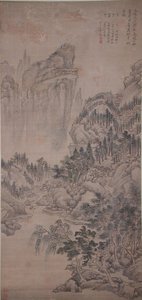
Biografía del artista
Lu Zhi: Weaver of Serene Landscapes
Born in Suzhou, Jiangsu province, during the twilight years of the Ming Dynasty (1496-1576), Lu Zhi emerged as a pivotal figure in Chinese landscape painting. More than simply an artist, he was a meticulous observer of nature, a skilled calligrapher, and a poet deeply attuned to the rhythms of the natural world. His work, characterized by its profound tranquility and subtle beauty, reflects a synthesis of traditional Ming aesthetics with his own unique sensibility – a style often referred to as ‘Shuqing’ (學清), meaning “learning from Zhengming.” Lu Zhi's legacy rests not just on the sheer number of paintings he produced, but on their ability to evoke a sense of profound peace and contemplation, solidifying his place among the most revered landscape masters of the era.
Lu’s artistic journey began under the tutelage of Wen Zhengming (1470-1535), a renowned calligrapher, painter, and scholar who served as a model for many aspiring artists. Wen's emphasis on meticulous brushwork, balanced composition, and the integration of poetry within paintings profoundly influenced Lu Zhi’s approach. However, unlike many of his contemporaries who merely imitated Wen’s style, Lu Zhi developed his own distinct voice, characterized by a softer, more ethereal quality. He was particularly drawn to depicting scenes of misty mountains, serene lakes, and delicate flora – subjects that resonated with his contemplative nature.
Lu's early life remains somewhat shrouded in mystery, though it’s known he spent considerable time studying under Ma Rong (1476-1538), a prominent scholar and poet. This exposure to literary traditions undoubtedly shaped his artistic vision, imbuing his landscapes with layers of symbolic meaning and poetic resonance. His sobriquet, ‘Bao Shanzi’ (寶山子), literally translates to “treasure mountain son,” reflecting his deep appreciation for the majesty and spiritual significance of mountainous regions – a recurring motif in his oeuvre.
The Language of Landscape: Technique and Style
Lu Zhi's paintings are distinguished by their masterful use of ink wash techniques, a hallmark of traditional Chinese landscape painting. He employed a delicate, almost translucent application of ink, creating subtle gradations of tone and texture that mimic the play of light and shadow in nature. His brushwork is remarkably fluid and expressive, conveying both the solidity of rock formations and the ephemeral quality of mist and clouds. Unlike some of his contemporaries who favored bold, assertive strokes, Lu Zhi’s approach was characterized by a quiet restraint – a deliberate avoidance of overt drama or exaggeration.
A key element of Lu Zhi's style is his masterful depiction of water. He skillfully rendered the shimmering surface of lakes and rivers, capturing their reflective qualities with remarkable precision. His use of ‘mo liu’ (墨漏), a technique involving allowing ink to bleed and spread naturally on the paper, created an atmospheric effect that enhanced the sense of depth and spaciousness in his compositions. This technique was particularly effective in conveying the misty atmosphere characteristic of many of his landscapes.
Furthermore, Lu Zhi's paintings often incorporate elements of bird-and-flower painting – a tradition closely associated with landscape art during the Ming Dynasty. He skillfully integrated these smaller motifs into his larger compositions, adding layers of visual interest and symbolic meaning. The inclusion of specific plants and birds was not merely decorative; it served as a means of conveying seasonal changes, philosophical concepts, and personal reflections.
Notable Works and Themes
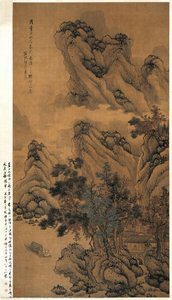
Among Lu Zhi’s most celebrated works are “Day Lily and Garden Rock” (日荷圖), a serene depiction of a small garden featuring a delicate day lily flower and a weathered rock. This painting exemplifies his ability to capture the subtle beauty of everyday scenes, transforming them into objects of contemplation. “The Canying Hall” ( canyon hall) is another notable example, showcasing his skill in rendering mountainous landscapes with remarkable detail and atmospheric perspective.
Recurring themes in Lu Zhi’s work include the harmony between humanity and nature, the passage of time, and the pursuit of inner peace. His paintings often evoke a sense of solitude and introspection, inviting viewers to contemplate their own place within the vastness of the natural world. The frequent depiction of misty mountains – particularly those shrouded in clouds – symbolizes the mysteries of existence and the limitations of human understanding.
Legacy and Influence
Lu Zhi’s influence on subsequent generations of Chinese landscape painters is undeniable. His emphasis on subtle brushwork, atmospheric perspective, and poetic integration within paintings set a new standard for artistic excellence. His work served as an inspiration for artists such as Shen Zhou (1425-1506) and Dong Yuan (1470-1523), who further developed the ‘Shuqing’ style.
Today, Lu Zhi's paintings are highly valued by collectors and art historians alike. His works are exhibited in major museums and galleries around the world, serving as a testament to his artistic genius and enduring legacy. Lu Zhi remains a symbol of Chinese landscape painting at its most serene and contemplative – a master who captured the essence of nature’s beauty with unparalleled grace and subtlety.
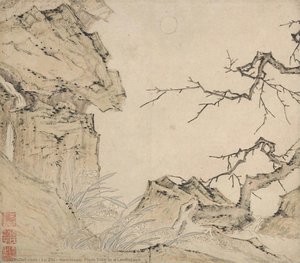
lu zhi
1940 - 1973
Datos clave
- Artistic Movement Or Style: Wen Zhengming Style
- Artists Or Movements Influenced By This Artist: ['Traditional Chinese Art']
- Artists Who Influenced This Artist: ['Wen Zhengming']
- Date Of Birth: c. 1496
- Date Of Death: 1576
- Full Name: Lu Zhi (陸治)
- Nationality: Chinese
- Notable Artworks:
- Day Lily and Rock
- Canying Hall
- Island Beneath Clouds
- Place Of Birth: Suzhou, Jiangsu, China
Artículos relacionados

Paisajes Románticos: 10 Obras Maestras que Definieron un Movimiento Artístico
Descubre los 10 paisajes románticos más influyentes de artistas como Caspar David Friedrich y Turner. Explora la belleza, el simbolismo y las técnicas del movimiento romántico. Reproducciones de arte exclusivas en ArtsDot.com.

Evocations of Place: A Historical Journey Through Landscape Art
Explore the rich history of landscape art with ArtsDot. Discover renowned artists, movements like Impressionism & Romanticism, and expert guidance for collecting timeless pieces. Find your perfect serene escape today!

John Constable: Las 25 Obras Maestras del Paisaje Inglés | ArtsDot
Descubre las 25 obras maestras de John Constable, el pintor romántico inglés que capturó la belleza del paisaje. Explora su técnica, historia y significado en ArtsDot.com. Reproducciones de arte de alta calidad para tu hogar.

Katsushika Hokusai: Las 25 Obras Maestras del Ukiyo-e que Transformaron el Arte Japonés | ArtsDot
Descubre las 25 obras maestras de Katsushika Hokusai, el genio del ukiyo-e. Explora 'La Gran Ola', paisajes japoneses y su impacto en el arte moderno. Reproducciones de alta calidad para tu hogar en ArtsDot.com.
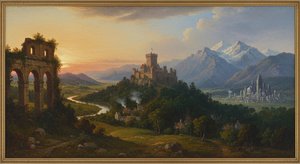
Evocations of Place: A Historical Journey Through Landscape Art
Explore the rich history of landscape art with ArtsDot. Discover renowned artists, movements like Impressionism & tonalism, and expert guidance for collecting timeless pieces. Find your perfect serene escape today!