

 Ver en contexto
 Enviar
 Compartir
 Detalles

 Descargar
 Similares
 Radiografía
 Presentación de diapositivas
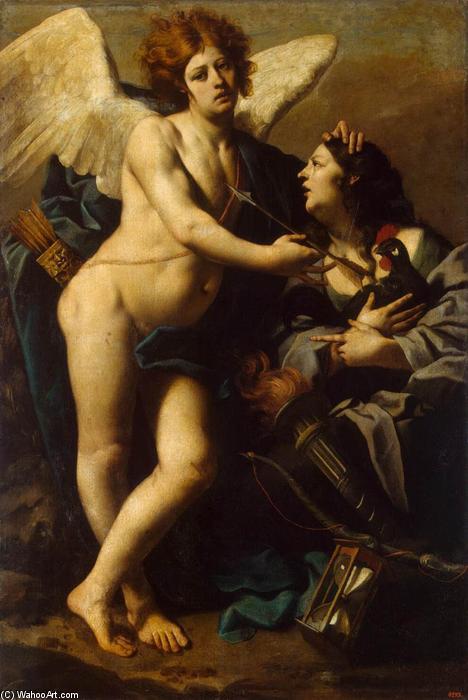
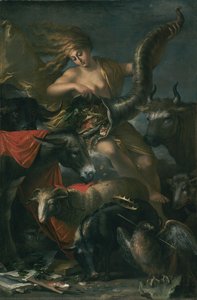
Allegory of Jealousy
 Baroque
 1640
1640 171.0 x 116.0 cm
 Museo del Hermitage
 Ver más
Adquiera una imagen digital de alta resolución y optimizada, muy superior a la vista previa en línea.
Cada archivo es preparado meticulosamente por nuestros especialistas internos mediante el uso de herramientas avanzadas y un experto retoque manual. Nos aseguramos de que cada imagen posea una claridad excepcional, una precisión cromática impecable y un detalle minucioso.
El archivo final se entrega por correo electrónico en un plazo de 72 horas, optimizado para su uso inmediato en entornos profesionales, editoriales y de impresión. Esta es la misma calidad en la que confían los estudios de diseño, las editoriales y las galerías de primer nivel.
Imagen Digital
Descarga un archivo de alta resolución para exhibición personal, impresión y proyectos creativos. ( Comprar impresión Comprar pintura hecha a mano)
Incluido en cada pedido de imágenes digitales
Entrega digital experta, garantizada.
Al elegir ArtsDot.com, no solo está adquiriendo una imagen; está recibiendo una obra de arte digital mejorada profesionalmente, elaborada con precisión y respaldada por una garantía de satisfacción. Esto es todo lo que incluye su pedido, automáticamente:

Entrega rápida por email
Recibirá su archivo de imagen digital en alta resolución por correo electrónico en un plazo de 72 horas tras realizar su pedido, listo para su uso inmediato.

Archivo digital optimizado por IA
Su obra de arte se optimiza profesionalmente mediante herramientas avanzadas de IA y edición manual, garantizando el máximo detalle, claridad y precisión cromática.

Reenvío gratuito de por vida
¿Has borrado o perdido tu archivo por error? No te preocupes: te lo volveremos a enviar en cualquier momento, sin coste adicional.

Sin gastos de importación, siempre
Disfrute de su obra de arte al instante sin aduanas, aranceles ni gastos de envío; las descargas digitales siempre están libres de impuestos.

Garantía de fidelidad de color
Garantizamos que su imagen digital refleje los colores originales con la mayor fidelidad posible, mediante el uso de herramientas profesionales y gestión del color.

Garantía de satisfacción de 60 días
Si no está satisfecho con su imagen digital, la revisaremos o le reembolsaremos el 100% en un plazo de 60 días, sin preguntas.

100% Garantía de devolución de dinero
¿No está satisfecho? Obtenga un reembolso completo dentro de los 60 días posteriores a la recepción de su archivo digital, sin necesidad de explicaciones.

Descuentos por pedidos grandes
Compra 3 imágenes, ahorra 10% - Compra 5, ahorra 15% - Compra 10+, ahorra 20%. Ideal para proyectos creativos, galerías y agencias.
Symbolism and Interpretation
The painting depicts a nude angelic figure with wings, holding a pair of scissors and a small bird, surrounded by two clothed women. The Allegory of Jealousy is rich in symbolism, with the scissors representing the cutting of ties or bonds, and the bird signifying freedom or flight from an oppressive situation. The woman on the left appears to be looking up at the central figure with admiration, while the woman on the right holds a small birdcage, implying confinement or restriction. Key Elements of the painting include:- The use of chiaroscuro, a strong contrast between light and dark, to create a sense of depth and drama
- The intricate details of the women's clothing, suggesting fine fabrics and patterns
- The central figure's wings, which add a touch of mythology and fantasy to the scene
The Allegory of Jealousy is a thought-provoking painting that invites viewers to reflect on the complexities of human emotions and relationships. As a masterpiece of Baroque art, it continues to inspire and fascinate art lovers around the world. For handmade oil paintings reproductions of this and other famous works, visit https://ArtsDot.com.
Obras relacionadas
Biografía del artista
A Life Immersed in Baroque Splendor: Luca Ferrari
Luca Ferrari, often known as Luca da Reggio, emerged from the vibrant artistic milieu of early 17th-century Italy, a period brimming with dramatic energy and spiritual fervor. Born in Reggio Emilia in 1605, his journey led him to Padua, where he would establish himself as a significant, though sometimes overlooked, figure within the Baroque movement. While biographical details remain somewhat sparse, the surviving corpus of his work speaks volumes about an artist deeply attuned to the prevailing aesthetic and intellectual currents of his time. He wasn’t merely replicating styles; Ferrari synthesized them into something uniquely his own – a blend of Caravaggesque realism, Venetian colorism, and a distinctly allegorical bent. His early training is believed to have taken place within local workshops, absorbing the fundamentals of painting before gravitating towards the more progressive artistic circles in Padua. This formative period undoubtedly shaped his technical prowess and instilled in him a love for narrative storytelling through paint.The Paduan Years: A Flourishing Career
Padua became Ferrari’s adopted home, and it was here that he truly blossomed as an artist. He quickly gained recognition for his historical canvases, often commissioned by the city's noble families and religious institutions. Unlike some of his contemporaries who focused solely on grand altarpieces or monumental decorations, Ferrari excelled in a diverse range of subjects. He produced both large-scale works intended to inspire awe and smaller, more intimate “cabinet pieces” – paintings designed for private contemplation and display. These latter works reveal a particular sensitivity to detail and a refined understanding of light and shadow, hallmarks of the Caravaggesque influence that permeated his style. His ability to capture emotional intensity in the faces and gestures of his figures was highly prized by patrons seeking art that resonated with both intellectual depth and visceral impact. He became part of a thriving artistic community alongside painters like Alessandro Varotari and Francesco Maffei, contributing to the city’s reputation as a center for Baroque innovation.Themes and Techniques: Allegory and Emotional Realism
Ferrari's oeuvre is characterized by a compelling interplay between allegory and realism. He frequently employed mythological narratives and symbolic imagery not simply as decorative elements but as vehicles for conveying moral or philosophical messages. His paintings are rich in hidden meanings, inviting viewers to decipher the layers of symbolism woven into the composition. The influence of Venetian masters like Titian and Veronese is evident in his use of vibrant color palettes and dynamic compositions. However, Ferrari tempered this exuberance with a distinctly Caravaggesque approach to realism, grounding his allegorical figures in tangible physicality. He masterfully manipulated light and shadow – *tenebrism* – to create dramatic contrasts that heightened the emotional impact of his scenes. This technique not only drew attention to key elements within the composition but also imbued his paintings with a sense of psychological depth. His religious works, while adhering to traditional iconography, often feature an unusual degree of human emotion and vulnerability in depictions of saints and biblical figures.Major Achievements and Lasting Legacy
While no single masterpiece definitively defines Ferrari’s career, the breadth and quality of his surviving work attest to his considerable talent. His historical canvases, such as those depicting scenes from classical mythology or Roman history, demonstrate a sophisticated understanding of composition and narrative structure.- His allegorical paintings are particularly noteworthy for their intellectual complexity and symbolic richness.
- The smaller cabinet pieces reveal a remarkable attention to detail and a refined sense of color harmony.
- His religious works, though less numerous, showcase his ability to convey profound spiritual themes with emotional resonance.
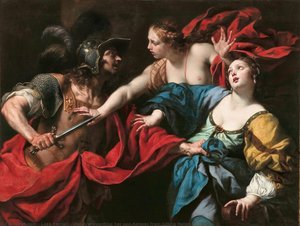
luca ferrari
1605 - 1654 , Italy
Breves datos
- Artistic Movement Or Style: Baroque
- Artists Or Movements Influenced By This Artist: ['Caravaggio']
- Artists Who Influenced This Artist:
- Alessandro Tiarini
- Guido Reni
- Date Of Death: 1654
- Full Name: Luca Ferrari
- Nationality: Italian
- Notable Artworks: ['Tiberio Tinelli - Portrait of a Lady GG 6537TMS']
- Place Of Birth: Reggio Emilia, Italy

