 Ver en contexto
 Enviar
 Compartir
 Detalles

 Descargar
 Similares
 Radiografía
 Presentación de diapositivas
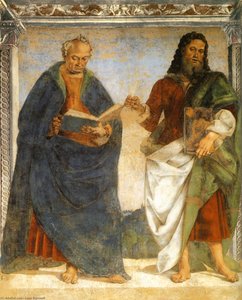
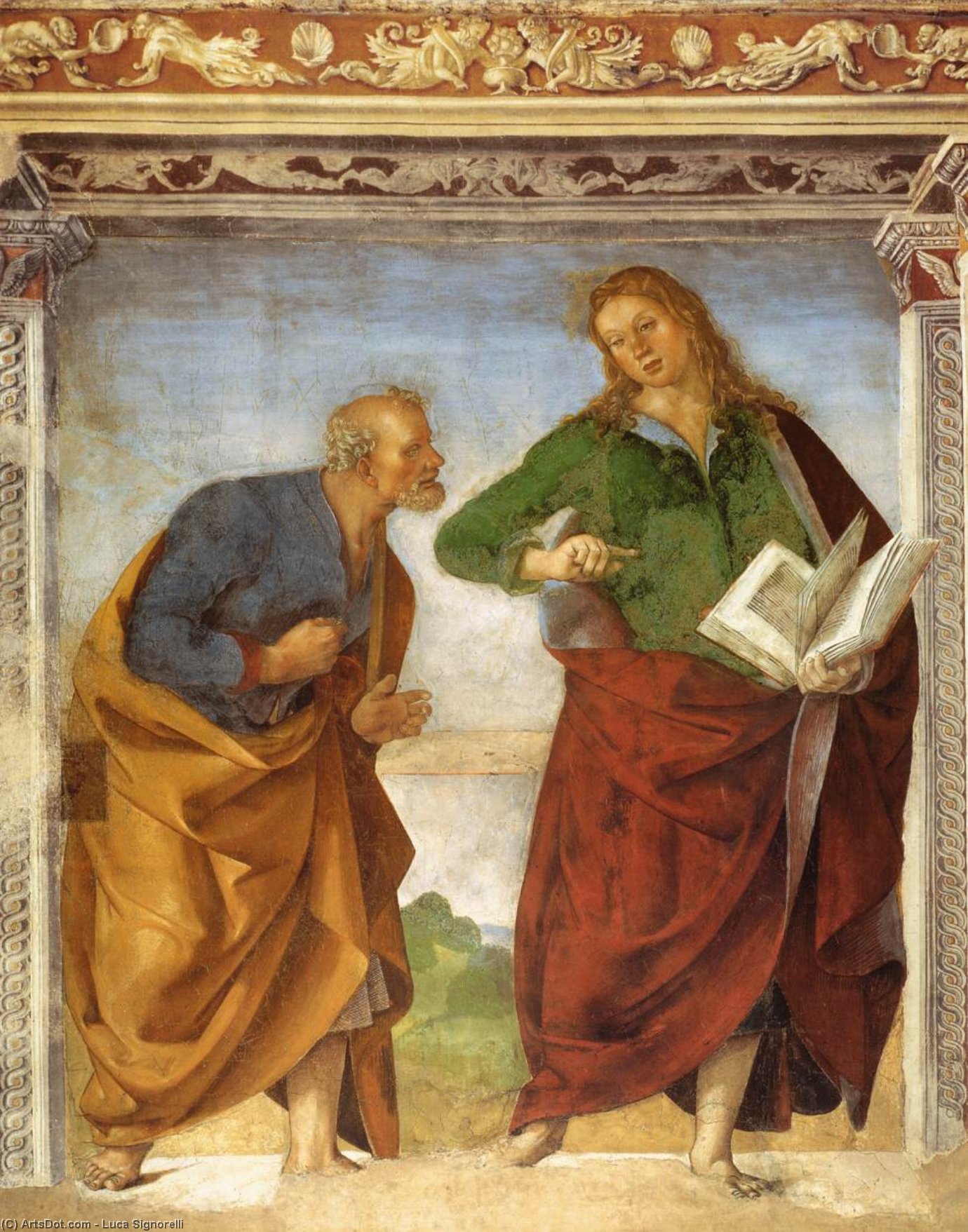
Los Apóstoles Pedro y Juan el Evangelista
 Acrílico sobre lienzo
- Arte de pared
- Renacimiento temprano
 1477
1477 238.0 x 200.0 cm
 Basílica de la Santa Casa
 Ver más
Reproducción al óleo hecha a mano
Óleo sobre lienzo pintado a mano en el tamaño y marco de su elección, realizado por encargo por nuestros artistas. ( Comprar impresión Comprar imagen)




P118B $10

P118H $10

P118W $10

P438Z $10

P508JH $12

P508YH $12

P805H $10

P805Z $10

P919BZ $10

P919G $10

P919XJ $10

P959ZH $10

P968JZ $12

W106C $8

W218G $10

W218JH $8

W218Y $10

W307PJ $10

W316G $10

W316PJ $8

W316Y $10

W398PJ $8

W4111J $10

W500HY $15

W500JH $15

W692G $12

W849H $8

W940BG $15

W953PJ $8




Elija entre nuestros tamaños predefinidos que respetan las proporciones originales de la obra.

Puede ingresar sus propias dimensiones para adaptarse a un marco o espacio específico. Si el tamaño seleccionado no coincide con las proporciones de la imagen original, recortaremos la obra o extenderemos la pintura con elementos adicionales pintados a mano. Se le enviará una maqueta digital para su aprobación antes de comenzar la producción.
Tenga en cuenta que la vista previa en pantalla no refleja el recorte o la extensión reales. Solo la maqueta mostrará con precisión la composición final.
Si bien existen tamaños personalizados, recomendamos seleccionar una dimensión de la lista predefinida para preservar las proporciones originales.
Tras realizar el pedido, el equipo de ArtsDot.com enviará un correo electrónico al cliente para solicitar instrucciones y proporcionarle una vista previa del boceto.
Envío a todo el mundo () en 3-4 semanas en lugar de las 5 semanas estándar. (31 agosto). Sin comprometer la calidad.

Envío exprés gratuito a todo el mundo

Lienzo de lino de alta calidad

Seguro de envío total

Garantía de reembolso de impuestos aduaneros

Garantía de fidelidad cromática exacta

Política de devolución de 60 días (solo por defectos)

Garantía de devolución del 100% del dinero

Descuento por cantidad
 La opción de vidrio solo está disponible en tamaños inferiores a 110 cm.

Los Apóstoles Pedro y Juan el Evangelista
Técnica de reproducción
Dimensiones de la reproducción
-


Precio total final
$ 263
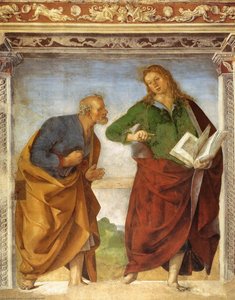
Luca Signorelli’s “The Apostles Peter and John the Evangelist”: A Symphony of Foreshortening and Faith
Luca Signorelli (c. 1450–1523) stands as a titan amongst Renaissance artists, celebrated primarily for his monumental frescoes adorning the Cappella Nuova in Orvieto Cathedral – a testament to divine judgment and human redemption. Yet, amidst this grand narrative, “The Apostles Peter and John the Evangelist,” painted circa 1482, offers a quieter but equally profound meditation on faith and contemplation. This masterpiece resides within the Museo Lorenesi di Cortona, providing an intimate glimpse into Signorelli’s artistic genius and his masterful command of technique.Subject Matter and Composition
The fresco depicts Saint Peter and Saint John engaged in earnest conversation, positioned centrally within a richly ornamented chapel space. Signorelli eschews traditional portraiture; instead, he presents the apostles as idealized figures embodying spiritual wisdom and devotion. Their postures convey solemnity and contemplation, reflecting the gravity of their theological discourse. Surrounding them are several additional figures—a man seated near the left wall, a woman at the top right corner, and another figure positioned below—adding depth to the scene and hinting at the broader narrative unfolding within the chapel’s walls. These smaller characters contribute to the fresco's complexity, enriching its symbolic resonance.Style and Technique: Foreshortening as Divine Revelation
Signorelli’s signature style is characterized by an unparalleled ability to utilize foreshortening—a technique pioneered during his time that dramatically compresses perspective, creating a sense of immediacy and realism. This masterful manipulation of spatial illusion isn't merely stylistic flourish; it serves as a powerful visual metaphor for divine revelation. Signorelli employs meticulous detail in rendering the apostles’ drapery and facial expressions, capturing subtle nuances of emotion and conveying an astonishing level of anatomical accuracy. The fresco’s palette is muted yet luminous, dominated by earthy tones—ochre, umber, and Sienna—that imbue the scene with a solemn beauty. Signorelli's meticulous layering of pigments ensures that the colors retain their vibrancy over time, preserving the artwork's original splendor.Historical Context: Orvieto Cathedral and the Renaissance Spirit
“The Apostles Peter and John” exists within the larger context of Signorelli’s monumental project at Orvieto Cathedral—a commission undertaken to commemorate the Papal Jubilee of 1498. This ambitious undertaking reflects the fervor of the High Renaissance, a period marked by an unwavering belief in humanist ideals and a renewed interest in classical art and philosophy. Signorelli's work embodies this spirit, elevating human figures to heroic proportions while simultaneously conveying profound spiritual truths. The fresco’s placement within the chapel underscores its significance as a devotional artwork intended to inspire contemplation and reverence among worshippers.Symbolism: Dialogue and Divine Guidance
The depiction of Peter and John engaged in conversation symbolizes the importance of theological discourse and the pursuit of divine wisdom. Their gestures convey earnestness and humility, reflecting their unwavering faith in Jesus Christ. The chapel’s ornate decoration—including gilded mosaics and sculpted figures—further reinforces its symbolic function as a space consecrated to prayer and contemplation. Signorelli's careful attention to detail ensures that every element contributes to the fresco’s overarching message: the transformative power of faith and the enduring legacy of Christian tradition.Emotional Impact: A Moment of Serenity Amidst Grandeur
Despite its monumental scale, “The Apostles Peter and John” exudes a palpable sense of serenity—a quiet contemplation that invites viewers to pause and reflect on the profound mysteries of faith. Signorelli’s masterful rendering of human emotion captures the solemn dignity of Saint Peter and Saint John, conveying an enduring testament to artistic brilliance and spiritual devotion. It remains a captivating artwork for anyone interested in Renaissance art and its exploration of human experience.Obras relacionadas
Biografía del artista
Primeros años y formación
Luca Signorelli, pintor del Renacimiento italiano, nació en Cortona, Toscana, alrededor de 1450. La fecha exacta de su nacimiento es incierta, pero se estima que fue entre 1441 y 1445. Se le conocía por su excepcional habilidad como dibujante y su uso innovador del claroscuro y la perspectiva lineal. Sus primeras influencias artísticas parecen haber surgido en Perugia, donde fue influenciado por los estilos de artistas como Benedetto Bonfigli, Fiorenzo di Lorenzo y Pinturicchio. Giorgio Vasari, el famoso historiador del arte, menciona que Luca fue aprendiz de Piero della Francesca gracias a su tío materno, Lazzaro Vasari.Trayectoria artística
La obra de Signorelli se puede encontrar en varios lugares, incluyendo Arezzo (1472) y Città di Castello (1474). Una de sus obras notables es la pintura "Escuela de Pan", que fue presentada a Lorenzo de' Medici. Esta pintura presenta una representación realista de la forma humana, mostrando la maestría de Signorelli en el claroscuro y la perspectiva lineal. Su habilidad para representar figuras en movimiento y su dominio del dibujo anatómico lo distinguieron. Se le considera un precursor de artistas como Miguel Ángel, especialmente por sus representaciones de figuras desnudas.Obras destacadas
- El Juicio Final (1499-1503), Catedral de Orvieto: Considerada su obra maestra, este enorme fresco muestra la habilidad de Signorelli para representar el apocalipsis y el juicio final.
- Políptico de San Medardo (1507): Un ejemplo destacado de su trabajo, que presenta una representación altamente detallada y naturalista de la forma humana.
- Frescos en la Capilla Nuova, Catedral de Orvieto: Estos frescos representan eventos relacionados con el Apocalipsis y el Juicio Final, destacando por su composición innovadora y figuras expresivas.
Influencias y desarrollo artístico
Signorelli fue influenciado por varios artistas importantes del Renacimiento temprano, incluyendo a Piero della Francesca, Verrocchio y Antonio Pollaiuolo. Su estilo evolucionó desde una influencia inicial de la pintura gótica hacia un enfoque más naturalista y expresivo. Su habilidad para representar figuras en movimiento y su dominio del dibujo anatómico lo distinguieron de sus contemporáneos. El estudio de las formas humanas y el uso de la perspectiva lineal fueron elementos clave en su desarrollo artístico.Significado histórico y legado
Luca Signorelli tuvo un impacto significativo en el desarrollo del arte del Renacimiento. Su habilidad para representar figuras en movimiento, su dominio del dibujo anatómico y su innovador uso del claroscuro influyeron a muchos artistas que le siguieron. Su obra maestra, "El Juicio Final" en la Catedral de Orvieto, es considerada un hito en la historia del arte italiano y una fuente de inspiración para generaciones de artistas. Su legado perdura a través de sus obras, que se encuentran en museos y catedrales de toda Italia.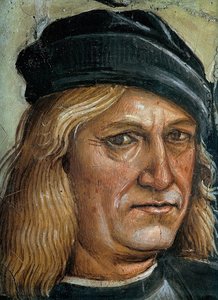
Luca Signorelli
1450 - 1523 , Italia
Datos clave
- Artistas Que Influyeron:
- Piero della Francesca
- Benedetto Bonfigli
- Fecha De Muerte: 1523
- Fecha De Nacimiento: c. 1450
- Influencia En Artistas: Miguel Ángel
- Lugar De Nacimiento: Cortona, Italia
- Movimiento Artístico: Renacimiento italiano
- Nacionalidad: Italiana
- Nombre Completo: Luca Signorelli
- Obras Notables:
- El Juicio Final
- Políptico de San Medardo
Artículos relacionados
Luca Signorelli: Renaissance Innovation & Dramatic Foreshadowing of Modern Artistic Expression
Explore the revolutionary art of Luca Signorelli, a High Renaissance master renowned for his dramatic frescoes & anatomical precision. Discover his lasting impact on art history and techniques like foreshortening.

Legado en las Paredes: Frescos Familiares que Trascienden el Tiempo
Descubre el arte del fresco muralístico para inmortalizar tu historia familiar. Expertos en frescos personalizados y técnicas ancestrales. Crea un legado visual único con .

The Enduring Legacy of Fresco Painting: Techniques, History & Contemporary Relevance
Explore the rich history & enduring artistry of fresco painting – from Giotto to Michelangelo! Discover techniques, conservation efforts, & modern applications. Learn how ArtsDot brings this timeless art form to your home.

The Enduring Legacy of Fresco: Technique, History & Artistic Expression Across Cultures
Explore the rich history & enduring legacy of fresco painting! Discover ancient techniques, Giotto's masterpieces, and modern applications. Expert insights for art lovers & professionals.
Frescos Legendarios: 10 Obras Maestras que Revolucionaron la Historia del Arte | ArtsDot
Descubre los 10 frescos más legendarios de la historia del arte, desde Miguel Ángel y Rafael hasta Giotto. Explora sus técnicas, historias y el impacto cultural que perdura. Reproducciones de alta calidad en ArtsDot.com.