

 Ver en contexto
 Enviar
 Compartir
 Detalles

 Descargar
 Similares
 Radiografía
 Presentación de diapositivas
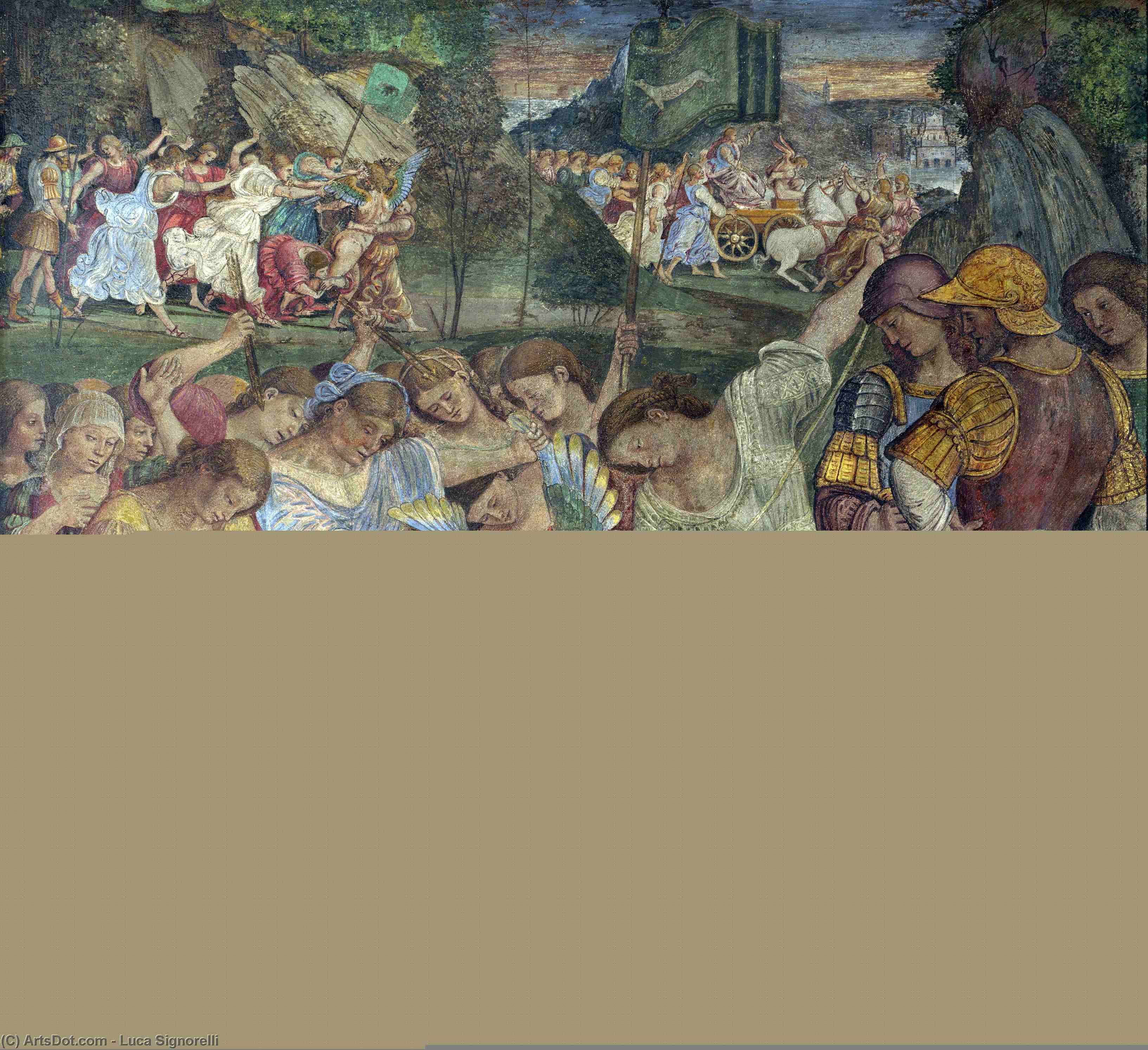
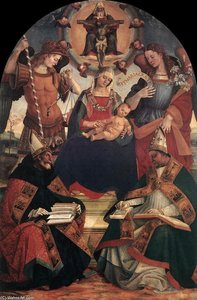
Virgin and Child with Sts Jerome and Bernard of Clairvaux
 Oil On Panel
- Early Renaissance
 1492
1492 1112.0 x 1112.0 cm
 Galería Corsini
 Ver más
Adquiera una imagen digital de alta resolución y optimizada, muy superior a la vista previa en línea.
Cada archivo es preparado meticulosamente por nuestros especialistas internos mediante el uso de herramientas avanzadas y un experto retoque manual. Nos aseguramos de que cada imagen posea una claridad excepcional, una precisión cromática impecable y un detalle minucioso.
El archivo final se entrega por correo electrónico en un plazo de 72 horas, optimizado para su uso inmediato en entornos profesionales, editoriales y de impresión. Esta es la misma calidad en la que confían los estudios de diseño, las editoriales y las galerías de primer nivel.
Imagen Digital
Descarga un archivo de alta resolución para exhibición personal, impresión y proyectos creativos. ( Comprar impresión Comprar pintura hecha a mano)
Incluido en cada pedido de imágenes digitales
Entrega digital experta, garantizada.
Al elegir ArtsDot.com, no solo está adquiriendo una imagen; está recibiendo una obra de arte digital mejorada profesionalmente, elaborada con precisión y respaldada por una garantía de satisfacción. Esto es todo lo que incluye su pedido, automáticamente:

Entrega rápida por email
Recibirá su archivo de imagen digital en alta resolución por correo electrónico en un plazo de 72 horas tras realizar su pedido, listo para su uso inmediato.

Archivo digital optimizado por IA
Su obra de arte se optimiza profesionalmente mediante herramientas avanzadas de IA y edición manual, garantizando el máximo detalle, claridad y precisión cromática.

Reenvío gratuito de por vida
¿Has borrado o perdido tu archivo por error? No te preocupes: te lo volveremos a enviar en cualquier momento, sin coste adicional.

Sin gastos de importación, siempre
Disfrute de su obra de arte al instante sin aduanas, aranceles ni gastos de envío; las descargas digitales siempre están libres de impuestos.

Garantía de fidelidad de color
Garantizamos que su imagen digital refleje los colores originales con la mayor fidelidad posible, mediante el uso de herramientas profesionales y gestión del color.

Garantía de satisfacción de 60 días
Si no está satisfecho con su imagen digital, la revisaremos o le reembolsaremos el 100% en un plazo de 60 días, sin preguntas.

100% Garantía de devolución de dinero
¿No está satisfecho? Obtenga un reembolso completo dentro de los 60 días posteriores a la recepción de su archivo digital, sin necesidad de explicaciones.

Descuentos por pedidos grandes
Compra 3 imágenes, ahorra 10% - Compra 5, ahorra 15% - Compra 10+, ahorra 20%. Ideal para proyectos creativos, galerías y agencias.
A Renaissance Vision of Faith and Devotion: Luca Signorelli's "Virgin and Child with Sts Jerome and Bernard of Clairvaux"
Luca Signorelli’s “Virgin and Child with Sts Jerome and Bernard of Clairvaux,” painted in 1492, is a captivating window into the spiritual heart of the Italian Renaissance. This large-scale work, measuring an impressive 1112 x 1112 cm, transcends mere portraiture; it’s a profound meditation on faith, contemplation, and divine grace rendered with the meticulous detail and burgeoning realism characteristic of the era. The painting depicts the Virgin Mary cradling the Christ Child, flanked by two prominent saints – St. Jerome, renowned for his translation of the Bible into Latin, and St. Bernard of Clairvaux, a celebrated theologian and mystic. The scene isn't simply a representation; it’s an invitation to enter a realm of serene piety and spiritual reflection.
Style and Technique: Bridging Tradition and Innovation
Signorelli’s artistic style firmly roots itself in the Early Renaissance, yet hints at the burgeoning High Renaissance that would soon follow. While perspective isn't mathematically precise—a hallmark of later developments—it is skillfully employed to create a sense of depth and spatial coherence. The artist demonstrates a keen understanding of anatomy, evident in the graceful poses and detailed rendering of the figures’ drapery. The clothing itself becomes a narrative element, its folds and textures meticulously captured through layering and glazing techniques – methods that impart a luminous quality to the oil paint. This technique allows for subtle shifts in tone and color, creating a sense of depth and realism rarely seen before. The linear style is apparent in the clear definition of outlines and architectural elements, while organic shapes dominate the human forms and flowing fabrics. The overall effect isn't one of raw expressiveness but rather of controlled elegance—a hallmark of Renaissance artistic ideals.
Symbolism: Layers of Meaning within a Sacred Scene
Beyond its visual beauty, “Virgin and Child with Sts Jerome and Bernard of Clairvaux” is rich in symbolic meaning. The presence of St. Jerome, traditionally depicted with his lion companion (though absent here), signifies scholarship and the translation of sacred texts—a bridge between the divine and human understanding. St. Bernard of Clairvaux, a pivotal figure in Cistercian monasticism, embodies contemplative prayer and mystical union with God. His inclusion underscores the importance of inner reflection and devotion within the Christian faith. The Virgin Mary herself is presented as the embodiment of purity and grace, her serene expression conveying both maternal tenderness and divine authority. The Christ Child, held gently in her arms, represents salvation and the promise of redemption. The warm earth tones—ochres, browns, and reds—dominate the palette, evoking a sense of groundedness and stability, while touches of gold highlight the sacred nature of the scene. This careful selection of color contributes to the painting’s overall atmosphere of reverence and tranquility.
Historical Context and Signorelli's Legacy
Painted in 1492, during a period of significant artistic and intellectual ferment in Italy, this work reflects the growing interest in classical antiquity and humanism. Signorelli, born around 1450 in Cortona, was deeply influenced by artists like Piero della Francesca and Benedetto Bonfigli. His exceptional draftsmanship and mastery of foreshortening quickly established him as a leading figure in the Umbrian Renaissance. While he is perhaps best known for his monumental frescoes in Orvieto Cathedral—particularly “The Last Judgment”—works like "Virgin and Child with Sts Jerome and Bernard of Clairvaux" demonstrate his versatility and skill in depicting intimate, devotional scenes. Signorelli’s legacy extends beyond his individual works; he helped shape the course of Renaissance art, influencing generations of artists with his innovative techniques and profound understanding of human form and expression.
Obras relacionadas
![Virgin And Child With Saint Joseph And Donor [centre Panel Of The Withypool Triptych] — Antonio Solario (lo Zingaro), High Renaissance](/media/artworks/images-thumb/b9/7d/b97d0df3c80849ec91debbc927ef02ec.jpg)
Biografía del artista
Primeros años y formación
Luca Signorelli, pintor del Renacimiento italiano, nació en Cortona, Toscana, alrededor de 1450. La fecha exacta de su nacimiento es incierta, pero se estima que fue entre 1441 y 1445. Se le conocía por su excepcional habilidad como dibujante y su uso innovador del claroscuro y la perspectiva lineal. Sus primeras influencias artísticas parecen haber surgido en Perugia, donde fue influenciado por los estilos de artistas como Benedetto Bonfigli, Fiorenzo di Lorenzo y Pinturicchio. Giorgio Vasari, el famoso historiador del arte, menciona que Luca fue aprendiz de Piero della Francesca gracias a su tío materno, Lazzaro Vasari.Trayectoria artística
La obra de Signorelli se puede encontrar en varios lugares, incluyendo Arezzo (1472) y Città di Castello (1474). Una de sus obras notables es la pintura "Escuela de Pan", que fue presentada a Lorenzo de' Medici. Esta pintura presenta una representación realista de la forma humana, mostrando la maestría de Signorelli en el claroscuro y la perspectiva lineal. Su habilidad para representar figuras en movimiento y su dominio del dibujo anatómico lo distinguieron. Se le considera un precursor de artistas como Miguel Ángel, especialmente por sus representaciones de figuras desnudas.Obras destacadas
- El Juicio Final (1499-1503), Catedral de Orvieto: Considerada su obra maestra, este enorme fresco muestra la habilidad de Signorelli para representar el apocalipsis y el juicio final.
- Políptico de San Medardo (1507): Un ejemplo destacado de su trabajo, que presenta una representación altamente detallada y naturalista de la forma humana.
- Frescos en la Capilla Nuova, Catedral de Orvieto: Estos frescos representan eventos relacionados con el Apocalipsis y el Juicio Final, destacando por su composición innovadora y figuras expresivas.
Influencias y desarrollo artístico
Signorelli fue influenciado por varios artistas importantes del Renacimiento temprano, incluyendo a Piero della Francesca, Verrocchio y Antonio Pollaiuolo. Su estilo evolucionó desde una influencia inicial de la pintura gótica hacia un enfoque más naturalista y expresivo. Su habilidad para representar figuras en movimiento y su dominio del dibujo anatómico lo distinguieron de sus contemporáneos. El estudio de las formas humanas y el uso de la perspectiva lineal fueron elementos clave en su desarrollo artístico.Significado histórico y legado
Luca Signorelli tuvo un impacto significativo en el desarrollo del arte del Renacimiento. Su habilidad para representar figuras en movimiento, su dominio del dibujo anatómico y su innovador uso del claroscuro influyeron a muchos artistas que le siguieron. Su obra maestra, "El Juicio Final" en la Catedral de Orvieto, es considerada un hito en la historia del arte italiano y una fuente de inspiración para generaciones de artistas. Su legado perdura a través de sus obras, que se encuentran en museos y catedrales de toda Italia.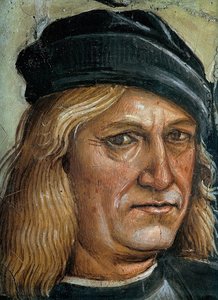
Luca Signorelli
1450 - 1523 , Italia
Breves datos
- Artistas Que Influyeron:
- Piero della Francesca
- Benedetto Bonfigli
- Fecha De Muerte: 1523
- Fecha De Nacimiento: c. 1450
- Influencia En Artistas: Miguel Ángel
- Lugar De Nacimiento: Cortona, Italia
- Movimiento Artístico: Renacimiento italiano
- Nacionalidad: Italiana
- Nombre Completo: Luca Signorelli
- Obras Notables:
- El Juicio Final
- Políptico de San Medardo

