 Ver en contexto
 Enviar
 Compartir
 Detalles

 Descargar
 Similares
 Radiografía
 Presentación de diapositivas
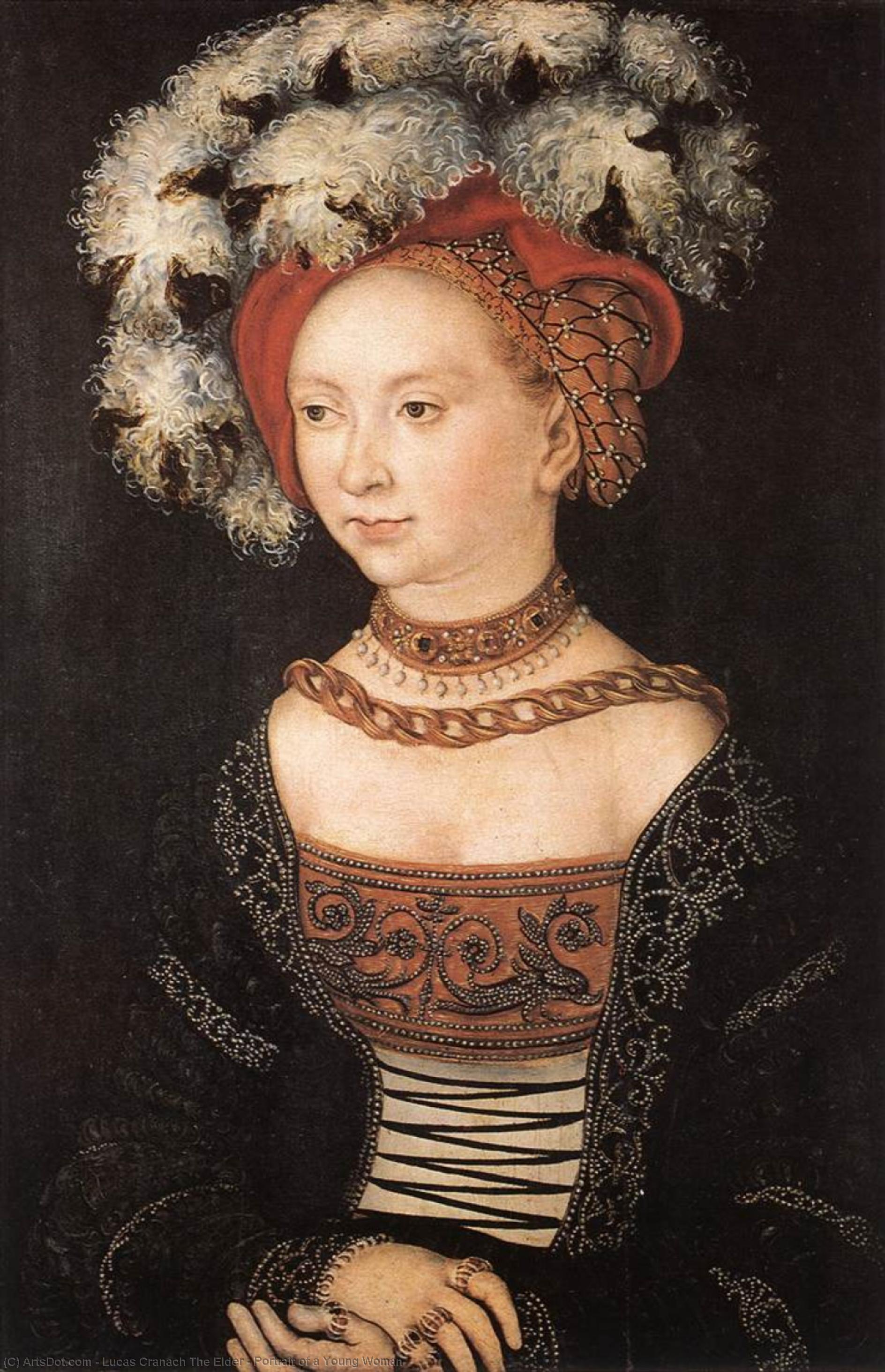
Portrait of a Young Woman
 Oil On Canvas
- WallArt
- Northern Renaissance
 1530
1530 37.0 x 25.0 cm
 Ver más
Reproducción al óleo hecha a mano
Óleo sobre lienzo pintado a mano en el tamaño y marco de su elección, realizado por encargo por nuestros artistas. ( Comprar impresión Comprar imagen)




P118B $10

P118H $10

P118W $10

P438Z $10

P508JH $12

P508YH $12

P805H $10

P805Z $10

P919BZ $10

P919G $10

P919XJ $10

P959ZH $10

P968JZ $12

W106C $8

W218G $10

W218JH $8

W218Y $10

W307PJ $10

W316G $10

W316PJ $8

W316Y $10

W398PJ $8

W4111J $10

W500HY $15

W500JH $15

W692G $12

W849H $8

W940BG $15

W953PJ $8




Elija entre nuestros tamaños predefinidos que respetan las proporciones originales de la obra.

Puede ingresar sus propias dimensiones para adaptarse a un marco o espacio específico. Si el tamaño seleccionado no coincide con las proporciones de la imagen original, recortaremos la obra o extenderemos la pintura con elementos adicionales pintados a mano. Se le enviará una maqueta digital para su aprobación antes de comenzar la producción.
Tenga en cuenta que la vista previa en pantalla no refleja el recorte o la extensión reales. Solo la maqueta mostrará con precisión la composición final.
Si bien existen tamaños personalizados, recomendamos seleccionar una dimensión de la lista predefinida para preservar las proporciones originales.
Tras realizar el pedido, el equipo de ArtsDot.com enviará un correo electrónico al cliente para solicitar instrucciones y proporcionarle una vista previa del boceto.
Envío a todo el mundo () en 3-4 semanas en lugar de las 5 semanas estándar. (25 agosto). Sin comprometer la calidad.

Envío exprés gratuito a todo el mundo

Lienzo de lino de alta calidad

Seguro de envío total

Garantía de reembolso de impuestos aduaneros

Garantía de fidelidad cromática exacta

Política de devolución de 60 días (solo por defectos)

Garantía de devolución del 100% del dinero

Descuento por cantidad
 La opción de vidrio solo está disponible en tamaños inferiores a 110 cm.

Portrait of a Young Woman
Técnica de reproducción
Dimensiones de la reproducción
-


Precio total final
$ 263
Descripción de la obra
A Portrait Steeped in Symbolism: Exploring Lucas Cranach’s Young Woman
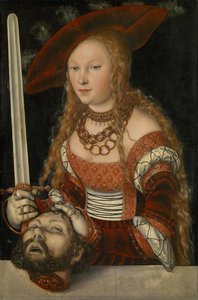
The Portrait of a Young Woman by Lucas Cranach the Elder, completed in 1530, transcends mere visual representation; it embodies the spirit of the Northern Renaissance and whispers tales of faith, beauty, and aristocratic patronage. Executed during a turbulent era marked by religious reformation and artistic innovation, this oil on panel artwork offers a glimpse into the sensibilities of its time—a testament to Cranach’s mastery as both craftsman and storyteller. Measuring 37 x 25 cm, it resides within the Galleria degli Uffizi in Florence, alongside another version, ensuring its enduring legacy for art historians and enthusiasts alike.Style and Technique: The Northern Renaissance Ideal
Cranach's approach aligns perfectly with the prevailing stylistic trends of the Northern Renaissance. Unlike the idealized figures favored by Italian artists, Cranach’s depiction prioritizes realism—though subtly enhanced—capturing a youthful woman with remarkable accuracy. The meticulous attention to detail is evident in every aspect of the composition: the delicate folds of her dress, painstakingly rendered; the intricate curls of her hair, meticulously sculpted; and the flamboyant hat adorned with feathers – symbols of status and aspiration. Cranach skillfully employs chiaroscuro—the dramatic interplay of light and shadow—to sculpt form and imbue the portrait with a palpable sense of presence. This technique elevates the image beyond a simple likeness, conveying emotion and psychological nuance.Historical Context: Saxony’s Court Painter and Reformation’s Influence
The painting emerged from the workshop of Cranach in Dresden, serving Frederick III, Elector of Saxony—a royal commission that reflects the artistic ambitions of the Saxon court during the Reformation. This period witnessed a fervent debate between Catholic dogma and Protestant reform, profoundly impacting art and culture. Cranach's work subtly incorporates humanist ideals alongside religious iconography. The woman’s gaze downward suggests introspection and contemplation – themes central to Renaissance spirituality—while her attire speaks to the aristocratic status of its sitter. Furthermore, the red hat symbolizes royal authority and piety, reinforcing the painting’s connection to the political landscape of Saxony.Symbolism: Layers of Meaning Beyond Appearance
Beyond its surface beauty lies a rich tapestry of symbolism. The corset represents virtue and modesty—values considered paramount in Renaissance morality. The necklace signifies wealth and refinement, highlighting the woman's social standing. Perhaps most striking is the hat itself – adorned with feathers – which transcends mere decoration to embody aspiration and ambition. Feathers were traditionally associated with divinity and nobility, elevating the woman’s image to one of elevated spiritual status. Cranach’s masterful use of visual cues invites contemplation on themes of faith, beauty, and social hierarchy—elements that resonate powerfully across centuries.Emotional Impact: A Window into Renaissance Sensibility
The Portrait of a Young Woman continues to captivate viewers today due to its ability to evoke empathy and admiration. Cranach's skillful portrayal captures not only physical likeness but also an inner radiance – conveying the serenity and grace characteristic of Renaissance ideals. The painting’s balanced composition draws the eye inward, fostering contemplation on themes of femininity, virtue, and aristocratic splendor. It stands as a poignant reminder of a bygone era—a testament to Cranach's artistic genius and his enduring contribution to the canon of Northern Renaissance art.Obras relacionadas
Biografía del artista
Primeros años y formación
Lucas Cranach el Viejo, un destacado pintor y grabador del Renacimiento alemán, nació en 1472 en Kronach, Alta Franconia. Aunque la fecha exacta de su nacimiento es desconocida, se sabe que aprendió las artes del dibujo de su padre, Hans Maler, y posteriormente desarrolló sus habilidades bajo la tutela de maestros locales del sur alemán.Carrera y logros destacados
La habilidad de Cranach atrajo la atención del duque Federico III de Sajonia, también conocido como Federico el Sabio. En 1504, se convirtió en pintor de la corte de los electores de Sajonia en Wittenberg, un puesto que ocupó durante la mayor parte de su carrera.- Fue reconocido por sus retratos de príncipes alemanes y líderes de la Reforma protestante, incluyendo a Martín Lutero.
- Cranach también pintó temas religiosos, inicialmente dentro de la tradición católica, pero posteriormente explorando nuevas formas de expresar las preocupaciones luteranas en el arte.
- Su taller produjo numerosas obras, incluyendo versiones continuadas por su hijo Lucas Cranach el Joven, y otros artistas incluso después de su muerte.
Estilo artístico y evolución
El estilo artístico de Cranach evolucionó a lo largo de su carrera. Inicialmente influenciado por la escuela del Danubio, sus primeras obras muestran un uso poético del paisaje. A medida que se estableció en Wittenberg, desarrolló un estilo distintivo caracterizado por:- Retratos expresivos: Sus retratos capturan no solo la apariencia física de los sujetos, sino también su personalidad y estatus social.
- Temas religiosos innovadores: Cranach introdujo elementos luteranos en sus obras religiosas, desafiando las convenciones artísticas tradicionales.
- Uso del grabado: Fue un maestro grabador, produciendo numerosas xilografías y aguafortas que difundieron su arte a una audiencia más amplia.
Obras notables y colaboraciones
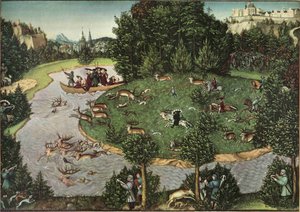
Entre las obras más destacadas de Lucas Cranach el Viejo se encuentran:- La Caza del Ciervo del Elector Federico III el Sabio (1529), una obra maestra que muestra su habilidad para capturar la esencia del estilo renacentista nórdico.
- Autorretrato, una representación impactante del artista, que exhibe su dominio de la luz y la sombra.
- El anuncio a Joaquín (1516-18), una escena llena de espíritu alegre, actualmente en el Museo de Bellas Artes de Budapest.
Legado e importancia histórica
El legado de Lucas Cranach el Viejo reside en sus significativas contribuciones al movimiento artístico del Renacimiento alemán. Como figura destacada del Renacimiento nórdico, su obra continúa inspirando a artistas y entusiastas del arte por igual. Su estrecha relación con Martín Lutero y su papel como propagandista visual de la Reforma Protestante lo convierten en una figura clave en la historia del arte y la cultura europea. Cranach no solo fue un artista talentoso, sino también un innovador que desafió las convenciones artísticas tradicionales y contribuyó a la difusión de nuevas ideas religiosas y políticas. Su taller prolífico y el legado artístico transmitido a sus hijos aseguraron su impacto duradero en el mundo del arte.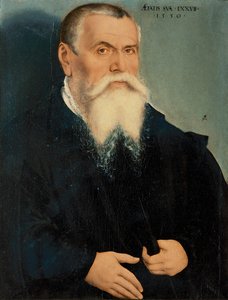
Lucas Cranach el Viejo
1472 - 1553 , Alemania
Datos clave
- Artistas Que Influyeron: ['Matthias Grünewald']
- Fecha De Muerte: 1553
- Fecha De Nacimiento: 1472
- Lugar De Nacimiento: Kronach, Alemania
- Movimiento Artístico: Renacimiento alemán
- Nacionalidad: Alemán
- Nombre Completo: Lucas Cranach el Mayor
- Obras Notables:
- Caza del Ciervo
- Retrato de Martín Lutero
- Autorretrato
Artículos relacionados

The Enduring Legacy of Oil on Canvas: Technique, History & Aesthetic Impact
Explore the rich history & techniques of oil painting – from Renaissance masters to Impressionism. Discover pigments, layering methods, and why this timeless medium endures. Expert insights for artists & art enthusiasts.

El Óleo sobre Lienzo: Historia, Técnica y la Persistencia de un Medio Artístico Atemporal
Descubre la historia y técnica del óleo sobre lienzo. Explora reproducciones fieles hechas a mano, personalización artística y consejos de expertos con ArtsDot. ¡Colecciona arte con confianza!

The Enduring Power of Painting: A Historical & Contemporary Exploration of Form and Emotion
Explore the rich history & enduring techniques of oil painting with ArtsDot. Discover masterpieces, learn about art collecting, and find authentic handmade reproductions crafted by skilled artists.

El Legado Duradero del Óleo sobre Lienzo: Técnica, Historia y Práctica Contemporánea
Descubre la historia y técnica del óleo sobre lienzo. Explora reproducciones fieles hechas a mano, personalización artística y consejos de expertos con .
10 Obras Maestras al Óleo sobre Tabla que Revolucionaron la Historia del Arte | ArtsDot
Descubre 10 obras maestras al óleo sobre tabla que revolucionaron el arte. Explora la historia de Van Gogh, Monet y otros artistas clave. Encuentra reproducciones de alta calidad e inspírate para decorar tu hogar con ArtsDot.com.