 Vista previa
 Compartir
 Compartir
 Ver detalles

 Descargar
 Ver similares
 Radiografía
 Presentación de diapositivas
Frederick the Wise, Elector of Saxony
 Oil On Canvas
- WallArt
- German Renaissance
 1525
1525 11.0 x 11.0 cm
 Staatliche Kunsthalle Karlsruhe
 Leer más
Reproducción al óleo hecha a mano
Óleo sobre lienzo pintado a mano en el tamaño y marco de su elección, realizado por encargo por nuestros artistas. ( Pedir impresión Comprar descarga)




P118B $10

P118H $10

P118W $10

P438Z $10

P508JH $12

P508YH $12

P805H $10

P805Z $10

P919BZ $10

P919G $10

P919XJ $10

P959ZH $10

P968JZ $12

W106C $8

W218G $10

W218JH $8

W218Y $10

W307PJ $10

W316G $10

W316PJ $8

W316Y $10

W398PJ $8

W4111J $10

W500HY $15

W500JH $15

W692G $12

W849H $8

W940BG $15

W953PJ $8




Elija entre nuestros tamaños predefinidos que respetan las proporciones originales de la obra.

Puede ingresar sus propias dimensiones para adaptarse a un marco o espacio específico. Si el tamaño seleccionado no coincide con las proporciones de la imagen original, recortaremos la obra o extenderemos la pintura con elementos adicionales pintados a mano. Se le enviará una maqueta digital para su aprobación antes de comenzar la producción.
Tenga en cuenta que la vista previa en pantalla no refleja el recorte o la extensión reales. Solo la maqueta mostrará con precisión la composición final.
Si bien existen tamaños personalizados, recomendamos seleccionar una dimensión de la lista predefinida para preservar las proporciones originales.
Tras realizar el pedido, el equipo de ArtsDot.com enviará un correo electrónico al cliente para solicitar instrucciones y proporcionarle una vista previa del boceto.
Envío a todo el mundo () en 3-4 semanas en lugar de las 5 semanas estándar. (22 agosto). Sin comprometer la calidad.

Envío exprés gratuito a todo el mundo

Lienzo de lino de alta calidad

Seguro de envío completo

Garantía de reembolso de aranceles aduaneros

Garantía de fidelidad cromática exacta

Política de devolución de 60 días (solo por defectos)

Garantía de devolución del 100% del dinero

Oferta por volumen
 La opción de vidrio solo está disponible en tamaños inferiores a 110 cm.

Frederick the Wise, Elector of Saxony
Técnica de reproducción
Tamaño de la reproducción
-


Precio total
$ 263
Descripción de la obra
A Portrait of Power and Dignity: Lucas Cranach’s Frederick the Wise
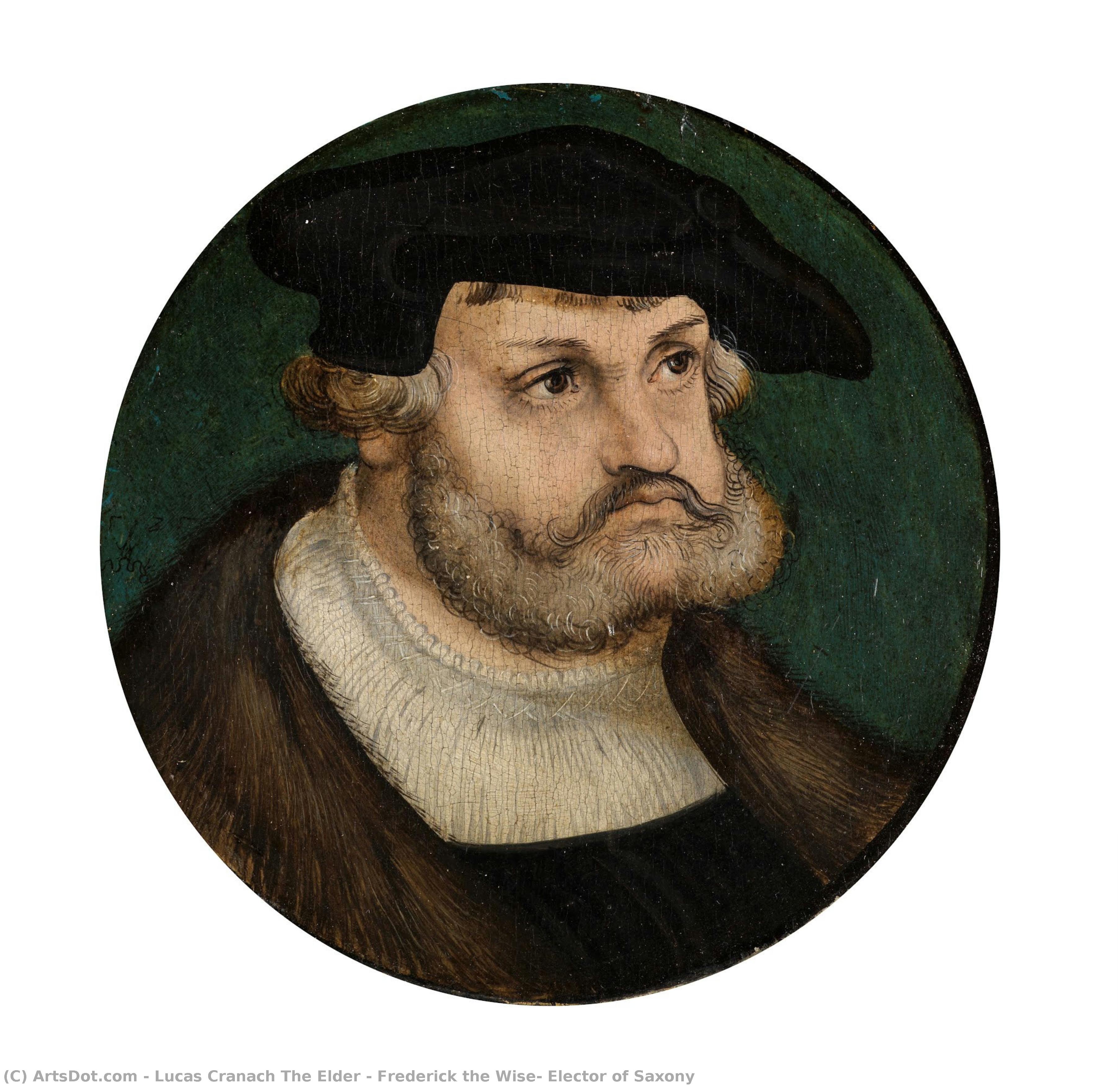
Lucas Cranach the Elder's "Frederick the Wise, Elector of Saxony," painted in 1525, is more than simply a likeness; it’s a carefully constructed embodiment of power, piety, and the burgeoning spirit of the German Renaissance. This intimate portrait, rendered in a remarkably detailed color palette on a diminutive scale of just 11 x 11 cm, offers a profound glimpse into the life of a key figure shaping the political landscape of Saxony during a period of immense transition. Cranach masterfully captures Frederick III’s commanding presence – his gaze direct and unwavering, conveying an air of both authority and contemplative wisdom.
The painting immediately draws the eye to the subject's attire: a rich black coat adorned with a prominent gold collar, symbols of his elevated status as Elector. The dark hues are expertly contrasted by the subtle green background, creating depth and highlighting Frederick’s figure. Cranach’s meticulous attention to detail extends to the man’s features – the strong jawline, the neatly trimmed beard and mustache, all rendered with a realism that speaks to his skill as a portraitist. The slight furrow of his brow hints at the weighty responsibilities he bore, while the overall expression suggests a considered judgment, a ruler deeply aware of his role.
Renaissance Portraiture and the Rise of the Elector
Cranach’s work during this period reflects the evolving trends in Renaissance portraiture. He moved beyond the purely symbolic representations favored by earlier generations, embracing a more naturalistic approach that sought to capture not just outward appearance but also inner character. This shift was inextricably linked to the rise of powerful electors like Frederick III, who increasingly demanded portraits that projected an image of strength and legitimacy. The commission itself speaks volumes about the importance placed on projecting an aura of stability and competence during a time of religious upheaval – the Reformation was already casting a long shadow across Europe.
Furthermore, Cranach’s association with Frederick III provided him with unparalleled access to the court and its artistic patronage. This relationship allowed him to experiment with new techniques and styles, pushing the boundaries of portraiture while simultaneously serving the political interests of his powerful patron. The painting is a testament to this dynamic – a sophisticated blend of artistic innovation and strategic representation.
Symbolism and the Weight of Office
Beyond the immediate visual elements, "Frederick the Wise" is rich in symbolic meaning. The black coat, as mentioned earlier, represents his authority and status within the Holy Roman Empire. The gold collar, a traditional symbol of nobility, further reinforces this message. However, it’s Frederick's gaze that truly commands attention; it’s not a boastful stare but one of quiet contemplation – suggesting a ruler burdened by responsibility, acutely aware of the challenges facing his territory and people. The simplicity of the background also serves to focus all attention on the figure, emphasizing his importance and reinforcing the idea that he is the central point of this visual narrative.
A Timeless Masterpiece: Reproduction Quality
ArtsDot offers a meticulously crafted hand-painted reproduction of Lucas Cranach the Elder’s “Frederick the Wise, Elector of Saxony.” We utilize traditional oil painting techniques and archival-quality materials to ensure that this artwork captures not only the visual details but also the emotional depth and historical significance of the original. Each reproduction is created by skilled artisans who have a deep understanding of Cranach's style and the nuances of Renaissance portraiture. Whether you’re an art collector, interior designer seeking a statement piece, or simply someone captivated by this iconic image, our hand-painted reproduction provides an authentic and enduring representation of a pivotal moment in German history – a testament to the power, wisdom, and artistry of Lucas Cranach the Elder.
- Size:** 11 x 11 cm
- Date:** 1525
- Artist:** Lucas Cranach the Elder
Obras relacionadas
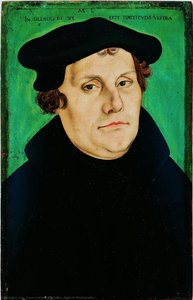
Biografía del artista
Primeros años y formación
Lucas Cranach el Viejo, un destacado pintor y grabador del Renacimiento alemán, nació en 1472 en Kronach, Alta Franconia. Aunque la fecha exacta de su nacimiento es desconocida, se sabe que aprendió las artes del dibujo de su padre, Hans Maler, y posteriormente desarrolló sus habilidades bajo la tutela de maestros locales del sur alemán.Carrera y logros destacados
La habilidad de Cranach atrajo la atención del duque Federico III de Sajonia, también conocido como Federico el Sabio. En 1504, se convirtió en pintor de la corte de los electores de Sajonia en Wittenberg, un puesto que ocupó durante la mayor parte de su carrera.- Fue reconocido por sus retratos de príncipes alemanes y líderes de la Reforma protestante, incluyendo a Martín Lutero.
- Cranach también pintó temas religiosos, inicialmente dentro de la tradición católica, pero posteriormente explorando nuevas formas de expresar las preocupaciones luteranas en el arte.
- Su taller produjo numerosas obras, incluyendo versiones continuadas por su hijo Lucas Cranach el Joven, y otros artistas incluso después de su muerte.
Estilo artístico y evolución
El estilo artístico de Cranach evolucionó a lo largo de su carrera. Inicialmente influenciado por la escuela del Danubio, sus primeras obras muestran un uso poético del paisaje. A medida que se estableció en Wittenberg, desarrolló un estilo distintivo caracterizado por:- Retratos expresivos: Sus retratos capturan no solo la apariencia física de los sujetos, sino también su personalidad y estatus social.
- Temas religiosos innovadores: Cranach introdujo elementos luteranos en sus obras religiosas, desafiando las convenciones artísticas tradicionales.
- Uso del grabado: Fue un maestro grabador, produciendo numerosas xilografías y aguafortas que difundieron su arte a una audiencia más amplia.
Obras notables y colaboraciones
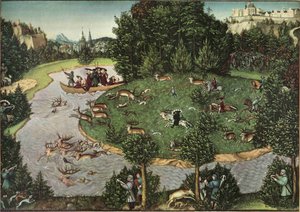
Entre las obras más destacadas de Lucas Cranach el Viejo se encuentran:- La Caza del Ciervo del Elector Federico III el Sabio (1529), una obra maestra que muestra su habilidad para capturar la esencia del estilo renacentista nórdico.
- Autorretrato, una representación impactante del artista, que exhibe su dominio de la luz y la sombra.
- El anuncio a Joaquín (1516-18), una escena llena de espíritu alegre, actualmente en el Museo de Bellas Artes de Budapest.
Legado e importancia histórica
El legado de Lucas Cranach el Viejo reside en sus significativas contribuciones al movimiento artístico del Renacimiento alemán. Como figura destacada del Renacimiento nórdico, su obra continúa inspirando a artistas y entusiastas del arte por igual. Su estrecha relación con Martín Lutero y su papel como propagandista visual de la Reforma Protestante lo convierten en una figura clave en la historia del arte y la cultura europea. Cranach no solo fue un artista talentoso, sino también un innovador que desafió las convenciones artísticas tradicionales y contribuyó a la difusión de nuevas ideas religiosas y políticas. Su taller prolífico y el legado artístico transmitido a sus hijos aseguraron su impacto duradero en el mundo del arte.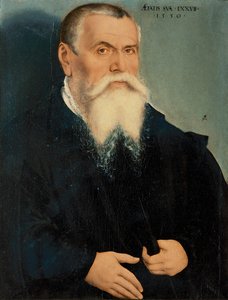
Lucas Cranach el Viejo
1472 - 1553 , Alemania
Datos clave
- Artistas Que Influyeron: ['Matthias Grünewald']
- Fecha De Muerte: 1553
- Fecha De Nacimiento: 1472
- Lugar De Nacimiento: Kronach, Alemania
- Movimiento Artístico: Renacimiento alemán
- Nacionalidad: Alemán
- Nombre Completo: Lucas Cranach el Mayor
- Obras Notables:
- Caza del Ciervo
- Retrato de Martín Lutero
- Autorretrato
Artículos relacionados
John Frederick Herring Sr.: Equestrian Mastery & the Rise of Sporting Art in Victorian England
Explore the life & work of John Frederick Herring Sr., a leading Victorian equestrian artist. Discover his masterpieces, patronage, techniques & investment potential. Expert insights for collectors.

John Frederick Kensett: Luminosity, Landscape & the American Identity
Explore the luminous landscapes of John Frederick Kensett, a master of Luminism and key figure in the Hudson River School. Discover his serene paintings & enduring legacy with ArtsDot.
Frederick Morgan: A Study in Aestheticism & Victorian Beauty
Explore the captivating world of Frederick Morgan, a key figure in Victorian Aestheticism. Discover his beautiful paintings, recurring themes, and lasting legacy with our expert analysis. Learn more today!
Frederick Goodall (1822–1904): A Victorian Narrative of Rural Life and Artistic Tradition
Explore the captivating world of Frederick Goodall (1822–1904), a celebrated Victorian artist renowned for his detailed genre paintings and evocative Egyptian scenes. Discover his life, legacy & find high-quality reproductions at ArtsDot.
John Frederick Lewis: Orientalism, Detail & Genre Painting in 19th-Century British Art
Explore the captivating Orientalist paintings of John Frederick Lewis! Discover his mastery of detail, genre scenes & influence on 19th-century British art. Learn about his life, techniques & legacy at ArtsDot.