

 Ver en contexto
 Enviar
 Compartir
 Detalles

 Descargar
 Similares
 Radiografía
 Presentación de diapositivas
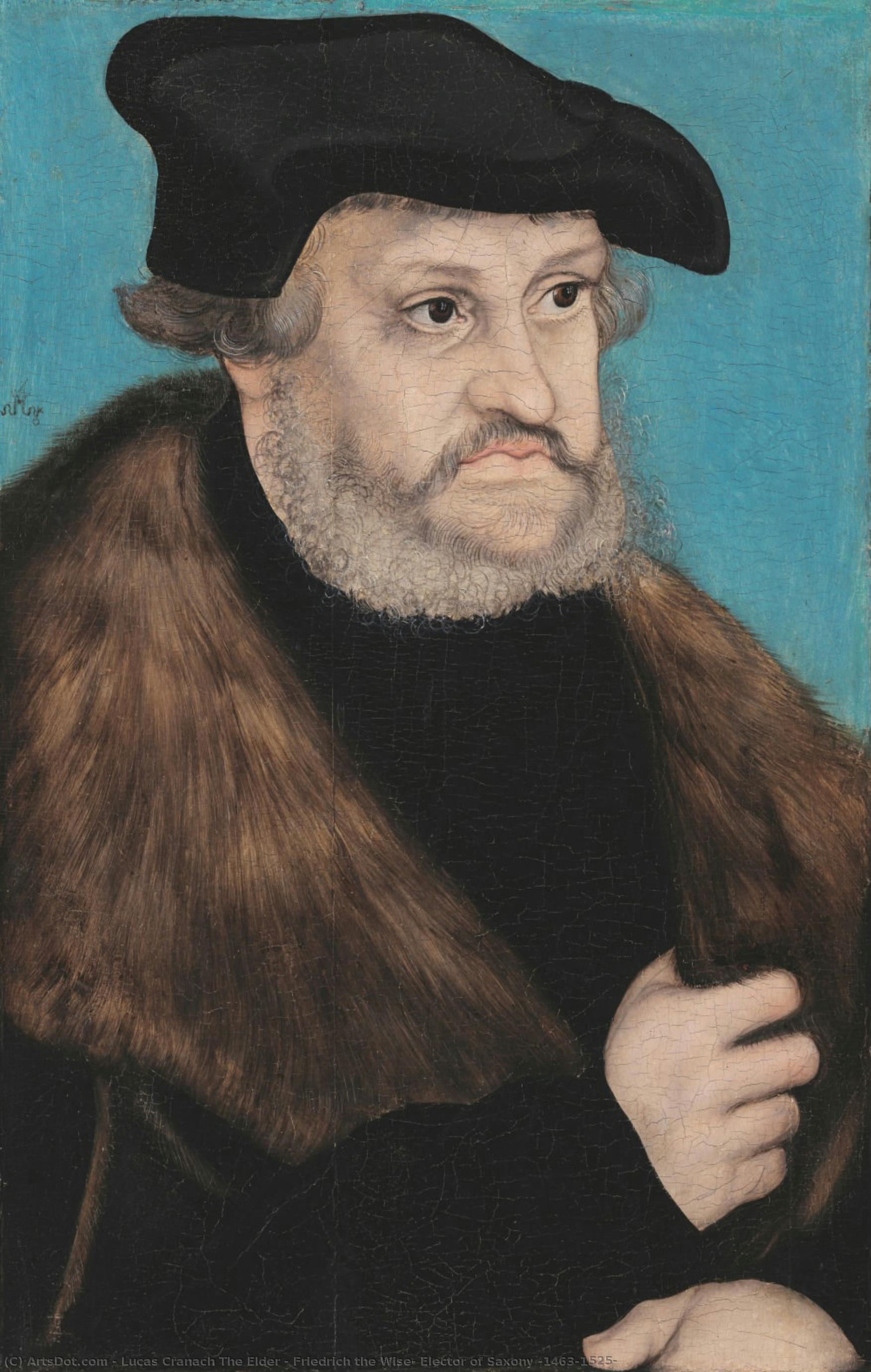
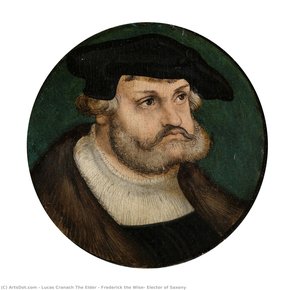
Friedrich the Wise, Elector of Saxony (1463-1525)


 Ver más
Adquiera una imagen digital de alta resolución y optimizada, muy superior a la vista previa en línea.
Cada archivo es preparado meticulosamente por nuestros especialistas internos mediante el uso de herramientas avanzadas y un experto retoque manual. Nos aseguramos de que cada imagen posea una claridad excepcional, una precisión cromática impecable y un detalle minucioso.
El archivo final se entrega por correo electrónico en un plazo de 72 horas, optimizado para su uso inmediato en entornos profesionales, editoriales y de impresión. Esta es la misma calidad en la que confían los estudios de diseño, las editoriales y las galerías de primer nivel.
Imagen Digital
Descarga un archivo de alta resolución para exhibición personal, impresión y proyectos creativos. ( Comprar impresión Comprar pintura hecha a mano)
Incluido en cada pedido de imágenes digitales
Entrega digital experta, garantizada.
Al elegir ArtsDot.com, no solo está adquiriendo una imagen; está recibiendo una obra de arte digital mejorada profesionalmente, elaborada con precisión y respaldada por una garantía de satisfacción. Esto es todo lo que incluye su pedido, automáticamente:

Entrega rápida por email
Recibirá su archivo de imagen digital en alta resolución por correo electrónico en un plazo de 72 horas tras realizar su pedido, listo para su uso inmediato.

Archivo digital optimizado por IA
Su obra de arte se optimiza profesionalmente mediante herramientas avanzadas de IA y edición manual, garantizando el máximo detalle, claridad y precisión cromática.

Reenvío gratuito de por vida
¿Has borrado o perdido tu archivo por error? No te preocupes: te lo volveremos a enviar en cualquier momento, sin coste adicional.

Sin gastos de importación, siempre
Disfrute de su obra de arte al instante sin aduanas, aranceles ni gastos de envío; las descargas digitales siempre están libres de impuestos.

Garantía de fidelidad de color
Garantizamos que su imagen digital refleje los colores originales con la mayor fidelidad posible, mediante el uso de herramientas profesionales y gestión del color.

Garantía de satisfacción de 60 días
Si no está satisfecho con su imagen digital, la revisaremos o le reembolsaremos el 100% en un plazo de 60 días, sin preguntas.

100% Garantía de devolución de dinero
¿No está satisfecho? Obtenga un reembolso completo dentro de los 60 días posteriores a la recepción de su archivo digital, sin necesidad de explicaciones.

Descuentos por pedidos grandes
Compra 3 imágenes, ahorra 10% - Compra 5, ahorra 15% - Compra 10+, ahorra 20%. Ideal para proyectos creativos, galerías y agencias.
Descripción del coleccionable
Friedrich III (1463–1525), The Wise, Elector of Saxony – A Portrait Embodied in Faith and Power
Lucas Cranach the Elder’s depiction of Friedrich III, Elector of Saxony, transcends mere representation; it's a masterful distillation of Renaissance ideals interwoven with the burgeoning fervor of the Protestant Reformation. Executed in 1527, this portrait resides within the German Historical Museum in Berlin, serving as a testament to Cranach’s unparalleled ability to capture not just physical likeness but also the essence of his subject – a ruler grappling with momentous spiritual and political challenges.- Subject Matter: The painting portrays Friedrich III, a formidable figure who reigned during a turbulent era marked by papal disputes and escalating tensions between Catholic and Protestant factions. Cranach skillfully captures his regal bearing, conveying authority and dignity through posture and gaze.
- Style & Technique: Cranach’s style exemplifies High Renaissance portraiture, characterized by meticulous detail and idealized proportions. He employs oil paint on panel, achieving a luminous surface that enhances the richness of color and texture—a hallmark of his workshop's artistic prowess. The subtle shading creates depth and volume, lending an air of realism to the depiction despite its stylized aesthetic.
- Historical Context: This portrait emerged against the backdrop of Luther’s Reformation, where Cranach actively championed Protestant beliefs. Friedrich III’s unwavering commitment to Lutheran principles is subtly conveyed through the artist's choice of attire and background—a deliberate symbolic gesture reflecting the prevailing religious climate of the time.
- Symbolism: The dark robe worn by Friedrich III symbolizes piety and solemnity, mirroring the seriousness of his role as a leader navigating doctrinal disputes. The hand resting on his thigh represents stability and control – qualities crucial for maintaining power amidst uncertainty. Cranach’s masterful use of color contributes to this symbolic narrative, emphasizing the importance of faith and governance.
- Emotional Impact: Viewing this portrait evokes contemplation about leadership, conviction, and the enduring influence of religious belief. Cranach's ability to convey Friedrich III’s inner strength and resolve speaks volumes about his artistic vision—a timeless portrayal of a man confronting history with unwavering determination.
Lucas Cranach the Elder: A Renaissance Innovator
Born in Kronach, Germany around 1472, Lucas Cranach the Elder was more than just a painter; he was a pivotal figure shaping the artistic landscape of his time. Initially apprenticed to his father, Hans Maler, Cranach’s formative years instilled in him a foundational understanding of traditional German painting techniques—yet he swiftly embraced innovation and stylistic experimentation. His early works demonstrate influences from South German masters, foreshadowing his distinctive approach to portraiture and mythological subjects alike.- Early Influences: Cranach's artistic journey began amidst the vibrant intellectual currents of the Renaissance, where humanist ideals fueled a renewed interest in classical art and scholarship. These influences profoundly impacted his stylistic choices, shaping his meticulous attention to detail and his pursuit of idealized beauty.
- Court Patronage & Artistic Development: His association with Frederick III solidified Cranach’s position as one of Saxony's foremost artists—providing him with invaluable resources for honing his craft and expanding his artistic horizons. This patronage enabled him to produce a prolific oeuvre encompassing portraits, religious paintings, and decorative murals, cementing his legacy as a master of multiple mediums.
- The Reformation Connection: Cranach’s unwavering support for Martin Luther profoundly shaped his artistic output—resulting in iconic depictions of the reformer that continue to resonate with audiences today. His collaboration with Luther exemplifies the intersection of art and theology during the Reformation, demonstrating how artistic expression could serve as a vehicle for disseminating religious ideas.
A Legacy Preserved: The German Historical Museum’s Masterpiece
Currently housed at the German Historical Museum in Berlin, Friedrich III's portrait stands as an enduring symbol of Renaissance grandeur and Protestant conviction. Its meticulous execution—characterized by luminous oil paint and subtle shading—offers a captivating glimpse into Cranach’s artistic genius and the intellectual fervor of his era. The painting’s placement within the museum underscores its significance as a cultural artifact, inviting viewers to contemplate not only Friedrich III's physical appearance but also the broader context of his life and reign.Exploring Reproduction Options
High-quality reproductions of Lucas Cranach the Elder’s “Friedrich III” are available from ArtsDot.com, allowing enthusiasts worldwide to experience the beauty and artistry of this seminal Renaissance portrait. Consider framing it in a classic baroque style to complement its solemn grandeur or displaying it alongside other artworks reflecting the humanist spirit of the era—a thoughtful gesture honoring Cranach's enduring contribution to art history.Obras relacionadas
Biografía del artista
Primeros años y formación
Lucas Cranach el Viejo, un destacado pintor y grabador del Renacimiento alemán, nació en 1472 en Kronach, Alta Franconia. Aunque la fecha exacta de su nacimiento es desconocida, se sabe que aprendió las artes del dibujo de su padre, Hans Maler, y posteriormente desarrolló sus habilidades bajo la tutela de maestros locales del sur alemán.Carrera y logros destacados
La habilidad de Cranach atrajo la atención del duque Federico III de Sajonia, también conocido como Federico el Sabio. En 1504, se convirtió en pintor de la corte de los electores de Sajonia en Wittenberg, un puesto que ocupó durante la mayor parte de su carrera.- Fue reconocido por sus retratos de príncipes alemanes y líderes de la Reforma protestante, incluyendo a Martín Lutero.
- Cranach también pintó temas religiosos, inicialmente dentro de la tradición católica, pero posteriormente explorando nuevas formas de expresar las preocupaciones luteranas en el arte.
- Su taller produjo numerosas obras, incluyendo versiones continuadas por su hijo Lucas Cranach el Joven, y otros artistas incluso después de su muerte.
Estilo artístico y evolución
El estilo artístico de Cranach evolucionó a lo largo de su carrera. Inicialmente influenciado por la escuela del Danubio, sus primeras obras muestran un uso poético del paisaje. A medida que se estableció en Wittenberg, desarrolló un estilo distintivo caracterizado por:- Retratos expresivos: Sus retratos capturan no solo la apariencia física de los sujetos, sino también su personalidad y estatus social.
- Temas religiosos innovadores: Cranach introdujo elementos luteranos en sus obras religiosas, desafiando las convenciones artísticas tradicionales.
- Uso del grabado: Fue un maestro grabador, produciendo numerosas xilografías y aguafortas que difundieron su arte a una audiencia más amplia.
Obras notables y colaboraciones
Entre las obras más destacadas de Lucas Cranach el Viejo se encuentran:- La Caza del Ciervo del Elector Federico III el Sabio (1529), una obra maestra que muestra su habilidad para capturar la esencia del estilo renacentista nórdico.
- Autorretrato, una representación impactante del artista, que exhibe su dominio de la luz y la sombra.
- El anuncio a Joaquín (1516-18), una escena llena de espíritu alegre, actualmente en el Museo de Bellas Artes de Budapest.
Legado e importancia histórica
El legado de Lucas Cranach el Viejo reside en sus significativas contribuciones al movimiento artístico del Renacimiento alemán. Como figura destacada del Renacimiento nórdico, su obra continúa inspirando a artistas y entusiastas del arte por igual. Su estrecha relación con Martín Lutero y su papel como propagandista visual de la Reforma Protestante lo convierten en una figura clave en la historia del arte y la cultura europea. Cranach no solo fue un artista talentoso, sino también un innovador que desafió las convenciones artísticas tradicionales y contribuyó a la difusión de nuevas ideas religiosas y políticas. Su taller prolífico y el legado artístico transmitido a sus hijos aseguraron su impacto duradero en el mundo del arte.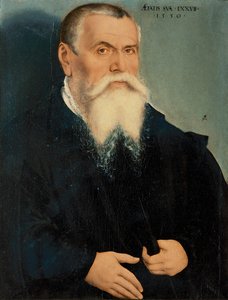
Lucas Cranach el Viejo
1472 - 1553 , Alemania
Breves datos
- Artistas Que Influyeron: ['Matthias Grünewald']
- Fecha De Muerte: 1553
- Fecha De Nacimiento: 1472
- Lugar De Nacimiento: Kronach, Alemania
- Movimiento Artístico: Renacimiento alemán
- Nacionalidad: Alemán
- Nombre Completo: Lucas Cranach el Mayor
- Obras Notables:
- Caza del Ciervo
- Retrato de Martín Lutero
- Autorretrato

