

 Ver en contexto
 Enviar
 Compartir
 Detalles

 Descargar
 Similares
 Radiografía
 Presentación de diapositivas
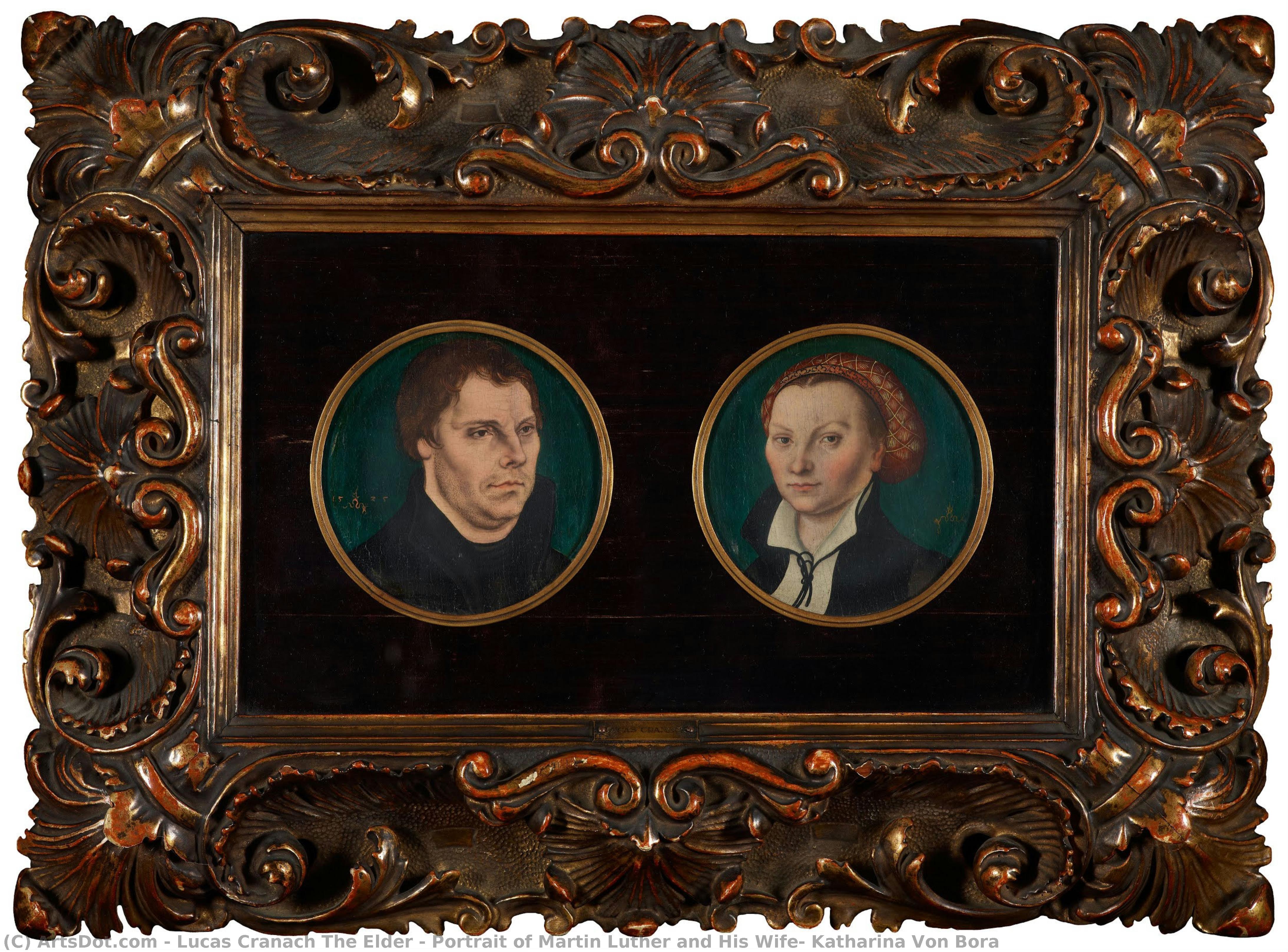
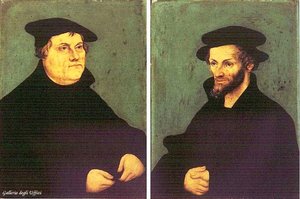
Portrait of Martin Luther and His Wife, Katharina Von Bora
 Oil On Panel
- Renaissance
 1525
1525- Renaissance
 19.0 x 31.0 cm
 Ver más
Adquiera una imagen digital de alta resolución y optimizada, muy superior a la vista previa en línea.
Cada archivo es preparado meticulosamente por nuestros especialistas internos mediante el uso de herramientas avanzadas y un experto retoque manual. Nos aseguramos de que cada imagen posea una claridad excepcional, una precisión cromática impecable y un detalle minucioso.
El archivo final se entrega por correo electrónico en un plazo de 72 horas, optimizado para su uso inmediato en entornos profesionales, editoriales y de impresión. Esta es la misma calidad en la que confían los estudios de diseño, las editoriales y las galerías de primer nivel.
Imagen Digital
Descarga un archivo de alta resolución para exhibición personal, impresión y proyectos creativos. ( Comprar impresión Comprar pintura hecha a mano)
Incluido en cada pedido de imágenes digitales
Entrega digital experta, garantizada.
Al elegir ArtsDot.com, no solo está adquiriendo una imagen; está recibiendo una obra de arte digital mejorada profesionalmente, elaborada con precisión y respaldada por una garantía de satisfacción. Esto es todo lo que incluye su pedido, automáticamente:

Entrega rápida por email
Recibirá su archivo de imagen digital en alta resolución por correo electrónico en un plazo de 72 horas tras realizar su pedido, listo para su uso inmediato.

Archivo digital optimizado por IA
Su obra de arte se optimiza profesionalmente mediante herramientas avanzadas de IA y edición manual, garantizando el máximo detalle, claridad y precisión cromática.

Reenvío gratuito de por vida
¿Has borrado o perdido tu archivo por error? No te preocupes: te lo volveremos a enviar en cualquier momento, sin coste adicional.

Sin gastos de importación, siempre
Disfrute de su obra de arte al instante sin aduanas, aranceles ni gastos de envío; las descargas digitales siempre están libres de impuestos.

Garantía de fidelidad de color
Garantizamos que su imagen digital refleje los colores originales con la mayor fidelidad posible, mediante el uso de herramientas profesionales y gestión del color.

Garantía de satisfacción de 60 días
Si no está satisfecho con su imagen digital, la revisaremos o le reembolsaremos el 100% en un plazo de 60 días, sin preguntas.

100% Garantía de devolución de dinero
¿No está satisfecho? Obtenga un reembolso completo dentro de los 60 días posteriores a la recepción de su archivo digital, sin necesidad de explicaciones.

Descuentos por pedidos grandes
Compra 3 imágenes, ahorra 10% - Compra 5, ahorra 15% - Compra 10+, ahorra 20%. Ideal para proyectos creativos, galerías y agencias.
A Testament to Reformation and Romance: Cranach’s Portrait of Martin Luther and Katharina Von Bora
Lucas Cranach the Elder's “Portrait of Martin Luther and His Wife, Katharina Von Bora” (1525) is more than a simple depiction of two figures; it’s a potent emblem of a pivotal moment in European history – the marriage that ignited the Protestant Reformation. Painted during the year of their union, this intimate pair of portraits captures not just the likenesses of Luther and his unconventional bride, but also the burgeoning spirit of defiance and religious renewal that defined the era. The miniature scale itself lends an air of preciousness and immediacy, as if we are privileged witnesses to a private, momentous occasion.
- Historical Context: Crafted amidst the tumultuous backdrop of the Reformation, this work reflects the radical shift in religious thought sweeping across Germany. Katharina Von Bora’s prior life as a former nun, having escaped her convent, adds layers of symbolic significance – representing liberation from restrictive dogma and embracing a new path of faith.
- The Artist's Hand: Cranach’s mastery is immediately apparent in the meticulous detail with which he renders each figure. The formal attire, indicative of Luther’s status as a respected theologian, contrasts subtly with Katharina’s more practical clothing, hinting at her origins and grounding her within the realities of their shared life.
Renaissance Portraiture and the Language of Form
The painting adheres to the conventions of Renaissance portraiture, yet Cranach infuses it with a distinctly Baroque sensibility through his masterful use of light and shadow. The flat lighting creates a sense of solemn dignity, while subtle gradations within the portraits themselves – particularly in the textures of their clothing and hair – introduce a remarkable degree of three-dimensionality. The composition is meticulously balanced, employing symmetrical arrangements to convey stability and order, reflecting the values of the time. Note the extensive use of lines within the frame’s decorative elements; this adds complexity and visual interest, drawing the eye across the entire surface.
- Technique: Executed in oil paints on small panels, the technique showcases Cranach's skill in layering details – from the intricate folds of their garments to the subtle nuances of their facial expressions.
- Color Palette: The dominant dark browns and blacks are punctuated by warmer tones within the portraits themselves, creating a harmonious balance that draws attention to the subjects’ features.
Symbolism and Emotional Resonance
Beyond its historical significance, the portrait resonates with profound symbolic meaning. Luther and Katharina represent a challenge to established authority – a rejection of traditional religious structures in favor of personal faith. Their embrace is not merely physical; it's an assertion of intellectual and spiritual independence. The dark, rich tones contribute to a sense of gravitas and solemnity, while the careful attention to detail evokes a feeling of intimacy and reverence. The ornate frames further elevate the portraits, transforming them into treasured objects – symbols of faith, love, and defiance.
- Frame as Icon: The dark wooden frames, adorned with intricate carvings, are not merely decorative; they serve to frame and emphasize the subjects’ importance.
- Emotional Impact: The painting's enduring appeal lies in its ability to capture a moment of profound transformation – a marriage that would reshape the religious landscape of Europe.
A Captivating Reproduction
ArtsDot offers a meticulously hand-painted reproduction of this iconic artwork, capturing every nuance and detail with exceptional fidelity. This is more than just an image; it’s a tangible connection to one of the most significant artistic and historical moments of the 16th century. Perfect for collectors, art enthusiasts, or those seeking to add a touch of Renaissance elegance to their interior design.
Obras relacionadas
Biografía del artista
Primeros años y formación
Lucas Cranach el Viejo, un destacado pintor y grabador del Renacimiento alemán, nació en 1472 en Kronach, Alta Franconia. Aunque la fecha exacta de su nacimiento es desconocida, se sabe que aprendió las artes del dibujo de su padre, Hans Maler, y posteriormente desarrolló sus habilidades bajo la tutela de maestros locales del sur alemán.Carrera y logros destacados
La habilidad de Cranach atrajo la atención del duque Federico III de Sajonia, también conocido como Federico el Sabio. En 1504, se convirtió en pintor de la corte de los electores de Sajonia en Wittenberg, un puesto que ocupó durante la mayor parte de su carrera.- Fue reconocido por sus retratos de príncipes alemanes y líderes de la Reforma protestante, incluyendo a Martín Lutero.
- Cranach también pintó temas religiosos, inicialmente dentro de la tradición católica, pero posteriormente explorando nuevas formas de expresar las preocupaciones luteranas en el arte.
- Su taller produjo numerosas obras, incluyendo versiones continuadas por su hijo Lucas Cranach el Joven, y otros artistas incluso después de su muerte.
Estilo artístico y evolución
El estilo artístico de Cranach evolucionó a lo largo de su carrera. Inicialmente influenciado por la escuela del Danubio, sus primeras obras muestran un uso poético del paisaje. A medida que se estableció en Wittenberg, desarrolló un estilo distintivo caracterizado por:- Retratos expresivos: Sus retratos capturan no solo la apariencia física de los sujetos, sino también su personalidad y estatus social.
- Temas religiosos innovadores: Cranach introdujo elementos luteranos en sus obras religiosas, desafiando las convenciones artísticas tradicionales.
- Uso del grabado: Fue un maestro grabador, produciendo numerosas xilografías y aguafortas que difundieron su arte a una audiencia más amplia.
Obras notables y colaboraciones
Entre las obras más destacadas de Lucas Cranach el Viejo se encuentran:- La Caza del Ciervo del Elector Federico III el Sabio (1529), una obra maestra que muestra su habilidad para capturar la esencia del estilo renacentista nórdico.
- Autorretrato, una representación impactante del artista, que exhibe su dominio de la luz y la sombra.
- El anuncio a Joaquín (1516-18), una escena llena de espíritu alegre, actualmente en el Museo de Bellas Artes de Budapest.
Legado e importancia histórica
El legado de Lucas Cranach el Viejo reside en sus significativas contribuciones al movimiento artístico del Renacimiento alemán. Como figura destacada del Renacimiento nórdico, su obra continúa inspirando a artistas y entusiastas del arte por igual. Su estrecha relación con Martín Lutero y su papel como propagandista visual de la Reforma Protestante lo convierten en una figura clave en la historia del arte y la cultura europea. Cranach no solo fue un artista talentoso, sino también un innovador que desafió las convenciones artísticas tradicionales y contribuyó a la difusión de nuevas ideas religiosas y políticas. Su taller prolífico y el legado artístico transmitido a sus hijos aseguraron su impacto duradero en el mundo del arte.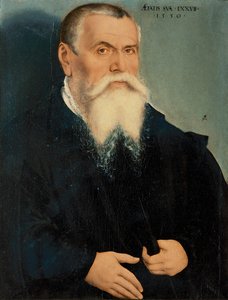
Lucas Cranach el Viejo
1472 - 1553 , Alemania
Breves datos
- Artistas Que Influyeron: ['Matthias Grünewald']
- Fecha De Muerte: 1553
- Fecha De Nacimiento: 1472
- Lugar De Nacimiento: Kronach, Alemania
- Movimiento Artístico: Renacimiento alemán
- Nacionalidad: Alemán
- Nombre Completo: Lucas Cranach el Mayor
- Obras Notables:
- Caza del Ciervo
- Retrato de Martín Lutero
- Autorretrato

